DOXZILLA LEARNING
Ages 9 to 11: who is telling this story?
Children start to ask who is telling the story, and whether that person was really there. Let your child choose today's film, and today's way in: finding reasons, thinking of a new way, or imagining how the people in the film feel.
434 titles · 1,695 episodes suited to this age
Reading each title
Each title tells you what it is about, which skills it practices, what to say before you watch, one question to ask after, something to try, and a question for the family. Start tonight at home.
Prep levels for tough scenes
Each title has a number from 0 to 3 that tells you how much to prepare before your child watches. It helps you decide faster. It does not say whether a film is good or bad.
- 0
- No scenes to prepare for. Press play.
- 1
- A short, mild scene. Know it is there, and be ready to answer briefly if your child asks.
- 2
- Scenes that may upset or sadden a child. Watch that part first, tell your child ahead of time, and stay close.
- 3
- Heavy, graphic or long scenes. Watch it yourself first, decide with your child, watch together, and talk afterward.
The level comes from the episode summaries and is a first guide. You can always watch the opening first and stop at any time. If the story is close to your child’s own life, treat it as one level higher.
1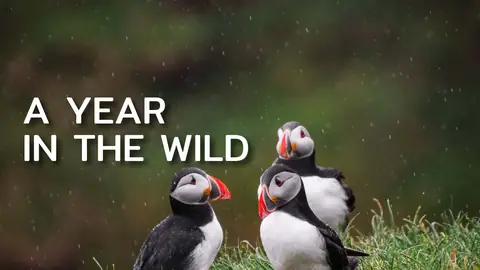 A Year in the Wild5 episodes · 60 min eachPrep 1
- What it is about
- Follow a year in the African wild, from summer through the rains to winter. See how animals change their lives with the seasons. The summer episode visits Botswana's Okavango Delta, where floodwater flows out into the desert.
- Skills practiced
- Critical thinking
- Before you watch
- Count what each animal needs to find, food and water. Some scenes show hunting, so you can talk about them as they come up.
- Ask after watching
- Which animal do you think has the hardest time when the seasons change? Why do you think so?
- Try it
- Pick one plant or animal near your home. Watch it for 3 days. Write down how the weather changed and whether it changed too.
- Talk about it at home
- How do people in our community know a new season is coming? What signs did our grandparents watch for? Ask them.
- Heads up
- Animals hunting each other, Death
2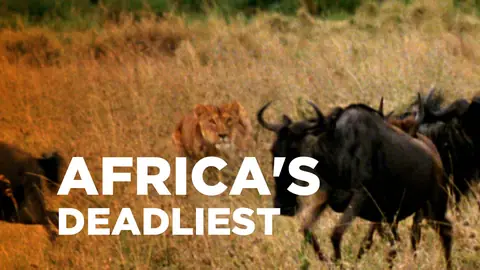 Africa's Deadliest2 episodes · 60 min eachPrep 2
- What it is about
- Meet the hunters of Africa as they fight to survive. Some hunt alone, some in packs, and some use their own bodies as weapons. The Killer Predators episode takes you up close to some fierce battles.
- Skills practiced
- Critical thinking, Communication and teamwork
- Before you watch
- This one has hunting scenes and animals that die. If anything feels like too much, say so anytime. Look for what helps each hunter catch its meal.
- Ask after watching
- Which hunter impressed you most? What made you think so?
- Try it
- Choose one animal from the show. Draw how you would hide or run if you were its prey.
- Talk about it at home
- Are there animals around our home that people have to watch out for? What animals did our grandparents watch out for as kids?
- Heads up
- Animals hunting each other, Death, Fighting
3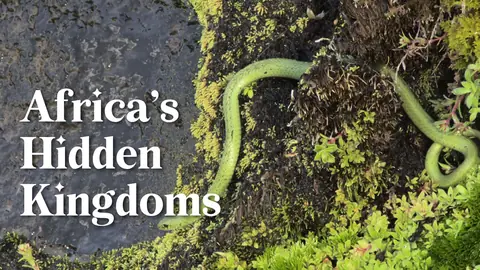 Africa's Hidden Kingdoms6 episodes · 60 min eachPrep 1
- What it is about
- Visit the lesser known corners of Africa, from towering peaks to desert flower fields, forests, and beaches. The Namaqualand episode explores a dry land in the west where rain falls only a few times a year.
- Skills practiced
- Critical thinking, Global citizenship
- Before you watch
- In a place with almost no rain, look for what still lives there. How does it manage?
- Ask after watching
- The flowers bloom for only a short time. What do you think the animals do the rest of the year?
- Try it
- Find a plant near home or school that handles dry weather well, like a cactus or a thick leafed plant. Draw where it stores its water.
- Talk about it at home
- What plants or animals get through the dry season around our home? Which ones do our grandparents know?
- Heads up
- Animals hunting each other, Death
4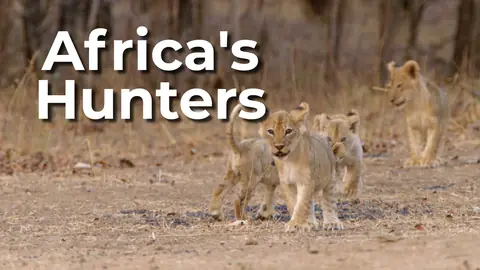 Africa's Hunters4 episodes · 60 min eachPrep 2
- What it is about
- Follow the hunters of Zambia: leopards, lions, and hyenas. See how they find food, raise their young, and face hard times. The Hungry Leopard episode follows a leopard's life in the Luangwa Valley.
- Skills practiced
- Communication and teamwork, Critical thinking
- Before you watch
- This one has hunting scenes and animals that get hurt or die. Say so if it feels like too much. Watch how the hunters care for their young.
- Ask after watching
- What decisions did the hunters have to make? What reasons did you see behind each one?
- Try it
- Play hide and seek. One person is the hunter, one is the prey. Talk about how each side felt and what tricks they used.
- Talk about it at home
- Have we ever seen an animal mother caring for her babies? Did your grandparents have stories about wild animals when they were kids?
- Heads up
- Animals hunting each other, Death, Fighting
5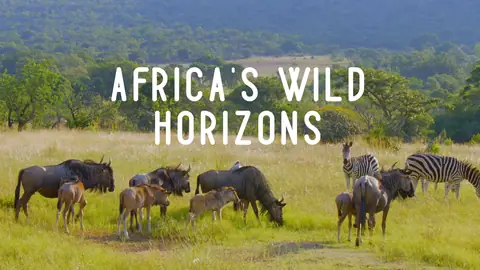 Africa's Wild Horizons6 episodes · 60 min eachPrep 1
- What it is about
- Travel across Africa, from ancient lands and a meteor crater to the Kalahari Desert and the Ngorongoro Crater. The first episode explores an old land in Limpopo, rich in water and wildlife.
- Skills practiced
- Critical thinking
- Before you watch
- Notice what makes each place special. Why would people want to protect it?
- Ask after watching
- If one of these places disappeared, what would happen to its animals and plants? What do you think?
- Try it
- Draw a simple map of a place you love near home. Mark where the water, trees, and animals are.
- Talk about it at home
- Is there a natural place near us that your grandparents love? What do they hope happens to it?
- Heads up
- Animals hunting each other, Death
6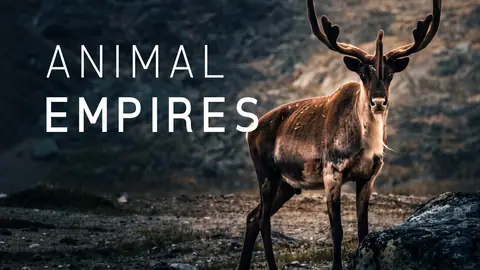 Animal Empires6 episodes · 60 min eachPrep 1
- What it is about
- Visit the kingdoms of many animals, from mammals to once endangered species to animals that adapted to new homes. The Family episode shows newborn monkeys, flamingos, and dugongs.
- Skills practiced
- Critical thinking, Global citizenship
- Before you watch
- Many of these animals live in families. Watch for what the parents teach their young.
- Ask after watching
- What do you think happens to a baby animal that nobody teaches? What do you think?
- Try it
- Teach a friend or a younger child something you know, like folding a paper boat. Notice which part is easy to teach and which part is hard.
- Talk about it at home
- What does our family pass down from one generation to the next? What have our grandparents taught you?
- Heads up
- Animals hunting each other, Death
7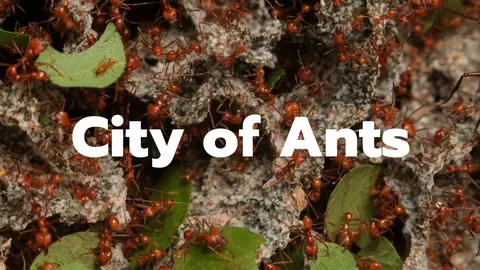 City of Ants1 episode · 60 min eachPrep 1
- What it is about
- Meet the ants, the most numerous insects on Earth. They live together in huge colonies and can do amazing things.
- Skills practiced
- Communication and teamwork
- Before you watch
- Before you watch, guess how ants talk to each other. Then see if you were close.
- Ask after watching
- Each ant has its own job. What do you think happens if some ants stop working?
- Try it
- Put a small crumb of food outside. Time how long the first ant takes to arrive, then count how many come after. Try it 3 times and write down the results.
- Talk about it at home
- What jobs do we all share at home? Who does what? Can your grandparents tell us how families worked together in the old days?
- Heads up
- Animals hunting each other, Death, Fighting
8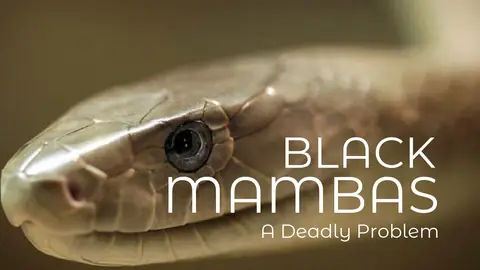 Black Mambas A Deadly Problem1 episode · 60 min eachPrep 1
- What it is about
- Learn about the black mamba, a fast snake with powerful venom that strikes when it feels threatened. Many people have been hurt by its bite.
- Skills practiced
- Media literacy
- Before you watch
- Listen closely to how the show talks about snakes and how the people in it talk about snakes. Are they the same?
- Ask after watching
- How do the stories people tell about snakes match what you saw in the show? Where do they differ?
- Try it
- Ask 2 adults what they have heard about snakes. Write it down. Then look into which of those things have real evidence behind them.
- Talk about it at home
- What do people in our family believe about snakes? What can our grandparents tell us?
- Heads up
- Animals hunting each other, Death, Scary scenes
9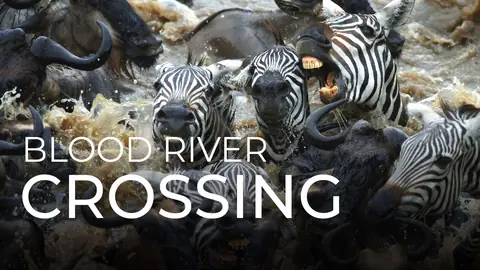 BLOOD RIVER CROSSING1 episode · 60 min eachPrep 2
- What it is about
- Join the great migration in Africa. A mother zebra must lead her foal across a river where crocodiles lie in wait.
- Skills practiced
- Emotional intelligence
- Before you watch
- This one has a crocodile hunting scene. Say so if it feels like too much. Watch what the mother zebra does for her foal.
- Ask after watching
- How do you think the mother zebra felt before crossing the river? What did you see that made you think so?
- Try it
- Write a short letter from the mother zebra to her foal. Tell how she feels today and what she hopes her foal will do.
- Talk about it at home
- Has a parent in our family ever made a hard choice for the sake of a child? Could our grandparents tell us a story like that?
- Heads up
- Animals hunting each other, Death, Fighting
10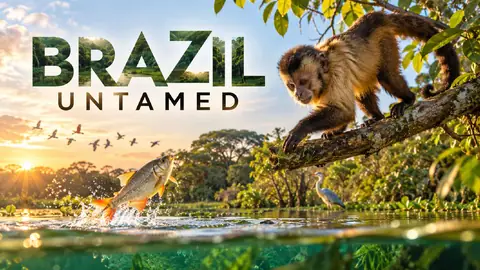 Brazil Untamed10 episodes · 60 min eachPrep 1
- What it is about
- Explore the forests and wetlands of Brazil, home to monkeys, birds, peccaries, jaguars, wild cats, capybaras, and giant otters. In the Land of Primates episode, a capuchin teaches her young to use tools.
- Skills practiced
- Critical thinking, Communication and teamwork
- Before you watch
- Watch how the animals depend on each other. What does each one need from the others?
- Ask after watching
- If one animal disappeared from the forest, what would happen to the others? What do you think?
- Try it
- Draw a simple chart of who eats whom and who lives with whom. Then take one animal out and redraw the arrows.
- Talk about it at home
- Are there animals around our home that help people, or people who help animals? What animals did our grandparents rely on?
- Heads up
- Animals hunting each other
11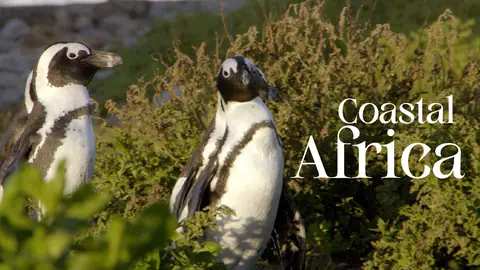 Coastal Africa4 episodes · 60 min eachPrep 1
- What it is about
- Visit the southern coast of Africa, with its rocky shores, the Indian Ocean, coastal forests, and an island of penguins. The Giant Waves episode explores the animals living on a rocky beach.
- Skills practiced
- Critical thinking
- Before you watch
- Count how many kinds of coastal homes you see. How do the animals in each one differ?
- Ask after watching
- How does where an animal lives change what it is like? What did you see that shows this?
- Try it
- Draw a simple map of a coast. Mark which animals live where, then ask a friend to guess why each one lives there.
- Talk about it at home
- How do people around us make a living from water? How is it different from when your grandparents were young?
- Heads up
- Animals hunting each other
12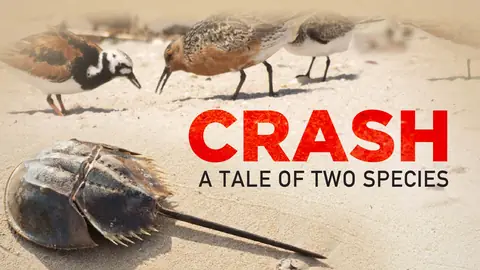 Crash A Tale Of Two Species1 episode · 60 min eachPrep 1
- What it is about
- Meet ancient animals that rise from the sea under a full moon. Their kind has survived for more than 350 million years.
- Skills practiced
- Critical thinking
- Before you watch
- Look for what has barely changed about these animals over millions of years.
- Ask after watching
- Why do you think some things last so long without changing while others change a lot?
- Try it
- Find something in your community that has been around a very long time, like a tree or a building. Ask an adult how it has changed.
- Talk about it at home
- Is there something in our family that has lasted for many generations? Can our grandparents tell us about it?
- Heads up
- Animals hunting each other
13 Extreme Africa6 episodes · 60 min eachPrep 1
- What it is about
- Visit the most extreme places in Africa, from high mountains and lakes to ranges, deserts, and oases. The Dragon Mountain episode climbs the peaks of the Drakensberg.
- Skills practiced
- Critical thinking
- Before you watch
- Look for what makes each place extreme. How do animals manage to live there?
- Ask after watching
- Which animal do you think adapts best? Why?
- Try it
- Write down the temperature in the morning, at noon, and in the evening for one day. Notice what the animals around you do at each time.
- Talk about it at home
- What time of year is the weather hardest around our home? How did our grandparents get through it?
- Heads up
- Animals hunting each other
14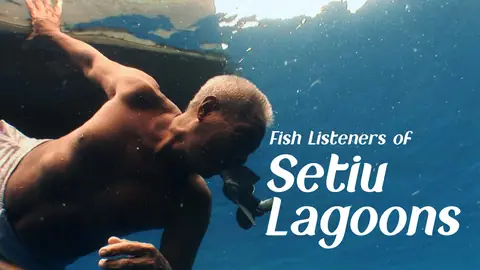 Fish Listeners of Setiu Lagoons1 episode · 60 min eachPrep 0
- What it is about
- Meet a fisherman in Malaysia who finds fish by listening for them. He is the last person who still fishes this way. It is a skill passed down through generations, and it is fading away.
- Skills practiced
- Global citizenship
- Before you watch
- Notice who taught the fisherman this skill, and whether anyone is learning it now.
- Ask after watching
- If an old way of doing things is fading, how could we keep it alive? What ideas do you have?
- Try it
- Interview one adult in your community about an old job or way of making a living. Write down 3 things they tell you.
- Talk about it at home
- Is there a way of earning a living in our family that was passed down? Can our grandparents tell us who they learned from?
15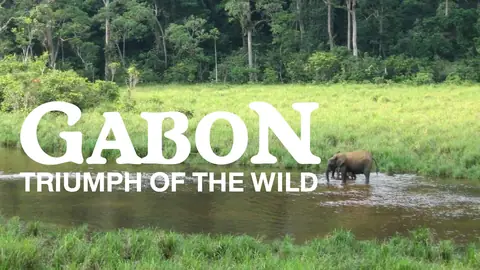 Gabon - Triumph of the Wild1 episode · 60 min eachPrep 1
- What it is about
- Journey into the dense rainforest of Gabon in central Africa, a forest almost no one has reached. Amazing and varied life shares the same forest.
- Skills practiced
- Global citizenship
- Before you watch
- Look for the different ways the animals in the forest live.
- Ask after watching
- How is a forest few people visit different from the forests near our home?
- Try it
- Draw a forest in layers, from the ground up to the treetops. Place the animals from the show in the layer where they live.
- Talk about it at home
- What does the forest near us give to people? How did your grandparents use it?
- Heads up
- Animals hunting each other, Fighting
16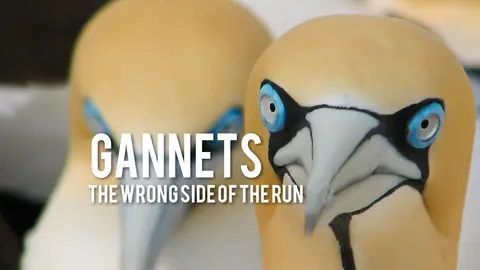 Gannets - The Wrong side of the Run1 episode · 60 min eachPrep 2
- What it is about
- Watch gannets dive into the sea to catch sardines. Millions of the fish gather off the southern coast of Africa.
- Skills practiced
- Critical thinking
- Before you watch
- Watch how the birds fly and dive. Some scenes show animals being hunted, so you can talk about them as they come up.
- Ask after watching
- Why do you think the birds dive so fast? What is your guess?
- Try it
- Make a paper bird and drop it from a height at different angles. Which angle gives the straightest dive?
- Talk about it at home
- Are there birds or animals around us that catch fish? Have your grandparents seen how they do it?
- Heads up
- Animals hunting each other
17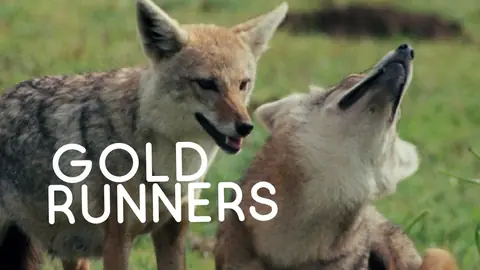 Gold Runners1 episode · 60 min eachPrep 2
- What it is about
- Meet the golden jackal, a clever and cunning animal that survives in fierce competition with other animals.
- Skills practiced
- Critical thinking
- Before you watch
- Watch how the jackal finds food. Some scenes show hunting, so tell us if you want to pause.
- Ask after watching
- What did the jackal do that made you think it was clever?
- Try it
- Play a hide and find game. A friend hides an object, and you search for it using clues, like a jackal following a trail.
- Talk about it at home
- Have we ever known an animal so clever it surprised people? Can your grandparents tell us a story like that?
- Heads up
- Animals hunting each other
18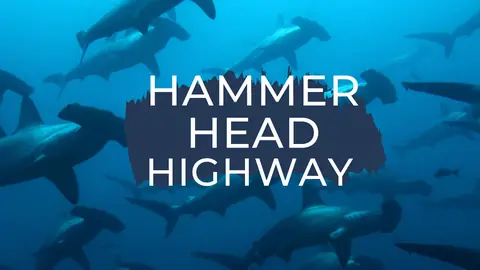 Hammerhead Highway1 episode · 60 min eachPrep 2
- What it is about
- Follow hammerhead sharks as they gather in a huge school. Why is their head so strange, and where is the school headed?
- Skills practiced
- Critical thinking
- Before you watch
- Look closely at the shape of the shark's head. What does it help the shark do? Some scenes show sharks eating fish. If that feels upsetting, tell me.
- Ask after watching
- Why do you think so many sharks gather in one place? What is your guess?
- Try it
- Make a hammerhead shark out of clay or paper. Find out what its head shape helps it do well.
- Talk about it at home
- Are there water animals around us with a strange shape? Have your grandparents ever seen an unusual fish?
- Heads up
- Animals hunting each other
19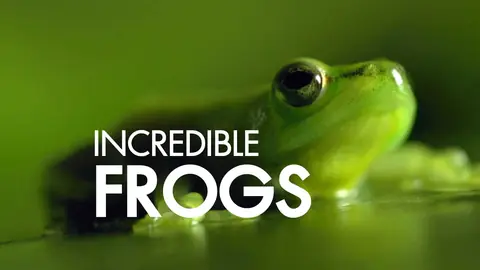 Incredible Frogs1 episode · 60 min eachPrep 1
- What it is about
- Discover amazing frogs, from frogs that blend into their surroundings to tree frogs that glide down from high up to frogs that come back to life after freezing.
- Skills practiced
- Critical thinking
- Before you watch
- Notice how each kind of frog has its own way of staying alive.
- Ask after watching
- Some frogs freeze solid and then come back to life. How do you think that happens?
- Try it
- Play a camouflage game. Find an object that matches the color of the floor or a wall, and see how fast a friend can spot it.
- Talk about it at home
- Does our community have beliefs or stories about frogs or frog songs? What can our grandparents share?
- Heads up
- Animals hunting each other
20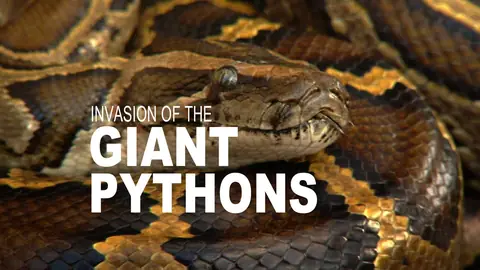 Invasion of the Giant Pythons1 episode · 60 min eachPrep 2
- What it is about
- Learn how Burmese pythons arrived in Florida and multiplied, changing life for the local animals. Other newcomers appear too, like parrots, iguanas, and monitor lizards.
- Skills practiced
- Global citizenship
- Before you watch
- This one has big snakes and scenes where animals are eaten. Say so if it feels like too much. Look for how newcomers settle in.
- Ask after watching
- How do animals from somewhere else and animals that were already there affect each other? What did you see?
- Try it
- Find a plant or animal in your village that came from somewhere else, like the golden apple snail or water hyacinth. Ask an adult where it came from.
- Talk about it at home
- Do we have plants or animals around us that are not from here? Do your grandparents remember when they first arrived?
- Heads up
- Animals hunting each other, Death
21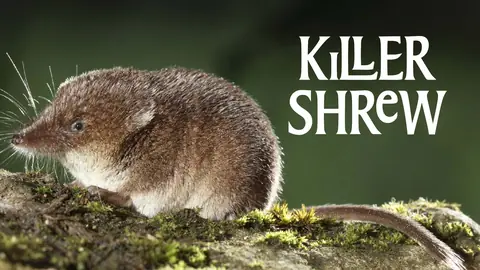 Killer Shrew1 episode · 60 min eachPrep 2
- What it is about
- Meet the shrew, a tiny mammal with sharp teeth. It finds prey the way a bat does, and its venom takes down its meals.
- Skills practiced
- Critical thinking
- Before you watch
- Watch how such a tiny animal finds its prey. Some scenes show hunting, so tell us if you want to pause.
- Ask after watching
- How can an animal this small be a hunter? What do you think?
- Try it
- Close your eyes and have a friend make sounds around you. Point to where each sound comes from, like an animal using sound to find prey.
- Talk about it at home
- Have we ever seen a shrew or a mouse at home? How did your grandparents live alongside them?
- Heads up
- Animals hunting each other
22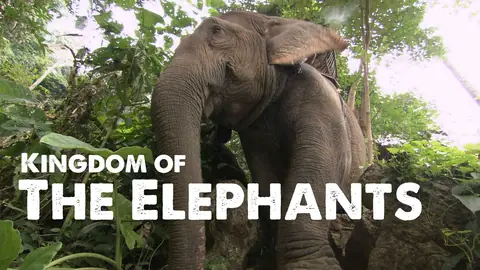 Kingdom of the Elephants1 episode · 60 min eachPrep 1
- What it is about
- Meet Karen families who moved to Thailand and live alongside elephants as mahouts. A young girl is beginning to train as a mahout. The elephant is close to the family, like one of its members.
- Skills practiced
- Global citizenship
- Before you watch
- Notice what the family does each day to live with their elephant. Elephant training is shown, so tell us if it feels like too much.
- Ask after watching
- How do you think an elephant feels while it is being trained? What other ways could people help it feel comfortable?
- Try it
- Think of animals that live with people near you, like cows, buffalo, or dogs. Write what each one does for people and how people care for them in return.
- Talk about it at home
- Do animals help with work in our village? Can our grandparents tell us how people cared for their animals?
- Heads up
- Animals hunting each other
23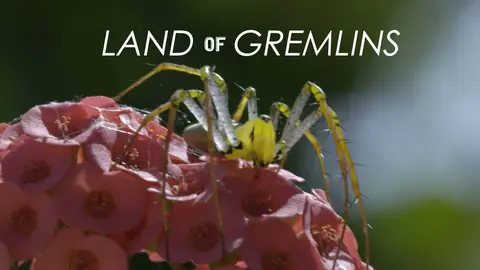 Land of Gremlins3 episodes · 60 min eachPrep 1
- What it is about
- Visit Madagascar, an ancient island of unusual animals, from lemurs to reptiles to cold-blooded hunters. The first episode watches indri lemurs in a park.
- Skills practiced
- Critical thinking
- Before you watch
- Look for how the animals here differ from animals elsewhere.
- Ask after watching
- Why do you think an island cut off from everywhere else has animals found nowhere else? What is your guess?
- Try it
- Draw a strange animal that could live on an island nobody can reach. Tell what it eats and where it lives.
- Talk about it at home
- Are there plants or animals found only around here? Which ones do your grandparents know?
- Heads up
- Animals hunting each other
24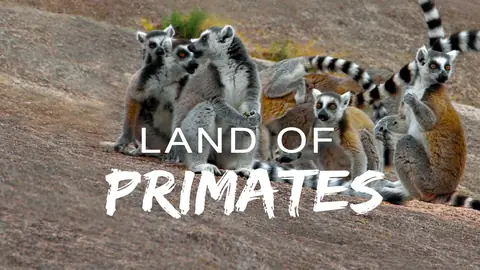 Land of Primates8 episodes · 60 min eachPrep 1
- What it is about
- Follow many kinds of monkeys and apes, from lemurs in Madagascar and baboons in Africa to red colobus monkeys in Zanzibar. The Ring Tailed Lemurs episode shows life in a big group.
- Skills practiced
- Communication and teamwork, Critical thinking
- Before you watch
- Notice what role each monkey plays in its group.
- Ask after watching
- What do you think happens if one monkey doesn't do its part for the group?
- Try it
- With friends, split up the jobs for a small project, like building a paper tower. Then talk about how each person helped.
- Talk about it at home
- In our community, who does which job for everyone? How was it different when our grandparents were young?
- Heads up
- Animals hunting each other, Death, Fighting
25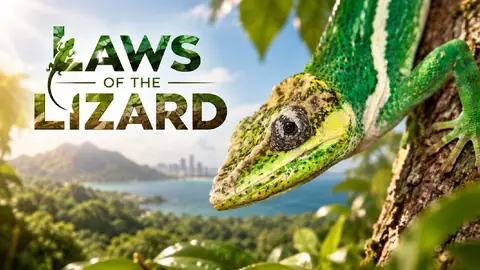 Laws of the Lizard1 episode · 60 min eachPrep 1
- What it is about
- Follow many kinds of lizards and the changes in their lives. Each has special features and abilities that help it get through a changing world.
- Skills practiced
- Critical thinking
- Before you watch
- Notice how each lizard has its own way of staying alive.
- Ask after watching
- Which ability do you think helps a lizard survive the most? Why?
- Try it
- Make a chart comparing 3 lizards from the show. Write what is special about each and where it lives.
- Talk about it at home
- What reptiles live around our home? What do our grandparents call them?
- Heads up
- Animals hunting each other
26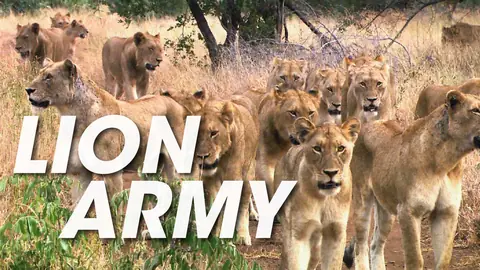 Lion Army1 episode · 60 min eachPrep 2
- What it is about
- Meet a huge lion pride in Kruger National Park that is nearing a breaking point. The females can't find enough food without males to help.
- Skills practiced
- Communication and teamwork
- Before you watch
- This one has hunting scenes and animals that die. Say so if it feels like too much. Watch how the lionesses work together.
- Ask after watching
- If you were in the pride, how would you help when food ran short?
- Try it
- Play a game that takes teamwork, like moving a ball without using your hands. Talk about when your team worked best.
- Talk about it at home
- Has there been a time when food or money was short in our family? How did everyone help? Can our grandparents tell us about it?
- Heads up
- Animals hunting each other, Death, Fighting
27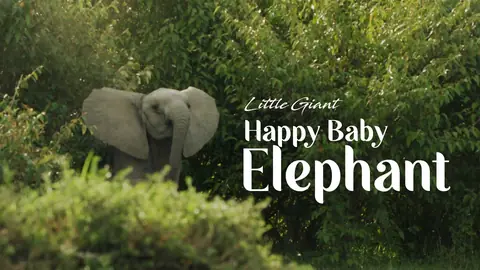 Little Giant - Happy Baby Elephant1 episode · 60 min eachPrep 1
- What it is about
- Follow a baby elephant and its family through the dry season. They search for water and food when the rains don't come, and they watch out for predators.
- Skills practiced
- Emotional intelligence
- Before you watch
- Notice how the elephant family decides which way to walk, and how they seem to know.
- Ask after watching
- How do you think the big elephants know where to go to find water? What is your guess?
- Try it
- Draw a simple map of the way to a water source near your home. Ask an adult where people got their water in the old days.
- Talk about it at home
- Has our home ever run short of water? Do our grandparents know where the village water comes from?
- Heads up
- Animals hunting each other, Death
28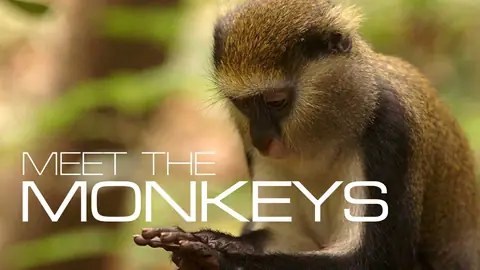 Meet The Monkeys1 episode · 60 min eachPrep 1
- What it is about
- Meet the crested black macaques of Sulawesi. They are clever, curious, and full of charm, even though they are small.
- Skills practiced
- Critical thinking
- Before you watch
- Notice how the monkeys show each other how they feel.
- Ask after watching
- How is the way monkeys show feelings like or unlike the way people do?
- Try it
- Record 3 ways people in your home show their feelings. Draw them next to the monkey faces you saw.
- Talk about it at home
- How do people in our family show how they feel? How do our grandparents show it when they are happy or sad?
- Heads up
- Animals hunting each other
29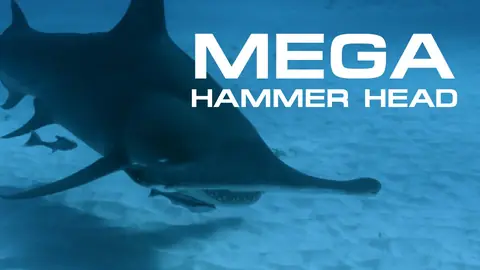 Mega Hammer Head1 episode · 60 min eachPrep 1
- What it is about
- Join shark researchers as they attach trackers to giant hammerhead sharks. They want to learn how these animals live.
- Skills practiced
- Critical thinking
- Before you watch
- Notice how the researchers collect their information.
- Ask after watching
- What can tracking a shark tell us that just watching it can't?
- Try it
- Watch a friend or an animal on the playground for 10 minutes. Then draw the path it took on paper.
- Talk about it at home
- How do we keep track of nature at home, like floods or the start of the rainy season? What signs do your grandparents use?
- Heads up
- Animals hunting each other
30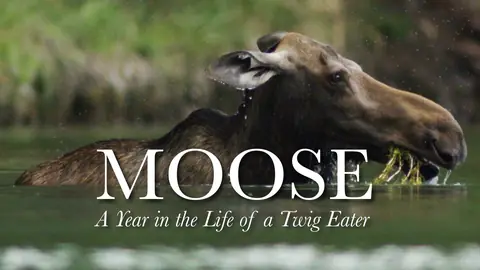 Moose a Year in the Life of a Twig Eater1 episode · 60 min eachPrep 1
- What it is about
- Meet the moose of the Canadian Rockies. Follow a one-year-old calf as it learns about life and grows up.
- Skills practiced
- Emotional intelligence
- Before you watch
- Notice what the calf learns from its mother and what it figures out by trying.
- Ask after watching
- What did the calf have to learn on its own, and what did it learn from its mother? What do you think?
- Try it
- Tell a friend about something you learned by trying it yourself. Ask if they have learned something that way too.
- Talk about it at home
- What do the grown ups in our family teach with words, and what do we learn only by doing? What did our grandparents learn by doing?
- Heads up
- Animals hunting each other, Death
31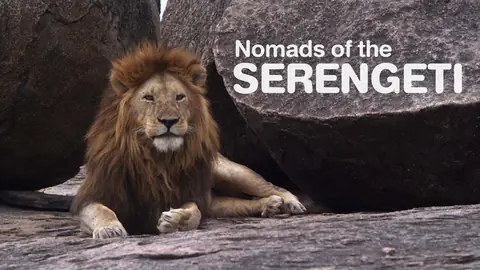 Nomads of the Serengeti5 episodes · 60 min eachPrep 2
- What it is about
- Follow the journeys of animals across the Serengeti: wildebeest crossing the Mara River, elephants in a volcano crater, Mount Kilimanjaro, chimpanzees, and the Maasai people.
- Skills practiced
- Critical thinking
- Before you watch
- Count which animals have to get past something dangerous. Some scenes show animals being hunted.
- Ask after watching
- What does a long, risky journey give an animal, and what does it cost? What do you think?
- Try it
- Draw a map of a herd's journey. Mark where the food is and where the danger is. Tell a friend which way you would lead the herd.
- Talk about it at home
- Has someone in our family traveled far for work? What did they gain, and what did they give up?
- Heads up
- Animals hunting each other, Death
32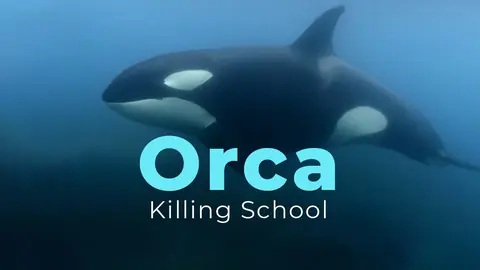 Orca Killing School1 episode · 60 min eachPrep 2
- What it is about
- Watch orcas learn to hunt from the generations before them. They use the push of the water and careful timing to attack. Families work together to teach their young.
- Skills practiced
- Communication and teamwork
- Before you watch
- This one has hunting scenes in the ocean. Say so if it feels like too much. Notice how the older orcas teach the young ones.
- Ask after watching
- How is the way orcas teach different from the way people teach? How is it alike?
- Try it
- Teach a friend or a younger child something without words. Just show them how to do it, then see if they can learn it.
- Talk about it at home
- Who in our family taught us something by showing us? What work did our grandparents learn from their parents by watching?
- Heads up
- Animals hunting each other, Death
33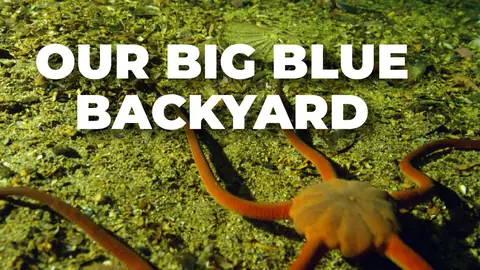 Our Big Blue Backyard4 episodes · 60 min eachPrep 1
- What it is about
- Explore the sea and islands of New Zealand, from a volcanic peninsula to the Chatham Islands, Fiordland, and a chain of volcanic islands.
- Skills practiced
- Critical thinking
- Before you watch
- Think about how each place came to be, like an island that began as a volcano.
- Ask after watching
- How do different homes lead to different animals in each place?
- Try it
- Draw a cross section of a place you like. Show the layers of soil, the water, and the animals, then explain it to a friend.
- Talk about it at home
- What natural places are around our home, like mountains or rivers? Can our grandparents tell us how they came to be?
- Heads up
- Animals hunting each other, Death
34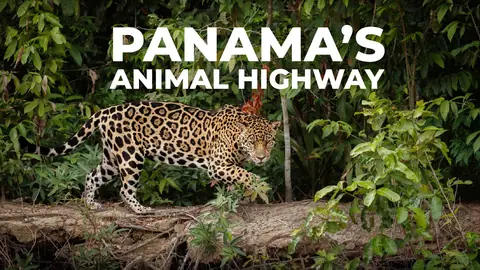 Panama's Animal Highway1 episode · 60 min eachPrep 1
- What it is about
- Travel through the forests of Panama, which are under pressure. Follow jaguars and other animals as they cross the forest to find food and mates.
- Skills practiced
- Global citizenship
- Before you watch
- Think about how a forest cut into pieces makes it harder for animals to travel.
- Ask after watching
- If we had to build a crossing so animals can get over a road, what should we do? Who should be responsible?
- Try it
- Design an animal crossing for your village. Draw where it should go and what it should be made of.
- Talk about it at home
- Have animals been hit by cars near our village? What do our grandparents think about it?
- Heads up
- Animals hunting each other
35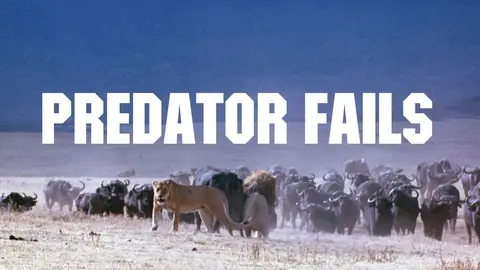 Predator Fails3 episodes · 60 min eachPrep 2
- What it is about
- Watch hunters that rely on speed, smarts, and changing tactics, and see what happens when a hunt fails. The action ranges across land and sea.
- Skills practiced
- Critical thinking
- Before you watch
- This one has hunting scenes. Say so if it feels like too much. Count how many times the hunters succeed and how many times they miss.
- Ask after watching
- What does a hunter do after a hunt fails? What did you see?
- Try it
- Play a game of tag. One friend is the hunter and one is the prey. Count how many catches the hunter makes and talk about why it missed the others.
- Talk about it at home
- Has someone in our family made a mistake and learned from it? Can our grandparents share a story like that?
- Heads up
- Animals hunting each other, Death
36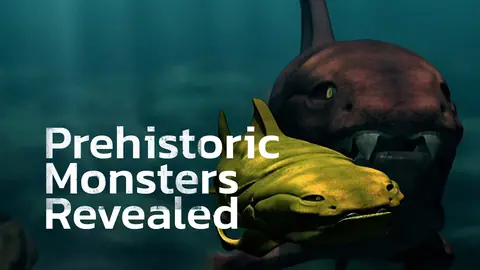 Prehistoric Monsters Revealed1 episode · 90 min eachPrep 1
- What it is about
- Meet dinosaurs from different eras that adapted to become great hunters, and learn about the great extinctions.
- Skills practiced
- Critical thinking
- Before you watch
- Notice how dinosaurs from different eras differ, and how they differ from animals today.
- Ask after watching
- What do the big events that ended the dinosaurs tell us about our planet?
- Try it
- Make a simple timeline on a long strip of paper. Put 3 dinosaurs in order by era and add the big events.
- Talk about it at home
- When your grandparents were young, did they hear local stories about giant animals? How did they tell them?
- Heads up
- Animals hunting each other, Death, Scary scenes
37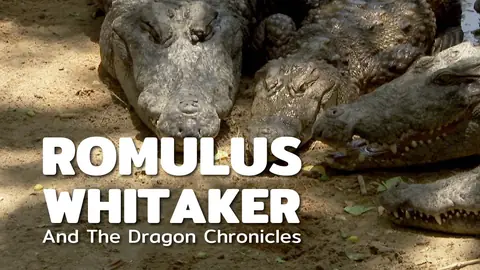 Romulus Whitaker And The Dragon Chronicles1 episode · 60 min eachPrep 1
- What it is about
- Follow explorer Romulus Whitaker as he searches for where the dragon legends began. He finds a real animal, the Komodo dragon, and learns it faces serious risks.
- Skills practiced
- Critical thinking
- Before you watch
- Notice how the show talks about dragons in legends and dragons in real life.
- Ask after watching
- How are the legends and the real animals alike or different? Why do you think people tell dragon stories?
- Try it
- Ask 2 adults about a legendary animal they have heard of. Write how it compares to a real animal that looks similar.
- Talk about it at home
- What stories about legendary animals do we have at home? Can your grandparents share them?
- Heads up
- Animals hunting each other, Scary scenes
38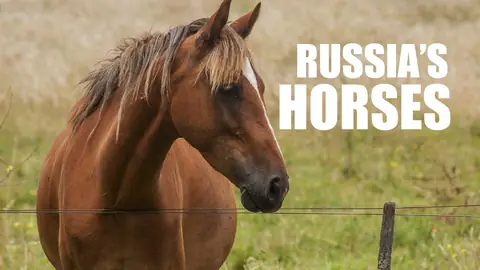 Russia's Horses5 episodes · 60 min eachPrep 0
- What it is about
- See the bond between people and horses in Russia, from Bashkir families who rely on horses to a revived horse guard, horse breeding, and horses in the far cold north.
- Skills practiced
- Global citizenship, Emotional intelligence
- Before you watch
- Notice how the people in the show depend on horses in their daily lives.
- Ask after watching
- What do you think would happen if people and the animals that help them stopped living together?
- Try it
- Ask an adult in your community what animals they used for work. Do they still use them? Write half a page about it.
- Talk about it at home
- Is there an animal in our family that feels like a family member? Can our grandparents tell us about an animal they were close to?
39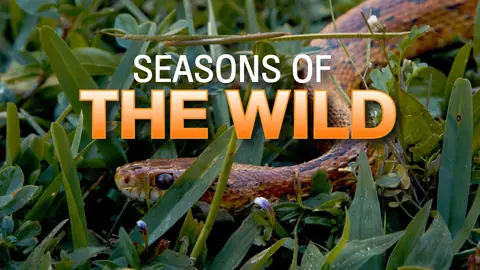 Seasons of the Wild2 episodes · 60 min eachPrep 1
- What it is about
- Watch the wildlife of Florida's Everglades National Park through the dry season and the wet season.
- Skills practiced
- Critical thinking
- Before you watch
- Notice how changing water levels change where animals live or how they feed.
- Ask after watching
- How does the dry season make animals compete? What stood out most to you?
- Try it
- Write down the water level at a pond or ditch near home after rain and in the dry season. Compare which animals you see.
- Talk about it at home
- Who around our home feels the dry season most? How did our grandparents get through it?
- Heads up
- Animals hunting each other
40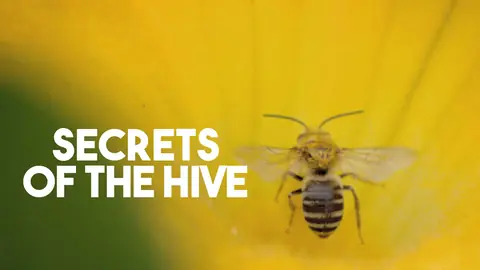 Secrets of the Hive1 episode · 60 min eachPrep 0
- What it is about
- Learn about the shortage of bees on farms that depend on insects to pollinate crops. Scientists are working to find out what caused it.
- Skills practiced
- Critical thinking
- Before you watch
- Guess which foods we eat depend on bees. Then see what the show says.
- Ask after watching
- If bees disappeared, what would change in your life? What are your reasons?
- Try it
- List 3 foods your family eats. Ask an adult whether bees or other insects help those plants grow.
- Talk about it at home
- Have bees or other insects helped the gardens or farms around our home? What did our grandparents notice?
41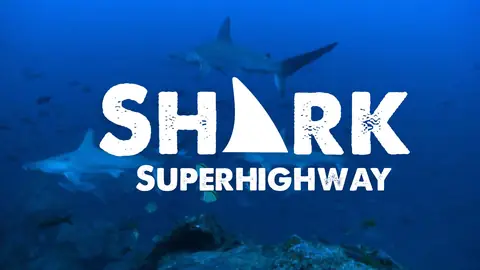 Shark Superhighway1 episode · 60 min eachPrep 2
- What it is about
- Dive deep to search for the hidden routes sharks follow through waters nobody has explored.
- Skills practiced
- Critical thinking
- Before you watch
- This one has sharks and some hunting. Say so if it feels like too much. Notice how the film crew goes about finding the sharks.
- Ask after watching
- Why do you think sharks travel so far? What is your guess?
- Try it
- Draw a route you think sea animals follow. Mark where the food is and where the danger is.
- Talk about it at home
- Are there fish or water animals near us that travel with the seasons? Do your grandparents know when the fish come?
- Heads up
- Animals hunting each other
42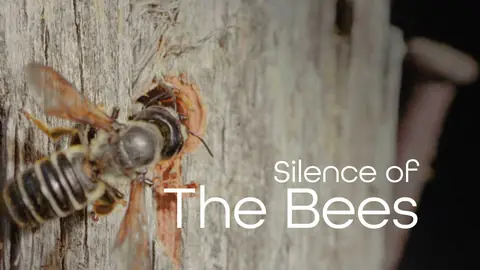 Silence of The Bees1 episode · 60 min eachPrep 1
- What it is about
- In 2006, millions of bees in the United States vanished from their hives without a trace. Crops that need bees to pollinate them suffered. Scientists around the world worked together to find out why.
- Skills practiced
- Critical thinking
- Before you watch
- Many bees die in this one. Say so if it feels like too much. Notice how the scientists look for the cause.
- Ask after watching
- Why did the scientists test one possible cause at a time? If it were you, which would you test first, and why?
- Try it
- This happened in 2006. Look up news or ask your teacher about bees today. Write what we now know that is new or different.
- Talk about it at home
- Does anyone we know keep bees or gather honey? How did people collect it in the old days?
- Heads up
- Animals hunting each other, Death
43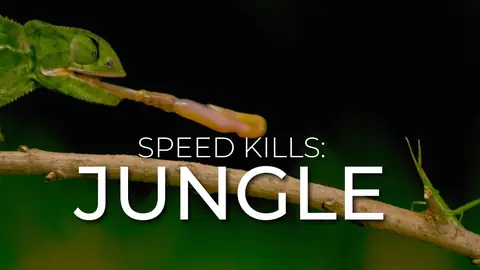 Speed Kills - Jungle2 episodes · 60 min eachPrep 2
- What it is about
- See the speed of hunters in the jungle and in the ocean, with ambushes and silent strikes.
- Skills practiced
- Critical thinking
- Before you watch
- This one has hunting scenes. Say so if it feels like too much. Notice which hunter is fastest and what helps it move so fast.
- Ask after watching
- How does speed help a hunter? Are there other ways to hunt besides being fast?
- Try it
- Time a friend running 10 meters. Compare that with the speed of an animal from the show. How many times faster is the animal?
- Talk about it at home
- Do we know any fast animals around here? What is the fastest runner or flyer your grandparents have seen?
- Heads up
- Animals hunting each other, Death
44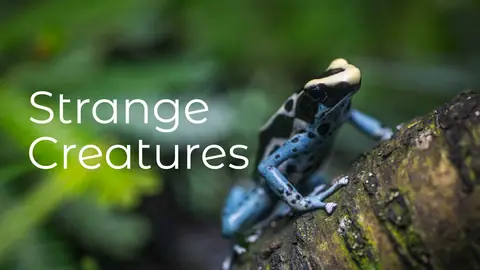 Strange Creatures7 episodes · 30 min eachPrep 1
- What it is about
- Meet many odd animals, from a grasshopper with unusual defenses and a tricky bird to wolf eels, blue beetles, capybaras, and scorpions, all the way to T. rex.
- Skills practiced
- Critical thinking, Media literacy
- Before you watch
- Write down what makes each animal seem strange. Then see how that feature helps it survive.
- Ask after watching
- Which strange feature helps an animal stay alive? What do you think of it?
- Try it
- Find a small, odd looking creature near home. Draw it and write what its special part does for it.
- Talk about it at home
- Is there something in our home that people find strange but that turns out to be useful? What do our grandparents think of it?
- Heads up
- Animals hunting each other, Death
45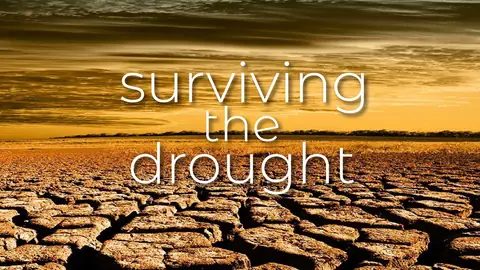 Surviving the Drought1 episode · 60 min eachPrep 2
- What it is about
- See how a drought hits the savanna. Many animals go hungry and thirsty, and they struggle to stay alive.
- Skills practiced
- Critical thinking
- Before you watch
- This one has hungry animals, and some do not make it. Say so if it feels like too much. Notice what the animals do when the water runs out.
- Ask after watching
- When there isn't enough water, what choices do animals have to make? What did you see?
- Try it
- Try to make one glass of water last as long as you can through a day. Write down the decisions you had to make.
- Talk about it at home
- Has our home ever run out of water? Can our grandparents tell us about the hardest dry season they remember?
- Heads up
- Animals hunting each other, Death
46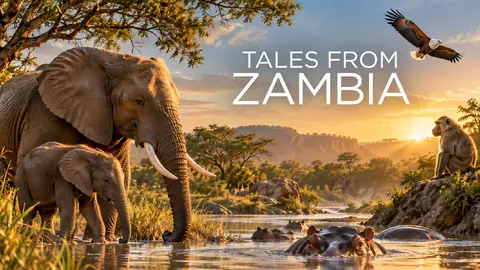 Tales from Zambia14 episodes · 60 min eachPrep 1
- What it is about
- Visit the Luangwa Valley in Zambia and follow elephants, hippos, baboons, lions, birds, and more through a whole year, dry and wet. The Baboon Society episode watches a troop of about 80 along the river.
- Skills practiced
- Critical thinking, Emotional intelligence
- Before you watch
- Notice who does what job in the troop.
- Ask after watching
- How does a big group handle disagreements? What did you see the baboons do?
- Try it
- Think of a time you and your friends disagreed while playing. How did you work it out? Write a few lines about what you did well.
- Talk about it at home
- How do people in our community solve it when they disagree? Can our grandparents tell us?
- Heads up
- Animals hunting each other, Death, Fighting
47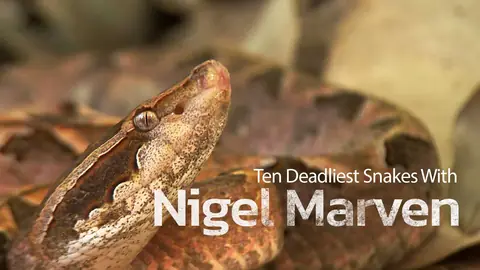 Ten Deadliest Snakes With Nigel Marven8 episodes · 60 min eachPrep 1
- What it is about
- Join Nigel Marven as he ranks venomous snakes in many countries, including Malaysia, Australia, India, Europe, the Philippines, Brazil, Mexico, and Arabia.
- Skills practiced
- Critical thinking
- Before you watch
- Notice what rules the people in the show use to decide which snake is the most dangerous.
- Ask after watching
- How do the rules for ranking make some snakes seem more dangerous than others? Do you agree?
- Try it
- Rank some things in your room from least risky to most risky. Tell a friend what rules you used.
- Talk about it at home
- Which snake do people in our area fear most? What do our grandparents say to do if you meet one?
- Heads up
- Animals hunting each other, Scary scenes, Death
48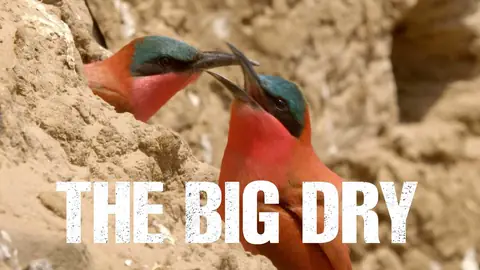 The Big Dry3 episodes · 60 min eachPrep 2
- What it is about
- Follow the dry season in Zambia's Luangwa Valley, from scorching heat to the arrival of the rains, and the start of hard times.
- Skills practiced
- Critical thinking
- Before you watch
- Notice how different animals handle the dry weather in different ways.
- Ask after watching
- Some animals make it and some don't. What do you think makes the difference?
- Try it
- Write down at least 3 things that change around your home or school between the dry and rainy seasons.
- Talk about it at home
- How do we store or save water at home? What did your grandparents do during hard droughts?
- Heads up
- Animals hunting each other, Death
49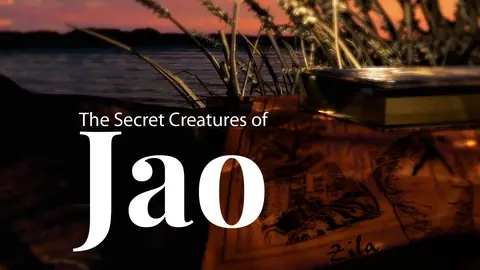 The Secret Creatures of Jao7 episodes · 30 min eachPrep 2
- What it is about
- Meet the animals of Jao Island in an African wetland, such as a mongoose family, otters, and a leopard. Each animal gets a name, and each story is told like its own life. In the first episode, a mongoose family has to find a new home after a leopard attack.
- Skills practiced
- Emotional intelligence, Communication and teamwork
- Before you watch
- Some scenes show animals hunting each other, so tell us if you want to pause. Listen to how the narrator names the animals like characters. How does that feel?
- Ask after watching
- The mongooses each have their own job as they look for food and shelter. What do you think happens if they don't work together?
- Try it
- Watch animals in your village or yard, like ants or chickens. Notice who does what in the group. Write down 3 things.
- Talk about it at home
- When our family has a big job to do, who does what? How did our grandparents split up the work in the old days?
- Heads up
- Animals hunting each other, Death, Fighting
50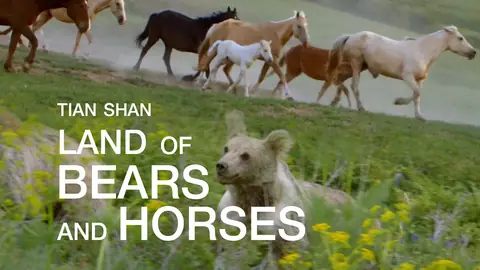 TIAN SHAN - LAND OF BEARS AND HORSES1 episode · 60 min eachPrep 1
- What it is about
- Follow a mother bear and her 2 cubs in the Tian Shan valley of southern Kazakhstan. It is a protected grassland.
- Skills practiced
- Emotional intelligence
- Before you watch
- Notice what problems bears and horses face when they share the same place.
- Ask after watching
- What hard things did the bear family face, and how did the mother decide what to do?
- Try it
- Write a letter from a bear cub to its mother about one day in the valley and how it felt.
- Talk about it at home
- Has a parent in our family looked after a child through a hard time? Can our grandparents tell us what it was like?
- Heads up
- Animals hunting each other, Death
51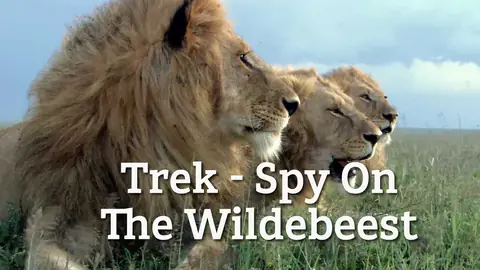 Trek - Spy On The Wildebeest2 episodes · 60 min eachPrep 2
- What it is about
- Follow wildebeest on their migration across Africa. They face hunters and must cross the Mara River.
- Skills practiced
- Creative thinking, Emotional intelligence
- Before you watch
- This one has scenes of animals being hunted. Say so if it feels like too much. Notice how the herd gets ready to cross the river.
- Ask after watching
- How does the herd decide when to cross the river? How do you think the animals feel as they cross?
- Try it
- Think up a new way for the herd to cross the river more easily. Draw it and explain it to a friend.
- Talk about it at home
- Have we ever had to cross a hard place, like a flood? Can your grandparents tell us who helped and how?
- Heads up
- Animals hunting each other, Death
52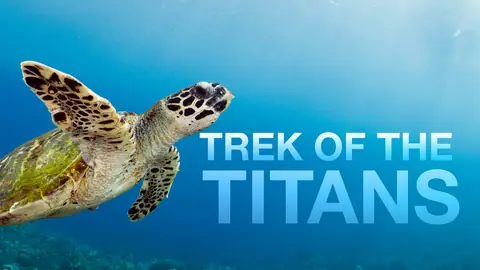 Trek of the Titans1 episode · 60 min eachPrep 1
- What it is about
- Meet giant sea turtles in the deep ocean. Their ancestors lived alongside the dinosaurs. Follow the turtles on their long journey.
- Skills practiced
- Critical thinking
- Before you watch
- Notice how long the turtles spend on their journey.
- Ask after watching
- The turtles travel very far and still find their way back. How do you think that is possible?
- Try it
- Draw a map of the turtle's journey as you saw it. Mark 3 places where it faces danger.
- Talk about it at home
- Are there animals your grandparents say come back to the same place every year, like birds, fish, or turtles?
- Heads up
- Animals hunting each other, Death
53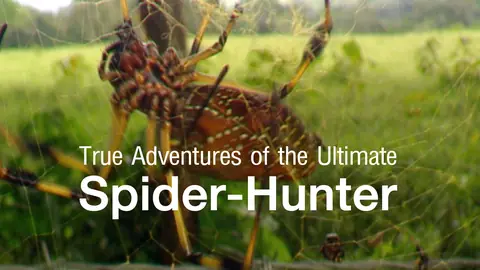 True Adventures of the Ultimate Spider-Hunter1 episode · 60 min eachPrep 1
- What it is about
- Follow a spider expert as he travels in search of many kinds of spiders. He studies how spiders live and the stories people tell about them.
- Skills practiced
- Media literacy
- Before you watch
- Notice whether the stories people believe about spiders match what the expert finds.
- Ask after watching
- What do people often get wrong about spiders, and how can we find out the truth?
- Try it
- Ask 2 adults what they believe about spiders. Then look into which of those things have real evidence behind them.
- Talk about it at home
- What do people in our family believe about spiders or scary bugs? Can our grandparents tell us?
- Heads up
- Animals hunting each other, Scary scenes
54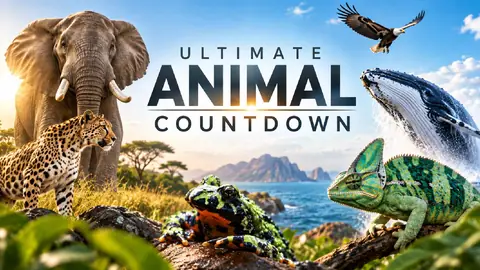 Ultimate Animal Countdown6 episodes · 60 min eachPrep 2
- What it is about
- Count down the top 10 animals in each category, like attackers, defenders, fighters, smelly animals, and venomous animals. The Defenders episode shows how animals protect themselves in tough places.
- Skills practiced
- Critical thinking, Communication and teamwork
- Before you watch
- Notice what rules the show uses to rank the animals.
- Ask after watching
- If you ranked them yourself, would you get the same order? Which would you move, and why?
- Try it
- Rank 10 animals you know in a category you pick, like fastest. Ask a friend to argue with your order.
- Talk about it at home
- Who in our family is best at something, like running fast or cooking? Can our grandparents tell us about the most talented person in the village?
- Heads up
- Animals hunting each other, Death, Fighting
55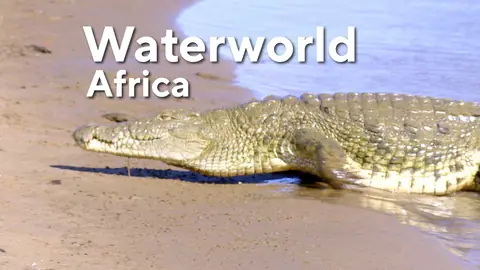 Waterworld Africa8 episodes · 60 min eachPrep 1
- What it is about
- See water in Africa and the animals that depend on it, from mangrove forests and desert oases to penguins, the Chobe River, and the source of a river and its wetlands.
- Skills practiced
- Critical thinking, Global citizenship
- Before you watch
- Notice how water changes the land, in the desert and in the forest.
- Ask after watching
- If the water changed, who would be in trouble first? What do you think?
- Try it
- Draw a chart of water's path from your home to a river or the sea. Add the living things that depend on the water along the way.
- Talk about it at home
- How have the water sources around our village changed since our grandparents were young? What have they seen change?
- Heads up
- Animals hunting each other, Death
56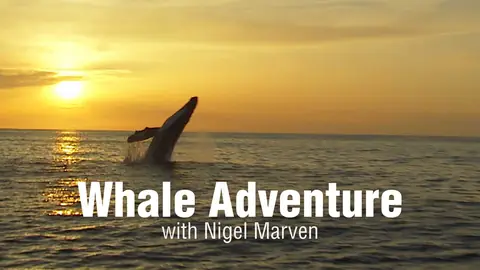 Whale Adventure with Nigel Marven4 episodes · 60 min eachPrep 1
- What it is about
- Nigel Marven swims and travels alongside gray whales on their long migration north to Alaska, passing through California on the way. Four episodes follow the journey of these giants.
- Skills practiced
- Critical thinking, Emotional intelligence
- Before you watch
- Watch how Nigel moves near the whales, and how the whales respond to him.
- Ask after watching
- How close can people and whales get to each other? What rules would you make for it?
- Try it
- Write 3 rules for people who want to watch wild animals without scaring them. Then compare your rules with a friend's.
- Talk about it at home
- Have we ever watched wild animals or sea life together? What rules did Grandma and Grandpa follow around animals?
- Heads up
- Animals hunting each other, Death
57 Wild About New Zealand6 episodes · 60 min eachPrep 0
- What it is about
- Explore the nature of New Zealand, from forests and mountains to glaciers, marine parks, and the volcano Tongariro. Six episodes show a land packed with wonders.
- Skills practiced
- Critical thinking, Global citizenship
- Before you watch
- Notice what makes each place in the show special.
- Ask after watching
- Which place in the show do you think matters most to protect? Why?
- Try it
- Make a poster inviting people to visit a natural place near you. Say what makes it special and how people can help it last.
- Talk about it at home
- Is there a natural place near us that people love to visit? What do Grandma and Grandpa hope it will be like in the future?
58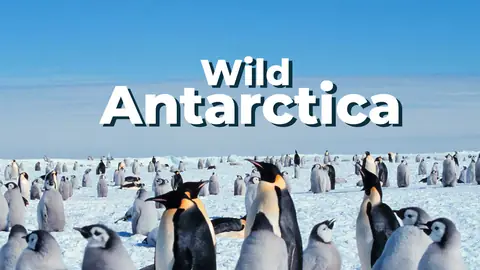 Wild Antarctica1 episode · 60 min eachPrep 1
- What it is about
- Visit Antarctica, the coldest, driest, and most remote continent on Earth. Watch emperor penguins care for their eggs until the chicks hatch.
- Skills practiced
- Critical thinking
- Before you watch
- Notice how the penguin parents share the work.
- Ask after watching
- How does the way penguin parents share the work help their chick survive? What do you think?
- Try it
- Try a simple test to see what keeps something hot, like cloth or paper wrapped around a warm cup. Write down your results.
- Talk about it at home
- How do we share the work of caring for kids at home? Can Grandma and Grandpa tell us who did what when they were young?
- Heads up
- Animals hunting each other, Death
59 Wildlife Icons7 episodes · 60 min eachPrep 1
- What it is about
- Meet famous wild animals of Africa, from the savanna to meerkats, dung beetles, big cats, the Big Five, and scavenging hyenas and lions. Seven episodes cover big and small.
- Skills practiced
- Critical thinking, Communication and teamwork
- Before you watch
- Notice what job a small animal like the dung beetle does for the land.
- Ask after watching
- Do small animals like beetles matter to the wild more than we expect? What are your reasons?
- Try it
- Look for small animals in your yard that help the soil, like earthworms or ants. Watch what they do and write it down.
- Talk about it at home
- Are there small creatures around our home that help with farming? Which ones do Grandma and Grandpa know?
- Heads up
- Animals hunting each other, Death, Fighting
60 World's Weirdest Animal Faces3 episodes · 60 min eachPrep 1
- What it is about
- See some of the strangest animal faces from around the world. Each odd face turns out to be a helpful tool, for hiding, hunting in the sea, and more.
- Skills practiced
- Critical thinking
- Before you watch
- Notice what each animal's face helps it do, like hunt, hide, or find a mate.
- Ask after watching
- What would happen to an animal if its face changed? What do you think?
- Try it
- Find a great hider in your yard, like an insect with camouflage. Draw it and write what it looks like.
- Talk about it at home
- Do we have animals around here that blend in well? Has Grandma or Grandpa ever spotted one hiding?
- Heads up
- Animals hunting each other
61World's Weirdest3 episodes · 60 min eachPrep 1
- What it is about
- Three episodes of odd animal stories. The first looks at animal smuggling, the second at tiny pets such as a dog small enough for a baseball mitt, a miniature pig, and the world's smallest horse. The third meets big pets like water buffalo, pigs, and a giant lizard.
- Skills practiced
- Global citizenship
- Before you watch
- One episode shows animals being taken across borders illegally. If that bothers you, say so. Notice what very small or very large animals need.
- Ask after watching
- How do you think an animal feels when it lives somewhere that is not its natural home? What can people do to keep it comfortable?
- Try it
- List everything one pet needs: food, a home, travel, and care when sick. Compare your list with a pet at your house.
- Talk about it at home
- If we got a new pet, what would we need to think about? Did Grandma or Grandpa ever keep an animal that was hard to care for?
- Heads up
- Animals hunting each other, Death
62 The Worm Hunters1 episode · 60 min eachPrep 0
- What it is about
- Follow worm hunters around the world as they talk about the worm problem. There are thousands of kinds, from Transylvania to Brazil, Estonia, and Australia.
- Skills practiced
- Critical thinking
- Before you watch
- Guess what worms do for soil, then see what the show says.
- Ask after watching
- What do worms do for soil and plants? What do you think would happen without them?
- Try it
- Fill 2 bags with soil, adding earthworms to one. Watch both for 2 weeks and see how they differ.
- Talk about it at home
- Has the soil in our garden or fields changed? What have Grandma and Grandpa noticed about soil and earthworms?
63 Yunnan Adventure with Nigel Marven1 episode · 60 min eachPrep 1
- What it is about
- Nigel Marven travels to Yunnan in China, a kingdom of wildlife. He meets peafowl, snub-nosed monkeys, giant salamanders, black bears, and red pandas, despite pollution problems.
- Skills practiced
- Critical thinking
- Before you watch
- Notice what problems Nigel finds that affect the animals of the forest.
- Ask after watching
- Where do the problems for these wild animals come from? Who should help fix them?
- Try it
- Find some waste around your home or school and think of a way to reduce it. Then try one idea.
- Talk about it at home
- Do we have trouble with trash or dirty water near us? How was it different when Grandma and Grandpa were young?
- Heads up
- Animals hunting each other
64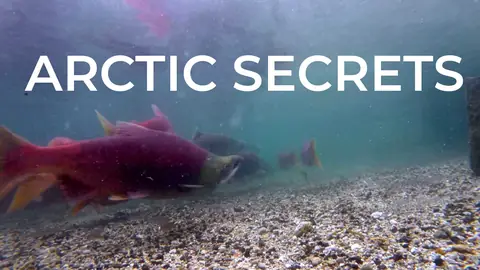 Arctic Secrets3 episodes · 60 min eachPrep 1
- What it is about
- Visit an Arctic that is changing fast. Three episodes travel from Hudson Bay to nearly empty Devon Island, and on to the winter everyone is waiting for.
- Skills practiced
- Critical thinking, Emotional intelligence
- Before you watch
- Notice how the Arctic changes during the show.
- Ask after watching
- What is changing in the Arctic, and how do the animals respond?
- Try it
- Put 2 ice cubes out to melt, one in the sun and one in the shade. Time them and compare.
- Talk about it at home
- Has the weather changed since Grandma and Grandpa were kids? What have they noticed?
- Heads up
- Animals hunting each other, Death
65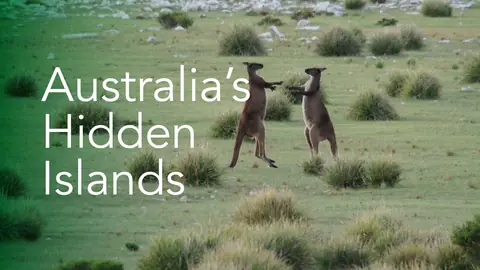 Australia's Hidden Islands4 episodes · 60 min eachPrep 1
- What it is about
- Visit Australia's hidden islands: Lady Elliot Island on the reef, Kangaroo Island, Christmas Island, and Fraser Island, the biggest sand island in the world.
- Skills practiced
- Critical thinking
- Before you watch
- Notice how the animals differ from island to island.
- Ask after watching
- How does living on an island, away from the mainland, change an animal? What do you think?
- Try it
- Draw a map of the 4 islands from the show. Add each island's special animal and write what makes them different.
- Talk about it at home
- Do we have any plants or animals found only in our area? Which ones do Grandma and Grandpa know?
- Heads up
- Animals hunting each other, Death, Blood or dissection
66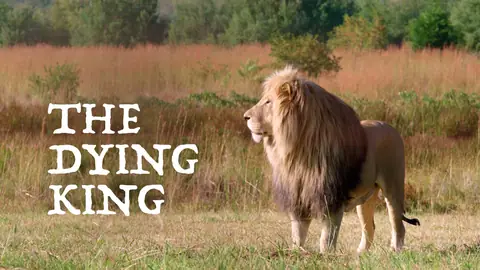 The Dying King1 episode · 60 min eachPrep 2
- What it is about
- Lions in Africa are declining because of people. This film visits South Africa, where people work together to protect lions and speak up against unfair hunting.
- Skills practiced
- Global citizenship
- Before you watch
- Parts of the show deal with lions being hunted. If that bothers you, say so. Notice what the people helping the lions do.
- Ask after watching
- How do you think a lion feels when it is caged or hunted? What could people do so lions can live better?
- Try it
- Make a short poster for the school board. Write what you would say to people if you were a lion.
- Talk about it at home
- When Grandma and Grandpa were young, did we have big wild animals near us? Are they still around?
- Heads up
- Death, Fighting
67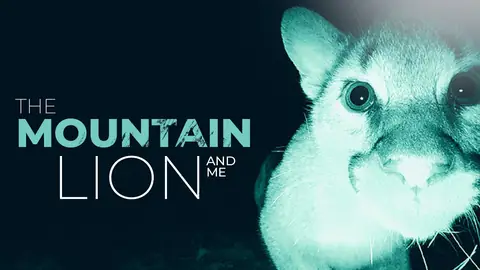 The Mountain Lion and Me1 episode · 60 min eachPrep 1
- What it is about
- A young photographer who loves wildlife searches for a hidden mountain lion in Paradise Valley, near Yellowstone. He watches its life from a distance.
- Skills practiced
- Emotional intelligence
- Before you watch
- Notice how long the photographer waits and follows the mountain lion.
- Ask after watching
- What does watching and waiting for a long time give you that a quick look does not?
- Try it
- Pick one animal or tree near your home. Watch it every day for 5 days and write down something new each time.
- Talk about it at home
- Is anyone in our family good at reading nature? What have Grandma and Grandpa learned by watching for years?
- Heads up
- Animals hunting each other, Death
68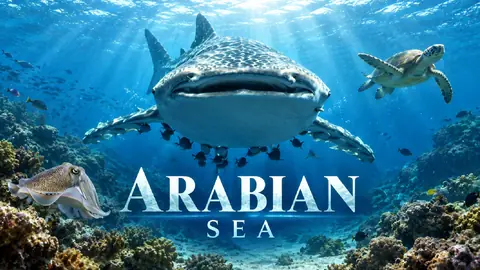 Arabian Sea4 episodes · 60 min eachPrep 2
- What it is about
- Dive into the Arabian Sea in the Indian Ocean. Four episodes show hunters, coral full of tricksters, ocean festivals, and the reef guardians of the Gulf of Oman.
- Skills practiced
- Critical thinking
- Before you watch
- Notice how many kinds of animals live on the reef and what each one does.
- Ask after watching
- Coral is home to many animals. What would happen if the coral disappeared?
- Try it
- Draw a reef in layers. Add the animals you see on each layer and write who depends on whom.
- Talk about it at home
- Does anyone we know work with the sea? Can Grandma and Grandpa tell us what the sea was like long ago?
- Heads up
- Animals hunting each other, Death
69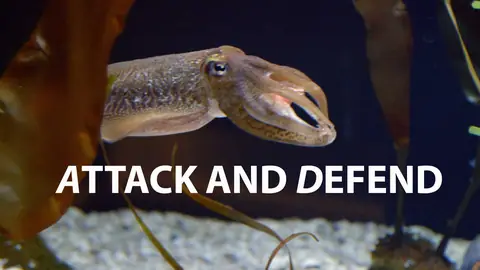 Attack and Defend6 episodes · 30 min eachPrep 2
- What it is about
- See how animals fight and protect themselves. Six short episodes cover legendary hunters, hunters of the sky, insect eaters, cold-blooded killers, masters of defense, and warriors of the sea.
- Skills practiced
- Critical thinking
- Before you watch
- Notice what gives hunters or their prey an edge, and what holds them back.
- Ask after watching
- How does the race between hunter and prey change both of them? What do you see?
- Try it
- Draw a 3 panel comic about what a hunter and its prey are thinking. Then tell it to a friend.
- Talk about it at home
- Do we have something at home we need to guard, like rice from birds? What tricks do Grandma and Grandpa use?
- Heads up
- Animals hunting each other, Death, Scary scenes
70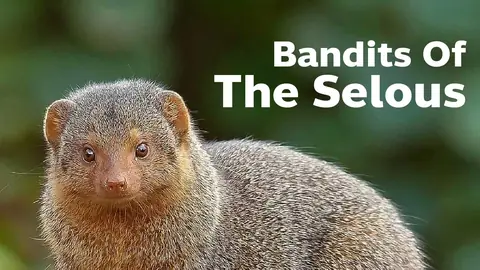 Bandits Of The Selous1 episode · 60 min eachPrep 2
- What it is about
- Meet a brave troop of mongooses in the Selous, Africa's largest reserve. They fight to survive among many hunters.
- Skills practiced
- Communication and teamwork
- Before you watch
- This show has hunters and prey. If that bothers you, say so. Notice what job each mongoose does in the troop.
- Ask after watching
- How does a small animal like a mongoose survive among big hunters?
- Try it
- Play a lookout game. One person is the guard while the others play, then talk about how having a guard helps.
- Talk about it at home
- Who looks out for everyone in our community? Can Grandma and Grandpa tell us how it worked long ago?
- Heads up
- Animals hunting each other, Death, Fighting
71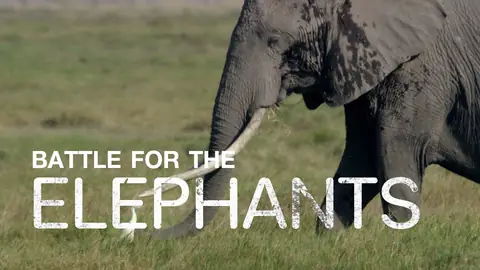 Battle for the Elephants1 episode · 60 min eachPrep 2
- What it is about
- Long ago, millions of African elephants roamed with no enemies. But one weakness put them at risk from people who wanted their ivory.
- Skills practiced
- Global citizenship
- Before you watch
- This show talks about elephants being hunted and dying. If that bothers you, say so. Notice what the elephants do when a family member is gone.
- Ask after watching
- If elephants vanished from the forest, what would happen to other animals and to people? What do you think?
- Try it
- Write a letter to someone who makes decisions about elephants. Say how you feel and what you want them to do.
- Talk about it at home
- Are there elephants near our home or family? What stories about elephants can Grandma and Grandpa tell?
- Heads up
- Death, Fighting, Blood or dissection
72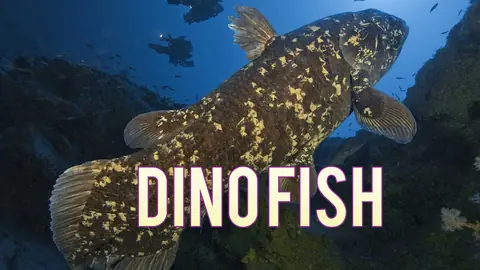 Dino Fish1 episode · 60 min eachPrep 1
- What it is about
- Join a team searching for the coelacanth, a rare fish from the age of dinosaurs. The divers go deep and take real risks before they find one.
- Skills practiced
- Critical thinking
- Before you watch
- Notice what the team does when they are not sure the fish they see is the right one.
- Ask after watching
- What proof would the team need to say they found this fish? What do you think?
- Try it
- Play a detective game. A friend hides an object and gives 3 clues, and you guess what it is.
- Talk about it at home
- Is there something people once thought was not real that turned out to be real? Can Grandma and Grandpa tell us one?
- Heads up
- Death
73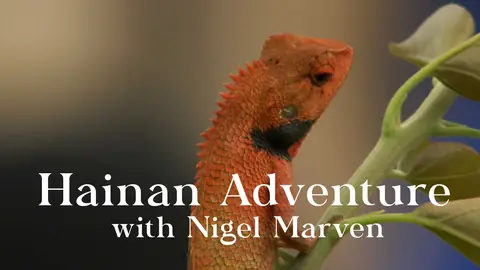 Hainan Adventure with Nigel Marven1 episode · 60 min eachPrep 1
- What it is about
- Nigel Marven goes to Hainan, following the path of explorers from the 1800s. He finds many animals, such as turtles, whale sharks, and macaques.
- Skills practiced
- Critical thinking
- Before you watch
- Notice how explorers long ago and Nigel looked at the animals differently.
- Ask after watching
- How is what explorers saw 100 years ago different from what Nigel sees now? Why do you think so?
- Try it
- Compare an old photo and a new photo of a place in your community. Write what has changed.
- Talk about it at home
- Do we have old photos at home? What changes do Grandma and Grandpa see in them?
- Heads up
- Animals hunting each other
74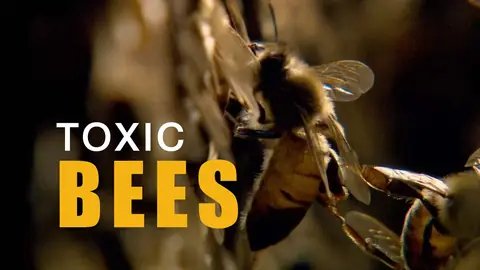 Toxic Bees1 episode · 60 min eachPrep 1
- What it is about
- Since 2006, bees around the world have been dying in large numbers. Researchers found a possible link to leftover pesticides. Affected bees act strangely before leaving the hive. What happens to bees could also affect people who eat fruit and vegetables with these chemicals.
- Skills practiced
- Critical thinking
- Before you watch
- This show talks about chemicals on food and many bees dying. If that bothers you, say so. Watch what the researchers notice in the bees.
- Ask after watching
- How did researchers figure out the cause could be pesticides? What more would you check?
- Try it
- Ask a doctor, nurse, or health worker near you how to wash vegetables well. Write down what they say and share it in class.
- Talk about it at home
- How did Grandma and Grandpa grow vegetables when they were young? What did they use to keep insects away?
- Heads up
- Claims that are not proven
75 Wild Castles4 episodes · 60 min eachPrep 1
- What it is about
- Visit castles in Europe where wild animals live all around. Four episodes cover Heidelberg, a cave castle in Slovenia, the Alhambra in Spain, and Neuschwanstein. See how builders and animals share one place.
- Skills practiced
- Critical thinking, Global citizenship
- Before you watch
- Notice what story each castle tells and how the animals live there.
- Ask after watching
- Why do old places matter to animals and people? What would happen if one fell apart?
- Try it
- Visit a temple or old place in your community with an adult. Ask about its story and write down 3 interesting things.
- Talk about it at home
- What stories do the old places in our village have? Do Grandma and Grandpa want them kept?
- Heads up
- Animals hunting each other, Scary scenes, Sensitive topics (war, religion, politics)
76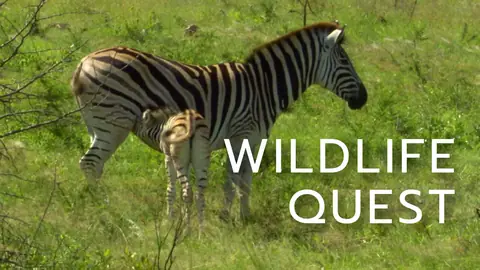 Wildlife Quest8 episodes · 30 min eachPrep 1
- What it is about
- Search for wildlife in KwaZulu-Natal, South Africa. Each short episode focuses on a different animal, such as elephants, rhinos, cheetahs, hippos, penguins, giraffes, leopards, zebras, and lions.
- Skills practiced
- Critical thinking, Emotional intelligence
- Before you watch
- Notice how the searchers find the animals they are looking for.
- Ask after watching
- What does a tracker need to know to find animals? What would you like to learn more about?
- Try it
- Play a tracking game. A friend hides an object and leaves footprints or clues, and you follow them to find it.
- Talk about it at home
- Does anyone we know follow animal tracks, like a fisher or a forest guide? Can Grandma and Grandpa tell us about it?
- Heads up
- Animals hunting each other, Death, Fighting
77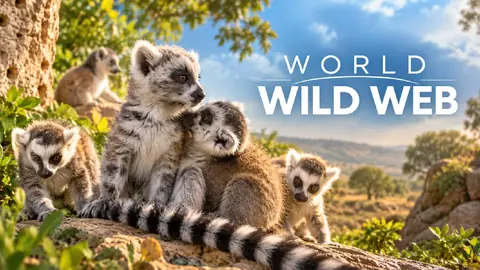 World Wild Web3 episodes · 60 min eachPrep 1
- What it is about
- Follow baby animals in the wild and in zoos, and see the skills each one needs to survive and grow. Three episodes cover playful youngsters, babies of the Serengeti, and a young gibbon learning how.
- Skills practiced
- Critical thinking
- Before you watch
- Notice which baby has to learn the fastest to survive.
- Ask after watching
- What happens if a baby animal does not learn in time? How is that like or unlike kids?
- Try it
- Write down 3 things you taught yourself. Then ask an adult what they taught themselves as a kid and compare.
- Talk about it at home
- Who taught us to ride a bike or swim? What did Grandma and Grandpa learn by trying it themselves?
- Heads up
- Animals hunting each other
78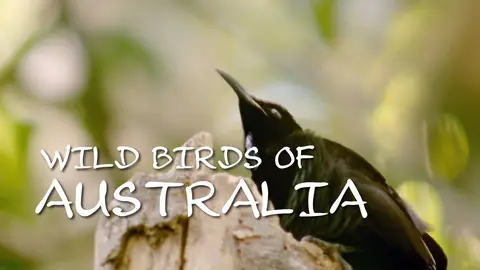 Wild Birds of Australia4 episodes · 60 min eachPrep 1
- What it is about
- Watch the birds of Australia, from little penguins to emus and birds of prey. Four episodes also visit the breeding season of more than 800 kinds of birds.
- Skills practiced
- Critical thinking, Communication and teamwork
- Before you watch
- Notice how each bird lives, like the runners compared with the hunters.
- Ask after watching
- How do different birds share the same place? What do you notice?
- Try it
- Watch birds in your yard for a week. Write down how many kinds you see, when, and what they do, and make a chart.
- Talk about it at home
- Which birds visit or stay near our home? Have Grandma and Grandpa seen the birds change?
- Heads up
- Animals hunting each other, Death, Claims that are not proven
79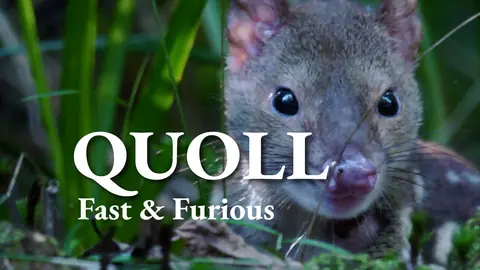 Quoll Fast & Furious1 episode · 60 min eachPrep 1
- What it is about
- Follow conservationists who work to save the quoll, an animal native to Australia and becoming rarer. They track these animals to learn more about them.
- Skills practiced
- Critical thinking
- Before you watch
- Notice how the conservationists track the animals and what information they collect.
- Ask after watching
- A small animal is close to disappearing. Who should help take care of it? What do you think?
- Try it
- Find an animal or plant that is becoming rare in your province. Write 3 ways to help it.
- Talk about it at home
- Is there an animal that used to be common near us but is rare now? Do Grandma and Grandpa know why?
- Heads up
- Animals hunting each other
80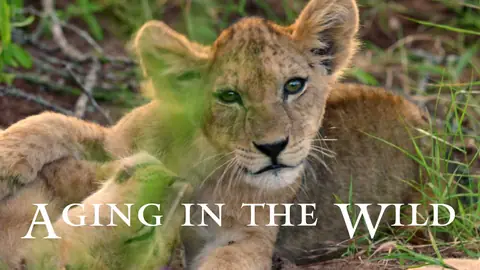 Aging in the Wild5 episodes · 60 min eachPrep 1
- What it is about
- See how wild animals grow old. Five episodes look at long-lived animals, having young, the power of the leader, intelligence, and the last part of life.
- Skills practiced
- Critical thinking, Communication and teamwork
- Before you watch
- Notice how each kind of animal grows old in a different way.
- Ask after watching
- How do older animals help their group? What do you think?
- Try it
- Interview one older person in your community. Ask what knowledge or skills young people should learn, then write a short summary.
- Talk about it at home
- What do the older people in our family know that is not in books? What would Grandma and Grandpa like to teach us?
- Heads up
- Animals hunting each other, Death
81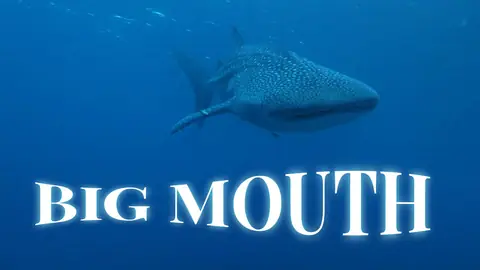 Big Mouth1 episode · 60 min eachPrep 0
- What it is about
- In Oslob, in the Philippines, a friendship grows between whale sharks and divers in a fishing village. But villagers, the town, and conservation groups see the sharks differently, and they disagree.
- Skills practiced
- Global citizenship
- Before you watch
- Notice how the villagers earn a living and how the whale sharks changed their lives.
- Ask after watching
- What does each group want: fishers, tourists, and nature protectors? How do you think the fish feels?
- Try it
- Split into 3 groups: fishers, tourists, and nature protectors. Each says what it wants, then work together to find a plan everyone can accept.
- Talk about it at home
- Does our village have a place or animal that draws visitors? What do people gain and lose? What do Grandma and Grandpa think?
82Africa's Trees of Life3 episodes · 60 min eachPrep 0
- What it is about
- See the trees that keep African animals alive. Three episodes visit the camel thorn tree in the Kalahari Desert, the marula tree, and the sausage tree.
- Skills practiced
- Critical thinking
- Before you watch
- Notice what each tree gives to animals, like shade, fruit, water, or a home.
- Ask after watching
- If this tree disappeared, who would be in trouble? What are your reasons?
- Try it
- Make a chart of the animals that live in one tree at school. Write what each one gets from the tree.
- Talk about it at home
- Is there a tree in our village that everyone uses? What can Grandma and Grandpa tell us about it?
83 Into The Wilderness - Pacific Crest Trail1 episode · 60 min eachPrep 1
- What it is about
- Follow the Pacific Crest Trail, which stretches from Mexico to Canada, through wild country.
- Skills practiced
- Critical thinking
- Before you watch
- Notice what kinds of nature you see along the trail and how they differ.
- Ask after watching
- What can a long journey teach people about nature and about themselves? What are your ideas?
- Try it
- Take a short walking journal around your school or village. Write what you see, hear, and smell that you never noticed before.
- Talk about it at home
- Is there a trail or natural place our family knows well? Can Grandma and Grandpa tell us about an old path?
- Heads up
- Death
84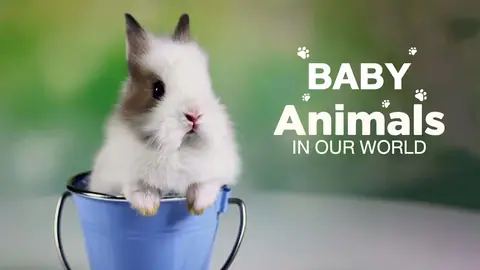 Baby Animals in Our World10 episodes · 30 min eachPrep 0
- What it is about
- Watch baby animals in their first moments of life, including pets, farm animals, zoo animals, city animals, and animals underwater. Ten short episodes show how they start.
- Skills practiced
- Critical thinking
- Before you watch
- Notice how babies in different places, like farms and cities, learn different things.
- Ask after watching
- How do babies growing up in different places live differently? What did you see that shows it?
- Try it
- Compare 2 baby animals, like a chick and a kitten. Make a chart of what they learn and when.
- Talk about it at home
- How has raising animals changed in our home? Can Grandma and Grandpa tell us how it was done long ago?
85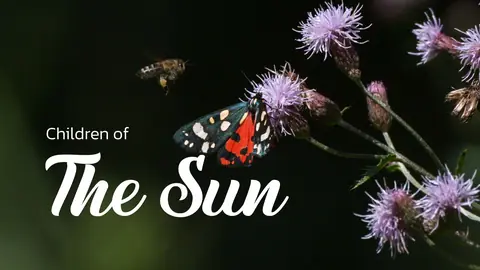 Children of The Sun2 episodes · 60 min each
- What it is about
- See the life cycle of many butterflies, from egg to caterpillar to butterfly. Also meet wild bees in Europe that sleep underground all winter and come out when it warms up.
- Skills practiced
- Critical thinking
- Before you watch
- Before you watch, guess what happens inside a chrysalis.
- Ask after watching
- What does a butterfly's change teach you about life always changing? What do you think?
- Try it
- Raise a caterpillar, or watch a plant where butterflies lay eggs, and write down changes each day. If you have none, watch a tree in your yard.
- Talk about it at home
- In which season do butterflies visit flowers near our home? What changes have Grandma and Grandpa noticed?
- Heads up
- Animals hunting each other, Death
86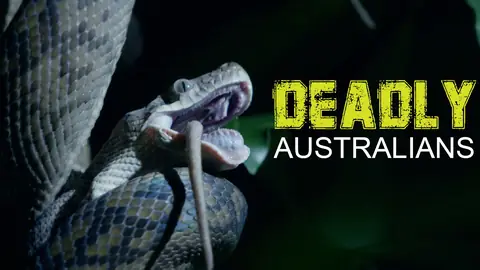 Deadly Australians3 episodes · 60 min eachPrep 2
- What it is about
- Meet the dangerous animals of Australia in their homes: rainforest, wetlands, desert, and ocean. Three episodes show how they live.
- Skills practiced
- Critical thinking
- Before you watch
- This show has dangerous animals and hunting scenes. If that bothers you, say so. Notice what tools each animal has.
- Ask after watching
- How has each dangerous animal adapted to the place where it lives?
- Try it
- Draw an animal from each of the 4 places in the show. Write what makes it fit where it lives.
- Talk about it at home
- Are there places near us with dangerous animals, like a forest, a pond, or a canal? What warnings did Grandma and Grandpa give us?
- Heads up
- Animals hunting each other, Death, Scary scenes
87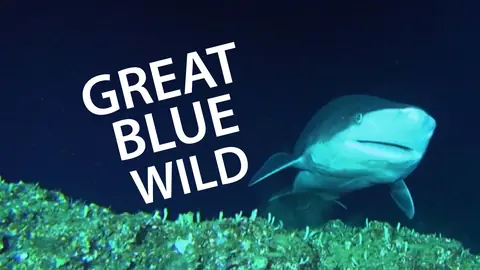 Great Blue Wild13 episodes · 60 min eachPrep 1
- What it is about
- Dive to islands and reefs around the world. The series visits Cocos Island, Belize, the Bahamas, Roatan, Cozumel, manta rays, and the Coral Triangle in Indonesia.
- Skills practiced
- Critical thinking, Global citizenship
- Before you watch
- Notice what is special about each place and what animals live there.
- Ask after watching
- Why do coral reefs matter to sea animals? What happens if the coral dies?
- Try it
- Make a map of the islands in the show. Write which animal lives where, and what is at risk.
- Talk about it at home
- How have our coast or river changed since Grandma and Grandpa were kids? What have they seen change?
- Heads up
- Animals hunting each other, Death
88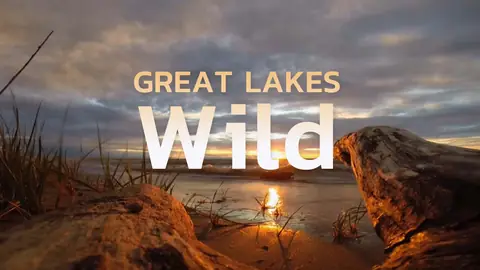 Great Lakes Wild8 episodes · 30 min eachPrep 2
- What it is about
- Explore the nature of the Great Lakes in North America. The episodes cover Isle Royale, invasive lampreys, a rare water snake, turtles, dams, night animals, and elk.
- Skills practiced
- Critical thinking, Global citizenship
- Before you watch
- Notice what people do that affects the animals in the lakes, both good and bad.
- Ask after watching
- When people change an animal's home, like building a dam, how are the animals affected?
- Try it
- Find one way people affect water near your home. Then suggest one way to fix it.
- Talk about it at home
- How has water near us changed because of people? Can Grandma and Grandpa tell us?
- Heads up
- Animals hunting each other, Death, Scary scenes
89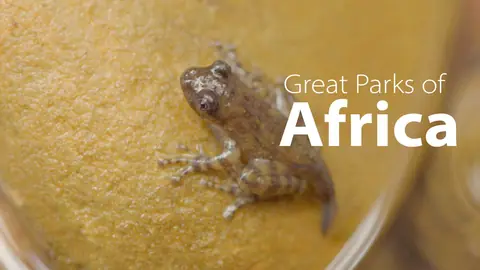 Great Parks of Africa6 episodes · 60 min eachPrep 1
- What it is about
- Visit national parks in southern Africa. Six episodes cover Addo Elephant Park, Table Mountain, the iSimangaliso wetlands, Karoo National Park, the Kalahari, and Chobe.
- Skills practiced
- Critical thinking, Communication and teamwork
- Before you watch
- Notice how the parks help both animals and people.
- Ask after watching
- Who gets a benefit from the parks? Does anyone get hurt by them?
- Try it
- Ask an adult what protected areas are in your province. Write what each one protects and who benefits.
- Talk about it at home
- How do protected forests or lands affect people's lives near us? Can Grandma and Grandpa tell us?
- Heads up
- Animals hunting each other
90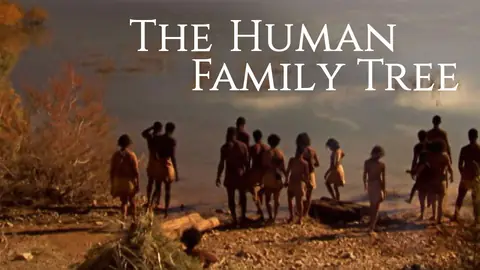 The Human Family Tree1 episode · 60 min eachPrep 0
- What it is about
- One day, one street, and a handful of people. This film uses their DNA to trace the ancient journeys of humankind.
- Skills practiced
- Global citizenship
- Before you watch
- Notice where people in the show think they come from, and what the results say.
- Ask after watching
- How did the test results change what people in the show thought? Why do you think that happened?
- Try it
- Map your family's path. Show where your grandparents lived before they came here, using arrows on a map.
- Talk about it at home
- Where did our family move from before settling here? Can Grandma and Grandpa tell us about moving?
91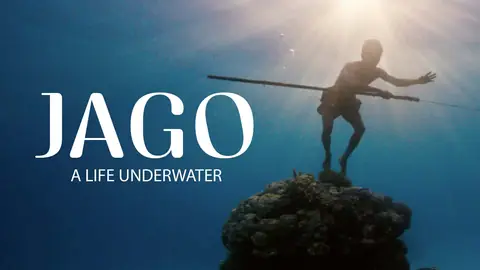 Jago - A Life Underwater1 episode · 60 min eachPrep 1
- What it is about
- Meet an 80-year-old man of the Bajau, a sea people who live in the southwest Philippines and Indonesia. He tells the story of his life from childhood to today.
- Skills practiced
- Global citizenship
- Before you watch
- Notice how the lives of the people in the film are tied to the sea.
- Ask after watching
- What does a life lived with the sea every day teach a person? What do you think?
- Try it
- Interview an adult whose work is tied to nature, like a farmer or fisher. Ask what they have learned from their work.
- Talk about it at home
- Does anyone in our family live close to nature all their life? What do they say? What about Grandma and Grandpa?
- Heads up
- Animals hunting each other, Death
92 Life on the Reef2 episodes · 60 min eachPrep 1
- What it is about
- Life on the Great Barrier Reef in Australia. See sea turtles come ashore to lay eggs, coral releasing eggs together in a single night, and a big storm hitting the coast.
- Skills practiced
- Critical thinking, Global citizenship
- Before you watch
- Notice what each animal on the reef depends on to live. Some animals hunt others in the show.
- Ask after watching
- If you took one animal out of the reef, what would happen to the others? Why?
- Try it
- Pick 5 animals from the show and write their names on paper. Draw lines for who eats whom and who lives with whom. Erase one name and see which lines break.
- Talk about it at home
- What do many people depend on in our home or village? How did Grandma and Grandpa depend on each other long ago?
- Heads up
- Animals hunting each other, Disasters
93 MALAWI and the Lake of Stars1 episode · 60 min eachPrep 1
- What it is about
- Visit Lake Malawi in Africa, home to an amazing variety of fish. Scientists study it to understand how living things change over time.
- Skills practiced
- Critical thinking
- Before you watch
- Notice how the fish in one lake are different from each other.
- Ask after watching
- Why are there so many kinds of fish in one place? What do you think causes it?
- Try it
- Find 5 of one kind of plant or animal at school, like leaves or ants. Look at how they differ, then draw or write it down.
- Talk about it at home
- Do we have different kinds of the same plant or animal, like rice or banana varieties? Why did Grandma and Grandpa choose one?
- Heads up
- Animals hunting each other
94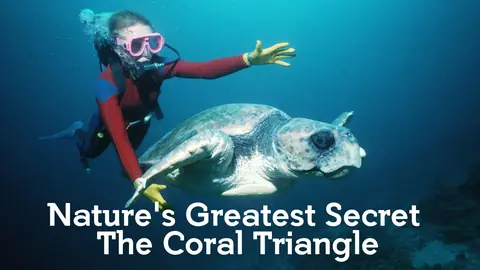 Nature’s Greatest Secret "The Coral Triangle"3 episodes · 60 min eachPrep 1
- What it is about
- Dive into the Coral Triangle, the part of the ocean with the greatest variety of sea life on Earth. Three episodes ask why this place is so rich.
- Skills practiced
- Global citizenship, Critical thinking
- Before you watch
- Notice which animals in this sea you have never seen before.
- Ask after watching
- Why do you think so many animals live in this sea? Make a guess and give your reason.
- Try it
- Find a world map or a map of Southeast Asia and point to this sea. Guess why animals gather here and write down 3 ideas.
- Talk about it at home
- What animals live in the sea or water near us? How was it different when Grandma and Grandpa were young?
- Heads up
- Animals hunting each other, Death
95 Nile The Ultimate River3 episodes · 60 min eachPrep 1
- What it is about
- Follow the Nile from snowy mountains through waterfalls and forests to the desert. Three episodes show the animals and people who live along this river.
- Skills practiced
- Critical thinking, Global citizenship
- Before you watch
- Notice how the river changes as it flows through each place.
- Ask after watching
- Who does this river help? If it had less water, who would struggle first, and why?
- Try it
- Visit a canal or drain near school. See where the water comes from and where it goes, then draw a simple map or ask people nearby.
- Talk about it at home
- Where does the water in our home come from? How did Grandma and Grandpa use water long ago?
- Heads up
- Animals hunting each other
96Ocean Park5 episodes · 60 min each
- What it is about
- Visit marine parks around the world, like Bonaire, the Florida Keys, and Monterey Bay. Five episodes show how ocean life can come back when people take care of it.
- Skills practiced
- Global citizenship, Critical thinking
- Before you watch
- Notice what people here do for the sea and how the sea changes afterward.
- Ask after watching
- If you ran this park, which rule would you make first? Why?
- Try it
- Draft 3 rules for a natural place near school, like a garden or pond. Ask 2 friends if they agree.
- Talk about it at home
- Do we have old rules about using the forest or water? Where did they start, according to Grandma and Grandpa?
- Heads up
- Animals hunting each other
97 Operation Iceberg2 episodes · 60 min each
- What it is about
- Go with scientists to Greenland to study a giant iceberg, from the moment it breaks off a glacier until it melts away. Two episodes follow its whole story.
- Skills practiced
- Critical thinking
- Before you watch
- Notice what the scientists measure and write down.
- Ask after watching
- How do scientists know this iceberg has changed?
- Try it
- Put an ice cube in the sun. Write down the time and measure its size every 10 minutes, then make a simple graph by hand.
- Talk about it at home
- Does anyone in our home keep records of changes, like water level or rainfall? What did Grandma and Grandpa keep track of?
- Heads up
- Animals hunting each other
98 Rise of the Continents4 episodes · 60 min each
- What it is about
- Four episodes tell how the land of each continent formed and moved over a very long time. The clues are still written in the rocks.
- Skills practiced
- Critical thinking
- Before you watch
- Look at a world map and notice that some continent edges look like they fit together.
- Ask after watching
- If land can move, what evidence helps you believe it?
- Try it
- Collect 3 rocks from school or home. Look at the color, texture, and pattern of each, then tell what each rock could have been through.
- Talk about it at home
- Do rocks or mountains near us have stories? Where did Grandma and Grandpa hear they came from?
- Heads up
- Sensitive topics (war, religion, politics), Death
99 RIVER WARRIORS1 episode · 60 min eachPrep 0
- What it is about
- Meet a group of young people who live on a raft in the Mississippi River and clean trash out of the river every day.
- Skills practiced
- Communication and teamwork
- Before you watch
- Notice how the team divides the work and makes decisions when there is a problem.
- Ask after watching
- If the team disagrees on what to do first, how should they decide?
- Try it
- Pick up trash in a small area. Sort it by type, count it, and make a simple chart of what you find most. Guess where it came from.
- Talk about it at home
- Who in our village volunteers for community work? Why do they do it? What did Grandma and Grandpa help with?
100 River without Frontiers1 episode · 60 min eachPrep 1
- What it is about
- The Morava River once divided East and West in Europe. Today it flows through three countries and is home to many wild animals.
- Skills practiced
- Global citizenship
- Before you watch
- Notice where the river flows and whether the animals can cross borders.
- Ask after watching
- Animals do not know about borders. How should countries take care of their homes together?
- Try it
- Draw a map of the paths animals could take through your school or home. Find what blocks their way.
- Talk about it at home
- Do we have relatives or neighbors across a border? How was the border different when Grandma and Grandpa were kids?
- Heads up
- Animals hunting each other, Sensitive topics (war, religion, politics)
101 Rooted5 episodes · 60 min eachPrep 1
- What it is about
- Five episodes tell the lives of great African trees, like the acacia, the sausage tree, and the yellowwood, and the animals that live in them or depend on them.
- Skills practiced
- Critical thinking
- Before you watch
- Notice what the tree gives to animals and what the animals give back.
- Ask after watching
- If this big tree disappeared, who would feel it? Why?
- Try it
- Pick a tree near home. Draw a chart of what lives in it or uses it, and what people use it for.
- Talk about it at home
- Is there a tree in our village that people use or honor? Can Grandma and Grandpa tell us why?
- Heads up
- Animals hunting each other, Claims that are not proven
102 Strange Days on Planet Earth - DANGEROUS CATCH1 episode · 60 min eachPrep 1
- What it is about
- Follow teams of scientists chasing answers to strange puzzles on Earth, like animals and nature changing in ways nobody expected.
- Skills practiced
- Critical thinking
- Before you watch
- Notice how the scientists begin looking for answers when they find something odd.
- Ask after watching
- If you found something strange that no one understood, how would you start? Tell us your steps.
- Try it
- Pick one odd thing near you, like why ants walk in a line. Watch it for 10 minutes and write 3 questions.
- Talk about it at home
- Have we seen strange things in nature at home? What did Grandma and Grandpa wonder about, and how did they find answers?
- Heads up
- Disasters
103 Survive the Tribe3 episodes · 60 min eachPrep 2
- What it is about
- Explorers live with different peoples, like the Samburu in Kenya, the Kazakhs in Mongolia, and the Huaorani in the Amazon. They learn how each place teaches people to survive.
- Skills practiced
- Global citizenship
- Before you watch
- Notice what each group does with what is around them. Some hunting is shown. If that bothers you, say so.
- Ask after watching
- If you stayed with this group for a week, what would be hard? What would you learn from them?
- Try it
- Ask someone at home what skill they learned from a parent or grandparent, like weaving or cooking. Ask them to teach you one thing.
- Talk about it at home
- What do we do at home that has been passed down? Who did Grandma and Grandpa learn from?
- Heads up
- Animals hunting each other, Death, Fighting
104 The Living Beach6 episodes · 60 min eachPrep 1
- What it is about
- Visit beaches around the world: Florida, Nova Scotia, Mexico, Hawaii, Fraser Island, and California. Six episodes show how animals, people, waves, and wind share the sand.
- Skills practiced
- Global citizenship, Critical thinking
- Before you watch
- Notice how waves and tides change the beach.
- Ask after watching
- How do people on the beach adjust to the waves and animals? Would you do the same?
- Try it
- Make a beach in a tray with sand or sawdust. Pour water to make waves and see what changes. Then build a wall and try again.
- Talk about it at home
- Has a beach or canal bank we visit changed since Grandma and Grandpa were kids? What did they see change?
- Heads up
- Animals hunting each other
105 The Secret Life of Ice1 episode · 60 min eachPrep 0
- What it is about
- Ice is clear but can glow with color. It is hard but can flow, and it is strong enough to split rock. Ice is stranger than most people think.
- Skills practiced
- Critical thinking
- Before you watch
- Notice what ice can do that you would not expect.
- Ask after watching
- What did you learn about ice that is different from what you thought? How do you know?
- Try it
- Fill a plastic bottle with water, close it tightly, and freeze it. See how the bottle changes, then explain why.
- Talk about it at home
- Have we seen something crack or swell from ice or cold? Can Grandma and Grandpa tell us?
106Undiscover Vista8 episodes · 60 min each
- What it is about
- Visit amazing natural places in many countries. Eight episodes include mountains in Newfoundland, Chile's Atacama Desert, Bolivia's salt flats, and islands in the Bahamas.
- Skills practiced
- Critical thinking, Global citizenship
- Before you watch
- Notice how the nature here looks different from home.
- Ask after watching
- What made this place the way it is? Make a guess and give your reason.
- Try it
- Pick one place from the show and find it on a map. Compare its weather, rain, and plants with where you live.
- Talk about it at home
- What place in our province do visitors rarely know, but we would love to show them? Which places do Grandma and Grandpa talk about?
- Heads up
- Sensitive topics (war, religion, politics)
107 WILDEST NEW ZEALAND5 episodes · 60 min eachPrep 1
- What it is about
- Five episodes visit New Zealand's animals, like little penguins, creatures of the west coast, and animals living behind fences to protect them from predators.
- Skills practiced
- Critical thinking, Global citizenship
- Before you watch
- Notice how native animals and animals brought from elsewhere are connected.
- Ask after watching
- If we build a fence to protect one animal, but another animal loses its place, what do you think?
- Try it
- Draw a plan for a protected area for small animals in the school garden. Show what you would keep out and what you would let in.
- Talk about it at home
- Do we have plants or animals in our village that came from somewhere else? When did they come, according to Grandma and Grandpa?
- Heads up
- Animals hunting each other, Death
108 Planet Ant Life Inside The Colony1 episode · 60 min eachPrep 0
- What it is about
- Ants build cities, farm, and dig mines underground. Scientists built a giant glass ant farm with millions of ants to see how they do it.
- Skills practiced
- Communication and teamwork
- Before you watch
- Notice how tiny ants work together without anyone giving orders.
- Ask after watching
- If ants have no boss, how do they know what to do? Make a guess.
- Try it
- Put 2 piles of crumbs apart from each other and watch which pile the ants visit more. Count every 5 minutes and guess why.
- Talk about it at home
- What jobs do we all do at home without being told? How did Grandma and Grandpa help each other long ago?
109 Cherub of the Mist1 episode · 60 min eachPrep 1
- What it is about
- Two red pandas are released into the wild at Singalila National Park in India.
- Skills practiced
- Global citizenship
- Before you watch
- Notice what the people caring for the red pandas prepare before the release.
- Ask after watching
- If an animal raised by people is going back to the wild, what should we get ready for it? Why?
- Try it
- List what a pet would need to learn before living in the wild. Compare it with what a child needs to learn before being on their own.
- Talk about it at home
- Have we ever raised or helped a wild animal at home? What stories do Grandma and Grandpa have?
- Heads up
- Death
110 Secret Seychelles - D’ARROS1 episode · 60 min eachPrep 1
- What it is about
- Visit D'Arros Island in the Seychelles, home to giant tortoises, hawksbill turtles, seabirds, dolphins, and many kinds of sharks.
- Skills practiced
- Global citizenship
- Before you watch
- Notice how so many kinds of animals live together on a small island.
- Ask after watching
- If visitors come to this island, what rules should they follow? Why?
- Try it
- Pick 3 animals from the show and look up what each needs from the island. Write one rule for tourists for each animal.
- Talk about it at home
- Is there a place near us where visitors need to be extra careful? Can Grandma and Grandpa tell us how it has changed?
- Heads up
- Animals hunting each other
111 Garden of the Gods1 episode · 60 min eachPrep 1
- What it is about
- This film travels to Greece, a land of ancient temples, old ruins, and stories of the gods. Wild plants and animals still thrive there too. Nature and old legends share the same places.
- Skills practiced
- Critical thinking
- Before you watch
- Notice how nature and ancient stories live side by side in the same places.
- Ask after watching
- People long ago told stories of gods living on mountains and in trees. What do you think they wanted to tell us?
- Try it
- Pick a natural spot near home that has a story. Ask an adult how the story goes. Then draw it as a three panel comic.
- Talk about it at home
- Is there a place in our community with a legend or an old story? What did our grandparents hear about it?
- Heads up
- Animals hunting each other, Sensitive topics (war, religion, politics)
112 The Death of The Oceans1 episode · 60 min eachPrep 1
- What it is about
- Sir David Attenborough takes you deep under the sea, home to amazing living things. He explains that the oceans are in danger as the number of people grows. He also shows how we can help life under the sea.
- Skills practiced
- Global citizenship
- Before you watch
- Notice which animals live in the sea and what has changed, according to the narrator.
- Ask after watching
- How has the ocean changed? How do you think the animals in the sea feel about those changes?
- Try it
- This film was made some time ago. With an adult or teacher, look up a news story about the ocean today. Compare it to the film and write down 3 things that changed.
- Talk about it at home
- Did we ever eat sea fish or visit the sea? When our grandparents were young, what were the fish and the sea like?
- Heads up
- Death
113 Attenborough's Ark1 episode · 60 min eachPrep 1
- What it is about
- Sir David Attenborough picks 10 animals he most wants to save from disappearing forever. Some are strange and some are beautiful. Each one has a story worth knowing.
- Skills practiced
- Global citizenship
- Before you watch
- Jot down any animal they have never heard of before.
- Ask after watching
- If you had to choose 10 animals to save, how would you decide? Why?
- Try it
- List 5 local animals you think we should protect. Rank them and give a reason for each. Ask an adult if they agree with your order.
- Talk about it at home
- What animal did people in our village once see all the time but rarely see now? Can our grandparents tell us why it went away?
- Heads up
- Death
114 Victoria Falls - The Smoke That Thunders1 episode · 60 min eachPrep 1
- What it is about
- This film shows life along the Zambezi River through the eyes of a local fisherman. Victoria Falls thunders in the background. You see how a river shapes a person's days.
- Skills practiced
- Emotional intelligence
- Before you watch
- Notice what the fisherman does with the river each day.
- Ask after watching
- If the river changed, how would his life change? How do you feel about that?
- Try it
- Talk with someone in your community who works with water. Ask how they use it and what they worry about. Then write or draw a short story about it.
- Talk about it at home
- Did our family or relatives ever make a living from a river or canal? Can our grandparents tell us about it?
- Heads up
- Animals hunting each other, Death
115 The Secret Life of Rock Pools1 episode · 60 min eachPrep 1
- What it is about
- Scientists explore the tiny pools of water between rocks at the seashore. Many small, unusual creatures live hidden there.
- Skills practiced
- Critical thinking
- Before you watch
- Notice what the animals in the pools have to put up with when the tide goes out and the sun beats down.
- Ask after watching
- These animals live in a place that changes every day. How do you think they manage? Make a guess and tell me why.
- Try it
- Find a small spot in your yard, like under a rock or a pile of leaves. Count the tiny animals you find. Compare a shady spot with a sunny one.
- Talk about it at home
- Where around our home do small animals like to live? What have our grandparents noticed about them?
- Heads up
- Animals hunting each other
116 What's Wrong With Our Weather1 episode · 60 min eachPrep 1
- What it is about
- Months of powerful storms hit Britain and left millions of people struggling. Before that came a winter with record cold. Weather scientists and ocean scientists search for why the weather is getting more extreme, and whether global warming plays a part.
- Skills practiced
- Critical thinking
- Before you watch
- Listen for the questions people ask about the weather in the film.
- Ask after watching
- If the weather gets more extreme, what would you want to find out? Who would you ask first?
- Try it
- This film is a few years old. With an adult or teacher, look up a strange weather story from this year. Then compare it to the film. What is the same, and what is different?
- Talk about it at home
- Has our village ever had a very strong storm? Can our grandparents remember how the rain and weather used to be?
- Heads up
- Disasters
117 Baby Animals in the Wild10 episodes · 30 min eachPrep 1
- What it is about
- Ten episodes follow baby animals in places around the world, like forests, beaches, African grasslands, mountains, deserts, and wetlands. Each episode follows one day in a baby's life.
- Skills practiced
- Emotional intelligence, Critical thinking
- Before you watch
- Notice how mother and baby animals talk to each other without words.
- Ask after watching
- How do animal parents take care of their young in different ways? Which way do you think works best, and why?
- Try it
- Pick 2 animals from the film. Make a chart of what each baby must learn before it can live on its own, who teaches it, and how long it takes.
- Talk about it at home
- When our grandparents were children, who taught them to find food or help around the house? What do we pass down in our family?
- Heads up
- Animals hunting each other
118 Follow Your Cat1 episode · 60 min eachPrep 1
- What it is about
- Scientists put tiny cameras on 10 pet cats to find out where they go and what they do when they leave home. You see how big a cat's territory really is.
- Skills practiced
- Critical thinking
- Before you watch
- Notice how the scientists find out where the cats go.
- Ask after watching
- If you wanted to learn what a pet does when no one is watching, how could you find out without bothering the animal?
- Try it
- Watch one animal near your home for 3 days. Write down the times and places you see it. Then draw a map of its route.
- Talk about it at home
- Do we have animals that roam on their own? Do our grandparents have ways to tell where a pet has been?
- Heads up
- Animals hunting each other
119 The Ocean's Supermum1 episode · 60 min eachPrep 2
- What it is about
- A scientist sets out to uncover the secrets of one of the ocean's most devoted mothers, the Australian sea lion. You see underwater behavior that nobody has ever seen before.
- Skills practiced
- Emotional intelligence
- Before you watch
- Notice everything the mother does for her pup. Some parts are scary. Tell me if you feel uneasy.
- Ask after watching
- The mother has to choose between finding food for herself and caring for her pup. How do you think she feels?
- Try it
- Ask an adult about a time they had to make a hard choice for someone they love. Listen to their story and write down the key words they use.
- Talk about it at home
- Did your mother or grandmother ever give something up for her children? Do we have a story like that in our family?
- Heads up
- Animals hunting each other, Death
120 Planet Parrot1 episode · 60 min eachPrep 0
- What it is about
- This film follows many kinds of parrots that have moved into big cities. They are colorful, loud, and smart, and their numbers grow fast in their new life.
- Skills practiced
- Critical thinking
- Before you watch
- Notice what the city parrots eat, where they live, and who they live with.
- Ask after watching
- If birds from far away moved into our neighborhood, how would you feel? What should we do about them?
- Try it
- Take a half hour walk around school or your neighborhood. Write down where you see birds and what they eat. Then draw a simple map.
- Talk about it at home
- Are there any birds or animals near our home that did not originally live here? Can our grandparents say when they first showed up?
121 Secret Life of the Tasmanian Devil1 episode · 60 min eachPrep 1
- What it is about
- This film is about the Tasmanian devil, a fierce animal whose scary calls echo through the forests of Tasmania. You also see the life of its young, who grow up very fast.
- Skills practiced
- Emotional intelligence
- Before you watch
- Notice what people used to believe about this animal and how that differs from what we know now.
- Ask after watching
- Why do people fear some animals before they know them? Where do you think that fear comes from?
- Try it
- Ask an adult about an animal they once misjudged and later understood better. Draw that animal and write 2 true facts about it.
- Talk about it at home
- Are there beliefs about certain animals in our village? Can our grandparents tell us where those beliefs came from?
- Heads up
- Animals hunting each other, Blood or dissection
122 Secret Life of the Wombat2 episodes · 60 min eachPrep 1
- What it is about
- This film follows wombats in the Australian bush. They sleep by day in burrows they dig themselves, come out at night to feed, and raise their young in a pouch.
- Skills practiced
- Critical thinking, Emotional intelligence
- Before you watch
- Notice what the wombat does to stay safe from animals that hunt it.
- Ask after watching
- Wombats spend most of their time alone. How do you think a wombat knows when it is time to find a mate? Make a guess.
- Try it
- Dig a small burrow in a sandbox or in soft dirt. Put a toy inside and pour a little water over the top. Which kind of burrow keeps the rain out best?
- Talk about it at home
- What animals dig holes near our home? How are things different from what our grandparents used to see?
- Heads up
- Animals hunting each other, Sensitive topics (war, religion, politics)
123 Shamwari15 episodes · 30 min eachPrep 2
- What it is about
- Follow a team of wildlife vets at Shamwari Game Reserve in South Africa as they help animals like rhinos, elephants, and giraffes. The rescues are exciting and sometimes dangerous.
- Skills practiced
- Communication and teamwork, Emotional intelligence
- Before you watch
- Notice the hard decisions the rescue team has to make. In some parts animals are hurt or in danger. Tell me if you feel uneasy.
- Ask after watching
- A baby elephant has lost its mother. Should people help, or let nature take its course? What reasons can you find for each side?
- Try it
- Write a list of what you would need to get ready before rescuing one wild animal. Compare your list with a friend's. Who thought of something you missed?
- Talk about it at home
- Did we or our relatives ever meet an injured wild animal? Can our grandparents tell us what they did?
- Heads up
- Death, Blood or dissection, Fighting
124 Small Talk Diaries10 episodes · 15 min each
- What it is about
- In 10 short episodes, close-up cameras film insects and other tiny creatures. Then cartoons give them voices and jokes, so they can tell about their own behavior.
- Skills practiced
- Critical thinking, Creative thinking
- Before you watch
- Notice where the cartoons make an insect's behavior easier to understand, and where they could mislead us.
- Ask after watching
- If you wrote the script for an insect, which true facts would you include to keep it both accurate and fun?
- Try it
- Pick one local insect. Find 3 true facts about it. Then write a 4 panel comic that uses those facts.
- Talk about it at home
- Which insects do people in our village eat or use? Can our grandparents tell us about it?
- Heads up
- Animals hunting each other, Death, Fighting
125 Super Tiny Animals1 episode · 60 min eachPrep 1
- What it is about
- From teacup Chihuahuas to miniature pigs, more people want very small pets. This film looks at the business behind the trend and talks with people who breed tiny cows, pigs, horses, and goats.
- Skills practiced
- Global citizenship
- Before you watch
- Notice what the very small animals look like and what their owners say about them.
- Ask after watching
- How do you think an animal feels when it is much smaller than normal? What can owners do to keep it comfortable?
- Try it
- Draw a small pet you would like to have. Then write what it needs to be comfortable, like food, a home, and visits to the vet.
- Talk about it at home
- Do we keep small animals or big ones at home? How did our grandparents choose their animals when they were young?
- Heads up
- Death, Blood or dissection
126The Zoo3 episodes · 60 min eachPrep 1
- What it is about
- Three episodes follow the people who work at a zoo. They care for tiger cubs, gorillas, and many other animals that are sick or need help.
- Skills practiced
- Communication and teamwork, Critical thinking
- Before you watch
- Notice how the zoo staff work as a team when an animal is sick. In some parts an animal dies. Tell me if you feel uneasy.
- Ask after watching
- If you had to choose which animal to help first, how would you decide?
- Try it
- Write a care schedule for a pretend class pet. Divide the jobs among 6 friends. Then talk about whether anyone got a job that was too easy or too hard.
- Talk about it at home
- Does anyone in our family work with animals? What stories do they tell?
- Heads up
- Blood or dissection, Death
127 Too Cute12 episodes · 60 min eachPrep 0
- What it is about
- Twelve episodes follow puppies and kittens of many breeds. You watch them from birth until they are big enough to explore the world and move to new homes.
- Skills practiced
- Emotional intelligence, Critical thinking
- Before you watch
- Notice what the babies learn in their first month and who teaches them.
- Ask after watching
- If you owned a puppy or kitten, how would you get ready for it? Tell me your plan and why.
- Try it
- Write a care plan for a pet for one week. Who does what and when? How much will it cost? What will you do if money runs short?
- Talk about it at home
- How does our family choose a pet? When our grandparents were young, who made that decision?
128 White Beauty – A Stallion’s Life1 episode · 60 min eachPrep 0
- What it is about
- This film tells the life story of a stallion from one of the oldest horse breeds people have ever kept. Beautiful photography shows a whole life from beginning to end for the first time.
- Skills practiced
- Critical thinking
- Before you watch
- Notice how the horse lives with its herd and when people come into the picture.
- Ask after watching
- How is a horse that people have raised for ages different from a wild horse? Who do you think benefits from keeping horses?
- Try it
- Look up an animal people in your area have kept for a long time, like a water buffalo. Write 3 ways that people and that animal help each other.
- Talk about it at home
- What animals helped with work in our village long ago? How has that changed?
129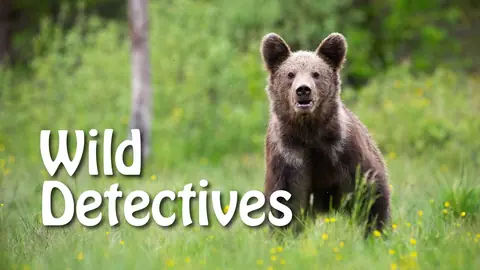 Wild Detectives8 episodes · 30 min eachPrep 1
- What it is about
- In 8 episodes, a team of wildlife detectives sets out to solve animal mysteries. They look into the secrets of bears in Alaska, the calls of blue whales, and many other strange animal stories.
- Skills practiced
- Critical thinking, Communication and teamwork
- Before you watch
- Notice what questions the detectives ask before they start investigating.
- Ask after watching
- If you made a guess and it turned out wrong, what would you do next? Tell me how you would handle it.
- Try it
- Choose a mystery at school, like why birds like one certain spot. Watch for 3 days and write down clues before you decide on an answer.
- Talk about it at home
- Is there an animal mystery at home that nobody has solved? What did our grandparents think caused it?
- Heads up
- Animals hunting each other
130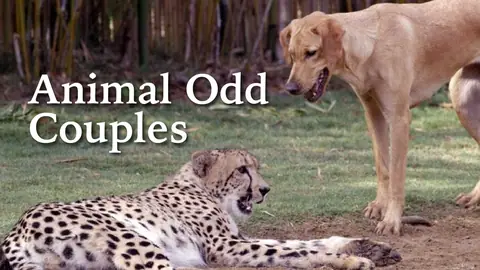 Animal Odd Couples1 episode · 60 min eachPrep 0
- What it is about
- A science presenter travels the world to find out why animals of different species become friends. One example is a cat that adopts ducklings.
- Skills practiced
- Emotional intelligence
- Before you watch
- Notice what brings animals of different kinds together as friends.
- Ask after watching
- What good things and what risks can come from animals of different kinds being friends? Think of both sides.
- Try it
- Write a short letter from one animal to a friend of another kind. Say what you like most about your friend.
- Talk about it at home
- Do we have friends or relatives who are much older or younger than us but very close? Can our grandparents tell us about a friend of a different age?
131Animal Odd Couples1 episode · 60 min eachPrep 1
- What it is about
- A science presenter travels the world to learn why some animals that normally would not get along form bonds. They show friendship and love for each other. Some people even choose unusual animals as companions.
- Skills practiced
- Emotional intelligence
- Before you watch
- Some people in the film keep animals that can be dangerous. Tell me if you feel uneasy. Notice how the animals show trust.
- Ask after watching
- How do you think a wild animal feels living with people? What can people do to keep both people and animals safe?
- Try it
- Watch two kinds of animals that live together near your home, like cows and cattle egrets. Write down how they help each other.
- Talk about it at home
- Do people in our village keep animals like friends? Can our grandparents tell us how it used to be?
- Heads up
- Death, Fighting
132 Fabulous Foals2 episodes · 60 min eachPrep 0
- What it is about
- Two episodes explore the world of horses of many breeds. They focus on the adorable first month of a foal's life.
- Skills practiced
- Critical thinking
- Before you watch
- Notice how the foals of different breeds are not all alike.
- Ask after watching
- A foal has to keep up with the herd from the day it is born. What do you think its body needs to be like?
- Try it
- Look at the babies of 2 local animals, like a chick and a calf. Compare which one can stand and walk sooner. Why do you think that is?
- Talk about it at home
- Do we or our neighbors keep working animals? Can our grandparents tell us how they cared for the babies?
133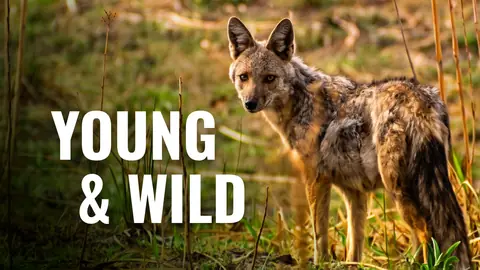 Young & Wild15 episodes · 30 min eachPrep 1
- What it is about
- These episodes follow baby animals in Africa, such as lions, giraffes, rhinos, seahorses, and wild pigs. You see them from birth, bonding with mom, playing, eating, and even fighting.
- Skills practiced
- Critical thinking, Emotional intelligence
- Before you watch
- Notice how the babies learn from their mothers and how they learn by trying things themselves. Some parts show hunting. Tell me if you feel uneasy.
- Ask after watching
- How is animal play different from the way kids play? Where is it the same?
- Try it
- Pick 2 baby animals from the show. Make a chart of what each must learn, how long it takes, and who teaches it.
- Talk about it at home
- When our grandparents were young, who taught them to farm? Who has taught you things at home?
- Heads up
- Animals hunting each other, Death, Sensitive topics (war, religion, politics)
134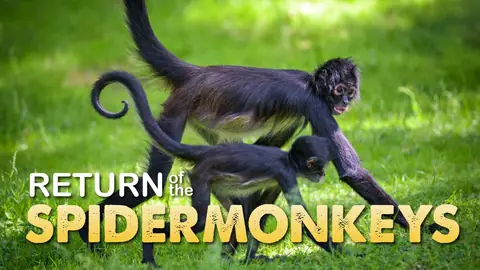 Return of the Spider Monkeys1 episode · 60 min eachPrep 1
- What it is about
- A spider monkey was taken from the forests of Guatemala when she was a baby. After 7 years of recovery, it is time for her to return to the Maya Forest.
- Skills practiced
- Emotional intelligence
- Before you watch
- Notice how people help the monkey get ready to return to the forest.
- Ask after watching
- A monkey that has lived with people for a long time has to learn new things before going back. How can we help?
- Try it
- Write a list of what a monkey needs to practice before living in the forest. Then compare it with what a kid needs to practice before living away from home. What is the same?
- Talk about it at home
- Did anyone in our village ever catch a wild animal and keep it? Can our grandparents tell us about it?
- Heads up
- Death
135 Fish Life4 episodes · 30 min eachPrep 1
- What it is about
- This series looks at life under the sea. You see fish that sleep on the sand at night, colors that help animals hide or find food, and the ways sea creatures care for each other.
- Skills practiced
- Critical thinking, Media literacy
- Before you watch
- Notice how colors and patterns help fish in different ways. Some parts show animals hunting. Tell me if you feel uneasy.
- Ask after watching
- If a fish could change its color, when would it change and why? Make a guess and give a reason.
- Try it
- Look for an insect or leaf that blends in outside. Take a photo or draw it. Then write how its color helps it.
- Talk about it at home
- What colors or patterns have we noticed on the fish we catch to eat? Do our grandparents know where each kind of fish lives?
- Heads up
- Animals hunting each other, Sensitive topics (war, religion, politics), Fighting
136 Ocean Vet9 episodes · 30 min eachPrep 1
- What it is about
- A vet and his team help fish and sea animals in Bermuda, like Galapagos sharks, eagle rays, and tiger sharks.
- Skills practiced
- Communication and teamwork, Critical thinking
- Before you watch
- Notice what the vet team prepares before helping a large animal. Some parts are risky. Tell me if you feel uneasy.
- Ask after watching
- If you had to choose between helping an animal and keeping the team safe, how would you decide?
- Try it
- Write a plan to help an animal in trouble near school, like a baby bird that fell from its nest. Who does what, and in what order?
- Talk about it at home
- Has someone in our family done work that helps others or animals? Can our grandparents tell us how they got ready?
- Heads up
- Animals hunting each other, Fighting, Death
137 Animals at Work15 episodes · 30 min each
- What it is about
- These episodes tell stories of animals with jobs or special talents. A dog helps a magician, a pig races, an elephant plays the drums, and a snake helps kids overcome their fear.
- Skills practiced
- Communication and teamwork, Emotional intelligence
- Before you watch
- Notice how people and animals talk to each other without words.
- Ask after watching
- How much do the jobs these animals do really help people? What do the animals get back? What is your opinion?
- Try it
- Ask an adult what jobs animals once did in your village. Write a short summary of how people thanked the animals.
- Talk about it at home
- The work animals once did in our village, who does it now? Can our grandparents tell us how life has changed?
- Heads up
- Animals hunting each other
138 Extreme Poodles1 episode · 60 min eachPrep 0
- What it is about
- This episode goes inside the world of poodle grooming contests. Groomers turn dogs into eye-catching works of art with cutting, spraying, and dyeing. The winner lands on a magazine cover and takes the title at the poodle contest.
- Skills practiced
- Creative thinking
- Before you watch
- Notice how creative each groomer is and how the dogs behave.
- Ask after watching
- How do you think the dogs feel about being trimmed and dyed? What can people do to keep them comfortable?
- Try it
- Design one haircut for a dog. Write 3 rules to keep the dog from getting hurt or stressed. Then ask a dog owner if they agree.
- Talk about it at home
- Does anyone at home trim or bathe our dogs or cats? Can our grandparents tell us how they cared for pets long ago?
139Inside Life10 episodes · 30 min eachPrep 1
- What it is about
- Go behind the camera with a wildlife film crew. In each of 10 episodes, a guest helps the team on a mission, like filming gibbons in Thailand, tigers in India, and lemurs in Madagascar.
- Skills practiced
- Critical thinking, Communication and teamwork
- Before you watch
- Notice what skills each mission needs, like patience, quiet, or teamwork.
- Ask after watching
- What work goes on behind a documentary that we never see? How do you feel about that work?
- Try it
- Plan a mission to film one small animal in your yard, like a bird or an ant. Write what you need, who does what, and how you will avoid bothering the animal.
- Talk about it at home
- Does anyone in our family do work that takes patience, like fishing or harvesting rice? Can our grandparents tell us about it?
- Heads up
- Animals hunting each other, Scary scenes
140 Walrus Two Tonne Tusker1 episode · 60 min eachPrep 1
- What it is about
- This film tells the story of an 18-year-old walrus. Reproduction scientists try to help him become a father.
- Skills practiced
- Critical thinking
- Before you watch
- Notice how the scientists help the walrus without stressing him out.
- Ask after watching
- If nature does not seem to help an animal have babies, how much should people step in? What do you think?
- Try it
- Write a list of what a large zoo animal needs. Then compare it with what the same animal needs in the wild.
- Talk about it at home
- Have we ever helped animals breed or raised large animals? Can our grandparents tell us about raising water buffalo or cows?
- Heads up
- Sensitive topics (war, religion, politics)
141 Chimp TV - The Chimpcam Project1 episode · 60 min eachPrep 0
- What it is about
- At Edinburgh Zoo, researchers teach chimpanzees to use touch screens and video cameras. The goal is to see how chimps look at the world.
- Skills practiced
- Critical thinking
- Before you watch
- Notice what questions the researchers ask the chimps.
- Ask after watching
- How can we know if a chimp is really choosing, or just pressing buttons at random?
- Try it
- Make a game where a friend chooses objects without being told the rules. See if your friend figures it out. Write down how they learned.
- Talk about it at home
- Is there an animal in our village that is so smart it surprised people? Can our grandparents tell us about it?
142 Wild Mothers and Babies1 episode · 60 min eachPrep 1
- What it is about
- This film is about the first few days after birth. They are the most important days for building a bond between animal parents and their young.
- Skills practiced
- Emotional intelligence
- Before you watch
- Notice how different mothers care for their babies. One part is sad. Tell me if you feel uneasy.
- Ask after watching
- How is the bond between a mother animal and her baby different from a human one? How is it the same?
- Try it
- Write a thank you letter to someone who has cared for you since you were little. You do not have to send it. Just tell them what it means to you.
- Talk about it at home
- Can your mother or grandmother tell you about the day you were born? What stories do we still remember at home?
- Heads up
- Animals hunting each other
143 Snow Babies1 episode · 60 min eachPrep 1
- What it is about
- This film tells the story of baby animals born in the coldest, harshest places on Earth, like baby emperor penguins and polar bear cubs.
- Skills practiced
- Critical thinking
- Before you watch
- Notice what challenges baby animals face in the cold. In some parts an animal dies. Tell me if you feel uneasy.
- Ask after watching
- What helps these young animals survive when they must learn to live in the cold so early?
- Try it
- Fill 2 cups with warm water. Wrap one in cloth and leave the other bare. Check the temperature every 10 minutes. Write what helped keep the warmth in.
- Talk about it at home
- When our grandparents were young, how did they stay warm in the cold? What do we have at home that has been used to keep warm for a long time?
- Heads up
- Animals hunting each other, Death
144 Panda Adventure with Nigel Marven5 episodes · 60 min each
- What it is about
- In 5 episodes, Nigel Marven travels to China to see giant pandas at a breeding center, in the wild, and in zoos. Along the way he meets other rare animals.
- Skills practiced
- Global citizenship, Critical thinking
- Before you watch
- Notice how pandas at the breeding center differ from pandas in the wild.
- Ask after watching
- Does breeding pandas and returning them to the wild work? How can we find out, and what do we still not know?
- Try it
- Ask an adult if there is a local plant or animal that is becoming rare. Write what you think about helping it come back.
- Talk about it at home
- Are there wild animals in our village that are hard to find now? Can our grandparents tell us how many they used to see?
- Heads up
- Sensitive topics (war, religion, politics)
145 Monkey Life15 episodes · 30 min each
- What it is about
- These episodes follow the team at Monkey World in England. They help monkeys and apes that were kept as pets or taken from the wild, like chimps, orangutans, and small monkeys, find new homes.
- Skills practiced
- Emotional intelligence, Global citizenship
- Before you watch
- Notice how the team helps newly arrived monkeys settle in. Some of the monkeys were treated badly before. Tell me if you feel uneasy.
- Ask after watching
- A monkey that lived as a pet for a long time has a lot to learn. What new things does it need to learn, and how can we help?
- Try it
- Write a short guide for a new student in your class. What helps someone feel like part of the group?
- Talk about it at home
- How does our community welcome newcomers? Can our grandparents tell us what traditions people had long ago?
- Heads up
- Death, Blood or dissection, Sensitive topics (war, religion, politics)
146The Wonder of Animals3 episodes · 30 min eachPrep 1
- What it is about
- Three episodes explain animal bodies and their special abilities. See bats that sense the wind with fine hairs on their wings, birds of prey, and elephants.
- Skills practiced
- Critical thinking
- Before you watch
- Notice how each animal's body fits what it does. Some parts show hunting. Tell me if you feel uneasy.
- Ask after watching
- If an animal lost this one body part, what would happen to the way it lives?
- Try it
- Choose one animal from the film. Draw it and label its parts. Then write how each part helps the animal.
- Talk about it at home
- Do we know of any animal with a special skill that helps people? Can our grandparents tell us about it?
- Heads up
- Blood or dissection, Animals hunting each other
147 Do We Really Need The Moon?1 episode · 60 min eachPrep 0
- What it is about
- Real footage and 3D computer images show how different Earth would be if the Moon were not where it is.
- Skills practiced
- Critical thinking
- Before you watch
- Notice what the Moon does to Earth that we usually cannot see.
- Ask after watching
- If there were no Moon, what do you think would change the most? How can we know?
- Try it
- Look at the Moon tonight. Draw its shape at the start and the end of the month. Write down what you see for 10 days.
- Talk about it at home
- Do we do anything at home by the Moon, like farming or fishing? Can our grandparents tell us about it?
148 Engineering Connections2 episodes · 60 min eachPrep 0
- What it is about
- In 2 episodes, Richard Hammond explains the engineering behind Hong Kong's airport built out in the sea and the Sydney Opera House.
- Skills practiced
- Creative thinking
- Before you watch
- Notice how engineers solve problems that seem impossible.
- Ask after watching
- If you had to build an airport in the sea, where would you start? What problems would you have to think about?
- Try it
- Build the longest bridge you can from paper and tape that holds a small box. Test it and improve it 3 times.
- Talk about it at home
- Does anyone in our family do repair or building work? How do they think when they solve a problem?
149 Everyday Things2 episodes · 60 min eachPrep 0
- What it is about
- Two episodes explore ordinary things we use every day, like the packaging that wraps our goods and shaving, something people have done for nearly 30,000 years.
- Skills practiced
- Critical thinking
- Before you watch
- Notice how long the history of an ordinary object can be.
- Ask after watching
- Why did people invent things like these? How did they change our lives without us noticing?
- Try it
- Pick an everyday object, like a spoon or a button. Ask 2 adults how it used to be made. Then draw the old and new versions side by side.
- Talk about it at home
- What household items do our grandparents still use today? Why do they still use them?
150 Evolution3 episodes · 60 min eachPrep 2
- What it is about
- Three episodes tell how living things change over time. You learn about whales that once walked on land, dinosaurs related to turkeys, and bears that adapt to many places.
- Skills practiced
- Critical thinking
- Before you watch
- Notice what evidence makes scientists think animals change over time. Some parts show hunting. Tell me if you feel uneasy.
- Ask after watching
- If you found an old animal bone, how could you guess where that animal once lived?
- Try it
- Save a clean chicken or fish bone from a meal. Lay out the pieces. Then compare them with human bones. Which parts look alike?
- Talk about it at home
- Do we have animal bones or fossils from digging in the ground? Did our grandparents ever find something strange and old?
- Heads up
- Animals hunting each other, Death
151 Fill My Tank6 episodes · 30 min eachPrep 0
- What it is about
- In 6 episodes, a filmmaker drives 2,500 kilometers from Singapore to Cambodia. His fuel is used cooking oil that he finds along the way.
- Skills practiced
- Creative thinking, Global citizenship
- Before you watch
- Notice where he finds the used oil.
- Ask after watching
- If something thrown away can be used again, what else do we throw out that could be used again?
- Try it
- Pick 3 things at home that are about to be thrown away. Come up with at least 2 ways to reuse each one.
- Talk about it at home
- What do we reuse or fix up at home? When our grandparents were young, did they really throw nothing away?
152 History of Science5 episodes · 60 min eachPrep 1
- What it is about
- Michael Mosley tells how people found answers to big questions, like what is in the universe, what the world is made of, and how we came to be here.
- Skills practiced
- Critical thinking
- Before you watch
- Notice what people long ago believed about the world and the sky.
- Ask after watching
- If you believed Earth was at the center and someone told you it was not, what would you do before you believed them?
- Try it
- Watch the stars or the sun every day for 3 days and write down where they appear. Then think about it. What moves, you or what you see?
- Talk about it at home
- What did our grandparents believe about the sky and the stars when they were young? Do we have a family story about the stars?
- Heads up
- Sensitive topics (war, religion, politics), Fighting
153 How the Earth was Made4 episodes · 60 min eachPrep 0
- What it is about
- Four episodes tell how glaciers, forces inside the Earth, and rivers shaped places like Mount Everest, the Grand Canyon, and parts of America. The proof comes from the rocks.
- Skills practiced
- Critical thinking
- Before you watch
- Notice how big the mountains and canyons are and what made them.
- Ask after watching
- If a little water can carve a big canyon, how long do you think it takes? How can we know?
- Try it
- Pile soil or sand in a tray to make a small hill. Slowly pour water over it and watch the channels form. Take a photo every 5 minutes.
- Talk about it at home
- Is there a hill, gully, or canal near our home carved by water? Can our grandparents tell us how it looked long ago?
154 How to Build a Dinosaur1 episode · 60 min eachPrep 1
- What it is about
- This film goes behind the scenes of a museum exhibit in Los Angeles with 3 T. rex of different ages. Scientists put the clues together to learn how dinosaurs looked and grew.
- Skills practiced
- Critical thinking
- Before you watch
- Notice how a small dinosaur differs from a big one. Some parts show dinosaurs hunting. Tell me if you feel uneasy.
- Ask after watching
- If you only had a few bones, how could you guess what the animal looked like? Where could you go wrong?
- Try it
- Collect 3 things from nature. Guess which animal or plant each one came from. Ask a friend to guess too, then compare your answers.
- Talk about it at home
- Do we have stories at home about huge animals from long ago? What did our grandparents hear?
- Heads up
- Animals hunting each other
155How To Build A Planet2 episodes · 60 min eachPrep 0
- What it is about
- In 2 episodes, Richard Hammond uses simulations to show how planets, the solar system, and the universe were built step by step, and what could go wrong.
- Skills practiced
- Critical thinking
- Before you watch
- Notice what has to come together to make one planet.
- Ask after watching
- If one thing changed, like the distance from the Sun, what would happen to Earth? How do we know?
- Try it
- Use fruit or balls of different sizes to build a model of the solar system on the floor. Space them out as well as you can. Which one is farthest away?
- Talk about it at home
- Did our grandparents ever look at the stars and talk about the universe? Do we have stories about the stars or the Moon?
156 Mysteries of Evolution6 episodes · 30 min each
- What it is about
- Six episodes solve puzzles about animal bodies. Why are vultures bald? How can clownfish change sex? How have people and their pets changed each other?
- Skills practiced
- Critical thinking, Global citizenship
- Before you watch
- Notice what the scientists start with when they explain an animal puzzle.
- Ask after watching
- Can there be more than one explanation for a strange animal body part? Which would you pick, and why?
- Try it
- Choose an animal you see near home. Write one puzzle about it and 2 possible explanations. Then look up more facts.
- Talk about it at home
- How are our pet dogs or water buffalo different from their ancestors? Can our grandparents tell us?
- Heads up
- Sensitive topics (war, religion, politics), Animals hunting each other
157 Sleepless in America1 episode · 60 min eachPrep 1
- What it is about
- This film looks at what happens when people do not get enough sleep. It affects the body and can cause dangers we do not expect. Scientists study sleep to understand it.
- Skills practiced
- Critical thinking
- Before you watch
- Notice what changes for the people in the film when they sleep too little.
- Ask after watching
- How many hours do you sleep each night? How do you feel the next day when you do not sleep enough?
- Try it
- Write down when you go to bed and wake up for 3 days. Note how you feel each morning. To learn how much sleep is right for you, ask your teacher or school nurse.
- Talk about it at home
- When did our grandparents go to bed and wake up as kids? When do we go to sleep now?
- Heads up
- Death, Claims that are not proven
158 SPIDER MAN TECH1 episode · 60 min eachPrep 1
- What it is about
- This film asks whether Spider-Man's powers, like shooting webs and swinging through the air, could work in real science. It also looks at how close real technology comes.
- Skills practiced
- Critical thinking
- Before you watch
- Notice which of Spider-Man's powers the scientists test. Some parts have movie-style danger. Tell me if you feel uneasy.
- Ask after watching
- If we could really make spider silk, what could we use it for to help people?
- Try it
- Find a spider or a web at home. Look from a distance, without touching it, and see if the web seems sticky. Then draw how it attaches to things.
- Talk about it at home
- Do we have ropes or woven things that our grandparents made by hand? Can they tell us how they made them?
- Heads up
- Fighting
159 Volcanic Odysseys3 episodes · 30 min eachPrep 1
- What it is about
- A volcanologist travels to active volcanoes in Indonesia, Mexico, and Japan to take photos and collect data.
- Skills practiced
- Critical thinking
- Before you watch
- Notice what scientists have to prepare before going to a volcano. Some images are startling and dangerous. Tell me if you feel uneasy.
- Ask after watching
- Why do people still live near volcanoes even though they are dangerous? Think of as many reasons as you can.
- Try it
- Make a chart of the good and bad sides of living near a volcano. Then ask an adult if there are other risky places where people still live.
- Talk about it at home
- Has our community ever faced a natural disaster that made us move or get ready? Can our grandparents tell us about it?
- Heads up
- Disasters
160 WHEN PIGS FLY1 episode · 30 min eachPrep 0
- What it is about
- A team of flight experts tries to design a pig that can really fly. They want to test the saying that pigs will fly only when the impossible happens.
- Skills practiced
- Creative thinking
- Before you watch
- Notice what problems the team solves to get a heavy pig into the air.
- Ask after watching
- When someone says it cannot be done, how can you test whether that is true?
- Try it
- Make a glider from paper and a paper clip. Change the weight and the wings 3 times. Write down what helps it fly farther.
- Talk about it at home
- Has anyone in our family done something people said could not be done? Can our grandparents tell us about it?
161Your Inner Fish3 episodes · 60 min each
- What it is about
- Three episodes show that the human body carries traces of fish, reptiles, and small ancient animals. They show up in our arms and legs, neck, lungs, hair, and hearing.
- Skills practiced
- Critical thinking
- Before you watch
- Look at their own hand and fingers and think about what this story says about them.
- Ask after watching
- Our bodies carry traces of other animals. What do you think about that?
- Try it
- Compare a clean fish bone from a meal with your arm bone. Find the places that look alike. Then draw both side by side.
- Talk about it at home
- Does anyone in our family share a feature with many generations, like a build or a voice? Can our grandparents tell us?
- Heads up
- Animals hunting each other
162 Food Factory15 episodes · 30 min each
- What it is about
- These episodes take you inside the factories that make the food we eat, like ice cream cones, pasta, soda, chocolate, and gum.
- Skills practiced
- Critical thinking
- Before you watch
- Notice what jobs the machines do that people would do slowly or get wrong.
- Ask after watching
- What is good and what is not so good about making all food by machine instead of by hand? What reasons can you think of?
- Try it
- Make the same dish 2 ways, by hand and with a tool, like grating coconut. Compare the time and the taste. Write down what you find.
- Talk about it at home
- Do we still make some foods by hand at home or in the village? How do our grandparents feel that machines do it now?
- Heads up
- Claims that are not proven, Blood or dissection
163 Biomimicry2 episodes · 60 min eachPrep 1
- What it is about
- This series is about borrowing nature's ideas for human life. The first episode covers things found in animals, like a clot blocking compound in bat saliva, a numbing like substance in mosquito saliva, and an antibiotic in beehives. The second looks at geometric shapes in nature and how people use them.
- Skills practiced
- Creative thinking
- Before you watch
- Notice what people learn from animals or plants, and what they make with it.
- Ask after watching
- What in nature do you think is worth copying? Why?
- Try it
- Go outside and find something in nature with a useful or beautiful shape, like a honeycomb, a spider web, or a leaf. Draw it and think of what people could make from it.
- Talk about it at home
- When our grandparents were young, what did people in our family learn from nature to make things they used?
- Heads up
- Claims that are not proven
164 Cosmic Vistas6 episodes · 30 min each
- What it is about
- These episodes tell the story of exploring space, from the first telescope to modern satellites. They also look at the Moon, which still keeps its secrets.
- Skills practiced
- Critical thinking
- Before you watch
- Notice how each tool lets us see farther.
- Ask after watching
- As we see farther and farther, what do you think we will discover? What do we still not know?
- Try it
- On a clear night, look at the stars or the Moon with your own eyes and draw what you see. Then compare your drawing with a photo from a big telescope.
- Talk about it at home
- What stories did our grandparents tell when they looked at the stars? Do we have any tales about the stars at home?
- Heads up
- Claims that are not proven, Disasters
165 Hubble's Cosmic Journey1 episode · 60 min eachPrep 0
- What it is about
- This film celebrates 25 years of the Hubble telescope. It has taken thousands of images of space since 1990 and changed how we understand the universe.
- Skills practiced
- Communication and teamwork
- Before you watch
- Notice how beautiful the space pictures are and which colors they see.
- Ask after watching
- If you looked at these pictures and felt very small, how would that feel to you?
- Try it
- Draw the night sky using your favorite colors. Then tell someone where in the picture you would like to go.
- Talk about it at home
- How did our grandparents feel when they looked at the night sky? Do we enjoy stargazing at home?
166 Inside the Milky Way1 episode · 60 min eachPrep 0
- What it is about
- Travel across the Milky Way, a galaxy 100,000 light years wide, through 3D computer images. See key moments in the history of our galaxy.
- Skills practiced
- Critical thinking
- Before you watch
- Look closely at the shape of the Milky Way as it appears from the outside.
- Ask after watching
- If you could look at our galaxy from far away, where do you think Earth would be? Make a guess.
- Try it
- Sprinkle flour or sand on black paper in a spiral pattern. Then use a pencil to point to where you think we live.
- Talk about it at home
- Have we ever seen a bright band across the sky on a dark night? What did our grandparents call it?
167 Journey to Europa1 episode · 60 min eachPrep 1
- What it is about
- This film starts with astronomers who once said they saw canals on Mars. Then it travels to Europa, a moon of Jupiter, to search for water and life.
- Skills practiced
- Media literacy
- Before you watch
- Notice what people once said about canals on Mars, and what happened to that idea later.
- Ask after watching
- When someone says they saw something amazing, what would you ask before you believe it?
- Try it
- Look at the clouds or a mark on a wall and say what shape you see. Ask a friend if they see the same thing, and talk about why.
- Talk about it at home
- Has anyone in our family seen something with their own eyes and later found out they had it wrong? Ask a grandparent.
- Heads up
- Claims that are not proven
168 Seven Ages of Starlight2 episodes · 60 min eachPrep 0
- What it is about
- A two part series about the life of stars, from birth to end. It shows how discoveries about stars changed the way we understand the universe.
- Skills practiced
- Critical thinking
- Before you watch
- Notice how stars differ from one another in color, size, and age.
- Ask after watching
- If stars are born and die, how long do you think one star lasts? How could we find out?
- Try it
- Tonight, look at three stars that shine with different brightness. Draw them and write which one looks biggest or closest.
- Talk about it at home
- Did our grandparents know stars by special names, like the Pleiades? What did they use them for?
169 Solar Storms - The Threat To Planet Earth1 episode · 60 min eachPrep 1
- What it is about
- This film follows scientists who predict strong solar storms. These storms can disrupt technology on Earth, like power grids and satellites.
- Skills practiced
- Global citizenship
- Before you watch
- Think about what the Sun does that reaches Earth. Parts of this film may sound alarming. If you feel worried, tell me.
- Ask after watching
- If the power went out for several days, what would you do? Name three things.
- Try it
- Spend one hour at home without electricity. Eat a meal by daylight, or by candlelight with an adult, then tell them how it felt.
- Talk about it at home
- When our grandparents were young, there was no electricity. What did they do at night? Has our home ever lost power for a long time?
- Heads up
- Disasters, Claims that are not proven
170 Wonders of the Universe4 episodes · 60 min eachPrep 0
- What it is about
- A four part series about time, stardust, and where humans come from, with images of the universe and clear science explanations.
- Skills practiced
- Critical thinking
- Before you watch
- Notice how the film talks about time and how time changes things.
- Ask after watching
- If there were no time, what would change in your life? Share one thing and why.
- Try it
- For one week, photograph or draw the same thing each day, like a tree or your shadow at noon. Line the pictures up and see what changed.
- Talk about it at home
- How did our grandparents tell time before clocks? Do we have ways of telling time from nature at home?
171 The Age of Robots6 episodes · 60 min each
- What it is about
- A six part series that visits many kinds of robots: robots that look like people, robots that copy nature, and robots built for the cities of the future.
- Skills practiced
- Creative thinking, Global citizenship
- Before you watch
- Notice what the robots can do and what they cannot do.
- Ask after watching
- If you had one robot helper at home, what would you want it to help with? What would you rather do yourself?
- Try it
- Design a chore robot out of cardboard boxes. Draw it and label what each part does.
- Talk about it at home
- What jobs at home take a lot of strength? How did our grandparents get that work done long ago?
- Heads up
- Blood or dissection
172 Dream the Future8 episodes · 60 min eachPrep 0
- What it is about
- A series that looks ahead at everyday life: travel, sports, food, school, energy, homes, music, and fashion.
- Skills practiced
- Creative thinking, Global citizenship
- Before you watch
- Notice what the film imagines for the future of school or food.
- Ask after watching
- If you could choose, what would you change about school in the future, and what would you keep the same?
- Try it
- Draw your dream school 20 years from now. Show one thing you kept from school today.
- Talk about it at home
- What was school like when our grandparents were kids? What would we like to stay the same in the future?
173 Innovation Nation15 episodes · 30 min eachPrep 1
- What it is about
- A host introduces new inventions and ideas, like a toy for horses, plastic made from banana peels, a stone wall pattern that balances on its own, roller coasters, and smart machines.
- Skills practiced
- Creative thinking, Critical thinking
- Before you watch
- Notice whether each inventor is solving their own problem or someone else's.
- Ask after watching
- If there is a problem at school nobody has solved, how would you solve it without spending much money?
- Try it
- Pick one problem at home or school. Sketch an invention made from leftover things, then build a simple model.
- Talk about it at home
- Has anyone in our community found a clever way to make something easier? Ask a grandparent how it was done long ago.
- Heads up
- Fighting, Animals hunting each other, Claims that are not proven
174 Mighty Movers - Rock Eaters of Iceland2 episodes · 60 min eachPrep 1
- What it is about
- A two part series about giant machines, like the machine that drills for oil deep under the sea and the machines that helped build a hydropower plant in Iceland.
- Skills practiced
- Communication and teamwork
- Before you watch
- Notice how big machines do work that people could not do alone.
- Ask after watching
- For very risky or very big jobs, should people or machines do them? What should people still do themselves? Give your reasons.
- Try it
- Play a team game where friends move something heavy without touching it with their hands, using sticks and rope. Then talk about what worked for the team.
- Talk about it at home
- Did our grandparents ever need the whole village to help with a big job, like lifting a house or bringing in a harvest?
- Heads up
- Disasters
175 Aurora Fire in the Sky1 episode · 60 min eachPrep 1
- What it is about
- Travel the world to see the northern lights. Start with old legends, then learn the science of how the lights happen.
- Skills practiced
- Critical thinking
- Before you watch
- Notice how people in different places tell stories about the northern lights.
- Ask after watching
- Why did people long ago make up legends to explain the northern lights? How does the science answer the same question?
- Try it
- Ask an adult if there are legends about lightning, rainbows, or shooting stars. Write the legend and the science explanation side by side.
- Talk about it at home
- What did our grandparents say about rainbows or thunder? Do we have beliefs about the sky at home?
- Heads up
- Sensitive topics (war, religion, politics)
176 Horizon Guide To Climate Change1 episode · 60 min eachPrep 1
- What it is about
- A scientist looks through old Horizon programs to show how a little-known theory became one of history's biggest science projects. Climate change is not far away anymore. It comes fast and often, and its parts feed into each other.
- Skills practiced
- Critical thinking
- Before you watch
- Listen for how the scientists know the climate is changing.
- Ask after watching
- What do you see around you that makes you think the weather is changing?
- Try it
- This film looks back at old programs. Ask an adult or teacher to help you find this year's weather news, then compare it with the film. What is different?
- Talk about it at home
- What were the hot season and the rainy season like when our grandparents were young? Are they different now?
- Heads up
- Disasters, Claims that are not proven
177 HEAD GAMES3 episodes · 60 min eachPrep 0
- What it is about
- A three part series where viewers and people on screen play brain games and puzzles to learn how the brain works, including how it organizes things, how it creates awareness, and how it sees.
- Skills practiced
- Critical thinking
- Before you watch
- Notice which games trick your brain.
- Ask after watching
- Why can our brains see or understand things wrongly? How can we tell when we have it wrong?
- Try it
- Try optical illusions with a friend. Look at two lines and guess if they are the same length, then measure with a ruler. Write down who guessed right.
- Talk about it at home
- Has our family ever misheard or misread something and laughed about it? Do our grandparents have a story like that?
178 Out of Control1 episode · 60 min eachPrep 1
- What it is about
- A science documentary that asks how much control we really have over our thoughts and feelings. It suggests that feeling in control can be an illusion.
- Skills practiced
- Critical thinking
- Before you watch
- Think about choices you believe you made yourself. What else could have influenced them?
- Ask after watching
- Which things do you truly control, and which things do you think you control but aren't sure about?
- Try it
- Write down three decisions you made today. For each one, ask yourself what led you there: a friend, hunger, or something you saw.
- Talk about it at home
- Did our grandparents ever feel that life was out of their hands? How did they get through it?
- Heads up
- Death, Disasters
179 What's Killing Our Bees1 episode · 60 min eachPrep 1
- What it is about
- Scientists look for why so many bees are dying. They find three causes: a virus carried by mites, pesticides used on farms, and changes in how farming is done.
- Skills practiced
- Critical thinking
- Before you watch
- Count how many causes the film gives for the bees dying. Some bees die in this film. If that bothers you, tell me.
- Ask after watching
- There are several reasons bees are dying. If you could fix only one first, which would you pick, and why?
- Try it
- Walk around your home or school and count how many kinds of insects visit flowers. Write down where and when you saw each one.
- Talk about it at home
- Does anyone in our village grow vegetables or fruit? Have they said whether insects help or bother their plants?
- Heads up
- Death
180 How Big is the Universe1 episode · 60 min eachPrep 0
- What it is about
- Scientists try to map the whole universe. It takes many kinds of data, and proof that the data is right.
- Skills practiced
- Critical thinking
- Before you watch
- Before you watch, think about it. If you wanted to measure how big the universe is, what would you start with?
- Ask after watching
- If nobody can reach the edge of the universe, how do scientists know its size? What do you think?
- Try it
- Measure the width of a field with a ruler or by pacing it. Then think about how you would measure something too far to walk to, like a faraway mountain or the Moon.
- Talk about it at home
- When our grandparents were kids, did they look at the stars and tell stories? Have we looked at stars together?
181 Man on Mars: Mission to the Red Planet1 episode · 60 min eachPrep 0
- What it is about
- Follow the robot explorers sent to Mars to look for signs of life and study the surface. Then wonder how NASA could send people there someday.
- Skills practiced
- Critical thinking
- Before you watch
- Think first. If a robot goes so far away that you cannot control it in time, what would you prepare for it?
- Ask after watching
- If you designed a robot for Mars, what would you build into it, and why?
- Try it
- Design an explorer robot from boxes and leftover things. Draw what it would collect from the soil in your schoolyard.
- Talk about it at home
- When our grandparents were young, what tools did people use to explore or find things instead of going themselves?
182 Moonshot: The Flight of Apollo 111 episode · 60 min eachPrep 0
- What it is about
- The story of Apollo 11's trip to the Moon, with Neil Armstrong, Michael Collins, and a huge team on the ground. The journey took 8 days.
- Skills practiced
- Communication and teamwork
- Before you watch
- Notice who is working, both on the spacecraft and on the ground.
- Ask after watching
- If one person on this team were missing, what would happen to the mission? Who do you think matters most, and why?
- Try it
- Play a message game in teams of four. One is the spacecraft and one is mission control. Send short messages as clearly as you can without seeing each other.
- Talk about it at home
- When people first went to the Moon, did our family or village gather to watch the news or listen to the radio? Does a grandparent remember how everyone felt?
183 Curiosity1 episode · 60 min eachPrep 1
- What it is about
- This series uses experiments and simulations to show big things, like a solar storm that could affect the whole world, Superstorm Sandy, and an experiment on staying alive as long as possible.
- Skills practiced
- Critical thinking
- Before you watch
- Think first. If the Sun had a storm, which things at home would be affected first? Some episodes show storms that hurt people. If that bothers you, tell me.
- Ask after watching
- If you had to warn the whole village about something big coming, how would you tell them so they believe you and get ready?
- Try it
- Make a list of what your home needs if the power is out for 3 days. Then try two hours without electricity.
- Talk about it at home
- Has our home had a long blackout or a strong storm? How did our grandparents get ready and help each other?
- Heads up
- Disasters
184 Secret of the Universe - Dynamic Earth1 episode · 60 min eachPrep 0
- What it is about
- The Dynamic Earth episode shows how wind, oceans, and the power of nature give Earth weather that suits living things.
- Skills practiced
- Critical thinking
- Before you watch
- Notice where the wind and sea water go, and what they carry along.
- Ask after watching
- If the wind and ocean currents stopped for a year, what do you think would change near your home?
- Try it
- Drop a leaf or a light scrap of paper outside and see where the wind carries it. Do it 3 times and compare your notes.
- Talk about it at home
- Can our grandparents read the wind and sky to know the season? How do we tell whether rain or drought is coming?
185 Aerial America11 episodes · 60 min each
- What it is about
- Fly over the states of America and see their natural beauty, people, and history. See glaciers in Alaska, Native American homelands in the Dakotas, and volcanoes in Idaho.
- Skills practiced
- Critical thinking, Creative thinking
- Before you watch
- Notice what makes people live in or visit each place.
- Ask after watching
- Why did people settle in the places you saw? What do you think drew them there?
- Try it
- Draw a map of your community from memory with 5 important places. Ask an adult what was different long ago.
- Talk about it at home
- What is gone from our village that was there when our grandparents were kids? What is new?
- Heads up
- Claims that are not proven, Disasters, Sensitive topics (war, religion, politics)
186Aerial America1 episode · 60 min eachPrep 1
- What it is about
- This episode flies over places in the U.S. made famous by movies, from silent comedies to big war films. Hollywood sits at the center of the movie business, where real life and imagination meet.
- Skills practiced
- Creative thinking
- Before you watch
- Notice which movies each place reminds you of.
- Ask after watching
- How are real places different from the same places in movies? Why do you think filmmakers chose them?
- Try it
- Pick a spot near home that would make a great movie set. Draw it and write what story would happen there.
- Talk about it at home
- Is there a place in our village that would make a good movie set? Do our grandparents have stories about it?
- Heads up
- Fighting
187 Australia With Simon Reeve1 episode · 60 min eachPrep 1
- What it is about
- Simon Reeve takes you around Australia to places most people never see: cities, food, industry, coral reefs, the struggles of Indigenous people, and the country's darker side.
- Skills practiced
- Global citizenship
- Before you watch
- Notice who Simon talks to and what they share. Some parts are heavy. If that bothers you, tell me.
- Ask after watching
- How does each person Simon talks to see the same country differently? Why do you think that is?
- Try it
- Interview a family member or a neighbor. Ask what work they do and what they like best about your community. Write three sentences to share.
- Talk about it at home
- Have our grandparents met people from another place or country who came to live in our village? What did they say it felt like?
- Heads up
- Sensitive topics (war, religion, politics)
188 Curious Traveler4 episodes · 30 min eachPrep 0
- What it is about
- Visit great places around the world, like New York, London, and Wales, through old buildings, works of art, and the stories behind each place.
- Skills practiced
- Critical thinking
- Before you watch
- Notice the story hidden behind each place.
- Ask after watching
- If buildings could talk, what story would the places you saw tell?
- Try it
- Choose an old place in your community. Ask an adult who built it and why, then write a short sign about it.
- Talk about it at home
- What were the old places in our village used for when our grandparents were kids? How is it different now?
189 DAVID SUCHET ON THE ORIENT EXPRESS1 episode · 60 min eachPrep 1
- What it is about
- David Suchet rides the Orient Express from Paris to Vienna. He looks for the stories, secrets, and romance of this legendary luxury train.
- Skills practiced
- Creative thinking
- Before you watch
- Notice what makes this train feel special.
- Ask after watching
- If you designed a train that everyone wanted to ride, what would you put in it?
- Try it
- Design your dream train car with a cardboard box or a floor plan. Say what each part is for.
- Talk about it at home
- Did our grandparents ride a train or a long distance bus when they were young? What was it like on board?
- Heads up
- Death
190 Metropolis5 episodes · 60 min each
- What it is about
- A series about how great cities began, like Manhattan, San Francisco, and Rome. See how they grew, what they teach us, and what still stands today.
- Skills practiced
- Critical thinking, Global citizenship
- Before you watch
- Notice what each city started from before it grew big.
- Ask after watching
- When the land was empty, what drew people to build a city there? Why do you think so?
- Try it
- Look for an old map or photo of your market or village. Compare it with today and draw what was added and what is gone.
- Talk about it at home
- What were the roads and market like when our grandparents were kids? How are they different now?
- Heads up
- Disasters, Fighting, Sensitive topics (war, religion, politics)
191 Over Australia2 episodes · 60 min eachPrep 2
- What it is about
- Fly over Australia and follow tough wildlife in many places, from the desert in the middle of the country to mountains, thick forest, and cliffs.
- Skills practiced
- Critical thinking
- Before you watch
- Notice how each animal survives in dry places. Some parts show animals hunting each other. If that bothers you, tell me.
- Ask after watching
- Which animal do you think is best at surviving? What makes it good at it?
- Try it
- Watch a small animal in your yard or garden, like an ant or a lizard. See how it finds shade or water on a hot day.
- Talk about it at home
- Are there animals near our home that handle heat or drought well? Did our grandparents say what village animals did in the dry season?
- Heads up
- Animals hunting each other, Death
192 Smart Travels Pacific Rim with Rudy Maxa12 episodes · 30 min each
- What it is about
- Rudy Maxa takes you to the Hawaiian Islands, San Francisco, and other places around the Pacific Ocean. See nature, history, and the way people live.
- Skills practiced
- Global citizenship, Critical thinking
- Before you watch
- Notice what makes each place worth visiting: nature, food, or people.
- Ask after watching
- If you were a guide showing visitors around your village, where would you take them and what would you tell them?
- Try it
- Plan a one day trip in your community with three stops. Walk one stop with an adult.
- Talk about it at home
- Where in our community should visitors go, in our grandparents' view? What story would they tell about it?
- Heads up
- Sensitive topics (war, religion, politics), Disasters
193Smart Travels Pacific Rim with Rudy Maxa1 episode · 30 min eachPrep 0
- What it is about
- This episode visits Queensland, Australia, a favorite holiday spot with golden beaches and the Great Barrier Reef, known as a wonder of the world.
- Skills practiced
- Critical thinking
- Before you watch
- Notice how people there live with the sea and the reef.
- Ask after watching
- If the reef were damaged, how would people there be affected? Who else would feel it?
- Try it
- Find out what important bodies of water are in your province and who uses them. Draw a diagram of people and the water.
- Talk about it at home
- Was the water near our home clearer when our grandparents were kids? Ask them to tell us.
194 Ultimate Airport Dubai15 episodes · 60 min eachPrep 1
- What it is about
- This series is about Dubai International Airport, which grew very fast. Many people work together to solve hundreds of problems, like baggage, bag weight, and speed.
- Skills practiced
- Communication and teamwork, Critical thinking
- Before you watch
- Notice how the team talks when a problem comes up. Some moments are stressful.
- Ask after watching
- If thousands of bags have to reach the right place on time, how would you divide up the work?
- Try it
- Set up a way to pass things around your classroom, like getting everyone's notebooks to the teacher in one minute. Work as a team and see where it gets stuck.
- Talk about it at home
- Is there work at home or at the market that takes many people together, like a temple fair? Who does what, and what happens if someone drops the ball?
- Heads up
- Disasters
195 Beautiful Planet15 episodes · 30 min each
- What it is about
- Visit World Heritage places like Prague in the Czech Republic, and Mont Saint Michel and the Seine in France. See beautiful buildings, nature, and culture.
- Skills practiced
- Global citizenship, Critical thinking
- Before you watch
- Notice what makes people love and protect each place.
- Ask after watching
- Why do people want to protect old places? What do you think?
- Try it
- Photograph or draw one place in your community worth protecting. Write a short sign about why.
- Talk about it at home
- Did our grandparents help take care of or repair a place in the village, like a temple or pavilion? Tell us about it.
- Heads up
- Death, Sensitive topics (war, religion, politics), Claims that are not proven
196 Lonely Planet Best in China12 episodes · 30 min each
- What it is about
- Get to know China through nature, food, and art: misty mountains, endangered wildlife, regional dishes, and Shaolin kung fu.
- Skills practiced
- Global citizenship, Creative thinking
- Before you watch
- Notice what the food or art in each place says about the people who live there.
- Ask after watching
- If one dish could tell the story of the person who made it, what would it say?
- Try it
- Pick one local dish and ask an adult where the ingredients come from and why it is made this way. Draw the ingredients on a map.
- Talk about it at home
- Did our grandparents ever eat a food that was new to them while traveling? How did it feel?
- Heads up
- Death, Sensitive topics (war, religion, politics)
197Into The Wilderness - Pacific Crest Trail2 episodes · 60 min eachPrep 0
- What it is about
- The series visits wild places in the U.S., from the Pacific Crest Trail between Mexico and Canada, through forests, deserts, and open land, to Glacier National Park in Montana, with its glaciers and waterfalls.
- Skills practiced
- Critical thinking, Global citizenship
- Before you watch
- Notice how nature changes along each stretch of the trail.
- Ask after watching
- When natural places change, like glaciers, how do you think that affects the animals and the people who visit?
- Try it
- Explore a natural place near home, like a canal, forest, or hill. Ask an adult how it has changed, and write down three things that look the same or different.
- Talk about it at home
- Is there a natural place our grandparents used to visit often? How has it changed?
198 American Genius3 episodes · 60 min eachPrep 0
- What it is about
- A series about rival inventors who changed the world: Colt and Smith & Wesson with guns, Hearst and Pulitzer with newspapers, and Steve Jobs and Bill Gates with computers.
- Skills practiced
- Creative thinking, Critical thinking
- Before you watch
- Notice how the two people compete and what each gains from it.
- Ask after watching
- Does competing help people come up with new ideas? What do you think? Give your reasons.
- Try it
- Invent a simple helper for chores out of leftover things. Compete with a friend to see whose is easier to use, and learn from each other's work.
- Talk about it at home
- Is there a tool at home that our grandparents made or changed themselves? Why did they have to make it?
199 ANCIENT EGYPT - ICONIC STRUCTURES1 episode · 60 min eachPrep 1
- What it is about
- This film shows famous buildings of ancient Egypt, like pyramids, tombs, monuments, and a library. See what they were built for and how they were built.
- Skills practiced
- Critical thinking
- Before you watch
- Notice what the buildings are made from and how people did the work.
- Ask after watching
- If you had to build something huge without machines, how would you start?
- Try it
- Lift something heavy using a simple tool, like a lever or rollers. Find which way takes the least effort and write down what you learn.
- Talk about it at home
- How did people lift heavy things or build a pavilion long ago at our home or temple? Did our grandparents see it?
- Heads up
- Death
200 City Beneath The Waves - Pavlopetri1 episode · 60 min eachPrep 0
- What it is about
- Visit Pavlopetri, a port city thousands of years old, now under the sea off the coast of Greece. It was found in 1967 and is believed to be the oldest underwater city in the world.
- Skills practiced
- Critical thinking
- Before you watch
- Notice how archaeologists know that this was once a city.
- Ask after watching
- What did they see that told them people once lived there? Why do you think that?
- Try it
- Look around your schoolyard or backyard for signs that people were there before, like a broken cup or a stone. Guess who left it.
- Talk about it at home
- Did our grandparents ever find old things in the soil or in the water near our home? Tell us.
201 Deep Time History2 episodes · 60 min eachPrep 0
- What it is about
- Go back in time to see how people changed from hunters to farmers and city dwellers, through the age of exploration, and on to the industrial age.
- Skills practiced
- Critical thinking
- Before you watch
- Notice how life is different in each era.
- Ask after watching
- If you could go back to live in one era, which would you choose, and why?
- Try it
- Make a timeline on a long strip of paper. Add things that changed over three generations of your family, like a lantern, a light bulb, and a phone.
- Talk about it at home
- How did our family earn a living when our grandparents were kids? How is it different today?
202 Greek Myths True Stories - Legend of Gods2 episodes · 60 min eachPrep 1
- What it is about
- This series looks for the truth behind Greek myths, and how belief in the gods began, by studying objects left by ancient civilizations.
- Skills practiced
- Critical thinking
- Before you watch
- Notice how each god's story connects to nature or to human life.
- Ask after watching
- If people long ago did not know what caused thunder, how would they have told the story of it?
- Try it
- Make up a short story about why it rains or why night is dark, the way ancient people did. Tell it to a friend.
- Talk about it at home
- Did our grandparents tell tales or share beliefs about the sky, rain, or spirits? What did our family say?
- Heads up
- Fighting, Sensitive topics (war, religion, politics)
203 Ice Bridge1 episode · 60 min eachPrep 1
- What it is about
- Two archaeologists offer a new theory: the first settlers of North America could have come from ancient Europe, crossing an ice bridge in the Ice Age. The idea challenges what people believed before.
- Skills practiced
- Critical thinking
- Before you watch
- Notice what the archaeologists compare to figure out where people came from. The film includes Stone Age hunting. If that bothers you, tell me.
- Ask after watching
- If you found just one stone tool, could you guess who made it and where they came from? What would you look at?
- Try it
- Compare two kitchen tools from two different homes. See what is the same or different, then guess whether they came from the same place.
- Talk about it at home
- Where did the people in our village come from? Do our grandparents know where our ancestors came from?
- Heads up
- Claims that are not proven
204 Mankind Decoded7 episodes · 30 min eachPrep 0
- What it is about
- A series about how humans advanced, from arms races to building wonders and the industrial revolution, with tools helping us get past the limits of our bodies.
- Skills practiced
- Creative thinking, Critical thinking
- Before you watch
- Notice what each tool helps people do that they could not do alone. Some parts show fighting. If that bothers you, tell me.
- Ask after watching
- If we had no tools at all, where would life be hardest?
- Try it
- Pick a tool you use at home, like a knife or a mortar. Guess what people used long ago instead, and draw the two side by side.
- Talk about it at home
- What tools did our grandparents use as kids? Do we still use them, or did something replace them?
205 Mystery of the Silver Pharaoh1 episode · 60 min eachPrep 1
- What it is about
- This film solves the mystery of Pharaoh Psusennes I, who ruled around 1000 BC. His body lay in a silver coffin surrounded by treasure, in a tomb that was found once but overlooked.
- Skills practiced
- Critical thinking
- Before you watch
- Notice what in the tomb caught the archaeologists' attention. The film is about a body and a tomb. If that bothers you, tell me.
- Ask after watching
- Why was silver so valuable to Egyptians back then? What do you think?
- Try it
- Pick an object your family has kept for a long time. Write what someone in the future would guess about you if they found it.
- Talk about it at home
- Is there something our grandparents kept because it means a lot to them? Tell us the story.
- Heads up
- Death, Blood or dissection
206 Naked Terracotta Warriors1 episode · 60 min eachPrep 1
- What it is about
- Experts try to solve the mystery of China's terracotta army: what it was built for and when. Modern technology helps them find out.
- Skills practiced
- Critical thinking
- Before you watch
- Notice how each terracotta warrior is different.
- Ask after watching
- If you had to make thousands of statues of people and no two could match, how would you do it?
- Try it
- Use clay to make three family members, each with their own face and pose. Ask an adult to guess who is who.
- Talk about it at home
- Do we have statues or clay figures at home that our grandparents made or kept, like clay dolls or pottery?
- Heads up
- Death
207 Natural History Museum (Museum of Life)1 episode · 60 min eachPrep 1
- What it is about
- Tour the Natural History Museum in Vienna, one of the leading museums in the world. It holds treasures from many eras and uses modern technology to show them.
- Skills practiced
- Critical thinking
- Before you watch
- Notice what the museum keeps and how it keeps it.
- Ask after watching
- If you opened your own museum, what would you keep in it, and why?
- Try it
- Make a small museum at home or in class. Collect leaves, rocks, and seeds, and write short labels saying where and when you found each one.
- Talk about it at home
- Have our grandparents collected anything for a long time, like seeds or old things? Tell us where it came from.
- Heads up
- Blood or dissection
208 Orbit - Earth's Extraordinary Journey3 episodes · 60 min each
- What it is about
- A series about how Earth's path around the Sun, its spin, and its tilt shape the seasons, temperatures, storms, monsoons, and life on Earth.
- Skills practiced
- Critical thinking
- Before you watch
- Notice how your shadow changes during the day.
- Ask after watching
- If Earth did not tilt at all, what would the seasons be like at home? What is your guess?
- Try it
- Stick a straight stick in the ground. Measure its shadow every hour and mark the tip. See which way the shadow moves.
- Talk about it at home
- How do our grandparents tell the seasons, by the stars, the wind, or trees losing their leaves? Tell us.
- Heads up
- Disasters
209 Origin of Us3 episodes · 60 min each
- What it is about
- This series looks for where humans come from. Do chimpanzees and people share an ancestor? See how our bones, organs, and brains changed because of the struggle to survive.
- Skills practiced
- Critical thinking
- Before you watch
- Notice which parts of the human and animal bodies look alike.
- Ask after watching
- Which part of your body do you think has changed most since ancient times, and why?
- Try it
- Walk on all fours, then on two legs. Notice where you get tired and what your hands can do now. Tell an adult.
- Talk about it at home
- Did our grandparents say people long ago could do more with their bodies than we can, like carry heavy loads or walk far?
- Heads up
- Claims that are not proven
210 Saving Egypt's Oldest Pyramid1 episode · 60 min eachPrep 0
- What it is about
- Archaeologists and engineers try to stop one of Egypt's oldest pyramids from falling apart. Time has worn it down.
- Skills practiced
- Critical thinking
- Before you watch
- Notice who comes to help repair it and what each person does.
- Ask after watching
- When we repair something old, should we make it look just as it was, or fix it so it can be used? What do you think?
- Try it
- Look at an old building near home and find parts that are worn. Draw a three step plan to repair it.
- Talk about it at home
- Did our grandparents help repair a temple, pavilion, or old house? Who helped, and what did they use?
211 Saxon Gold Finding The Hoard1 episode · 60 min eachPrep 1
- What it is about
- More than 1,500 pieces of Anglo-Saxon gold, worth over 5 million dollars, were hidden in the Dark Ages. The film asks where the gold came from, whose it was, and why it was buried.
- Skills practiced
- Critical thinking
- Before you watch
- Notice what patterns and marks on each piece tell about its owner. There is a little fighting. If that bothers you, tell me.
- Ask after watching
- If you hid something valuable for people in the future to find, how would you hide it and what clues would you leave?
- Try it
- Hide a small object in the yard or a room. Draw a map for a friend to find it, and see if the map is clear enough.
- Talk about it at home
- Has anyone in our family hidden something valuable? Ask a grandparent to tell the story.
- Heads up
- Fighting
212 Sumo Kids1 episode · 60 min eachPrep 1
- What it is about
- Visit the world of kids' sumo in Japan, where more than 55,000 boys train from a young age to compete in the Wanpaku Sumo tournament. They dream of becoming pro sumo wrestlers one day.
- Skills practiced
- Global citizenship
- Before you watch
- Notice how teachers and parents talk to the kids during training and after a loss.
- Ask after watching
- Is it good to train very hard from a young age? If you were a kid in this film, what would you want adults to do for you?
- Try it
- Ask three friends about a time they worked hard at something difficult and either made it or didn't. How did they feel? Share with the class.
- Talk about it at home
- Did our grandparents train in a sport or a craft from childhood? How do they feel about it now?
- Heads up
- Fighting
213 The Man Who Discovered Egypt1 episode · 60 min eachPrep 0
- What it is about
- This film is about the first successful treasure hunter in ancient Egypt and the part he played in the beginning of archaeology, which changed how we see the past.
- Skills practiced
- Critical thinking
- Before you watch
- Notice what he found and what he did with it.
- Ask after watching
- If you found something old in the yard, would you keep it yourself or tell someone? What do you think?
- Try it
- Make a small museum from things you collect at school. Write where and when you found each one so others understand.
- Talk about it at home
- Did our grandparents ever find old things in the garden or the fields? What did they do with them?
214 The Queen's Palaces3 episodes · 60 min each
- What it is about
- Visit the palaces of Britain's Queen, including Buckingham, Windsor, and Holyrood in Scotland. See the architecture, the history, and the treasures kept inside.
- Skills practiced
- Critical thinking
- Before you watch
- Notice how the rooms and decorations tell the story of those who lived there.
- Ask after watching
- If you lived in a huge palace, how do you think you would feel, happy or lonely? Why?
- Try it
- Draw a floor plan of your home. Write which room tells the most about whom, like Grandpa's corner or Grandma's corner.
- Talk about it at home
- Is there a room or corner in our home that keeps stories of earlier generations? Ask a grandparent to show us and tell the story.
- Heads up
- Fighting, Sensitive topics (war, religion, politics)
215 Treasures Decoded7 episodes · 60 min eachPrep 1
- What it is about
- A series that decodes precious objects and ancient mysteries, like the Shroud of Turin and the Great Sphinx of Giza. Experts use science and different theories to find where they came from and who made them.
- Skills practiced
- Critical thinking, Media literacy
- Before you watch
- Notice how each person in the film has a different theory.
- Ask after watching
- If there are three different explanations for the same thing, how can we tell which one to believe?
- Try it
- Ask friends for three explanations of why a tree at school leans. Then work together to find who has the most evidence.
- Talk about it at home
- Do our grandparents know a mystery about a place in our village? Do people tell it differently?
- Heads up
- Claims that are not proven, Fighting, Sensitive topics (war, religion, politics)
216 Worlds Smallest Planes1 episode · 60 min eachPrep 0
- What it is about
- Meet the builders and designers of the smallest airplanes in the world, who want to make small cars fly. It sounds like imagination, but they are making it real.
- Skills practiced
- Creative thinking
- Before you watch
- Notice how the designers try, fail, and try again before the plane flies.
- Ask after watching
- If your plane design did not fly, what would you fix first? How would you know the fix worked?
- Try it
- Make 3 paper planes. Change one thing at a time, like the wings or tail. Fly each three times and write down the results.
- Talk about it at home
- Has anyone in our family made something themselves and had it break many times before it worked? Ask a grandparent.
217 Bridging the Golden Gate1 episode · 60 min eachPrep 1
- What it is about
- The story of building the Golden Gate Bridge, which once seemed almost impossible. It was finished thanks to the vision and hard work of the project leaders, and it became a symbol of San Francisco and the United States.
- Skills practiced
- Creative thinking
- Before you watch
- Count how many groups had to work together to finish the bridge. Some workers faced danger. If that bothers you, tell me.
- Ask after watching
- People with unusual ideas are often turned down. How did they win people over? What do you think?
- Try it
- Design a bridge from newspaper. Test it by stacking books on it, and write down how many times you changed the design before it was strong.
- Talk about it at home
- Who helped build the bridge or road near our home? Did our grandparents tell us how hard it was then?
- Heads up
- Death, Disasters
218 KING ARTHUR THE LEGEND1 episode · 60 min eachPrep 1
- What it is about
- The legend of King Arthur, the warrior hero of Britain who held beautiful castles and had a lovely queen. People have been thrilled by his story for centuries.
- Skills practiced
- Creative thinking
- Before you watch
- Notice what kind of person Arthur is and why people love him.
- Ask after watching
- If you wrote a legend about a hero of our village, what kind of person would they be? What would they do that people remember?
- Try it
- Write a story about a local hero with three events. Tell it to a friend, using people you know as the characters.
- Talk about it at home
- Do our grandparents tell legends of great people from near us? What did that person do?
- Heads up
- Fighting, Claims that are not proven
219 THE CHANGING FACE OF4 episodes · 60 min eachPrep 1
- What it is about
- A series about the lives behind famous people, like Arnold Schwarzenegger, who went from a country boy to a movie star and governor, singer Barry Manilow, and actress Elizabeth Taylor. See how their lives changed.
- Skills practiced
- Emotional intelligence, Global citizenship
- Before you watch
- Notice what each person was like as a child and how they changed.
- Ask after watching
- Before they were famous, how do you think they felt? If you were them, what would you do?
- Try it
- Draw yourself at three ages: now, grown up, and old. Write what kind of person you want to be.
- Talk about it at home
- What did our grandparents dream of being as kids? Where did life take them?
- Heads up
- Sensitive topics (war, religion, politics)
220 Mapping the World2 episodes · 60 min each
- What it is about
- Maps can guide you, and they can also claim land. This series covers faith, colonial rule, and politics, from medieval maps to modern ones.
- Skills practiced
- Media literacy
- Before you watch
- Notice what each map in the film was drawn for.
- Ask after watching
- If two people made a map of the same village, would the maps look alike? Why or why not?
- Try it
- Draw a map of your village from a kid's point of view. Ask an adult to draw another, then compare what each person put in.
- Talk about it at home
- How did people in our village give directions long ago, like by a big tree or a pavilion? Ask our grandparents.
- Heads up
- Sensitive topics (war, religion, politics)
221 The Himalayas1 episode · 60 min eachPrep 1
- What it is about
- The Himalayas are like an icy fortress with thin air high up. Special animals live there, and people depend on the mountains too. This film shows how.
- Skills practiced
- Global citizenship
- Before you watch
- Look for what helps the animals stay warm and breathe in thin air. Some animals hunt others. If that feels upsetting, tell me.
- Ask after watching
- If you had to live high on a freezing mountain, what would you need to bring?
- Try it
- Find things at home that keep you warm or cool, like a blanket or a fan. Then guess what mountain animals use instead.
- Talk about it at home
- How do people in our village depend on mountains, forests, or rivers? Ask Grandma and Grandpa to tell you.
- Heads up
- Animals hunting each other, Death
222 Planet of the Apemen2 episodes · 60 min eachPrep 1
- What it is about
- This series tells the story of human evolution. It compares Homo sapiens, who became modern people, with Homo erectus and Neanderthals, who died out. It covers brain size, the Toba volcano, and the move into Europe.
- Skills practiced
- Critical thinking
- Before you watch
- Look for ways early humans are like us and ways they are different. Survival was hard for them. If that feels upsetting, tell me.
- Ask after watching
- Why did some groups survive while others died out? What do you think helped?
- Try it
- Make a tool from natural things, like scraping or cutting a leaf with a stone. See how hard it is, then tell a grown-up about it.
- Talk about it at home
- Did Grandma or Grandpa ever tell you how people long ago found food or gathered things from the forest?
- Heads up
- Death, Animals hunting each other, Fighting
223 Mankind the Story of All of Us4 episodes · 60 min eachPrep 1
- What it is about
- This series tells the story of all of us, from the discovery of fire and farming to cities, pyramids, trade, war, empires, and the age of metals. It shows how the choices of a few people changed life for many.
- Skills practiced
- Creative thinking, Global citizenship
- Before you watch
- Watch for the inventions and choices that changed life for lots of people. Some parts show fighting. If that feels upsetting, tell me.
- Ask after watching
- If we had no fire and no farming, what would life be like?
- Try it
- Make a timeline of cooking at your house, like charcoal stove, gas stove, electric stove. Ask a grown-up how each one changed daily life.
- Talk about it at home
- What did Grandma and Grandpa cook with and farm with when they were young? How is it different today?
- Heads up
- Fighting, Death, Sensitive topics (war, religion, politics)
224 300 Million Years2 episodes · 60 min eachPrep 1
- What it is about
- This series travels back 300 million years. It covers asteroids hitting Earth, how living things began and changed, how the land shifted, and the world of people in Europe.
- Skills practiced
- Critical thinking
- Before you watch
- Look for how the land and the animals change over time.
- Ask after watching
- If you could travel back 100 million years, what would you want to see first?
- Try it
- Lay a long rope or cloth across a yard. Let one step equal 1 million years. Find where people show up.
- Talk about it at home
- Have Grandma and Grandpa ever found a strange rock or an old animal fossil near home? Ask them to tell the story.
- Heads up
- Death
225 Jurassic Fight Club1 episode · 60 min eachPrep 2
- What it is about
- Paleontologists solve the mystery of dinosaur fights by studying fossils. Meat-eating dinosaurs eat each other in Madagascar, T. rex becomes the hunted, and some dinosaurs hunt in packs.
- Skills practiced
- Critical thinking
- Before you watch
- Notice what clues scientists use to figure out what happened. Dinosaurs hunt and bite each other here. If that feels upsetting, tell me.
- Ask after watching
- All we have are old bones. How do you think scientists know there was a fight?
- Try it
- Be a detective. Look for leftover food scraps or animal footprints in the yard, then guess who came by and what they did.
- Talk about it at home
- Have you ever seen animal tracks near our home? Can Grandma or Grandpa read them?
- Heads up
- Animals hunting each other, Death
226 Journey To 10,000 BC1 episode · 60 min eachPrep 1
- What it is about
- This film visits the Ice Age, around 10,000 BC, when mammoths and other big animals roamed North America. The first people who moved in had to adapt to new plants, animals, and weather to survive.
- Skills practiced
- Critical thinking
- Before you watch
- Look for what the people use to stay alive in the bitter cold. Some animals hunt others. If that feels upsetting, tell me.
- Ask after watching
- If you had to move somewhere you had never seen, what help would you want?
- Try it
- Build a shelter from things in the yard that blocks wind and rain. See whose stays driest, then change the design and try again.
- Talk about it at home
- Did Grandma, Grandpa, or a relative ever move somewhere new? How did they adjust?
- Heads up
- Animals hunting each other, Death
227 Chocolate is the new Black Gold1 episode · 60 min eachPrep 0
- What it is about
- Chocolate is loved all over the world, so the demand for cocoa keeps growing. This film looks at possible shortages, rising prices, and people betting on the cocoa market.
- Skills practiced
- Global citizenship
- Before you watch
- Think about what cocoa farmers, traders, and buyers each get from one chocolate bar.
- Ask after watching
- If very little of the money we pay for chocolate reaches the farmer, is that fair? If not, what could be done?
- Try it
- Ask a grown-up where the fruits or vegetables at the market come from. Find out how the farmer's price differs from what we pay, and write it down.
- Talk about it at home
- Did our family ever grow a crop to sell when the price dropped? How did Grandma and Grandpa feel, and what did they do?
228Guardian of the Wild4 episodes · 60 min eachPrep 1
- What it is about
- This series follows an orphaned baby elephant who is rescued, and the keepers who care for it, including its move to the wild. It also follows researchers studying a newly found kind of baboon in a national park in Zambia.
- Skills practiced
- Emotional intelligence, Critical thinking
- Before you watch
- This story has an orphaned baby elephant. If it makes you sad, tell me. Watch how the keepers and the elephant communicate.
- Ask after watching
- When the baby elephant moves to the wild, away from the keepers it knows, how do you think each of them feels?
- Try it
- Play a trust game. One person closes their eyes and the other guides them using only sounds and touch. Then talk about how you trusted each other.
- Talk about it at home
- Is there someone at home or in our community who helps raise children without parents? Ask Grandma and Grandpa to tell you.
- Heads up
- Death, Sensitive topics (war, religion, politics), Fighting
229 Wild Colombia3 episodes · 60 min each
- What it is about
- This series explores the nature of Colombia, from rainforest on the west coast with hummingbirds, to a national park with anacondas, to deep forest where a team has just 48 hours to explore.
- Skills practiced
- Critical thinking, Communication and teamwork
- Before you watch
- Look for how rainforest animals find food or hide. In one episode a big snake hunts. If that feels upsetting, tell me.
- Ask after watching
- If you had only 48 hours to explore a forest, what would you look at or ask first?
- Try it
- Keep a 10 minute nature log in a garden or woods near home. Write what animals or plants you see, where, and when.
- Talk about it at home
- Near our forest or water, what animals did Grandma and Grandpa see that are hard to find now?
- Heads up
- Animals hunting each other
230 AFRICA’S CLAWS & JAWS4 episodes · 60 min eachPrep 3
- What it is about
- This series looks at predators in Africa, on land and in the sea, including snakes, scorpions, spiders, and sharks. It asks whether our fear of them comes from a misunderstanding.
- Skills practiced
- Critical thinking, Emotional intelligence
- Before you watch
- Some animals hunt others here. If that feels upsetting, tell me. Look at what helps each animal hunt or protect itself.
- Ask after watching
- Some animals we fear can turn out to be less dangerous than we thought. How can we tell whether our fear matches the facts?
- Try it
- Ask a friend or grown-up which animal scares them most. Then look up how often that animal actually hurts people.
- Talk about it at home
- Is there an animal Grandma and Grandpa taught you to watch out for, like a snake or a centipede? How did they teach you to act around it?
- Heads up
- Animals hunting each other, Death, Scary scenes
231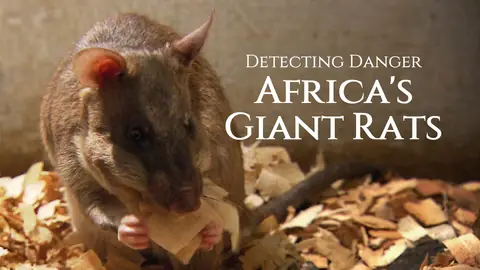 Detecting Danger - Africa's Giant Rats1 episode · 60 min eachPrep 1
- What it is about
- This film visits a school at Sokoine University in Tanzania, where African giant rats are trained to sniff out landmines.
- Skills practiced
- Creative thinking
- Before you watch
- Notice how the rats are trained to do dangerous work in place of people.
- Ask after watching
- Why would people choose rats over machines or people for this job? What do you think?
- Try it
- Hide something with a strong smell, like garlic or herbs, in a room. Have a blindfolded friend sniff it out. See who finds it first.
- Talk about it at home
- Do we have an animal at home that helps with work, like a guard dog or a buffalo that plows? Ask Grandma and Grandpa how it was trained.
- Heads up
- Fighting, Disasters
232 Air Jaws Apocalypse1 episode · 60 min eachPrep 3
- What it is about
- A team of shark experts explores the underwater world of Colossus, a giant great white shark living at an island off South Africa. Seals fear him, and other sharks keep their distance.
- Skills practiced
- Critical thinking
- Before you watch
- A shark hunts in this film. If that feels upsetting, tell me. Watch what the research team does to learn about sharks.
- Ask after watching
- What does the biggest shark in a place mean for the other animals there? What do you think?
- Try it
- Draw a food chain for animals in a river or pond near home, showing who eats whom. Then guess what happens if the animal at the top disappears.
- Talk about it at home
- Have Grandma and Grandpa told stories about big animals in our rivers or ponds, like a giant fish?
- Heads up
- Animals hunting each other, Death, Fighting
233 Alaska Dogs1 episode · 60 min eachPrep 1
- What it is about
- Alaska is the last frontier, with beautiful land, dangerous wild animals, and harsh weather. One animal can protect people there: the dog.
- Skills practiced
- Communication and teamwork
- Before you watch
- Watch how the dogs and people communicate without words. Some wild animals are dangerous. If that feels upsetting, tell me.
- Ask after watching
- Without dogs to help, how would people in faraway places get by? What other ways could they find?
- Try it
- Play a team game in pairs. One is the dog and one is the owner. Use only sounds and gestures to reach a goal.
- Talk about it at home
- What did the dogs Grandma and Grandpa kept help them do? How did they feel when a dog passed away?
- Heads up
- Animals hunting each other
234 Aliens of the Deep Sea1 episode · 60 min eachPrep 2
- What it is about
- Is there any truth to the legend of giant squid that attack ships and drag sailors under? This film asks, then takes you to squid and other creatures of the deep sea.
- Skills practiced
- Media literacy
- Before you watch
- Some deep sea animals look scary, and some hunt each other. If that feels upsetting, tell me. Notice which parts are legend and which are real footage.
- Ask after watching
- Why did people tell stories about squid as monsters when scientists find other things? What do you think?
- Try it
- Ask two grown-ups about scary animals they have heard of from the sea or a river. Compare their stories with real facts you can find.
- Talk about it at home
- Did Grandma or Grandpa tell stories about scary or strange water animals? Did they see it themselves or hear it from others?
- Heads up
- Animals hunting each other, Scary scenes
235 Animal Encounters9 episodes · 30 min eachPrep 1
- What it is about
- This series tells about people and animals who meet. An orphaned elephant calf at a care center in Kenya, dolphins whose families researchers study, and monkeys trained to pick coconuts without cruelty.
- Skills practiced
- Emotional intelligence, Global citizenship
- Before you watch
- Watch how the people who care for animals earn their trust. Some episodes show a monkey being hurt and a calf with no mother. If that feels upsetting, tell me.
- Ask after watching
- If people use animals to work, how should we take the best care of them? How can we tell an animal is doing well?
- Try it
- Interview someone in your community who keeps animals. Ask how they know when an animal is sick or stressed, then share it with a friend.
- Talk about it at home
- Did Grandma and Grandpa keep an animal to help with work? How did they care for it, and how did they feel about it?
- Heads up
- Fighting, Animals hunting each other, Death
236 Animal Record Breakers1 episode · 60 min eachPrep 1
- What it is about
- This film shows animal record holders: the biggest, smallest, fastest, and slowest. It says the most successful animal of all is us, because of our brains and technology.
- Skills practiced
- Critical thinking
- Before you watch
- Notice what each animal is best at and which body feature helps it. Some animals hunt. If that feels upsetting, tell me.
- Ask after watching
- The film says people are the most successful animal. Do you agree? Give your reasons.
- Try it
- Measure how tall, fast, or strong your friends are in a simple way. Then compare with a small animal near home.
- Talk about it at home
- What animal do Grandma and Grandpa think is the best at something in our village? Why?
- Heads up
- Animals hunting each other
237 Animal River Challenge2 episodes · 60 min eachPrep 2
- What it is about
- This series visits a rainforest river in South America. Big animals like tapirs, anacondas, caimans, and harpy eagles have to survive in dangerous waters.
- Skills practiced
- Critical thinking
- Before you watch
- Some animals hunt others. If that feels upsetting, tell me. Watch how each animal uses the river.
- Ask after watching
- One river holds both hunters and hunted. Why do you think nature works this way?
- Try it
- Draw a map of a river or canal near home. Show who lives where and who eats whom.
- Talk about it at home
- What animals live in the river or canal near us? What animals did Grandma and Grandpa see long ago that are rare now?
- Heads up
- Animals hunting each other, Death
238 Arabian Inferno5 episodes · 60 min eachPrep 1
- What it is about
- This series shows animal life in Arabia's hot lands, including weaver birds building nests, camels, and reptiles that survive the desert through the monsoon season and the dry season.
- Skills practiced
- Critical thinking
- Before you watch
- Look at what in the animals' bodies or habits helps them live in heat and dryness. Snakes and other reptiles hunt in some episodes. If that feels upsetting, tell me.
- Ask after watching
- If it did not rain for many months, what would the animals and plants near us do? What's your guess?
- Try it
- Set out two plates of water in the sun, one covered with cloth and one not. See which dries faster and write down what you find.
- Talk about it at home
- In the dry season, what did Grandma and Grandpa do about water and their animals?
- Heads up
- Animals hunting each other, Death
239 Bat Women of Panama1 episode · 60 min eachPrep 1
- What it is about
- This film visits Barro Colorado Island in Panama, home to 72 kinds of bats. They live together because each eats different food and lives in a different place, but all of them need a healthy forest.
- Skills practiced
- Critical thinking
- Before you watch
- Notice how the researchers study bats at night.
- Ask after watching
- 72 kinds of bats share one forest without fighting over everything. How do you think they do it?
- Try it
- Watch small insects or animals in the yard. Note what each eats and where it lives, then make a chart of who does not share the same spot.
- Talk about it at home
- Did Grandma and Grandpa see bats eating fruit or insects in the orchard? Did they think bats helped or caused trouble?
- Heads up
- Animals hunting each other
240 Bears Of The Last Frontier3 episodes · 60 min eachPrep 2
- What it is about
- This series visits the bears of Alaska: brown bears and grizzlies, black bears that live near towns, and polar bears facing global warming. It also shows how people and bears live side by side.
- Skills practiced
- Global citizenship, Critical thinking
- Before you watch
- Notice how bears and people live close together and when trouble starts. Bears catch fish and fight over them. If that feels upsetting, tell me.
- Ask after watching
- If a bear came into your town, what could you do to keep both people and the bear safe?
- Try it
- Make 5 rules for people and wild animals that come near home, like keeping food sealed. Ask a grown-up if they make sense.
- Talk about it at home
- Has a wild animal like a snake, monkey, or elephant ever come near our home? What did Grandma and Grandpa do?
- Heads up
- Animals hunting each other, Fighting, Death
241 Black Bears of the Northwoods1 episode · 60 min eachPrep 1
- What it is about
- This film follows a biologist who has studied bears for 41 years, and one black bear family in the Northwoods of Minnesota. What he sees changes what he believed about black bears.
- Skills practiced
- Critical thinking
- Before you watch
- Notice what the researcher saw that changed his mind about bears. Some moments are risky. If that feels upsetting, tell me.
- Ask after watching
- When you have believed something wrong for a long time and then find out, how does it feel? How would you tell others?
- Try it
- Pick an animal people near you call scary. Watch it for 15 minutes and write what you see. Compare it with what people say.
- Talk about it at home
- Did Grandma or Grandpa believe something wrong for a long time and learn the truth later? How did they feel?
- Heads up
- Animals hunting each other
242 Built for the Kill - Lion1 episode · 60 min eachPrep 3
- What it is about
- This film is about lions. They are not born hunters. They have to learn to hunt to survive, using special senses and great strength.
- Skills practiced
- Critical thinking
- Before you watch
- A lion hunts in this film. If that feels upsetting, tell me. Watch who the cubs learn to hunt from, and how.
- Ask after watching
- If nobody taught a lion cub, could it hunt? What do you think?
- Try it
- Play a teaching game. One person teaches another a simple task, like tying a knot, without talking. See if it works.
- Talk about it at home
- When Grandma and Grandpa were young, who taught them their work and skills? How did they teach?
- Heads up
- Animals hunting each other, Death
243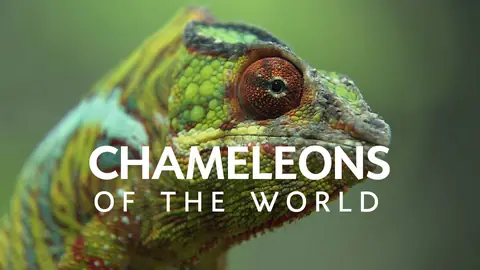 CHAMELEONS OF THE WORLD3 episodes · 30 min each
- What it is about
- This series introduces chameleons, strange and secretive lizards found in just a few places on Earth. We know very little about them. You see how they hunt, how they survive by moving slowly, and their hidden lives.
- Skills practiced
- Critical thinking
- Before you watch
- Watch how chameleons hunt and how they move. They catch insects, and other animals hunt chameleons. If that feels upsetting, tell me.
- Ask after watching
- A slow animal like a chameleon has ways to survive. How is that different from a fast runner?
- Try it
- Play a hide in the background game. Have friends in different colored shirts stand in front of a tree. See which color is hardest to spot.
- Talk about it at home
- Have Grandma and Grandpa seen an animal that hides well in the garden or forest? Ask them to tell you.
- Heads up
- Animals hunting each other
244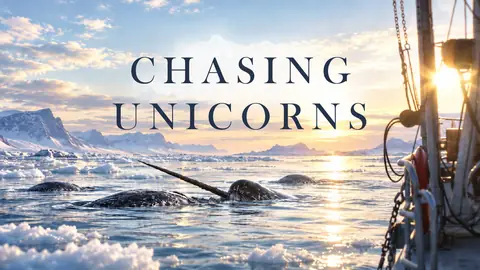 Chasing Unicorns1 episode · 60 min eachPrep 1
- What it is about
- This film joins a 30 day mission of scientists, sailors, and adventurers hunting for the narwhal, the mysterious whale with a tusk, in icy polar waters.
- Skills practiced
- Communication and teamwork
- Before you watch
- Notice what job each person on the team does. Some moments are risky. If that feels upsetting, tell me.
- Ask after watching
- If your team had people who think differently and you were all in a tough spot, how would you help everyone go forward together?
- Try it
- Play a team search game with four people. Give each a different job, like map holder, note taker, and walker. Talk about what happened when a problem came up.
- Talk about it at home
- Did Grandma and Grandpa ever work as a team in a hard situation, like a long trip or gathering food in the forest? Ask them to tell you.
- Heads up
- Animals hunting each other, Disasters
245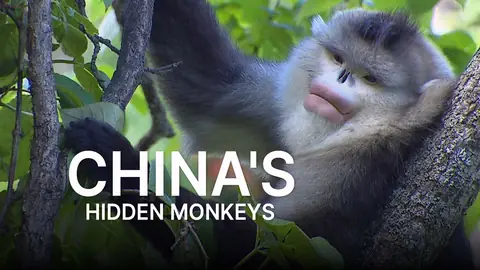 China's Hidden Monkeys1 episode · 60 min eachPrep 1
- What it is about
- This film climbs a thickly forested mountain range in China to find a mysterious monkey that science did not know about for 100 years. Now it is close to dying out, and scientists race to help it survive.
- Skills practiced
- Global citizenship
- Before you watch
- Notice what the scientists use to find monkeys hiding in dense forest.
- Ask after watching
- If an animal's numbers get very low, what should we do first? What do you think?
- Try it
- Make a habitat chart for one local animal. Show what forest, water, and food it needs, then check whether your community still has them.
- Talk about it at home
- Was the forest or nature near home bigger when Grandma and Grandpa were kids? What animals are gone?
- Heads up
- Death
246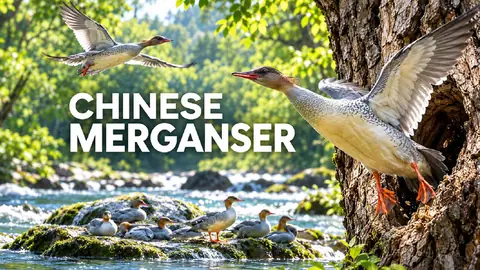 Chinese Merganser1 episode · 60 min eachPrep 0
- What it is about
- This film is about the oldest kind of wild duck on Earth, which has lived here for a very long time. It also looks at the many kinds of birds in the sky, in forests, and along rivers.
- Skills practiced
- Critical thinking
- Before you watch
- Notice what kind of river the ducks need to live.
- Ask after watching
- If a river gets dirty or dries up, what happens to the ducks and other animals? What's your guess?
- Try it
- Visit a river or canal near home. Write how clear the water is and what animals you see. Then ask a grown-up what it was like before.
- Talk about it at home
- Was the river near us clearer when Grandma and Grandpa were young? What birds lived there?
247City of Ants1 episode · 60 min eachPrep 0
- What it is about
- With new technology and high-quality cameras, this film explores how millions of ants think and connect. It goes inside the secret society of ants.
- Skills practiced
- Communication and teamwork
- Before you watch
- Notice how ants communicate with each other without making sounds.
- Ask after watching
- If you and many others had to do a big job together without talking, what would you do? Guess how the ants do it.
- Try it
- Have 10 friends carry something heavy across a room without talking, using gestures only. See if it works and talk about where it got stuck.
- Talk about it at home
- Did Grandma and Grandpa ever see ants do something amazing at home or in the garden, like marching in a line or moving a nest?
248 CLIFF WALKERS1 episode · 30 min eachPrep 1
- What it is about
- This film visits Chitral Gol National Park in Pakistan, with its steep cliffs, and meets the markhor, a protected mountain goat that lives on the cliffs.
- Skills practiced
- Critical thinking
- Before you watch
- Notice how the goats' hooves and legs help them climb cliffs. Goats fight and other animals hunt them. If that feels upsetting, tell me.
- Ask after watching
- If you designed a climbing shoe, what would you borrow from the goat?
- Try it
- Walk on a slippery slope in two different pairs of shoes. See which grips better and write down what you find.
- Talk about it at home
- Is there a grown-up at home who is good at climbing hills or trees? What tricks do they use?
- Heads up
- Animals hunting each other
249Wild Colombia1 episode · 90 min eachPrep 1
- What it is about
- This film visits Colombia, a land rich in different kinds of life. You see glaciers on high mountains, mysterious lakes, and a lost world. Parts of it are wearing down, and many animals are close to dying out.
- Skills practiced
- Global citizenship
- Before you watch
- Notice what makes each place in nature different. Some animals hunt others. If that feels upsetting, tell me.
- Ask after watching
- In a place with this many kinds of animals and plants, what happens if part of it is lost?
- Try it
- List 10 plants and animals you know in your community. Ask a grown-up which ones have disappeared.
- Talk about it at home
- Do Grandma and Grandpa know local plant or animal names that kids today don't know?
- Heads up
- Death
250 Creatures of Darkness1 episode · 60 min eachPrep 2
- What it is about
- This film dives to the deep sea, home of animals that look like they come from another planet, in the harshest places on Earth. The deeper you go, the more amazing it gets.
- Skills practiced
- Critical thinking
- Before you watch
- Some deep sea animals look scary and hunt each other. If that feels upsetting, tell me. Notice how animals live without light.
- Ask after watching
- If you lived in total darkness all the time, what would you use to find food and friends?
- Try it
- Spend 10 minutes in a dark room or with your eyes closed. Use only sound and touch to find a hidden object, then explain how you did it.
- Talk about it at home
- Have Grandma and Grandpa been somewhere very dark, like during a power outage or inside a cave? How did they feel and what did they do?
- Heads up
- Animals hunting each other, Scary scenes
251 Crocodiles in Dark Waters1 episode · 60 min eachPrep 2
- What it is about
- In the 1960s, 50,000 crocodiles were killed for their skin, which upset the balance of nature. Biologists and divers take you underwater to where crocodiles live.
- Skills practiced
- Global citizenship
- Before you watch
- Crocodiles hunt, and people hunt crocodiles. If that feels upsetting, tell me. Notice what happens to other animals when crocodiles disappear.
- Ask after watching
- If all the big animals in a river disappeared, what would happen to the fish and small animals?
- Try it
- Draw a food web for a river or pond you know, showing who eats whom. Then cross out the top animal and see what changes.
- Talk about it at home
- Were there more fish or animals in the river when Grandma and Grandpa were young? Why do they think it changed?
- Heads up
- Animals hunting each other, Death
252 Eagle - Queen of the Skies1 episode · 60 min eachPrep 2
- What it is about
- This film shows the lives of different eagles: finding a mate, building a nest, sharing the work of raising chicks, young birds exploring, hunting skills, and surviving a harsh winter.
- Skills practiced
- Communication and teamwork
- Before you watch
- Eagles hunt, and a chick does not always survive. If that feels upsetting, tell me. Watch how the parents share the work.
- Ask after watching
- If you were a chick leaving the nest for the first time, how would you feel? What would you want your parents to do?
- Try it
- Play bird parent and chick. The parent uses gestures to teach the chick to fly or find food. Then talk about how clear the signals were.
- Talk about it at home
- Have Grandma and Grandpa seen a big bird like a hawk or eagle fly over the village? How did they feel?
- Heads up
- Animals hunting each other, Death
253 Egret1 episode · 60 min eachPrep 1
- What it is about
- This film follows egrets in China, birds that people there believe bring good luck. They migrate every year to find a place to breed, then feed their chicks until they are ready to fly with the flock.
- Skills practiced
- Critical thinking
- Before you watch
- Notice how egrets travel far and find a new home. In one part a chick goes hungry. If that feels upsetting, tell me.
- Ask after watching
- Why do the birds have to move every year? What do you think would happen if they stayed?
- Try it
- Watch for birds that visit your yard or rice fields during the seasons. Write which kind you see and when, then make a simple bird calendar.
- Talk about it at home
- Which birds visit our area by season? Did Grandma and Grandpa use birds to know when to plant?
- Heads up
- Animals hunting each other
254 Endangered12 episodes · 30 min eachPrep 1
- What it is about
- This series visits the southern coast of South Africa to see plants and animals close to dying out. It looks at why they are at risk and shows the work of conservationists.
- Skills practiced
- Global citizenship, Critical thinking
- Before you watch
- Notice what conservationists do to help animals or plants that are few in number. Some episodes show animals hunting. If that feels upsetting, tell me.
- Ask after watching
- What makes plants or animals become rare, and what can we do about it at home?
- Try it
- List 5 local plants or animals that Grandma and Grandpa say used to be common but are rare now. Write down what could be the reason.
- Talk about it at home
- Is there a tree or animal at home that Grandma and Grandpa think is hard to find now? Ask them to tell you about it.
- Heads up
- Death, Animals hunting each other
255 Expedition Guyana3 episodes · 60 min eachPrep 1
- What it is about
- This series follows a team exploring the rainforest of Guyana, in the north of the Amazon, where nature is still wild. You meet ancient trees, giant otters, capuchin monkeys, eagles, and animals not yet identified.
- Skills practiced
- Critical thinking, Global citizenship
- Before you watch
- Notice how the team writes notes and collects information. In some parts animals hunt. If that feels upsetting, tell me.
- Ask after watching
- If you had a short time to explore a forest, what would you look at first? What would you write down so others believe you?
- Try it
- Make a small field notebook. Write the date, time, place, and what you see at three spots in a garden or woods in one day.
- Talk about it at home
- Do Grandma and Grandpa know rare plants or animals in the forest near us? How did they learn about them?
- Heads up
- Animals hunting each other
256 Expedition New Guinea3 episodes · 60 min eachPrep 1
- What it is about
- This series visits the forests of New Guinea, the largest tropical island in the South Pacific. It is home to rare animals that evolved in very special ways, like birds of paradise and tree kangaroos.
- Skills practiced
- Communication and teamwork, Critical thinking
- Before you watch
- Notice what makes New Guinea animals different from animals anywhere else. Some animals hunt. If that feels upsetting, tell me.
- Ask after watching
- How can an island cut off from the rest of the world make animals look so strange? What do you think?
- Try it
- Make picture cards of 5 local animals. Under each, write one special thing that helps it survive where it lives.
- Talk about it at home
- Are there animals found only around our village? What do Grandma and Grandpa call them?
- Heads up
- Animals hunting each other, Disasters
257 Extraordinary Animals14 episodes · 30 min each
- What it is about
- This series tells of animals with special talents and amazing smarts. An elephant paints pictures, a sea lion understands sign language, search dogs do their work, and more.
- Skills practiced
- Critical thinking, Creative thinking
- Before you watch
- Notice how trainers teach the animals. Some animals do risky work. If that feels upsetting, tell me.
- Ask after watching
- How do we know an animal is smart, and not just following its training? What do you think?
- Try it
- Watch a pet or a nearby animal and see what it can learn. Try a simple test, like putting food in different spots, and see if it remembers.
- Talk about it at home
- Did an animal Grandma and Grandpa kept ever do something that amazed them?
- Heads up
- Claims that are not proven, Death, Disasters
258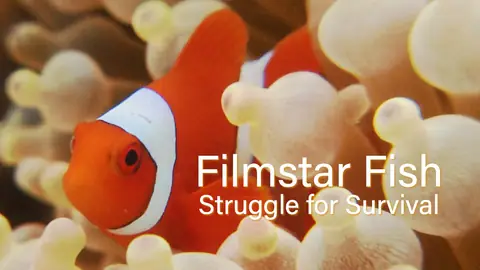 Filmstar Fish - Struggle for Survival1 episode · 60 min eachPrep 1
- What it is about
- This film is about the clownfish, famous from a Disney movie. That fame made people want them and put them at risk. Researchers try to help by breeding them, and study how clownfish live with sea anemones on the reef.
- Skills practiced
- Global citizenship
- Before you watch
- Think about why people want clownfish so much. Some fish get caught. If that feels upsetting, tell me.
- Ask after watching
- If a movie makes an animal famous and more people take it as a pet, what should we do?
- Try it
- Ask a friend or grown-up if they ever wanted a pet after seeing it in a movie or clip. Talk about what that animal really needs.
- Talk about it at home
- Was there an animal at home that became popular and then got rare, like wild betta fish? Ask Grandma and Grandpa to tell you.
- Heads up
- Death
259Fish Life6 episodes · 30 min eachPrep 1
- What it is about
- This series dives into life under the sea. Coral reefs are home to one quarter of all ocean life. Some weaker animals depend on camouflage, and sharks sit at the top of the food chain.
- Skills practiced
- Critical thinking
- Before you watch
- Notice how weaker fish find ways to survive. Some fish eat other fish. If that feels upsetting, tell me.
- Ask after watching
- If you are not strong enough to fight, what other ways can you survive? What do the fish teach us?
- Try it
- Draw a short food chain for the fish in a canal or pond near home. Ask a grown-up which fish are more or less common now.
- Talk about it at home
- Did Grandma and Grandpa catch many kinds of fish in the past? Can they still catch as many?
- Heads up
- Animals hunting each other, Death
260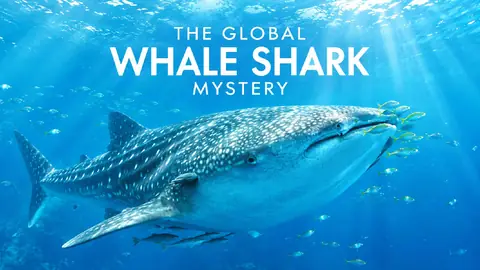 The Global Whale Shark Mystery1 episode · 60 min eachPrep 0
- What it is about
- This film is about the whale shark, the biggest fish in the sea. It is still a secretive animal, and most of its life cycle is a mystery. Its link with people was only discovered recently.
- Skills practiced
- Critical thinking
- Before you watch
- Notice what researchers use to follow whale sharks across a huge ocean.
- Ask after watching
- If we never saw an animal being born, how could we still learn about it?
- Try it
- Follow a small animal like a snail in the yard for an hour. Draw chalk lines along its path and see where it goes.
- Talk about it at home
- Do we have stories at home about mysterious animals in the river or sea? What did Grandma and Grandpa say?
261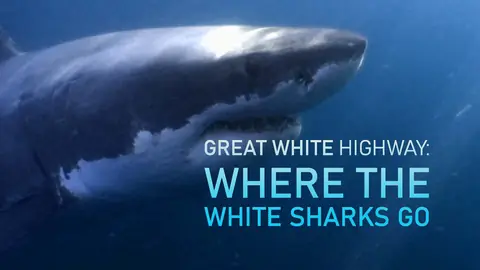 GREAT WHITE HIGHWAY - Where the white sharks go1 episode · 60 min eachPrep 2
- What it is about
- This film shows scientists attaching tracking devices to great white sharks to learn how they behave and the routes they travel across oceans.
- Skills practiced
- Critical thinking
- Before you watch
- Sharks hunt in some scenes. If that feels upsetting, tell me. Notice how researchers attach the trackers.
- Ask after watching
- If we could follow only one shark, would we know everything about sharks? What do you think?
- Try it
- Track a leaf or a ball floating in water, like a canal or a big tub. Write which way it goes.
- Talk about it at home
- Did Grandma and Grandpa see fish migrate up and down the river with the seasons? Ask them to tell you.
- Heads up
- Animals hunting each other, Death
262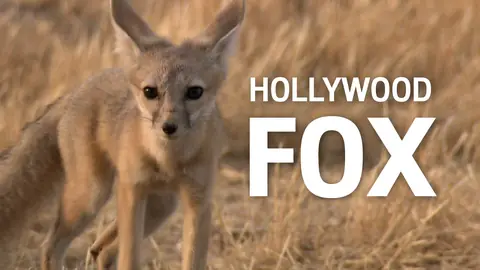 Hollywood Fox1 episode · 60 min eachPrep 2
- What it is about
- This film meets one of the smallest and rarest foxes in the world. Fewer than 7,000 of these foxes are left.
- Skills practiced
- Critical thinking
- Before you watch
- Some animals face danger and there are hunting scenes. If that feels upsetting, tell me. Notice how the fox lives close to people.
- Ask after watching
- Wild animals that move close to a city face problems. How can we help them stay safe?
- Try it
- Survey wildlife near home or school, like birds or squirrels. Write what you find and what risks they face, then come up with one idea to help.
- Talk about it at home
- What wild animals come near our home? How do Grandma and Grandpa deal with them without hurting them?
- Heads up
- Death, Fighting
263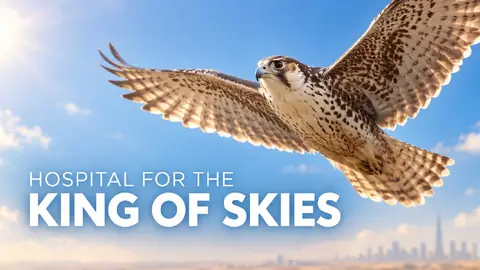 Hospital for the King of Skies1 episode · 60 min eachPrep 1
- What it is about
- This film visits the first falcon hospital in the world, in the United Arab Emirates. It cares for about 3,000 falcons a year.
- Skills practiced
- Global citizenship
- Before you watch
- Notice how the people there care for falcons and what place the falcon has in their lives. Some scenes show medical care. If that feels upsetting, tell me.
- Ask after watching
- People spend lots of money and time healing one bird. Why do you think they do?
- Try it
- Ask a grown-up in your community about an animal people here feel close to. Write down why, and tell a friend.
- Talk about it at home
- Have we ever had an animal we felt especially close to? What animals did people in the village love when Grandma and Grandpa were young?
- Heads up
- Death, Blood or dissection
264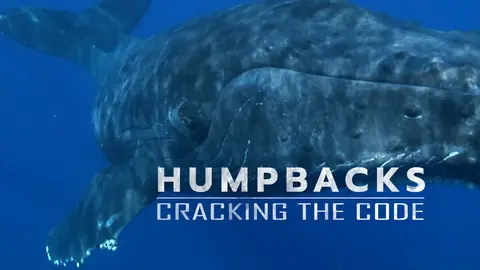 Humpbacks - Cracking The Code1 episode · 60 min eachPrep 0
- What it is about
- Scientists try to crack the code of the humpback whale's song-like calls. They know the song can be passed along to whales on the other side of the world, but they do not yet know why whales sing.
- Skills practiced
- Critical thinking
- Before you watch
- Notice what scientists already know, and what they do not know yet.
- Ask after watching
- We do not know why whales sing. How would you try to find out? What would you test or watch?
- Try it
- Watch the birds or geckos at home. Write down when they make sounds for three days, then see if you notice a pattern.
- Talk about it at home
- Long ago, did people listen to animal sounds and guess things from them? Do we have beliefs about animal sounds at home?
265It's Christmas In The Savannah1 episode · 60 min eachPrep 0
- What it is about
- On the African savanna, animals have a big tree covered in yellow flowers that looks like a Christmas tree. Many kinds of animals get something from it.
- Skills practiced
- Critical thinking
- Before you watch
- Notice what each kind of animal gets from this tree.
- Ask after watching
- Each animal uses the tree in its own way. What, if anything, does the tree get back?
- Try it
- Pick one tree in your community. Ask neighbors what they use it for, and add what animals use it for. Draw a picture of who gets what.
- Talk about it at home
- What trees do we use at home? What did Grandma and Grandpa use trees for when they were young?
266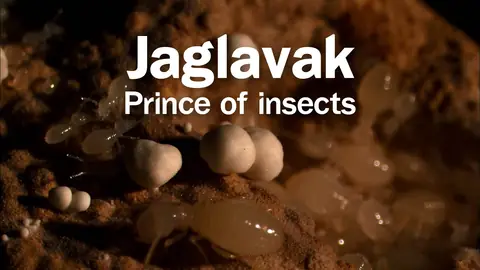 Jaglavak Prince of insects1 episode · 60 min eachPrep 1
- What it is about
- In the Mandara Mountains in northern Cameroon, the Mofu people bargain with insects to get a good harvest. Some insects are friends, and some are enemies they must get rid of.
- Skills practiced
- Global citizenship
- Before you watch
- Notice how the people there know which insects should stay and which to chase away. Some insects hunt others. If that feels upsetting, tell me.
- Ask after watching
- The people there sort insects into helpers and pests. If you look closely, could one insect be both?
- Try it
- Ask someone who gardens or farms in your community which insects they like and dislike, and why. Ask if they ever changed their mind.
- Talk about it at home
- How did people here handle insects in the fields and gardens when Grandma and Grandpa were young? Do we still do it that way?
- Heads up
- Animals hunting each other
267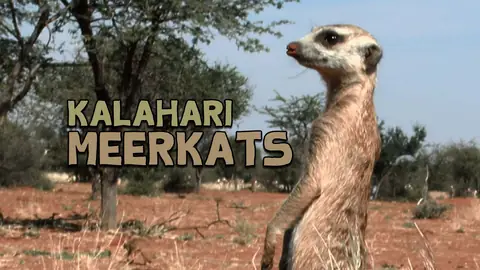 Kalahari Meerkats5 episodes · 30 min eachPrep 1
- What it is about
- This is the story of a meerkat group in the Kalahari Desert. They share their home with many other animals, and some visitors are not friendly. The series follows the group through several seasons.
- Skills practiced
- Communication and teamwork, Emotional intelligence
- Before you watch
- Notice how the meerkats share jobs, and what each one does when trouble comes.
- Ask after watching
- When the group faces danger from unfriendly neighbors, who should make the decision, and who should we listen to?
- Try it
- Split into groups to do a small chore, like cleaning a room, with a different job for each person. Talk about which way took less effort and finished fastest.
- Talk about it at home
- Who makes big decisions at home? What kind of leaders did our community have when Grandma and Grandpa were kids, and who did they listen to?
- Heads up
- Death, Animals hunting each other
268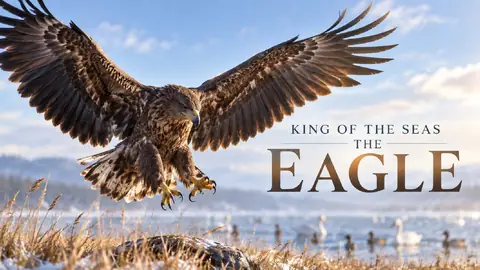 King Of The Seas - The Sea Eagle1 episode · 60 min eachPrep 2
- What it is about
- This film is about the sea eagle, an elegant hunter of the water. It hunts herring in Scandinavian seas and waterbirds on freezing lakes.
- Skills practiced
- Global citizenship
- Before you watch
- The eagle hunts in this film. If that feels upsetting, tell me. Notice how the eagle gets ready before it hunts.
- Ask after watching
- The eagle has to hunt to stay alive. How do you feel about the bird and about its prey?
- Try it
- Watch a bird near home, like one that eats fish. Write when it feeds and how long it takes, then draw how it catches its prey.
- Talk about it at home
- Have we seen a bird or animal catch fish? Which animals fed from the water near home when Grandma and Grandpa were young?
- Heads up
- Animals hunting each other, Death
269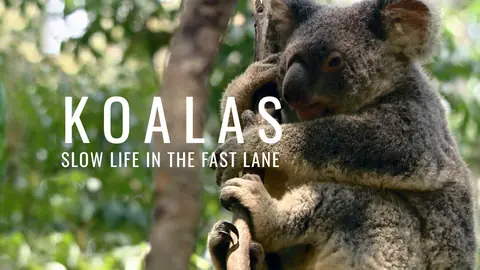 Koalas - Slow Life in the Fast Lane1 episode · 60 min eachPrep 1
- What it is about
- Koalas are the most loved animal in Australia. They look cute and move slowly, but when you look closer, a koala's life has more to it than you think.
- Skills practiced
- Global citizenship
- Before you watch
- Before you watch, say what you think koalas are like. After, see if you still think the same.
- Ask after watching
- We often call an animal lazy or cute just from the outside. When you look closer, what reasons did you see for what koalas do?
- Try it
- Pick an animal near home that you think you know well. Watch it for 3 days and see whether what you thought matches what you see.
- Talk about it at home
- Is there an animal at home that people misunderstand? What sayings about animals did Grandma and Grandpa use?
- Heads up
- Death
270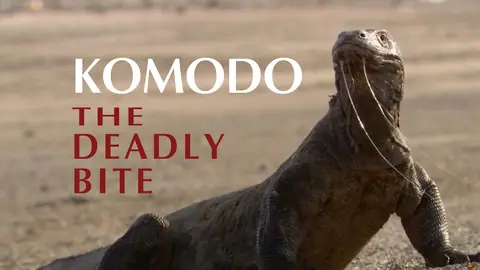 Komodo - The Deadly Bite1 episode · 60 min eachPrep 2
- What it is about
- The Komodo dragon is the biggest reptile in the world. People found it 100 years ago, but its story goes back millions of years. Scientists dig to uncover its secrets.
- Skills practiced
- Critical thinking
- Before you watch
- A Komodo dragon hunts in this film. If that feels upsetting, tell me. Notice the ways scientists search for secrets.
- Ask after watching
- Scientists are digging to learn about Komodo dragons. Which secret would you most want to know, and why?
- Try it
- Ask a grown-up which animals people around here fear. Write down whether they fear it from seeing it or from stories.
- Talk about it at home
- What animal are we afraid of at home? Were there scary animal stories when Grandma and Grandpa were young?
- Heads up
- Animals hunting each other, Death
271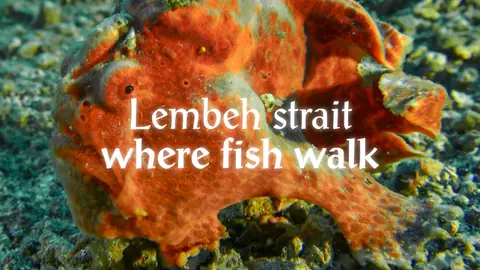 Lembeh strait where fish walk1 episode · 60 min eachPrep 1
- What it is about
- Lembeh Strait in Indonesia is home to rare sea animals, including strange fish that walk along the sea floor and unusual squid.
- Skills practiced
- Critical thinking
- Before you watch
- Notice how the shape of each animal helps it survive where it lives. Some animals hunt. If that feels upsetting, tell me.
- Ask after watching
- Do animals with strange looks have a better chance to survive than ordinary ones? What reasons or observations do you have?
- Try it
- Find an animal in the yard or garden that hides well, like a grasshopper or gecko. Photograph or draw it without telling anyone where it is, then have a friend find it.
- Talk about it at home
- Is there an animal at home that hides well? Did Grandma and Grandpa ever get fooled by one?
- Heads up
- Animals hunting each other
272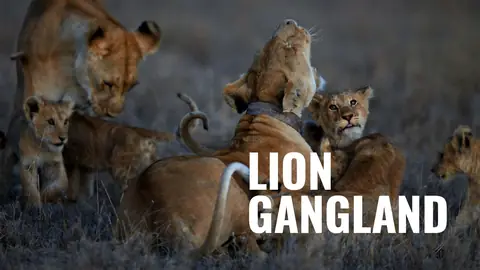 Lion Gangland1 episode · 60 min eachPrep 2
- What it is about
- This film follows a wildlife photographer in the Serengeti who faces danger with courage and smarts. He learns from a pride of lions and finds ways to stay alive.
- Skills practiced
- Critical thinking
- Before you watch
- This film has risk and animals hunting. If that feels upsetting, tell me. Notice how the photographer learns to be near lions.
- Ask after watching
- The photographer has to be brave and careful at the same time. When do you think it is time to be brave, and when to step back?
- Try it
- Practice watching one animal in your community from far away, like a cow, buffalo, or dog. Do not go near it. Write 3 body signals that show its mood.
- Talk about it at home
- Does anyone at home work with large animals? How did they stay careful when Grandma and Grandpa were young?
- Heads up
- Animals hunting each other, Death, Fighting
273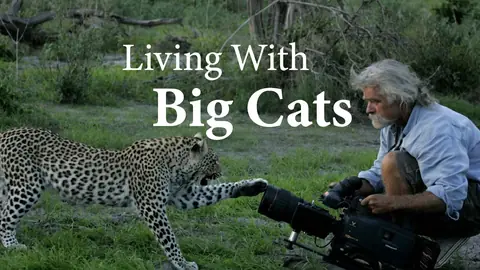 Living With Big Cats1 episode · 60 min eachPrep 2
- What it is about
- A husband and wife follow lions in Africa. They try to understand the tricky relationship between lions and their prey, and what it does to the environment around them.
- Skills practiced
- Critical thinking
- Before you watch
- Animals hunt in this film. If that feels upsetting, tell me. Notice what the couple writes down about the lions.
- Ask after watching
- When a lion hunts, how does the land around it change? Can you guess?
- Try it
- Pick one animal in a garden or yard and watch it for 3 days. Write down what around it changes when it does something.
- Talk about it at home
- Have we seen one animal hunt another at home, like a snake eating a mouse? What did Grandma and Grandpa do when they saw it?
- Heads up
- Animals hunting each other, Death
274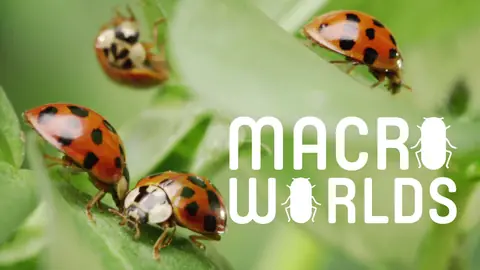 Macro Worlds3 episodes · 60 min eachPrep 2
- What it is about
- This series follows tiny insects that look scary, like characters in a horror movie, such as praying mantises, crickets, and beetles. You see hunting, survival, and the secrets of beetles.
- Skills practiced
- Critical thinking
- Before you watch
- Insects eat each other in this one. If that feels upsetting, tell me. Notice how hunters and prey fight back with different tricks.
- Ask after watching
- How do you sort scary insects from helpful ones? Are there any you cannot decide on?
- Try it
- Look at one insect up close for a minute, with a magnifying glass or just your eyes. Draw the part that surprised you and ask a grown-up its name.
- Talk about it at home
- What insects did our family fear when Grandma and Grandpa were young? Did they learn which ones help plants and which hurt them?
- Heads up
- Animals hunting each other, Death, Scary scenes
275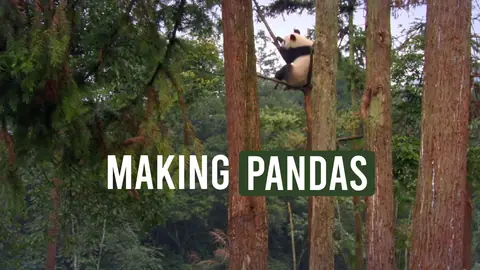 Making Pandas1 episode · 60 min eachPrep 1
- What it is about
- Singapore's wildlife park tries to breed a baby panda for the first time, both by natural mating and by artificial breeding. In the film, it does not work at first, because it is their first time.
- Skills practiced
- Critical thinking
- Before you watch
- Notice what the people try, and what they do next when it does not work.
- Ask after watching
- When the first try does not work, should people keep trying or stop? What are your reasons?
- Try it
- Pick something you are not good at yet. Try it every day for 5 days and write how each day changes.
- Talk about it at home
- Did anyone at home try something many times before it worked, like growing a plant or raising an animal? Ask Grandma and Grandpa.
- Heads up
- Death, Blood or dissection
276 Man V. Lion1 episode · 60 min eachPrep 2
- What it is about
- A big cat tracker takes a risky trip to get close to African lions. He follows their hunts at night, tests how fast they run and jump, and even sits in a clear box among the pride.
- Skills practiced
- Critical thinking
- Before you watch
- This one has hunting and real risk. If anything feels upsetting, say so. Watch how the tracker finds his answers.
- Ask after watching
- If you wanted to know how fast an animal runs, what is a safer way than getting close? What ideas do you have?
- Try it
- Test your own speed. Time yourself running 10 meters three times, then compare your times with a friend's.
- Talk about it at home
- Who in our family runs fast or jumps high? What races did our grandparents play as kids?
- Heads up
- Animals hunting each other, Death, Fighting
277Kalahari Meerkats1 episode · 60 min eachPrep 1
- What it is about
- Scientists spent 20 years on special experiments to uncover the secrets of a famous meerkat family. The family once even starred in Hollywood.
- Skills practiced
- Communication and teamwork
- Before you watch
- Notice what the scientists test with the meerkats, and why it takes so long.
- Ask after watching
- If you watched the same animal for 20 years, what would you learn that a one week look could never show you?
- Try it
- Pick one animal or plant near home. Write down what you see every day for 2 weeks. What did you notice later that you missed on day 1?
- Talk about it at home
- What has a grandparent looked after for a very long time, like a tree or an animal? What do they know about it that we don't?
- Heads up
- Animals hunting each other, Death
278 Mission Critical2 episodes · 60 min eachPrep 1
- What it is about
- Three photographers set out to capture animals that clash with people: a leopard in Mumbai, an orangutan in Borneo as its forest shrinks, and a great white shark seen as a villain. Their goal is to help people and wildlife share space.
- Skills practiced
- Global citizenship, Media literacy
- Before you watch
- Watch how a photographer uses pictures to help people understand an animal.
- Ask after watching
- Can one photo change how people feel about an animal? What kind of photo would change your mind?
- Try it
- Take or draw a picture of a local animal people tend to dislike, like a snake or a house gecko. Write one sentence under it that helps people see it differently.
- Talk about it at home
- Is there an animal in our home or neighborhood that people don't like? How did our grandparents feel about it as kids?
- Heads up
- Death, Animals hunting each other, Fighting
279 Monster Jellyfish1 episode · 60 min eachPrep 1
- What it is about
- Nomura's jellyfish can grow over 2 meters long and weigh up to 200 kilograms, among the largest jellyfish in the world. As oceans warm, more of them are showing up and sweeping onto beaches in huge groups.
- Skills practiced
- Global citizenship
- Before you watch
- Watch how a flood of jellyfish changes life for fishers and people who live by the sea.
- Ask after watching
- If the sea warms and jellyfish multiply, who gains and who loses? What do you think?
- Try it
- Talk with someone who works on the water, like a fisher or a fish seller. Ask which sea animals they see changing, and bring back notes to share.
- Talk about it at home
- Think about our home or a community near water. Which water animals were more common or less common when our grandparents were kids?
- Heads up
- Animals hunting each other, Death, Scary scenes
280 Night of the Lion1 episode · 60 min eachPrep 2
- What it is about
- An expedition team follows lions through the night. In the dark, many animals are hunting, but not every hunter gets a meal, because lions watch closely and step in to steal the kill.
- Skills practiced
- Critical thinking
- Before you watch
- This one has hunts in the dark and animals losing their food. If anything feels upsetting, say so. Watch what each animal does at night.
- Ask after watching
- Some lions wait and take food from other hunters. Is that clever or unfair? Why do you think so?
- Try it
- With a grown-up, sit outside for 10 minutes at dusk and listen. Write down every sound you hear and guess which animal made it.
- Talk about it at home
- What animals come out around our home at night? What animal sounds did our grandparents hear at night as kids?
- Heads up
- Animals hunting each other, Death, Fighting
281 Night Stalkers4 episodes · 60 min eachPrep 2
- What it is about
- Researchers use special cameras to watch night hunters in secret, including crocodiles, hyenas, jaguars, and leopards. The real behavior they capture is different from the picture most people have in mind.
- Skills practiced
- Critical thinking, Media literacy
- Before you watch
- This one shows animals hunting. If anything feels upsetting, say so. Notice what the special cameras let us see that our eyes can't.
- Ask after watching
- If you saw an animal on camera for just one night, could you know its real habits? How many nights would you watch?
- Try it
- Watch an animal near home at dusk for 3 evenings, like a gecko or a bat. Write down the time and what it does. Which evenings looked alike, and which looked different?
- Talk about it at home
- Are there animals that come out at night near our home? What stories did our grandparents tell about night animals?
- Heads up
- Animals hunting each other, Death
282 OL Pejeta Diaries15 episodes · 30 min eachPrep 1
- What it is about
- A diary of life at Ol Pejeta Conservancy in Kenya, where teams protect rhinos and other wildlife on the edge of extinction and work alongside the neighbors around the park. Sample episodes follow a blind black rhino and animals moving to safer ground.
- Skills practiced
- Global citizenship, Critical thinking
- Before you watch
- Notice how many different people have to work together to help just one animal.
- Ask after watching
- If a rhino is in an unsafe place, who needs to help, and what does each person do?
- Try it
- Play a team game with 5 people. Move something heavy to a new spot, with each person in a different role. Then talk about what happens if one person is missing.
- Talk about it at home
- Has our family or village ever pulled together to help someone? Who came to help when our grandparents were kids?
- Heads up
- Death, Animals hunting each other, Fighting
283 Andrea - Queen of The Manta Rays1 episode · 60 min eachPrep 1
- What it is about
- Manta rays can have wings about 5 meters wide, yet most people know very little about them. A female marine biologist works to understand these giants so she can protect them.
- Skills practiced
- Global citizenship
- Before you watch
- Watch how the biologist learns about an animal that few people know.
- Ask after watching
- If an animal has very few babies and grows slowly, does that make it easier or harder to protect? What is your reasoning?
- Try it
- Ask a grown-up which water animal is harder to catch now than it used to be. Write down what they think caused the change.
- Talk about it at home
- Think about our home or a community near water. Which fish were once plentiful when our grandparents were kids, but are rare now?
- Heads up
- Death
284 Return of the Clouded Leopards1 episode · 60 min eachPrep 1
- What it is about
- A young clouded leopard is found in northern India's forests. These cats are rare and hard to find. The cub has to learn to survive and hunt on its own, and if it makes it, the species gets a better chance.
- Skills practiced
- Global citizenship
- Before you watch
- Notice what a cub with no mother has to learn by itself.
- Ask after watching
- When an animal must learn to survive on its own as a baby, what can people help with, and what should they leave alone?
- Try it
- Try making something simple you have never made, without looking up how. Write down where you slipped up and how you fixed it.
- Talk about it at home
- What did your grandparents have to teach themselves with no one to show them? How did they learn it?
- Heads up
- Animals hunting each other, Death
285 Shark Night1 episode · 60 min eachPrep 1
- What it is about
- A diver designs a way to communicate with sharks. He believes they have complex, delicate minds and are not killing machines, and he sets out to show it by sharing the water with wild predators.
- Skills practiced
- Critical thinking
- Before you watch
- This one has sharks and real risk. If anything feels upsetting, say so. Watch how the people use body movement to communicate with sharks.
- Ask after watching
- If you wanted to talk with an animal that doesn't understand your language, how would you begin?
- Try it
- Invent 3 hand signals that need no sound. Teach them to a friend without speaking.
- Talk about it at home
- Does our family have hand signals or gestures only we understand? How did our grandparents communicate without words?
- Heads up
- Animals hunting each other, Death, Fighting
286 Shark Shoot - Fiji1 episode · 60 min eachPrep 1
- What it is about
- A team of photographers travels to remote and rugged places, including Fiji, to film fearsome animals. They face a volcano, swim with sharks, and run alongside cheetahs.
- Skills practiced
- Creative thinking
- Before you watch
- Notice how the photographers plan and prepare to get the shots they want.
- Ask after watching
- Sometimes a beautiful shot and a safe choice pull in different directions. What would you choose when the two clash?
- Try it
- Draw or photograph the same thing from 3 angles outside. Ask friends which angle tells the best story.
- Talk about it at home
- Who in our family takes great photos? Did our grandparents tell you about photographers in the village long ago?
- Heads up
- Animals hunting each other, Fighting, Scary scenes
287 Sixgill shark in to the abyss1 episode · 60 min eachPrep 1
- What it is about
- A diver searches for sixgill sharks in the Strait of Messina in Italy, making risky deep dives. She does not find the sharks she came for, but meets a big shark in shallow water by surprise. Meanwhile a scientist studies the same kind of shark in Puget Sound near Seattle.
- Skills practiced
- Critical thinking
- Before you watch
- Notice how the researcher feels and what she does when she does not find what she hoped for, but finds something else.
- Ask after watching
- When you look for one thing and find another, is that a failure or a lucky break? What do you think?
- Try it
- Search a play area for something set in advance, like a red leaf. Write down what else you found that you were not looking for, and what was interesting about it.
- Talk about it at home
- Have we ever looked for one thing and found another? Can your grandparents tell a story about that kind of luck?
- Heads up
- Animals hunting each other, Scary scenes
288 Sky Safari - Australia1 episode · 60 min eachPrep 0
- What it is about
- Millions of years ago, one continent broke away and became its own world: Australia, with striking land and very unusual animals. Seeing it from the sky shows how each piece of land fits together.
- Skills practiced
- Critical thinking
- Before you watch
- As you look from above, notice how the different places connect.
- Ask after watching
- When places stay apart for a very long time, how do the animals living there change? What makes you think so?
- Try it
- Make a map of your neighborhood by walking and taking notes. Mark where the water, trees, and houses are, then see how they all connect.
- Talk about it at home
- When our grandparents were kids, where were the rivers or forests in our community? How have they changed?
289 Strandwolf1 episode · 60 min eachPrep 2
- What it is about
- The search is on for the brown hyena of Namibia, called the strandwolf, or beach wolf. A German scientist studies why a hyena left her old hunting ground, where she ate seal pups, and moved on, possibly into the desert.
- Skills practiced
- Critical thinking
- Before you watch
- This one has animals hunting. If anything feels upsetting, say so. Watch how the scientist figures out where the hyena goes.
- Ask after watching
- The hyena left a place where food was easy to find. What are some reasons she could have done that?
- Try it
- Guess 3 reasons a bird or animal near home would change where it lives. Write which reason would be easiest to check.
- Talk about it at home
- Has an animal left our area? Why did our grandparents say animals moved away when they were kids?
- Heads up
- Animals hunting each other, Death
290 The Real Guinea Pig1 episode · 60 min eachPrep 0
- What it is about
- This film compares wild guinea pigs with pet guinea pigs, whose lives and habits are quite different, and looks at what people believe about them. A university in Germany studies guinea pig society because it looks a lot like ours.
- Skills practiced
- Critical thinking
- Before you watch
- Notice what people in different places believe about guinea pigs.
- Ask after watching
- How does what people believe about an animal change the way they care for it? What did you see?
- Try it
- Ask two grown-ups what beliefs go with animals your grandparents kept. Compare their answers. What is the same and what is different?
- Talk about it at home
- Is there an animal we think brings good luck or bad luck? What did your grandparents believe about animals?
291 THE SAVANNAH QUIZ1 episode · 60 min eachPrep 1
- What it is about
- The African savannah is home to many strange and wonderful animals, each one different from the next. This film asks lots of questions about them, and now the answers are right here.
- Skills practiced
- Critical thinking
- Before you watch
- Guess each answer before the reveal and keep count of how many you get right.
- Ask after watching
- Which answer surprised you most? What did you think before?
- Try it
- Write a 5 question quiz about animals in your community for friends. Include answers you checked with a grown-up or someone who really knows.
- Talk about it at home
- When your grandparents were kids, did they believe something about an animal that turned out wrong? When did they find out the truth?
- Heads up
- Fighting
292 Toki Tales1 episode · 60 min eachPrep 1
- What it is about
- The crested ibis, called the toki, is a bird beloved in Japan that nearly vanished from the wild. Scientists, officials, and people in Japan and China worked together to bring it back, but forests have shrunk a lot.
- Skills practiced
- Global citizenship
- Before you watch
- Notice what a bird needs to survive in the wild, besides help from people.
- Ask after watching
- If the forest shrinks until a bird has no home, does releasing it still help? What is your reasoning?
- Try it
- Ask a grown-up which bird used to live near you and has gone. Make a small poster asking people to help protect birds' homes.
- Talk about it at home
- Is there a bird our village feels close to? Can our grandparents tell us about birds they used to see?
- Heads up
- Death
293 Unbelievable Beasts2 episodes · 60 min eachPrep 2
- What it is about
- A series about animals that seem too strange to be real. Episode 1 meets a powerful hunter under the sea, a giant worm, prehistoric remains, and a frightening spider. Episode 2 meets a mysterious ocean hunter, a toad that threatens native animals, and one of the fastest eaters around.
- Skills practiced
- Critical thinking
- Before you watch
- This one has scary animals and hunting. If anything feels upsetting, say so. Which animal looks strangest to you?
- Ask after watching
- Amazing animals are often ones we have never seen. What is there still to learn about animals you think you already know?
- Try it
- Pick an animal you think you know well, like an ant or a fly. Find 3 facts you never knew by asking a grown-up or watching the real thing.
- Talk about it at home
- Is there an animal your grandparents call strange or amazing? What stories do they tell about it?
- Heads up
- Animals hunting each other, Death, Scary scenes
294 Undersea Edens4 episodes · 30 min eachPrep 1
- What it is about
- Papua New Guinea's north coast is a paradise island few people ever see, with some of the most varied coral and fish on Earth. This series visits several places, from rainforest to reef, coral kingdoms, and desert meeting reef.
- Skills practiced
- Critical thinking
- Before you watch
- Notice which animals live on the coral and who depends on whom.
- Ask after watching
- If the coral changes color or dies, what happens to the animals that live there? What makes you think so?
- Try it
- Build a coral city from boxes and paper. Add animals that live together, then explain what would happen if you took one part away.
- Talk about it at home
- Is there a place near home where many animals live together, like a bamboo grove or a big tree? What can your grandparents tell us about it?
- Heads up
- Animals hunting each other, Death, Fighting
295 The Unlikely Leopard1 episode · 60 min eachPrep 2
- What it is about
- In Africa, the leopard is seen as a spiritual animal, so elusive it is hard to believe it exists. This film explores a world full of forest, water, and life.
- Skills practiced
- Critical thinking
- Before you watch
- This one has a leopard hunting. If anything feels upsetting, say so. Watch how the leopard survives where it seems it shouldn't.
- Ask after watching
- When people hold an animal sacred, how should they treat it? What do you think?
- Try it
- Ask a grown-up if there is an animal or tree your community holds sacred. Write down what people do to honor it.
- Talk about it at home
- Do we have an animal or tree we treat as sacred? How did your grandparents show respect for it?
- Heads up
- Animals hunting each other
296 Untamed Valley1 episode · 60 min eachPrep 1
- What it is about
- A lagoon of hippos sits in the middle of a valley in Zambia. Many animals share it and compete to survive. In the dry season the water shrinks to a crisis, then the rains return and everything turns green again.
- Skills practiced
- Critical thinking
- Before you watch
- Notice how different animals share the water and compete for it when it runs low.
- Ask after watching
- When water is scarce, the strongest animals get it first. Is that fair? Are there other ways?
- Try it
- Play a small water sharing game. If one bucket of water has to serve 10 people, talk about how to divide it.
- Talk about it at home
- In the dry season, how did our grandparents say our village shared water? Did people ever argue over it?
- Heads up
- Animals hunting each other
297 Valley of Flood and Fire3 episodes · 60 min eachPrep 1
- What it is about
- Zambia's Luangwa Valley turns from dry to lush in the rainy season, a time when animals have their young. Then the hard dry season arrives and lasts until the rains return.
- Skills practiced
- Critical thinking
- Before you watch
- Notice what animals do during the rainy season to get ready for the dry season.
- Ask after watching
- If the rains come late or end early, what happens to animals expecting babies? What is your guess?
- Try it
- Track rain in your community for 2 weeks. Write down rainy days and roughly how much, then notice what happens to nearby plants or animals.
- Talk about it at home
- How do your grandparents watch for rain? How do they know it is on the way?
- Heads up
- Animals hunting each other, Death
298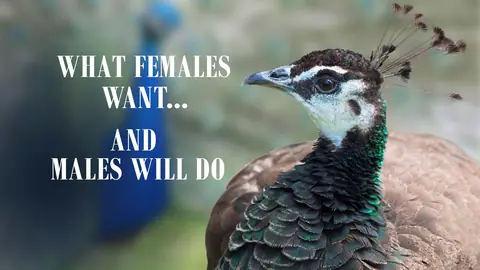 What Females Want and Males Will Do2 episodes · 60 min eachPrep 1
- What it is about
- Episode 1 follows a male with a golden mane, where the female makes every choice, including which male to pick. Episode 2 follows the Australian lyrebird, which can copy almost any sound and uses its voice to win a mate.
- Skills practiced
- Critical thinking, Communication and teamwork
- Before you watch
- Notice what males do to catch a female's attention, and what the females look for when they choose.
- Ask after watching
- Females choose males by what they see or hear. What do you think they are looking for?
- Try it
- Watch for a bird or animal in your community that uses sound or color to attract a mate. Write down what it uses and when, then tell a friend.
- Talk about it at home
- Have we noticed birds or animals that sing or show off to find a mate? Did your grandparents ever watch them?
- Heads up
- Sensitive topics (war, religion, politics)
299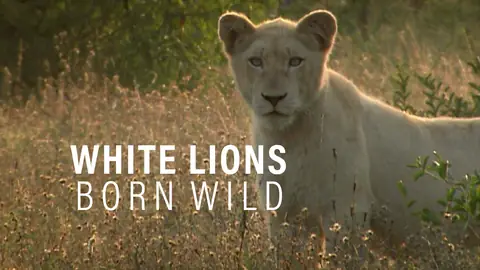 White Lions Born Wild1 episode · 60 min eachPrep 1
- What it is about
- A white lion cub looks different from the rest of the pride, which makes life in the wild harder. Luckily its mother protects and cares for it until it can look after itself.
- Skills practiced
- Emotional intelligence
- Before you watch
- Notice what chances and problems a white cub has that a regular colored cub doesn't.
- Ask after watching
- When color makes it harder for a cub to hunt, who could help, and how, without taking away its wild nature?
- Try it
- Ask 3 friends if they have ever felt different from others, and about what. Ask how friends helped or made it worse. Write short notes.
- Talk about it at home
- Have we had a child or animal at home who was different and got extra care? Can your grandparents tell a story like that?
- Heads up
- Animals hunting each other, Death
300 Wild 243 episodes · 60 min eachPrep 2
- What it is about
- A series that watches animals around the clock, 24 hours at a time. It visits the African savannah, Chile's Atacama Desert, one of the driest places on Earth, and Tasmania, home to many rare animals.
- Skills practiced
- Critical thinking
- Before you watch
- Notice how each animal splits up its day. When does it eat, and when does it hide?
- Ask after watching
- If you watched an animal for 24 hours, what would you learn that you could never learn in one hour?
- Try it
- Choose one animal near home. Over 3 days, write down when you see it, then make a daily schedule for that animal.
- Talk about it at home
- What animals near home come out at night? Did your grandparents know animals that appeared after dark?
- Heads up
- Animals hunting each other, Death, Fighting
301Wildlife Icons4 episodes · 60 min eachPrep 1
- What it is about
- A series on animals that stand for the wild. Meet Africa's vulture clean-up crew, frogs that live on every continent except Antarctica in a fast-changing world, packs of hunters, and animals that live side by side.
- Skills practiced
- Global citizenship, Communication and teamwork
- Before you watch
- Notice the job each animal does in the wild that we often overlook.
- Ask after watching
- Animals people don't like, such as vultures, do important jobs. What are they, and what would happen without them?
- Try it
- List 3 animals in your community that people dislike. Find the good things each one does by watching and asking grown-ups.
- Talk about it at home
- Is there an animal people dislike that actually helps us, like a house gecko? What do your grandparents say about these animals?
- Heads up
- Death, Animals hunting each other, Fighting
302 The Big Feed12 episodes · 30 min each
- What it is about
- Go behind the scenes with zoo keepers as they prepare meals for giant pandas, red pandas, lions, orangutans, and more. Sample episodes look at where food comes from and how animals are fed in the zoo.
- Skills practiced
- Critical thinking, Creative thinking
- Before you watch
- Notice how the keepers think about what each animal needs, and how they work as a team.
- Ask after watching
- What do you need to know to choose the best food for an animal you care for? What do you think matters most?
- Try it
- Plan a one day menu for a pet or an imaginary animal. Say why each food fits. Then ask a grown-up if they agree.
- Talk about it at home
- What do we feed our animals from kitchen leftovers? How did our grandparents feed animals at home as kids?
- Heads up
- Animals hunting each other, Fighting
303 Undiscovered Vistas6 episodes · 60 min eachPrep 1
- What it is about
- A series that explores wild places few people have seen: Iceland, shaped by fire and carved by ice, plus Wales, Ireland, Vancouver Island, the Sierra, and Costa Rica. The sample episode visits Iceland, land of fire and ice.
- Skills practiced
- Critical thinking, Global citizenship
- Before you watch
- Notice how fire and ice build and change the land.
- Ask after watching
- When people live on land shaped by huge forces, how should they stay careful and get ready?
- Try it
- Find out how the land in your community formed, like silt from a river. Ask a grown-up if it has changed over time.
- Talk about it at home
- Has the land around us changed since your grandparents were kids, like riverbanks collapsing or sand building up? What do they say?
- Heads up
- Disasters
304 Arlberg - The Hidden Paradise1 episode · 60 min eachPrep 1
- What it is about
- Visit the Arlberg mountains in Austria and see how people and wildlife live through the winter.
- Skills practiced
- Global citizenship
- Before you watch
- Notice how people and animals share the same mountain.
- Ask after watching
- If people and animals need the same place in winter, who should make room for whom? What do you think?
- Try it
- Ask a grown-up what rules your community has for places that people and animals share, like grazing land. Write them down.
- Talk about it at home
- How did people and animals share space around our home when our grandparents were kids?
- Heads up
- Animals hunting each other
305 Barney's Barrier Reef13 episodes · 30 min eachPrep 1
- What it is about
- Australia has the biggest coral reef on Earth, where every living thing is connected like a family tree stretching back a very long time. This series follows many sea animals. Sample episodes cover master hiders and hunters.
- Skills practiced
- Critical thinking, Communication and teamwork
- Before you watch
- Notice the tricks reef animals use to fool others and protect themselves.
- Ask after watching
- Reef animals depend on one another. If you removed one small fish, what do you think would happen?
- Try it
- Make a family tree of the living things in a garden or pond. Group the ones that are connected, then explain it to a friend.
- Talk about it at home
- Are there animals at home that help each other, like birds and buffalo? Can your grandparents tell us about that?
- Heads up
- Animals hunting each other, Death, Scary scenes
306 Camp Raiders1 episode · 60 min eachPrep 1
- What it is about
- Kruger National Park in South Africa is a huge, popular park with 6 types of natural habitat across almost 20,000 square kilometers. It is home to many beautiful plants and animals.
- Skills practiced
- Critical thinking
- Before you watch
- Notice which animals come into places where people stay, and why they come.
- Ask after watching
- When people set up camp in an animal's home, who should adjust first, and how?
- Try it
- Look around your school or village for animals that come to find food where people live. Come up with 2 ways to live side by side.
- Talk about it at home
- Do animals come in to eat our food at home? How did our grandparents deal with them without hurting the animals?
- Heads up
- Animals hunting each other
307 CONGO2 episodes · 60 min eachPrep 1
- What it is about
- Life along the Congo River, one of Africa's great rivers, from tiny creatures to giants of a rich rainforest. Sample episodes explore dangers in the deep river and the great apes.
- Skills practiced
- Critical thinking
- Before you watch
- This one has some animals hunting. Notice how one river is home to very different animals.
- Ask after watching
- If more people use a big river, what happens to the animals that live in it? What do you think?
- Try it
- Look at a water source near home. Who uses it, people and animals alike? Make a list.
- Talk about it at home
- Was the river or canal near us cleaner when your grandparents were kids? What did they use it for?
- Heads up
- Animals hunting each other
308 Deadly Waters1 episode · 60 min eachPrep 2
- What it is about
- An explorer visits dangerous places around the world, from frozen lakes near the North Pole to the desert. He looks for the warning signs before danger strikes, then heads to the middle of the sea, which is possibly the most dangerous place of all.
- Skills practiced
- Critical thinking
- Before you watch
- This one visits very dangerous places. If anything feels upsetting, say so. Watch what signs the explorer looks for to know danger is near.
- Ask after watching
- The explorer reads warning signs before danger comes. If you lived by the water, what signs would tell you it is rising?
- Try it
- Walk around home or school and find 3 places that could be dangerous. Together, make a warning sign or a way to be careful.
- Talk about it at home
- Are there places our grandparents taught us to be careful around? What signs did they watch for?
- Heads up
- Animals hunting each other, Death, Scary scenes
309 Discovering Animal Behavior1 episode · 30 min eachPrep 1
- What it is about
- Strange animal behavior up close. A new kind of mountain ant in Spain uses the sun to find its way, and a colorful bird uses its feathers to send messages.
- Skills practiced
- Critical thinking
- Before you watch
- Notice how the scientists run experiments to learn that ants use the sun.
- Ask after watching
- How would you test what ants use to find their way, without hurting them?
- Try it
- Try a small ant test outdoors. Put a little shade beside an ant trail and see if the ants change their path. Write down what happens.
- Talk about it at home
- Do our grandparents watch ants, insects, or birds to tell what the weather will do? What do they say?
- Heads up
- Animals hunting each other
310 Extreme Ice1 episode · 60 min eachPrep 1
- What it is about
- In the coldest places on Earth, something unexpected is happening. Icebergs and ice sheets are splitting apart faster than anyone thought. Scientists try to predict what comes next, and a photographer takes risks to capture it.
- Skills practiced
- Global citizenship
- Before you watch
- Listen for how scientists measure changes in the ice.
- Ask after watching
- This film was made some time ago. If you wanted to know how the ice is today, what would you look at?
- Try it
- With a grown-up or teacher, find recent news about polar ice or glaciers. Compare it to the film and see what has changed.
- Talk about it at home
- What were winters like at home when your grandparents were kids? Are they different now?
- Heads up
- Disasters
311 Hotspots: The Last Hope5 episodes · 60 min eachPrep 1
- What it is about
- A series that explores places with a wide variety of life that are at risk of losing it, like Australia's rainforests, Borneo with its many monkeys, Madagascar, and the Mediterranean. The goal is to save animals close to extinction.
- Skills practiced
- Global citizenship
- Before you watch
- Notice which animals live only in each place and what threatens them.
- Ask after watching
- Some animals live in only one place on Earth. If that place disappears, so do they. Who do you think should take responsibility?
- Try it
- Find out which plants or animals live only in your community. Ask 2 grown-ups, then make one fact card.
- Talk about it at home
- Is there an animal or tree found only in our village? What do our grandparents call it, and what stories do they tell?
- Heads up
- Death, Animals hunting each other
312 Island of the Monsoon2 episodes · 60 min eachPrep 2
- What it is about
- The story of Sri Lanka. Episode 1 looks for the realm of a young female leopard who will become the next queen of Yala National Park. Episode 2 follows a newborn elephant calf in Asia's largest herd, from its first moments to an important journey with its family.
- Skills practiced
- Critical thinking, Emotional intelligence
- Before you watch
- Notice how a leopard and an elephant live differently on the same island. One lives alone and one lives in a herd.
- Ask after watching
- The leopard lives alone and the elephants live in a group. Which way survives more easily? What did you see that made you think that?
- Try it
- Compare animals in your community that live alone with those that live in groups, like a cat and a cow. Write the good and hard parts of each.
- Talk about it at home
- When our grandparents were kids, did our family live in a big household or a small one? Which did they like, and why?
- Heads up
- Animals hunting each other, Death, Fighting
313 Keepers of the Cape6 episodes · 30 min eachPrep 2
- What it is about
- Explore the wildlife and natural systems of South Africa's Western Cape, and the positive conservation work of local scientists and protectors. The sample episode visits African penguins on Dyer Island.
- Skills practiced
- Global citizenship, Critical thinking
- Before you watch
- Notice how local conservationists work, and what results they get.
- Ask after watching
- This film shows what conservation gets right. If we only see the good, what could we miss? What would you want to know about the problems?
- Try it
- Ask a grown-up what your community's nature projects have achieved and what they haven't. Write it in two columns.
- Talk about it at home
- Has our village had a project to protect forests, water, or animals? Can our grandparents tell us how it worked out?
- Heads up
- Death, Animals hunting each other
314Keepers of the Cape7 episodes · 30 min eachPrep 1
- What it is about
- A follow up to Keepers of the Cape that looks at problems and fixes, like responsible fishing, West Coast National Park, Cape Agulhas, Cederberg, and the Cape's own unique plants. The sample episode is about responsible fishing.
- Skills practiced
- Global citizenship, Critical thinking
- Before you watch
- Notice what responsible fishers do differently from before.
- Ask after watching
- If people who live off the sea need to catch less fish to keep fish for the future, who should say so? And what should fishers get in return?
- Try it
- Ask someone who fishes or raises animals what rules help nature last. Write them down.
- Talk about it at home
- Did the village have rules about taking from nature when your grandparents were kids, like no fishing during spawning season?
- Heads up
- Death
315 Lakes on the Roof of the World1 episode · 60 min eachPrep 0
- What it is about
- Qinghai Lake in China is one of the highest lakes in the world, a stunning and peaceful place with a long cultural history. The film tells the story of the people who live around it in a faraway land.
- Skills practiced
- Global citizenship
- Before you watch
- Notice how the culture of the people there is tied to the lake and the mountains.
- Ask after watching
- When people far away have a different culture from ours, should we learn from them? What could we learn?
- Try it
- Ask a grown-up if your community has traditions or beliefs about water or mountains. Write them down to share.
- Talk about it at home
- Do we have a tradition about water? How did your grandparents celebrate it when they were kids?
316Lakes on the Roof of the World4 episodes · 60 min eachPrep 0
- What it is about
- A series on high lakes in Central Asia, including a lake in Kazakhstan called the pearl of the country, and Lake Issyk-Kul in Kyrgyzstan, with a thousand years of civilization. It also visits Tajikistan.
- Skills practiced
- Global citizenship
- Before you watch
- Notice how the four lakes differ in their people, borders, and food.
- Ask after watching
- A lake can sit on the border of several countries. How can people from each country share its water?
- Try it
- Ask a grown-up where water from a nearby source flows and who uses it next. Draw the water's path.
- Talk about it at home
- Who shared the water in our river or canal when our grandparents were kids? Did people ever argue over it?
317 Naica Secrets of the Crystal Caves1 episode · 60 min eachPrep 0
- What it is about
- Scientists and explorers go to the Naica mine in Mexico to solve the mystery of the crystal caves and search for new ones. They find a wonder they call the ice palace.
- Skills practiced
- Critical thinking
- Before you watch
- Notice how the scientists deal with a cave that is extremely hot and dangerous.
- Ask after watching
- If the most beautiful cave is a place people can only stay in briefly, should we go in, or protect it by staying out? Why?
- Try it
- Play a decision game about a risky place near home, like a cave or a riverbank. Write the good and bad of going in, then ask a grown-up.
- Talk about it at home
- Is there a cave or place at home that grown-ups say not to go? Can your grandparents tell us why?
318 Peace Parks6 episodes · 60 min each
- What it is about
- A series on peace parks, nature reserves that cross the borders between countries in Africa. Examples are Drakensberg between Lesotho and South Africa, and Kgalagadi between Botswana and South Africa, with red sand dunes over 100 kilometers long. A news photographer travels to learn about the wildlife and ecosystems.
- Skills practiced
- Global citizenship, Critical thinking
- Before you watch
- Notice how people from two countries have to work together in a park that crosses a border.
- Ask after watching
- When two countries have to agree about one forest, what helps them agree, and what makes it hard?
- Try it
- Hold a class talk. Two groups play two villages sharing a forest. Each says what it needs, then they work out a deal.
- Talk about it at home
- Has our village or a nearby one ever had to agree about land or water? Can our grandparents tell us about it?
- Heads up
- Animals hunting each other
319 Red Alert in the Deep Blue1 episode · 60 min eachPrep 1
- What it is about
- This film visits sea animals facing danger, both from other animals and from people. One example is lionfish crowding the Caribbean, and the plan to reduce their numbers.
- Skills practiced
- Global citizenship
- Before you watch
- Notice who is changing the sea, and why they do it.
- Ask after watching
- If one animal causes trouble for others without meaning to, what should we do about it? Try to think of many ways.
- Try it
- Ask people who use a nearby canal or pond which fish or shellfish are there now that weren't before. Write notes to share with friends.
- Talk about it at home
- What fish or water animal was rare when your grandparents were kids but is common now? What do they think caused it?
- Heads up
- Animals hunting each other
320 The Best of Australia2 episodes · 60 min each
- What it is about
- Two episodes on the beauty of Australia's nature. One visits a mountain range with parks and a wide variety of plants and animals. The other visits Christmas Island and the Cocos Islands, small islands with plants and animals found nowhere else.
- Skills practiced
- Critical thinking
- Before you watch
- Guess why small islands have animals unlike those anywhere else, then see what the film says.
- Ask after watching
- Animals on a small island and in a big mountain range adapt in different ways. Which place do you think is better for animals?
- Try it
- Find a plant or animal found only near you, like a provincial fruit or a fish from one river. Ask a grown-up for its story and tell a friend.
- Talk about it at home
- Does our province have a plant or animal unlike any other place? What do our grandparents know about it?
- Heads up
- Animals hunting each other
321Undiscovered Vistas3 episodes · 60 min each
- What it is about
- Explore nature in Mexico and Costa Rica, from rainforest with rivers hidden underground to protected lands that hold many kinds of animals and trees.
- Skills practiced
- Critical thinking
- Before you watch
- Notice which living things in this forest seem unrelated but actually depend on each other.
- Ask after watching
- What in this forest seems to have nothing to do with the rest, but you think is connected? What is your reason?
- Try it
- Pick a corner of school, like under a tree or along the fence. Draw what is there and how each thing depends on the others. What if you took one thing away?
- Talk about it at home
- What do we depend on at home, like trees and water, or animals and people? How was it when your grandparents were kids?
- Heads up
- Animals hunting each other
322 My Life is a Zoo1 episode · 60 min eachPrep 0
- What it is about
- A couple run a private zoo in Michigan with over 400 animals, some native and some from far away, and many rescued. In one episode they plan to bring their first hippo to the zoo.
- Skills practiced
- Emotional intelligence
- Before you watch
- Notice what it takes to run a zoo you would not think of.
- Ask after watching
- When they planned for the hippo, what did they need to think about ahead of time, and what could go wrong?
- Try it
- Plan a home for a small animal, like a chicken or a rabbit. Draw a layout and note the size, food, water, shade, and who will care for it. Present it to friends for feedback.
- Talk about it at home
- Did your grandparents ever raise a big animal like a cow or buffalo? What did they have to prepare, and what was hardest?
323My Life is a Zoo1 episode · 60 min eachPrep 0
- What it is about
- A couple runs their own small zoo, and their biggest plan yet is to bring home their first hippo.
- Skills practiced
- Critical thinking
- Before you watch
- Notice the hard choices people have to make about animals in this film.
- Ask after watching
- How can you tell if an animal is comfortable in a small zoo, and what can people do to make it better?
- Try it
- Write 3 questions you would like to ask someone who raises animals. Then ask a person in your community who keeps buffalo, cows, chickens, or dogs how they keep them comfortable.
- Talk about it at home
- Does anyone at home keep animals? How did your grandparents care for animals when they were kids?
324 Penguin Island3 episodes · 60 min eachPrep 2
- What it is about
- Three episodes on Phillip Island, a penguin reserve in southern Australia, where researchers protect penguins from many dangers. One episode is about predators, one about a heat wave that little penguins face, and one about a pair of penguins.
- Skills practiced
- Global citizenship, Critical thinking
- Before you watch
- Notice who helps the penguins and who threatens them. This one has predators and penguins that do not survive. If anything feels upsetting, say so.
- Ask after watching
- The researchers help some penguins but not others. What are your reasons for agreeing or disagreeing?
- Try it
- Role play a wildlife board. Two groups of friends debate whether to help struggling animals or let nature take its course. Then sum up both sides.
- Talk about it at home
- Has a wild animal come into our village? Did the grown-ups help it or chase it away, and was that the right choice?
- Heads up
- Animals hunting each other, Death, Blood or dissection
325 Pet Heroes12 episodes · 30 min eachPrep 1
- What it is about
- A series on the bravery of dogs of many breeds, told through interviews with their owners and families. These dogs rescue people, warn of illness, or work as helpers.
- Skills practiced
- Emotional intelligence, Communication and teamwork
- Before you watch
- Notice how the owners talk about their feelings. In this one, people or dogs get hurt or sick.
- Ask after watching
- Why can dogs help people? Is it nature or training, and why do you think so?
- Try it
- Teach a friend or a pretend dog a simple trick. Plan it out step by step, then try it for real.
- Talk about it at home
- Have animals at home helped with work, like buffalo plowing fields or dogs guarding farms? How did the grown-ups train them?
- Heads up
- Death, Disasters, Fighting
326 Pet Island5 episodes · 30 min each
- What it is about
- A look at pets in Ireland, including cats, dogs, horses, donkeys, and small animals. There are dog and cat shows, training, pet care centers, and stories of pets who fit in with children and families.
- Skills practiced
- Critical thinking, Emotional intelligence
- Before you watch
- Notice how the judges decide who wins at a pet show.
- Ask after watching
- How do winners and losers feel at a show? Is a contest like this good for the animals?
- Try it
- Teach a friend to act like an animal and do simple moves, one step at a time. Then talk about what makes good teaching.
- Talk about it at home
- Has anyone in our family entered a contest? How did they feel when they won or lost?
- Heads up
- Death, Blood or dissection
327 Pets in Paradise13 episodes · 30 min each
- What it is about
- A series on pets who do special things, like surfing pigs, diving dogs, sniffer dogs, therapy dogs, and many kinds of animal training. It also shows the friendship between people and animals.
- Skills practiced
- Critical thinking, Emotional intelligence
- Before you watch
- Guess how fast pets can learn new things.
- Ask after watching
- What do animals who learn well have in common, and what does the teacher have to do? What did you notice?
- Try it
- Train yourself or a friend to do one new move, like spinning a pen. Count how many tries it takes, then compare it with what the show tells.
- Talk about it at home
- Does anyone in our village train animals for work? How do they do it, and how long does it take?
- Heads up
- Animals hunting each other, Death, Disasters
328 Pick a Puppy15 episodes · 30 min each
- What it is about
- A series about families searching for the right puppy. Each family tries several breeds, then picks the one that best fits their home and family. Some episodes follow children who need an animal friend more than most.
- Skills practiced
- Critical thinking, Emotional intelligence
- Before you watch
- Guess how breeds differ in ways people need to know before getting a dog.
- Ask after watching
- How did the families choose their dogs? If it were our home, what would we think about?
- Try it
- List what a pet needs from your home, like space, time, and money. Ask a friend to check whether your home is ready.
- Talk about it at home
- Did anyone at home raise an animal and later have to stop? What was the reason?
- Heads up
- Death
329Too Cute1 episode · 60 min eachPrep 0
- What it is about
- A film about how cute baby animals are: American shorthair kittens, miniature Australian shepherd puppies, and Ragdoll kittens.
- Skills practiced
- Critical thinking
- Before you watch
- Guess how these three baby animals will grow up differently.
- Ask after watching
- What is the same and different about the three breeds, and how should we care for each one differently?
- Try it
- Make a chart comparing two pets you know, with what each one needs. Ask a friend to add more.
- Talk about it at home
- How do the grown-ups at home care differently for different animals, like cats and chickens?
330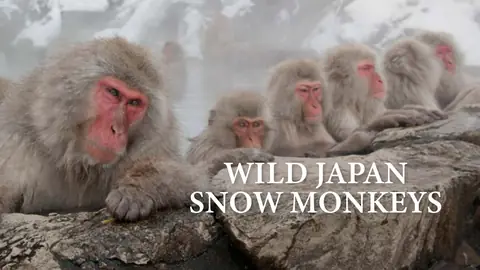 Wild Japan - Snow Monkeys1 episode · 60 min eachPrep 1
- What it is about
- Snow monkeys live in a valley in central Japan, getting through bitter cold in the Japanese Alps.
- Skills practiced
- Emotional intelligence
- Before you watch
- Guess how monkeys in a very cold place act differently from monkeys in a hot forest.
- Ask after watching
- What do snow monkeys do that people do, and what is different? Where do you think they learned it?
- Try it
- Ask a grown-up in your village about animals they have seen doing something people do, like a monkey or a bird. Write it down to share.
- Talk about it at home
- Do monkeys or other wild animals come near our village? How do the grown-ups feel about them?
- Heads up
- Death
331 Wild Menu15 episodes · 30 min eachPrep 2
- What it is about
- The whole world is one big restaurant, and every animal eats to live while also being on someone's menu. Each episode looks at one kind of food, like insects, fruit, leftovers from a kill, seafood, and what baby animals eat.
- Skills practiced
- Critical thinking, Global citizenship
- Before you watch
- Think about why small and big animals eat different things. Some scenes show animals hunting and eating things people may find yucky, so you can watch those parts together.
- Ask after watching
- How does each animal choose what to eat, and what do you think made it choose that?
- Try it
- Build a food chain from things you find around school, like grass, a grasshopper, and a bird. Explain to a friend who eats whom, and what happens if one of them disappears.
- Talk about it at home
- What foods do people in our village eat that people elsewhere may not, like insects or wild greens? How do grandparents feel about those foods?
- Heads up
- Animals hunting each other, Death, Blood or dissection
332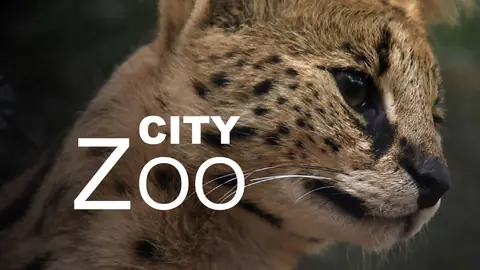 City Zoo7 episodes · 30 min eachPrep 1
- What it is about
- This series visits a zoo in the middle of Pretoria, South Africa, home to animals from all over the world. Each episode follows the keepers who care for one group, such as big cats, rhinos, birds, primates, reptiles, and antelope.
- Skills practiced
- Critical thinking, Communication and teamwork
- Before you watch
- Watch how each team member does a different job and how they work together. Some episodes show sick animals or animals hunting, so be ready to talk about them.
- Ask after watching
- How did the zoo team solve problems together, and what do you think would happen if one person were missing?
- Try it
- Work in a group to plan the care of one zoo animal. Give everyone a different job, then act out what happens when one person forgets theirs.
- Talk about it at home
- How do the adults in our family share the work of caring for animals or the farm? Who does which job?
- Heads up
- Blood or dissection, Death, Fighting
333 Inside5 episodes · 60 min each
- What it is about
- Go behind the scenes of huge events and see how many people it takes to pull them off. You will visit Lunar New Year in Hong Kong, an air show, Miami airport, Rio's carnival, the Tutankhamun exhibition, wildfire fighting, and a kidney transplant.
- Skills practiced
- Creative thinking, Communication and teamwork
- Before you watch
- Think about how long it takes to get ready for a giant event. The wildfire and surgery episodes can feel intense, so pick the order together.
- Ask after watching
- What problems did the people behind the scenes have to solve, and which one do you think was the hardest?
- Try it
- Pick an event at school or in your village, like sports day. Ask the organizers what they had to prepare and how long it took, then write the steps in order.
- Talk about it at home
- Has anything gone wrong at a big village event that people fixed together? Ask grandparents to tell the story.
- Heads up
- Disasters
334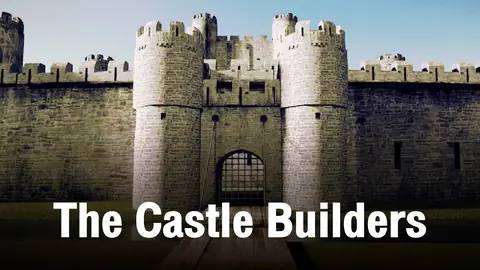 The Castle Builders2 episodes · 60 min eachPrep 1
- What it is about
- How were castles built, and why were they built that way? These two episodes follow castles through hundreds of years of change and ask why they still capture our imagination. One shows castles standing up to attack. The other shows castles as symbols of power.
- Skills practiced
- Critical thinking
- Before you watch
- Look for the parts of a castle that keep enemies out. The story includes some war, so you can talk about it as you watch.
- Ask after watching
- If you had to build the strongest home ever, how would you design it? What did you learn from castles?
- Try it
- Build a small castle from boxes, paper, or clay with an entrance that is easy to defend. Then ask a friend to find its weak spots.
- Talk about it at home
- How did people in our village protect their homes from thieves or danger long ago, with fences, moats, or watchtowers? Ask grandparents what they remember.
- Heads up
- Fighting
335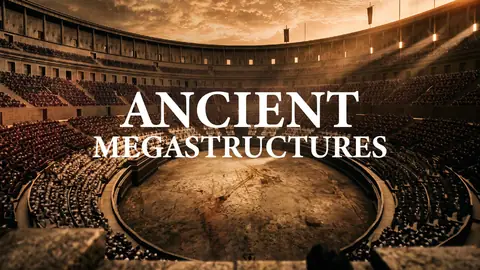 Ancient Megastructures1 episode · 60 min eachPrep 0
- What it is about
- Three giant buildings from long ago take center stage: Chartres Cathedral, the Colosseum, and the Pyramids of Giza. They have stood for hundreds or thousands of years, and they still hold secrets to uncover.
- Skills practiced
- Critical thinking
- Before you watch
- Think about what people long ago used to build something so big and tall. One episode shows fighting and death in an ancient arena, so pause to talk.
- Ask after watching
- How did people long ago figure out how to build such huge things, and what do you think was the hardest part?
- Try it
- Build a tall tower from books or three boxes, with no tape. Try different ways of stacking to see which stands longest, then talk about why.
- Talk about it at home
- Is there a temple or old building in our village that people built together long ago? How did they work on it together?
336Ancient Megastructures2 episodes · 60 min eachPrep 1
- What it is about
- Two amazing places from the past: Machu Picchu high in the Andes mountains of Peru, built with thousands of stones fitted together precisely and standing for nearly 600 years, and Petra, a city in the Arabian desert and a masterpiece of engineering.
- Skills practiced
- Critical thinking
- Before you watch
- Think about how people kept a city alive on a mountaintop and in a desert. Some parts of the story include fighting.
- Ask after watching
- Why do you think the builders chose these places? If it were up to us, how would we choose where to build a home?
- Try it
- Stack small stones or wood blocks into a wall without glue. Try different ways to keep it from falling, then tell a friend what you learned.
- Talk about it at home
- Why did people settle in our village in the first place? Ask grandparents about the water, soil, or other things that made this a good spot.
- Heads up
- Fighting
337 ANCIENT CHINA1 episode · 60 min eachPrep 0
- What it is about
- This film shows how creative people in ancient China were. It looks at junk ships, which have plain sails but clever engineering, and at the rudder, and at weapons and inventions that began in China, like gunpowder, which was found by accident.
- Skills practiced
- Creative thinking
- Before you watch
- Notice the ideas from ancient China that we still use today. The episode about weapons includes some fighting.
- Ask after watching
- Which ancient Chinese invention do you think was the cleverest, and why?
- Try it
- Make a boat from paper or a leaf. Try a simple sail or rudder and see what helps it turn best.
- Talk about it at home
- What boats or tools did our grandparents use that people in the past invented, like fishing boats or traps? How do they work?
338 Finding the Origin of Life1 episode · 60 min eachPrep 1
- What it is about
- Scientists from Denmark to Hawaii are racing to understand how life began. Their idea is to try building life from scratch. Each one hopes to be the first to find where life came from.
- Skills practiced
- Critical thinking
- Before you watch
- Think about where they think life started. Then watch to see how the scientists think about it.
- Ask after watching
- The scientists each have a different guess. Whose idea do you find most convincing, and why?
- Try it
- Watch one seed. Put it on a damp cloth or in soil and write down what happens each day. What do you think makes the seed come alive?
- Talk about it at home
- What stories or beliefs do grandparents know about how the world or life began?
- Heads up
- Sensitive topics (war, religion, politics), Claims that are not proven
339 Gautrain Africa’s Golden Train1 episode · 60 min eachPrep 0
- What it is about
- Meet the Gautrain, Africa's first high-speed train, linking Johannesburg and Pretoria in South Africa. The new growth around it draws lots of people in.
- Skills practiced
- Critical thinking
- Before you watch
- Think about how a train like this could change life in a city.
- Ask after watching
- What does a new train give the people who ride it, and who could it make life harder for? What do you think?
- Try it
- Draw a map of your route from home to school. Imagine a train line cutting through it. Who would gain, and who would lose out?
- Talk about it at home
- Did a new road or bridge ever change life in our village? Ask the grown-ups how things changed.
340 The Incredible Human Journey5 episodes · 60 min eachPrep 1
- What it is about
- An anthropologist travels the world to trace the journeys of early humans, from Africa to Asia, Europe, Australia, and the Americas. Along the way we see how those journeys changed people.
- Skills practiced
- Critical thinking
- Before you watch
- Think about how our ancestors reached new lands long ago. Then watch to compare.
- Ask after watching
- If we share the same ancestors, why do people in different places look different? What do you think, and what does the show say?
- Try it
- Ask a grown-up where our family lived before settling here. Draw the route on paper and label the places along the way.
- Talk about it at home
- Where did our ancestors come from, and how did they travel? Have newcomers ever come to live in our village?
- Heads up
- Sensitive topics (war, religion, politics)
341 In Search of Frida Kahlo1 episode · 60 min eachPrep 1
- What it is about
- Meet Frida Kahlo, a famous Mexican artist of the early and middle 1900s. She painted her pain and sadness in life honestly and directly. Her art and her story have inspired many people.
- Skills practiced
- Emotional intelligence
- Before you watch
- Look at one of her paintings with your child and talk about what you see and feel. The story includes illness and sadness.
- Ask after watching
- How do her paintings make you feel? How do you think she felt while painting them?
- Try it
- Draw a picture of yourself using colors or patterns that show how you feel today. Tell a friend why you picked them.
- Talk about it at home
- What helped grandparents get through hard or sad times, like singing, making crafts, or praying?
- Heads up
- Death, Disasters, Sensitive topics (war, religion, politics)
342 Life's Journey3 episodes · 60 min eachPrep 2
- What it is about
- Follow wild animals through the stages of life: being born, growing up, and having young of their own. One episode follows newborns that must watch for danger and grow fast. Another follows animals that reach adulthood and still face challenges. The last is about finding a mate and carrying on the species.
- Skills practiced
- Critical thinking
- Before you watch
- Think about how many baby animals in the wild make it to adulthood. Some scenes show hunting and young animals that do not survive.
- Ask after watching
- What is different about the animals that made it and the ones that did not? How much do you think luck matters?
- Try it
- Make a chart for three animals. Write how many young each has and how it cares for them, then guess which one has the most young that survive.
- Talk about it at home
- Did grandparents ever raise animals that have many babies at once, like pigs or chickens? Which ones grew up and which did not, and how did that feel?
- Heads up
- Animals hunting each other, Death
343 MARGALLA1 episode · 30 min eachPrep 1
- What it is about
- Margalla Hills National Park surrounds Islamabad, the capital of Pakistan. It covers about 16,000 hectares and sits close to the center of the city. This film shows the wildlife that lives so near a big city.
- Skills practiced
- Global citizenship
- Before you watch
- Think about what problems wild animals face when they live next to a big city.
- Ask after watching
- How do wild animals and people living nearby help or bother each other? How could they live side by side?
- Try it
- Write three rules for people who walk in the forest near your home so they do not disturb animals. Ask a friend if the rules are realistic.
- Talk about it at home
- Is there a forest or mountain near our village? What rules do grown-ups follow when they go in, and what stories do they tell about the wildlife there?
- Heads up
- Animals hunting each other
344 My Family and Other Turkeys with Nigel Marven1 episode · 60 min eachPrep 0
- What it is about
- Turkeys usually show up at holiday feasts. In this episode, Nigel Marven introduces a family of wild turkeys who become the newest pets in his home.
- Skills practiced
- Emotional intelligence
- Before you watch
- Think about how living with wild animals at home could change a family.
- Ask after watching
- What did Nigel learn from living with the turkeys, and what do you think the wild turkeys learned from people?
- Try it
- Watch one animal you know for a week. Write down how it reacts to you compared with how it reacts to other people.
- Talk about it at home
- Did we ever have an animal so close to the family it felt like a member? Ask grandparents to tell the story.
345 MYSTERIES OF CHINA1 episode · 60 min eachPrep 1
- What it is about
- This film is about ancient tombs in China, including the jade burial suit tomb that construction workers found in 1983, and the Three Kingdoms period, when tens of millions of people died in wars over power.
- Skills practiced
- Critical thinking
- Before you watch
- Think about what an old tomb can tell us about people long ago. The story includes war and death.
- Ask after watching
- What do the things found in the tomb tell you about the person buried there? What surprised you most?
- Try it
- Play detective. A friend puts a few objects in a box. Study them and guess what kind of person owned them and what they did. Write your reasons.
- Talk about it at home
- What customs do we have for burying or keeping things for loved ones who have passed? Ask grandparents to share.
- Heads up
- Death
346 Reef Wrecks5 episodes · 60 min each
- What it is about
- Shipwrecks and planes sunk under the sea become artificial reefs where sea animals live. Visit places like Bonaire, Florida, the Bahamas, Roatan, and Mexico.
- Skills practiced
- Global citizenship, Critical thinking
- Before you watch
- Think about how long it takes for a sunken ship to become a home for sea animals.
- Ask after watching
- When people sink ships on purpose to make reefs, who benefits, and what problems could come up? What do you think?
- Try it
- Plan a home for water animals near you, like in a pond or canal, that does not harm nature. Draw it and give three reasons for your design.
- Talk about it at home
- Has our village ever done something to bring more fish to the canal or the rice fields? How did they do it?
- Heads up
- Disasters
347 Riding Britain’s Railways1 episode · 60 min eachPrep 0
- What it is about
- A film about British railways. It covers building the Great Western Railway between Bristol and London, following Brunel's vision of faster travel, and the courage and smart thinking of the railways in wartime.
- Skills practiced
- Creative thinking
- Before you watch
- Think about how people long ago dug tunnels through mountains.
- Ask after watching
- What idea of Brunel's did most people not believe at first? Why do you think he kept going?
- Try it
- Use books or boxes as a hill. Find a way for a toy car to get past it. Try going around and going through, then compare.
- Talk about it at home
- Is there a road, rail line, or bridge that grown-ups here helped build? How did they start?
348 Rome - What Lies Beneath1 episode · 90 min eachPrep 0
- What it is about
- Explore the Roman Empire, with its Colosseum, gladiators, and ancient cities frozen in time. What secrets made Rome so great? An archaeologist's work could lead us to the answers.
- Skills practiced
- Critical thinking
- Before you watch
- Think about how Rome built such a grand city 2,000 years ago.
- Ask after watching
- From what you saw, what made Rome strong? What would our own town need to last a long time?
- Try it
- Build a bridge from paper or craft sticks that can hold weight. Use a curved arch like the Romans did, and compare it with a flat bridge.
- Talk about it at home
- Is there an old bridge, road, or building near us that still works? Do the grown-ups know how it was built?
349 SCULPTURE DIARIES1 episode · 60 min eachPrep 1
- What it is about
- A film about sculpture tied to important human rituals: the beauty of the body, gods, the power of leaders, and land art, which is art made right on the earth, like a spiral of stones in the middle of a lake.
- Skills practiced
- Creative thinking
- Before you watch
- Notice what materials the artists use and where their work stands.
- Ask after watching
- How do you feel about art built on the land or in the middle of a lake? Would you want to visit it?
- Try it
- Arrange stones, leaves, or sticks into a big shape on the ground. Take a photo or draw it before the wind and rain change it.
- Talk about it at home
- Are there statues or carvings made by grandparents or people in our village? What were they made for?
- Heads up
- Claims that are not proven
350 Secrets of The Exhibit6 episodes · 30 min eachPrep 1
- What it is about
- Go behind the scenes at museums to learn where the objects come from and what stories they hold. Discover stolen art, a legendary fighter plane, an underground Cold War shelter, dinosaurs, a painted tent, and ceramics.
- Skills practiced
- Critical thinking, Communication and teamwork
- Before you watch
- Think about how a museum knows where an object came from and how old it is.
- Ask after watching
- What stories behind the museum objects do most people not know? Why do you think museums keep them?
- Try it
- Choose the oldest object in your home or village. Ask a grown-up who used it and how, then write a short museum label for it.
- Talk about it at home
- What things do grandparents want to keep for the family to pass down, and why?
- Heads up
- Fighting, Sensitive topics (war, religion, politics), Blood or dissection
351 THE INDUSTRIAL REVOLUTION1 episode · 60 min eachPrep 0
- What it is about
- In 18th century Britain, new ideas and inventions changed how people used energy. They also turned the country into a place with more cities and more industry.
- Skills practiced
- Critical thinking
- Before you watch
- Notice which inventions made people's work faster.
- Ask after watching
- How did the new inventions make life better, and who did they make life harder for? What do you think?
- Try it
- Race two ways of doing the same job, like shaping clay pieces by hand versus using a mold. Which is faster? What do you gain and lose with each?
- Talk about it at home
- How did work at home or on the farm change after machines arrived, like tractors and rice mills? Ask grandparents to describe it.
352 The Lost Pyramid1 episode · 90 min eachPrep 0
- What it is about
- The three pyramids at Giza have stood for more than 4,500 years. Just five miles away, archaeologists are starting to investigate the secrets of another site.
- Skills practiced
- Critical thinking
- Before you watch
- Think about where a lost pyramid could be hiding and how archaeologists would find it.
- Ask after watching
- What clues did the archaeologists use, and which clue do you find most convincing?
- Try it
- Hide an object in the yard or a room. Write three clues for a friend to follow, then ask which clue helped most.
- Talk about it at home
- Is there an old place people in our village talk about, but nobody knows exactly where it is? What do grandparents say?
353 The Story Of Luxury2 episodes · 60 min each
- What it is about
- Two episodes about the human love of luxury. From meat as a sign of wealth in ancient Greece, to the Middle Ages, when luxury was seen as a sin.
- Skills practiced
- Critical thinking
- Before you watch
- Think about what people long ago thought of as fancy.
- Ask after watching
- The show says luxury changes with the times. What do we call luxury today, and why?
- Try it
- Ask three grown-ups what was a luxury when they were kids but is ordinary now, like ice cream or a phone. Write down the answers and compare.
- Talk about it at home
- When grandparents were kids, what was a luxury everyone wanted? How is it today?
- Heads up
- Sensitive topics (war, religion, politics)
354 Timewatch5 episodes · 60 min eachPrep 1
- What it is about
- Archaeologists and historians solve puzzles from the past, like a gladiator cemetery, Roman skeletons with no heads, Queen Elizabeth's warship, Hadrian's Wall, Stonehenge, knights, Viking ships, and shipwrecked pirates.
- Skills practiced
- Critical thinking, Communication and teamwork
- Before you watch
- Think about how archaeologists figure things out when nobody is left to tell the story. Some episodes show fighting and death, so start with Stonehenge or the Viking ships.
- Ask after watching
- What clues did the archaeologists collect, and which clue do you think was hardest to understand?
- Try it
- Pick one old object at home. Look at the marks on it and guess who owned it and how they used it.
- Talk about it at home
- Do grandparents keep old objects that tell the story of their lives or our family? Ask them to share.
- Heads up
- Fighting, Sensitive topics (war, religion, politics), Disasters
355 I Didn't Know That6 episodes · 30 min eachPrep 1
- What it is about
- Two presenters explore the secret lives of everyday things and how they work. You will see riot gear, crash test dummies, helmets, a tunnel under the sea, a hovercraft, and a milk tanker.
- Skills practiced
- Critical thinking, Creative thinking
- Before you watch
- Think about how a helmet or an underwater tunnel was first invented.
- Ask after watching
- What makes things that protect people, like helmets, keep getting better? What do you think the designers have to do?
- Try it
- Design a cover that keeps an egg from breaking when dropped from high up. Use spare materials from home, test it, and write down which design worked.
- Talk about it at home
- Have grown-ups ever changed something at home to make it safer, like a rail to stop falls or a way to keep out water? How did they do it?
- Heads up
- Fighting, Disasters, Claims that are not proven
356 Angry Planet6 episodes · 30 min eachPrep 1
- What it is about
- See how global warming and climate change affect people. Visit rising seas in Tuvalu, a volcano on Fogo, cyclones in Bangladesh, deforestation in Laos, and melting ice.
- Skills practiced
- Critical thinking, Global citizenship
- Before you watch
- Think about how home would change if the world gets warmer. Some episodes show disasters and damage.
- Ask after watching
- What problems did people face when nature changed, and what did they do to adapt? Do you think they chose well?
- Try it
- List three things at home or school that use electricity or water. Think of a way to use less of one, and who could help.
- Talk about it at home
- Have the weather, rain, or water changed since grandparents were kids? What have they noticed?
- Heads up
- Disasters, Claims that are not proven, Fighting
357 Eco Engineering2 episodes · 60 min eachPrep 0
- What it is about
- Two episodes on using engineering to help the planet. One visits one of the greenest skyscrapers in the world, right in New York City. The other follows experiments to get clean energy from the ocean.
- Skills practiced
- Creative thinking
- Before you watch
- Think about how a huge building could save electricity.
- Ask after watching
- How did the inventors try, fail, and try again before they succeeded? What did you take away from it?
- Try it
- Look around school for places that could save water or electricity. Write down three, think of fixes that cost nothing, and share them with your teacher.
- Talk about it at home
- How do the grown-ups here save water or electricity, or reuse things? When did they start?
358Cosmic Vistas15 episodes · 30 min each
- What it is about
- Pictures from space, seen through the Hubble Space Telescope and other observatories. You will see Saturn, Mars, the northern lights, water in the solar system, and gravity.
- Skills practiced
- Critical thinking, Creative thinking
- Before you watch
- Look at the night sky and count how many stars you can see.
- Ask after watching
- Which picture made you want to know what it is? What would you ask about it?
- Try it
- Tonight, go outside with a grown-up and look at the sky for ten minutes. Draw what you see, like the moon or the brightest star, and tell a friend tomorrow.
- Talk about it at home
- What beliefs or stories do grandparents have about the stars and the moon? What did they use them for, like farming?
- Heads up
- Blood or dissection, Claims that are not proven
359A New Age of Exploration1 episode · 60 min eachPrep 0
- What it is about
- National Geographic leads a new age of exploration and keeps pushing the limits of discovery. This film follows its explorers as they use new technology to find new things.
- Skills practiced
- Creative thinking
- Before you watch
- Think about how explorers today are different from explorers long ago.
- Ask after watching
- How does technology help explorers, and what do people still have to do themselves?
- Try it
- Explore a spot near home with simple tools like a magnifying glass, a phone, and a notebook. Write a report on what you find.
- Talk about it at home
- Did grown-ups here ever explore a new place, like looking for land to farm or things in the forest? What did they use to help?
360 Aftermath4 episodes · 60 min eachPrep 1
- What it is about
- What would happen if something huge changed our planet? These episodes imagine the world after the population doubles in an instant, the sun turns into a red giant, the Earth stops spinning, and oil runs out.
- Skills practiced
- Critical thinking
- Before you watch
- Think about how life would change if the world had no oil for one day. This is make-believe, and some scenes are scary.
- Ask after watching
- In these imagined situations, what do you think people would do first? What would you do?
- Try it
- List things your family uses every day that need oil or electricity. Then plan how to get through one day without them.
- Talk about it at home
- What was life like when grandparents were kids and there was no electricity or cars? What did they do instead?
- Heads up
- Death, Scary scenes, Disasters
361 Amazing Plants1 episode · 60 min eachPrep 0
- What it is about
- Plants have many skills. They find food, fight off invaders, call for backup, and spread their seeds. Some plants can even move, and scientists have shown it.
- Skills practiced
- Critical thinking
- Before you watch
- Think about how a plant with no brain could tell it is being bitten or attacked.
- Ask after watching
- What does it tell you about plants that they can call for help or defend themselves? What would you like to test?
- Try it
- Try a simple experiment. Grow two plants in pots. Give one light from one side only. Turn the other every day. Compare their growth for a week.
- Talk about it at home
- Do the grown-ups here know plants that keep insects away or help other plants, like lemongrass? How long have they used them?
362 Building Antarctica1 episode · 60 min eachPrep 0
- What it is about
- A zoo in Florida builds a home for penguins that feels like Antarctica, so visitors can get as close as possible. A flock of penguins moves in.
- Skills practiced
- Creative thinking
- Before you watch
- Notice what the team has to copy from the real South Pole, like the cold and the water.
- Ask after watching
- How can you tell if a penguin in a zoo is comfortable or not? What can people do to make it better?
- Try it
- Pick an animal near you, like a chicken, fish, or dog. Watch it for ten minutes and write what it does when comfortable and when not. Then think of how people could improve its home.
- Talk about it at home
- Do we keep animals at home? When grandparents were kids, how did they tell when an animal was sick?
363 Do You See What I See1 episode · 60 min eachPrep 0
- What it is about
- Do you and I see the same thing? This film takes on an old question: is the color you see the same as the color someone else sees? The answer depends on many things.
- Skills practiced
- Critical thinking
- Before you watch
- Ask a friend how they would describe the color red. Do you both answer the same way?
- Ask after watching
- If we see colors differently but call them the same names, how could we ever know? What do you think?
- Try it
- Try this with three friends. Show everyone the same colored object and ask each to describe the color without using its name. Do the descriptions match or differ?
- Talk about it at home
- Do grandparents call some colors by different names than we do, or use unusual color words? What are they?
364 Earth Without the Moon1 episode · 60 min eachPrep 2
- What it is about
- Imagine Earth with no moon. The planet could tip over and disaster would strike everywhere. Extreme temperatures would turn water into steam, polar ice would melt, and the sea would rise many meters.
- Skills practiced
- Critical thinking
- Before you watch
- Look at the moon tonight and ask your child what life would be like without it. This is make-believe, and a few images are scary.
- Ask after watching
- What do you think the moon does for the Earth? What surprised you in the film?
- Try it
- Draw the shape of the moon every night for a week, if you can see it. Compare your drawings with a friend.
- Talk about it at home
- How do grandparents use the moon, like for merit-making days, tides, or farming? What stories do they tell?
- Heads up
- Death, Scary scenes, Claims that are not proven
365 Evolve10 episodes · 60 min eachPrep 1
- What it is about
- Each episode shows how one trait of animals evolved, like communication, eyes, flight, jaws, shape, size, skin, speed, and venom. See how nature slowly changed animals so they could survive.
- Skills practiced
- Critical thinking, Communication and teamwork
- Before you watch
- Think about why an animal has something special like eyes, wings, or venom. Episodes on venom and speed show animals hunting.
- Ask after watching
- How do you think an animal got a trait like sharp eyes or wings that glide? What does the show say?
- Try it
- Pick an animal from your area. Draw it and write what helps it survive, like camouflage or speed. Guess what would happen if it did not have it.
- Talk about it at home
- Do the grown-ups here know animals with unusual ways to survive, like a beetle that curls up or a lizard that changes color? What do they say?
- Heads up
- Animals hunting each other, Death
366Genius of Nature3 episodes · 60 min each
- What it is about
- Three episodes on how smart nature is. One covers animal senses like whiskers, vibrations, and seeing polarized light. One covers animals living in extreme conditions. One covers how animals defend themselves. Then see how people use what they learn.
- Skills practiced
- Creative thinking
- Before you watch
- Think about what people would need to learn from nature to make a coat that sheds water like a duck's feathers.
- Ask after watching
- How do animals live in extreme heat or cold, and how can people use their ideas?
- Try it
- Pick an animal or plant and invent something that copies its ability. Draw your design, give three reasons it works, and ask a friend for feedback.
- Talk about it at home
- Do grown-ups here use nature's methods, like growing a fence from trees or using birdsong to know the rain is coming?
- Heads up
- Animals hunting each other
367 How Stuff Works6 episodes · 60 min each
- What it is about
- Six episodes reveal what is behind everyday things: cereal, chocolate, Christmas, games, banknotes, and summer. Learn where each one comes from and how it works.
- Skills practiced
- Critical thinking
- Before you watch
- Think about why money or games were first invented.
- Ask after watching
- What did the show tell you about where money or games came from that was different from what you thought? What surprised you most?
- Try it
- Play a buying and selling game in class with paper money. Let friends invent their own rules, then see which rules make the game fun for everyone.
- Talk about it at home
- What did people use to buy and sell when grandparents were kids, like trading rice or fish? What games did they play?
- Heads up
- Fighting, Sensitive topics (war, religion, politics), Claims that are not proven
368 I Cloned My Pet2 episodes · 60 min eachPrep 1
- What it is about
- Two episodes follow a couple who lost their beloved dog. They turn to science and technology to clone the dog and bring it back.
- Skills practiced
- Emotional intelligence
- Before you watch
- Think about whether they would clone a pet if they could. The story includes sadness over losing a pet.
- Ask after watching
- What did the people hope for from cloning, and did they get it? What do you think makes an animal who it is?
- Try it
- Ask five friends what they think about cloning pets. Sort their answers into two groups of reasons, for and against.
- Talk about it at home
- How do grown-ups here feel when a pet passes away? Do they believe in being born again?
- Heads up
- Death
369 Infested! Living with Parasites1 episode · 60 min eachPrep 2
- What it is about
- Get to know parasites like worms, lice, the malaria germ, and leeches. See the good and the bad sides of parasites. The host even volunteers to host a tapeworm in his own body to study it.
- Skills practiced
- Critical thinking
- Before you watch
- Some scenes show tiny creatures living in people, which can give you goosebumps. Tell your child it is fine to say if they feel uneasy. Notice how the creatures live in people or animals.
- Ask after watching
- What else do you wonder about the small creatures that live in the body? What can people do when they have questions about them?
- Try it
- Ask a nurse or a village health volunteer how people here prevent worms or lice. Draw or write a poster for your family.
- Talk about it at home
- Have we ever dealt with worms or lice? How did grandparents treat and prevent them when they were kids?
- Heads up
- Death, Blood or dissection
370 INSIDE NATURE’S GIANTS1 episode · 60 min eachPrep 1
- What it is about
- A team of scientists studies the bodies of giant animals, like a giant squid and a polar bear, to find out how these animals survive and live.
- Skills practiced
- Critical thinking
- Before you watch
- Heads up: the film shows scientists examining the bodies of animals that have died. It is fine to take a break. Notice what the scientists are looking for.
- Ask after watching
- What did the scientists learn from the animals' bodies about how they survive? Do you think this kind of study is needed?
- Try it
- Look closely at a part of a dead animal or plant, like an insect wing, a leaf, or a shell. Use a magnifying glass, draw it, and write what you see.
- Talk about it at home
- Have the grown-ups here ever prepared an animal for cooking, like a fish or a chicken? What did they notice about its body?
- Heads up
- Animals hunting each other
371 Metamorphosis1 episode · 60 min eachPrep 0
- What it is about
- Living things change their shape as they grow. A caterpillar becomes a butterfly, a tadpole becomes a frog, and other animals transform too.
- Skills practiced
- Critical thinking
- Before you watch
- Think about why some animals change form instead of just growing bigger.
- Ask after watching
- How does changing form help the animal, and what dangers come with it? Do you think it is worth it?
- Try it
- Make a chart that compares two animals that change form, like a butterfly and a frog. Write what each stage eats and where it lives.
- Talk about it at home
- Do the grown-ups here know when insects or water animals change form during the year, and what that tells them?
372My Bionic Pet1 episode · 60 min eachPrep 1
- What it is about
- Meet inventive devices that help animals with disabilities. Nearly 1,000 animals a year are fitted with some kind of assistive device.
- Skills practiced
- Emotional intelligence
- Before you watch
- Think about what a team making these devices needs to know. Some animals in the story are hurt.
- Ask after watching
- How did the team think and try again and again? How did the owners feel when their animals got the devices? Try describing the feelings.
- Try it
- Design a simple helper device for a person or an animal, like an easier grip for a spoon. Draw it and explain how it works.
- Talk about it at home
- Have the grown-ups here made a tool or aid for an older or weaker family member, like a cane or a handle? How did they do it?
- Heads up
- Disasters
373 NAKED SCIENCE1 episode · 60 min eachPrep 1
- What it is about
- Science explains big stories. This film looks at how ancient people survived the extreme weather of Alaska, and at Mount Vesuvius, only 10 kilometers from the city of Naples.
- Skills practiced
- Critical thinking
- Before you watch
- Think about how ancient people lived in freezing places. The volcano episode includes a disaster.
- Ask after watching
- What did the ancient people of Alaska use to survive? Would we be able to do it, and why?
- Try it
- Look around home to see what keeps out heat or cold, like roofs, blankets, and trees. Compare these with the methods in the show.
- Talk about it at home
- Did grandparents ever get through a hard season, like a dry spell or a flood? How did they do it?
- Heads up
- Death
374 Order and Disorder2 episodes · 60 min eachPrep 0
- What it is about
- Two episodes ask how much energy it took for humans to change the world. One is about energy. The other is about information and the rules that run the universe.
- Skills practiced
- Critical thinking
- Before you watch
- Think about how life would change if there were no electricity today.
- Ask after watching
- The show says people use huge amounts of energy to build the modern world. What do you think we use the most energy for?
- Try it
- Track the energy used at home for one day, like lights, fans, and the fridge. Make a list of what uses the most and what could be cut back.
- Talk about it at home
- What did people use for energy at home when grandparents were kids, like firewood or candles? How has it changed?
375 Quirky Science11 episodes · 30 min eachPrep 1
- What it is about
- Learn where everyday inventions came from, like canned food, computers, refrigerators, flight, gunpowder, the internet, fire, paper, plastic, rubber, and the telephone.
- Skills practiced
- Creative thinking, Critical thinking
- Before you watch
- Think about how things we use every day were invented. The gunpowder episode includes battles, so start with paper or fire.
- Ask after watching
- What problem did each invention start with, and which one is most important to us? Why do you think so?
- Try it
- Pick one thing at home and think about what people used before it existed. Act out a person from that time and let a friend guess.
- Talk about it at home
- What did grandparents use that no longer exists, like an oil lamp or a foot-pedal rice pounder? How did they use it?
- Heads up
- Fighting, Sensitive topics (war, religion, politics), Claims that are not proven
376 Secret World of Fireworks1 episode · 60 min eachPrep 1
- What it is about
- This film is about fireworks, used at big celebrations. The chemical recipes were discovered long ago and were used in war and in rituals. Today they are the sound and light of joy.
- Skills practiced
- Critical thinking
- Before you watch
- Notice what makes the colors of fireworks and when the loud sound happens. A part about war can feel scary, so tell your child they can say so.
- Ask after watching
- If you had to guess why fireworks come in many colors, what would you guess, and why?
- Try it
- Ask grown-ups in your village which local events have had fireworks, bamboo rockets, or spinning fireworks. Write down three facts to share with a friend.
- Talk about it at home
- Have we or our village used firecrackers, rockets, or fireworks at events? How did grandparents say they were made long ago?
- Heads up
- Fighting, Disasters
377 Secrets of the universe - Undiscovered Worlds1 episode · 60 min eachPrep 0
- What it is about
- This film is about giant volcanoes that once changed the Earth, planets that have water like ours, and other worlds that scientists are discovering.
- Skills practiced
- Critical thinking
- Before you watch
- Notice what scientists would look for first on another planet. The giant volcano part can feel scary, so tell your child they can say so.
- Ask after watching
- Why do scientists want to find water on other planets? What do you guess?
- Try it
- Pour water into a glass and put it in the sun for a day. Does the water go down? Mark the level and compare with the morning. If it is gone, try wet ground.
- Talk about it at home
- Where does our water come from? How did grandparents get water to drink and use when they were kids?
378 Serial Testers15 episodes · 60 min eachPrep 1
- What it is about
- A team of experimenters tries three odd experiments in each episode, like diving under ice, building a tower from 300 scraps of wood, or finding the fastest way to cool food.
- Skills practiced
- Critical thinking, Creative thinking
- Before you watch
- Guess how the first experiment will turn out and remember your guess. You will compare later.
- Ask after watching
- Where did the results not match your guess? Why do you think that happened?
- Try it
- Build a tower from craft sticks, paper, or boxes. See which team makes the tallest one that still stands, then talk about what the winners did differently.
- Talk about it at home
- Have we ever tried something for fun and gotten the opposite of what we expected? Did grandparents have a method that worked even though they did not know why?
- Heads up
- Fighting
379 Storm Planets2 episodes · 60 min eachPrep 1
- What it is about
- A look at storms on Earth and other planets. The first episode covers dust storms on Mars and a simulation of what would happen if Earth had one. The second covers storms in space.
- Skills practiced
- Critical thinking
- Before you watch
- Notice how storms on other planets differ from the storms we get at home.
- Ask after watching
- If Earth had a giant dust storm like Mars, how do you think our lives would change?
- Try it
- Put flour or fine powder in a tray and blow on it with a straw or hand fan. See how stronger and weaker wind move the powder, and draw what you see.
- Talk about it at home
- When have we been in a storm or strong wind? Do grandparents remember the biggest storm of their lives?
- Heads up
- Disasters
380Storm Planets1 episode · 60 min eachPrep 1
- What it is about
- A look at lightning on Earth, which may be linked to rays from space, and at bursts of material from the sun that could affect our planet.
- Skills practiced
- Critical thinking
- Before you watch
- Notice what things in the sky can affect us on the ground.
- Ask after watching
- The lightning we see may be connected to something from very far away. How does that make you feel?
- Try it
- Draw how light from the sun travels to your home. Ask a friend to add anything you forgot.
- Talk about it at home
- When there is thunder and lightning at home, what do the grown-ups do? Do grandparents have stories about lightning?
- Heads up
- Disasters, Blood or dissection
381 The Struggle For Oil1 episode · 60 min eachPrep 1
- What it is about
- Learn where oil comes from, how people find new sources, and how drilling works, including accidents that have happened. Where oil truly comes from is still a mystery.
- Skills practiced
- Critical thinking
- Before you watch
- Look around your room or home and spot things that are made from oil.
- Ask after watching
- If oil ran out one day, what do you think in our lives would change first?
- Try it
- Walk through your home or classroom and find ten things made with oil or plastic. Guess what you would use instead if they did not exist.
- Talk about it at home
- What do we use at home for cooking, driving, or lighting a fire? What did grandparents use instead of oil when they were kids?
- Heads up
- Disasters
382 Super Science7 episodes · 30 min each
- What it is about
- Each episode shows the newest technology in the world, like a giant garden on land reclaimed from the sea, the TV of the future, and underwater robots that collect data about the ocean.
- Skills practiced
- Creative thinking, Critical thinking
- Before you watch
- Notice what problem each invention solves.
- Ask after watching
- If you had to tell someone who has not seen it whether an invention is good or not, what would you say?
- Try it
- Pick one problem at school or in your village. Design an invention that solves it using spare materials. Draw it and explain it to a friend.
- Talk about it at home
- What problem at home would we like a tool to help with? Did grandparents ever solve a problem with what they had on hand?
- Heads up
- Disasters
383 Surviving the Teenage Brain1 episode · 60 min eachPrep 0
- What it is about
- A look at the life and brain of teenagers, who often do odd things and have big mood swings. Part of that comes from hormones in the brain, and friends have a big influence too.
- Skills practiced
- Critical thinking
- Before you watch
- Notice how the people on screen feel when they are with friends.
- Ask after watching
- Have you ever wanted to do something because your friends did? How did that feel?
- Try it
- Write a short letter to yourself at age 15 about how you feel now about your friends and yourself. Fold it and keep it.
- Talk about it at home
- When parents or grandparents were teenagers, how did friends affect them? Is there a story they still remember?
384THE LIVING BODY1 episode · 90 min eachPrep 1
- What it is about
- Follow a human life from birth to its final days, and see the wonders inside the body that carry us through each stage of life.
- Skills practiced
- Critical thinking
- Before you watch
- Notice how people's bodies change at each age.
- Ask after watching
- If you could stay at one stage of life the longest, which would you pick, and why?
- Try it
- Measure the height and foot length of family members from several generations. Draw a chart in order of age and look for patterns.
- Talk about it at home
- Who is the oldest person in our family? How does their body feel different now, and how do they take care of themselves?
- Heads up
- Blood or dissection
385 The Secret Life Of The Sun1 episode · 60 min eachPrep 1
- What it is about
- Astronomers reveal what is inside the sun's core, its powerful magnetic field, and the light from its surface that gives energy to Earth.
- Skills practiced
- Critical thinking
- Before you watch
- Notice what sunlight does to the things around us.
- Ask after watching
- If the sun were gone one day, what do you think would change first?
- Try it
- Set three things in the sun for ten minutes, like cloth, paper, and a stone. Feel which is hottest. Guess the reason before you touch them.
- Talk about it at home
- How do we use the sun at home, like drying clothes, fish, or rice? Do grandparents tell time by the sun?
- Heads up
- Claims that are not proven
386 Sextuplets - The Little Lambs1 episode · 60 min eachPrep 1
- What it is about
- Follow an English family as they raise sextuplets. Only four of the six babies are still with them. It was the country's first set of sextuplets in 17 years, and this is an ordinary family with a very full house.
- Skills practiced
- Emotional intelligence
- Before you watch
- This story has a sad part, since only four of the six babies are still with the family. If it feels heavy, say so. Watch how the parents care for many children.
- Ask after watching
- How did the parents feel at different points in the story? What did you notice that told you?
- Try it
- Make a chore chart for your family so everyone has a job. Ask each person which setup feels fair to them.
- Talk about it at home
- Who works the hardest in our house? How did grandparents handle raising several children?
- Heads up
- Blood or dissection
387Black Holes1 episode · 60 min eachPrep 1
- What it is about
- Explore the dark side of the universe and the hunt for black holes. Computer models show their strange power, and scientists explain what might lie inside.
- Skills practiced
- Critical thinking
- Before you watch
- We can't see a black hole. Watch for how scientists know it is there anyway.
- Ask after watching
- How can you know something is there when you can't see it?
- Try it
- Have a friend close their eyes and guess where an object is in the room by sound or by a gentle push. Talk about how we know things without seeing them.
- Talk about it at home
- What do we know about at home without seeing it, like wind, a smell, or a feeling? How would grandparents explain it?
- Heads up
- Claims that are not proven
388 Death of a Star1 episode · 60 min eachPrep 0
- What it is about
- Travel to the edge of a galaxy to watch a star die. Cosmic forces collide, and matter and energy cancel each other out.
- Skills practiced
- Critical thinking
- Before you watch
- Watch how a star has a life, from birth to death, a little like ours.
- Ask after watching
- If a star could tell its own story, what do you think it would say to us?
- Try it
- Write a short story or draw a one page comic about a star's whole life, from birth to the end.
- Talk about it at home
- Does our family have stories about the stars? Did grandparents name stars, or use them to find direction or tell time?
389 End of the Universe1 episode · 60 min eachPrep 1
- What it is about
- Scientists share their ideas about how the universe could end. It might tear apart in an instant, collapse in on itself, or slowly cool until it freezes.
- Skills practiced
- Critical thinking
- Before you watch
- Before you press play, guess how you think the universe ends. Then hear what scientists think.
- Ask after watching
- If the universe has an ending, how does that make you feel, and what would you want to do?
- Try it
- Draw three ways the universe could end. Ask a friend to pick the most likely one and explain why.
- Talk about it at home
- Does our family have beliefs about how the world began and how it ends? What do grandparents say?
- Heads up
- Claims that are not proven
390 Hubble's Canvas6 episodes · 30 min each
- What it is about
- Meet the Hubble Space Telescope, which looks deep into the sky and sees what our eyes can't. Each episode tells the story of light, color, and the beautiful pictures of space.
- Skills practiced
- Critical thinking
- Before you watch
- Watch for how Hubble sees things our eyes can't.
- Ask after watching
- If you could point this telescope at one thing, what would you pick, and why?
- Try it
- Use a magnifying glass, or a drop of water on clear plastic, to look closely at a printed word or a leaf. Draw what you see that your eyes alone miss.
- Talk about it at home
- Have we ever looked at something through a lens or a scope? When did grandparents see a beautiful moon or sky they still remember?
- Heads up
- Claims that are not proven
391 Infinite Worlds The Hunt For Alien Earth1 episode · 60 min eachPrep 0
- What it is about
- Visit strange planets beyond our solar system, with hot ice and rain that falls in unusual shapes. Scientists are only now finding such worlds for the first time.
- Skills practiced
- Critical thinking
- Before you watch
- Watch for the strangest planet in the show and decide what makes it strange.
- Ask after watching
- If you lived on one of these planets, how would your life change?
- Try it
- Draw a planet from your imagination. Give it a name, then write about its weather and its ground.
- Talk about it at home
- Is there a place near us that feels different from everywhere else, like a cave or a hot spring? What do grandparents say about it?
392 LONG MARCH INTO SPACE1 episode · 60 min eachPrep 1
- What it is about
- Go behind the scenes of China's Shenzhou 7 mission. Meet the astronauts, rocket scientists, and engineers behind a risky space journey with a big reward.
- Skills practiced
- Global citizenship
- Before you watch
- Watch what astronauts do to get ready, and how the people on the ground help.
- Ask after watching
- Who matters more, the people in the spacecraft or the people on the ground? What do you think?
- Try it
- Play a countdown game with three friends. One is the pilot, one gives orders, and one checks the machine. Speak clearly at every step, then swap roles.
- Talk about it at home
- What work at home needs many people to finish, like a group harvest? Did grandparents ever do that?
- Heads up
- Disasters, Sensitive topics (war, religion, politics)
393Secrets of the universe - Undiscovered Worlds1 episode · 60 min eachPrep 0
- What it is about
- See Earth as the water planet. Oceans cover 71 percent of its surface and help control the climate. Scientists have also found water hidden in rock deep below the surface.
- Skills practiced
- Critical thinking
- Before you watch
- Watch for where you can find water in the show, both the water you can see and the water you can't.
- Ask after watching
- If half the ocean's water disappeared, what would happen to rain, rivers, and people? Why?
- Try it
- Go on a water hunt around your school or neighborhood. Look for rain, ponds, pipes, water in the soil, or water in a tree. Draw a map of where water is.
- Talk about it at home
- When does the rain come in our part of the year? Did the rain fall the same way when grandparents were kids?
394 How Machines Work12 episodes · 30 min each
- What it is about
- Step inside big machines like power plants, race cars, looms, and boat lifts. See how each part does its job.
- Skills practiced
- Critical thinking
- Before you watch
- Watch how each machine turns one kind of force or energy into another.
- Ask after watching
- If one machine stopped working, how would people in a village be affected?
- Try it
- Pick one household machine and draw what you think is inside. Then ask a grown-up to open an old one that no longer works, and compare it to your drawing.
- Talk about it at home
- What machine helps our family the most, like a rice mill? How did grandparents get the work done before machines?
- Heads up
- Disasters
395 Hydrotech13 episodes · 60 min eachPrep 1
- What it is about
- Explore the technology of water, from ships that fight waves and fireboats to rescuing a ship trapped in ice, the Panama Canal, and the work to protect Venice from floods.
- Skills practiced
- Critical thinking, Creative thinking
- Before you watch
- Watch for what people have built using what they know about water.
- Ask after watching
- If our village had a flood or a drought, what would you invent to help?
- Try it
- Design a small boat or a water barrier from things you would throw away. Test it in a basin or a trough. Does the boat go fast? Does the barrier stop the water?
- Talk about it at home
- How often do we have floods or dry spells? How did grandparents deal with them, and what old ways did people use?
- Heads up
- Disasters, Animals hunting each other
396 Into the Future3 episodes · 60 min eachPrep 0
- What it is about
- See how Asia is moving ahead with clean travel, new communication technology, and future cities powered by renewable energy.
- Skills practiced
- Communication and teamwork, Creative thinking
- Before you watch
- Watch for how a city of the future differs from our home.
- Ask after watching
- If our village became a city of the future, what would you change first?
- Try it
- Draw a map of your village 20 years from now. Ask friends in your group to point out what looks good to live in and what worries them.
- Talk about it at home
- What do grandparents hope will stay the same, even as our town changes?
397 The Invaders2 episodes · 60 min eachPrep 2
- What it is about
- Wild animals move in close to people. Coyotes in the city are smart and quick to adapt. Moose are usually calm, but they are big, and they defend themselves when people get close.
- Skills practiced
- Global citizenship
- Before you watch
- Some animals in this show hurt people or pets. If that bothers you, tell me. Watch for what draws the animals into the neighborhood.
- Ask after watching
- When wild animals and people share the same place, who do you think should change how they live?
- Try it
- Look around your home for things that draw animals in, like trash, food scraps, or open bins. Count them, write them down, and work out together how to fix each one.
- Talk about it at home
- Do wild animals come into our village? What do the grown-ups do? What was it like when grandparents were young?
- Heads up
- Fighting, Animals hunting each other, Death
398 Life After People8 episodes · 60 min eachPrep 1
- What it is about
- Imagine the world if all people disappeared. See how buildings, the things we made, and nature would change when no one takes care of them.
- Skills practiced
- Critical thinking
- Before you watch
- Some episodes show buildings falling apart and can feel a bit scary. If you want to stop, say so. Watch what breaks first and what lasts longest.
- Ask after watching
- Of everything people have built, what do you think would last the longest, and why?
- Try it
- Walk around your village or school and look at what wears out fast and what lasts, like wood, metal, concrete, and cloth. Write down what needs care every day and what can be left alone.
- Talk about it at home
- What do grandparents look after every day so it doesn't fall apart, like a garden, tools, or the house?
- Heads up
- Disasters, Scary scenes, Death
399Mystery Files8 episodes · 30 min eachPrep 1
- What it is about
- Open the files on mysteries about people from history, including Newton, Marco Polo, and the Taj Mahal. Check the evidence to see how true the famous stories really are.
- Skills practiced
- Media literacy, Critical thinking
- Before you watch
- Watch for the evidence behind the stories we already know.
- Ask after watching
- Could a story everyone knows be wrong? Why do you think that might happen?
- Try it
- Pick one story from your village and ask three grown-ups to tell it. Write down where their versions differ.
- Talk about it at home
- Does our family have stories about old people or places? Do grandparents tell them the way you heard them, or differently?
- Heads up
- Fighting, Death, Sensitive topics (war, religion, politics)
400 Myth Hunters12 episodes · 60 min eachPrep 1
- What it is about
- Follow treasure hunters chasing old legends, including the bones of King Arthur, a lost gold mine, and the sunken ship Atocha and its treasure.
- Skills practiced
- Critical thinking
- Before you watch
- Watch for the clues the treasure hunters use to search.
- Ask after watching
- If you had one clue about an ancient treasure, how would you decide whether to trust it?
- Try it
- Hide one object at school and write three clues for a friend to follow. Then talk about which clues were clear and which weren't.
- Talk about it at home
- Does our family have stories about old treasure or things buried long ago? What do grandparents say?
- Heads up
- Death, Claims that are not proven, Fighting
401 Secrets of the Dinosaur Mummy1 episode · 60 min eachPrep 2
- What it is about
- Meet a dinosaur that became a mummy and a fossil 77 million years ago. Scientists use scans to find out what killed this dinosaur and buried it.
- Skills practiced
- Critical thinking
- Before you watch
- This show talks about a dinosaur that died in pain. If that bothers you, tell me. Watch how scientists study it without digging it apart.
- Ask after watching
- How did the scientists think the dinosaur died? How do you think it happened, and what makes you think so?
- Try it
- Be a detective with a friend. Hide an object in a box and have your friend guess what it is by shaking it, listening, and weighing it. Then open the box.
- Talk about it at home
- Have we ever found strange bones or stones in a field or garden? What did grandparents say about them?
- Heads up
- Death, Blood or dissection
402 Alpine Meltdown - Just a Few Degrees More1 episode · 60 min eachPrep 1
- What it is about
- As the air gets warmer, glaciers in the Alps are melting. The land, the wildlife, and the people on the mountain and in the valleys below all feel the change.
- Skills practiced
- Global citizenship
- Before you watch
- Watch how the ice on the mountain is changing and who is affected.
- Ask after watching
- If the ice on the mountain disappeared, how would life change for the people living below?
- Try it
- Put two ice cubes of the same size in two places, one in the sun and one in the shade. Time how long each takes to melt, then draw the results.
- Talk about it at home
- Has our weather gotten warmer? How do grandparents think the seasons have changed since they were kids?
- Heads up
- Disasters
403Animals Gone Wild4 episodes · 60 min eachPrep 1
- What it is about
- See the wildest behavior in nature, from fights to daring escapes. Bears wander into human spaces and clever sea lions surprise everyone. Photographers follow it all up close.
- Skills practiced
- Critical thinking, Emotional intelligence
- Before you watch
- This show has scenes of animals fighting and hunting each other. If that bothers you, say so. Watch the different ways animals escape.
- Ask after watching
- Why do animals do things that look so wild? Use what you saw in the show to make a guess.
- Try it
- Watch an animal near your home for 30 minutes, like a cat, a bird, or a chicken. Write down what it does and guess why.
- Talk about it at home
- Does a pet at home do strange things? Do grandparents have stories about an animal that was smarter than expected?
- Heads up
- Animals hunting each other, Fighting, Death
404 Behind the Photo Lava Hunter1 episode · 60 min eachPrep 1
- What it is about
- Hear how a photographer took a famous picture of a geologist standing as a dark shape against glowing lava at Kilauea in Hawaii, one of the most active volcanoes in the world.
- Skills practiced
- Media literacy
- Before you watch
- Watch what the photographer does to get a picture no one else has.
- Ask after watching
- Can one photo tell the whole story? What does a photo leave out?
- Try it
- Take one photo that tells a story about your school or village, using a grown-up's phone. Then write three lines about what the photo doesn't tell.
- Talk about it at home
- Do we have a photo that tells a story about our village? Can grandparents remember what was happening in it?
- Heads up
- Disasters
405 Cameramen Who Dare2 episodes · 60 min eachPrep 2
- What it is about
- Follow camera crews who take big risks to film wildlife. They film giant hornets in Japan, bears in Alaska, crocodiles and hippos in Kenya, and sharks in the sea.
- Skills practiced
- Critical thinking
- Before you watch
- This show has dangerous moments and animals hunting. If that bothers you, say so. Watch how the team helps each other when something goes wrong.
- Ask after watching
- If you were the head of a film team, what rules would you set to keep everyone from getting hurt?
- Try it
- Act out a film crew of four: a camera operator, a lookout, a helper, and a note taker. Practice what you would do if something went wrong.
- Talk about it at home
- Have we done work that needed us to depend on each other when it was risky? How did grandparents help each other?
- Heads up
- Animals hunting each other, Death, Blood or dissection
406 Freaks of nature2 episodes · 30 min eachPrep 1
- What it is about
- Meet ordinary people with extraordinary powers. A runner trains in the scorching heat of Death Valley. A pilot trains to withstand G forces that can make most people pass out.
- Skills practiced
- Critical thinking
- Before you watch
- Watch how athletes train their bodies to handle what most people can't.
- Ask after watching
- If you wanted to get really good at something, how would you train?
- Try it
- Pick something you want to improve, like standing on one leg or balancing a book. Practice every day for a week and write down your result each day.
- Talk about it at home
- Does someone in our family do something very well because they practiced for years? What skills have grandparents practiced all their lives?
- Heads up
- Claims that are not proven
407Freaks of nature1 episode · 30 min eachPrep 1
- What it is about
- Meet ordinary people with extraordinary abilities who face the fierce forces of nature. Sometimes the people doing the experiments put their own bodies on the line.
- Skills practiced
- Critical thinking
- Before you watch
- Some people in this show test their own bodies in risky ways. Kids should never try this at home. Watch how they prepare before they begin.
- Ask after watching
- How much cold or heat can a body take? How could we find out where the limit is without anyone getting hurt?
- Try it
- Ask a nurse or doctor in your community how the body warns us in very hot or very cold weather. Make a simple warning sign for your room. Don't test it on yourself.
- Talk about it at home
- How does our family handle hot or cold weather? What did grandparents do when they were kids?
- Heads up
- Disasters, Claims that are not proven
408 THE MIGHTY MISSISSIPPI WITH TREVOR MCDONALD3 episodes · 60 min eachPrep 0
- What it is about
- Travel along the Mississippi River, one of the greatest rivers in the world. It runs through history, has built and destroyed many things, and has played a part in important events in the country.
- Skills practiced
- Global citizenship
- Before you watch
- Watch how this river helps the people who live along its banks.
- Ask after watching
- If a big river ran past our home, how would our lives be different?
- Try it
- Draw a map of the river or canal near your home. Add what sits along the bank, like a market, a temple, and houses, and tell who uses the water and how.
- Talk about it at home
- Do we have a river or canal near us? What did grandparents use that water for when they were kids?
409 Monster Fish - Raging Amazon1 episode · 60 min eachPrep 1
- What it is about
- Join a biologist on the Amazon River to search for some of the biggest fish in the world. The trip takes the team to far and unusual places.
- Skills practiced
- Critical thinking
- Before you watch
- This show includes catching fish. If that bothers you, say so. Watch how the researchers catch the fish and what they do afterward.
- Ask after watching
- How do you think a fish feels when it is caught for study? How could researchers and villagers find ways to study fish that hurt them less?
- Try it
- Ask a grown-up who fishes what they do when they catch a small fish or a fish with eggs. Then draw a plan for keeping fish from running out in a waterway.
- Talk about it at home
- Are there fewer fish in our river or pond than before? What were the fish like when grandparents were kids?
- Heads up
- Animals hunting each other
410 Mystery Manhunt - Big Dog1 episode · 60 min eachPrep 1
- What it is about
- A top forensic team tries to work out who a man is, using security camera footage and tests of his body and mind. The real work is harder than it looks in movies and on TV.
- Skills practiced
- Critical thinking
- Before you watch
- Watch what clues detectives use to figure out who someone is.
- Ask after watching
- If you had to find out who lost something, what would you look at?
- Try it
- Play detective. Have a friend hide an object and leave three clues, like footprints, something dropped, or a smell. Then find it.
- Talk about it at home
- Has something gone missing at home or in the village and then been found? How did the grown-ups find it?
- Heads up
- Fighting
411 Preventing Armageddon1 episode · 60 min eachPrep 1
- What it is about
- Governments and scientists work on projects once thought impossible, to control nature and protect Earth. They predict volcanic eruptions months ahead and plan ways to defend against asteroids.
- Skills practiced
- Creative thinking
- Before you watch
- Watch the different ways scientists plan to protect us from nature's dangers.
- Ask after watching
- If you had a million baht to protect your village from a natural disaster, what would you spend it on?
- Try it
- Draw a plan to prevent floods or wildfires in your village, using only what your community can do on its own. Ask a friend which parts would really work.
- Talk about it at home
- How does our family get ready for floods or storms? How did grandparents prepare for water or wind?
- Heads up
- Disasters, Claims that are not proven
412 Superhuman - Super Strong1 episode · 60 min eachPrep 0
- What it is about
- See the outer limits of what humans can do, from the fastest to the tallest to the smartest. This episode is about people with extraordinary physical strength.
- Before you watch
- Watch how the people in the show train, and for how long.
- Ask after watching
- Where does strength come from? Do you think it comes from food and training, or from being born with it?
- Try it
- Make a one week workout plan that needs no equipment, like push-ups or brisk walks. Do it with a friend and write down your results.
- Talk about it at home
- Who in our family works hard and is very strong, like someone who farms or carries loads? What do they eat and how do they take care of themselves?
413 The Man Who Doesn't Breathe2 episodes · 60 min eachPrep 0
- What it is about
- Meet a freediver from Denmark. He held his breath underwater for more than 20 minutes, which the film says surprised the scientists who studied him.
- Skills practiced
- Critical thinking
- Before you watch
- Holding your breath for a long time is dangerous, so never try it on your own. Watch whether someone is always beside him.
- Ask after watching
- What can our bodies do that most of us don't know about? Who should be there to look out for us?
- Try it
- Ask a nurse or a village health volunteer how breathing works in the body, then draw it. Don't hold your breath in a contest.
- Talk about it at home
- Does anyone in our family swim or dive well? Where did grandparents learn to swim?
414 Acopan Tepui - Mountain of God1 episode · 60 min eachPrep 1
- What it is about
- A famous team of climbers takes on a 700 meter wall on the north side of Acopan Tepui, a flat-topped mountain in Venezuela's Gran Sabana. The region has 115 summits, rising as high as 1,000 meters.
- Skills practiced
- Communication and teamwork
- Before you watch
- Watch how the climbers help each other as they go up.
- Ask after watching
- What do other people do to help one climber get so far?
- Try it
- Pretend to climb by walking along a rope laid on the floor. Two friends hold hands and cross together. Then talk about what you had to tell each other.
- Talk about it at home
- Have we ever needed other people to help us reach a goal? Who helped our grandparents?
- Heads up
- Animals hunting each other, Death, Disasters
415 America's Mississippi3 episodes · 60 min eachPrep 1
- What it is about
- Follow the Mississippi River from a small stream at its source, through the heart of the country, to the South and out into the Gulf. See the lives of the animals and people who live by the river.
- Skills practiced
- Critical thinking, Emotional intelligence
- Before you watch
- Watch how the river changes as it flows from north to south.
- Ask after watching
- What do the animals and people by the river need from it?
- Try it
- Walk along a canal or a stream near your home as far as you can go. Write down what you see on the way, and whether the water changes color or speed.
- Talk about it at home
- Where does our water come from, and where does it go? How did grandparents say the water used to be?
- Heads up
- Animals hunting each other, Fighting
416 Bazaar6 episodes · 30 min eachPrep 1
- What it is about
- Stroll through markets and shopping districts around the world, in Buenos Aires, Istanbul, Lisbon, and London. See what each city is known for and the old crafts people still practice.
- Skills practiced
- Global citizenship, Creative thinking
- Before you watch
- Watch what each city's market sells that others don't.
- Ask after watching
- If you visited this market, what would you bring home, and why?
- Try it
- Walk through a market near your home with a grown-up. You don't have to buy anything. Write down what sells here that other markets may not have, and ask sellers where their goods come from.
- Talk about it at home
- What is our market best known for? What was the market like when grandparents were kids?
- Heads up
- Sensitive topics (war, religion, politics)
417 Canada Over The Edge15 episodes · 60 min eachPrep 0
- What it is about
- Travel the edges of Canada, from coasts and islands to bays and mountains. See the Bay of Fundy, home to the highest tides in the world, plus beautiful beaches and long bridges.
- Skills practiced
- Critical thinking, Global citizenship
- Before you watch
- Watch how the high and low tide differ.
- Ask after watching
- How would very high tides change life for people by the sea? What do you think?
- Try it
- If you live near water, measure the water level with a stick in the morning and evening for a week and see how much it changes. If not, measure water in a bucket left out to evaporate.
- Talk about it at home
- Where did grandparents see the tide come in and go out? How did they know when it would rise?
418 Chatsworth2 episodes · 60 min eachPrep 0
- What it is about
- A two-part series about Chatsworth, a grand and impressive place.
- Before you watch
- Watch what kinds of jobs people do in a big place like this.
- Ask after watching
- A big place needs many people to look after it. What job would you want there, and why?
- Try it
- Walk around your school and find out who does what. Ask at least three people what they do each day, then tell a friend what you learned.
- Talk about it at home
- Who keeps our home or the temple in the village clean and in order? How did grandparents help?
419 Destination - Myanmar1 episode · 60 min eachPrep 1
- What it is about
- Tour Myanmar, also called Burma, a land of thousands of golden pagodas. See beautiful scenery and wildlife that still holds mysteries. It is a recognized home for a rich variety of living things.
- Skills practiced
- Global citizenship
- Before you watch
- Watch for what is like our country and what is different.
- Ask after watching
- If a friend from Myanmar visited our home, what would you show them first?
- Try it
- Make a short map of a country next to ours. Add what you already know, then ask a grown-up what else you can learn.
- Talk about it at home
- Do we have neighbors or friends from Myanmar? How did grandparents work or trade with people from there?
- Heads up
- Animals hunting each other
420 Pilot Globe Guides9 episodes · 30 min each
- What it is about
- Travel the world with a theme in every episode, such as the beautiful palaces of Europe and the Far East.
- Skills practiced
- Creative thinking, Global citizenship
- Before you watch
- Watch how palaces in other countries differ from the palaces and temples at home.
- Ask after watching
- What makes a place beautiful? What patterns did you see in more than one place?
- Try it
- Draw an old building from your community next to a palace from the show. Point out what is the same and what is different.
- Talk about it at home
- What is the oldest building in our village? What did it start as, and why was it built, according to grandparents?
- Heads up
- Fighting, Sensitive topics (war, religion, politics), Animals hunting each other
421 Heaven on Earth10 episodes · 30 min each
- What it is about
- Visit beautiful places around the world, including Caribbean towns, Lake Tahoe, and Hong Kong. Travelers play sports, taste local food, and see how people live.
- Skills practiced
- Global citizenship
- Before you watch
- Watch what makes a place draw people in.
- Ask after watching
- One person's heaven may not be someone else's. What do you think, and why?
- Try it
- Plan a one day trip around your village or district. Choose where to go and what to eat, with no money needed. Then lead a friend on the walk.
- Talk about it at home
- Where is the best ordinary place near us, according to grandparents?
- Heads up
- Sensitive topics (war, religion, politics), Animals hunting each other
422 Planet9 episodes · 60 min eachPrep 1
- What it is about
- Tour nature and culture around the world, including the Azores, the Galapagos, Madagascar, Namibia, South Africa, Brazil, Costa Rica, Antarctica, and Uganda.
- Skills practiced
- Critical thinking, Global citizenship
- Before you watch
- Watch how nature and people differ from place to place.
- Ask after watching
- If you had to live in one of these places for a year, which would you choose, and why?
- Try it
- Pick one country from the show. Find three facts that compare it with your village, like weather, food, and animals, and put them in a short table.
- Talk about it at home
- Did grandparents ever dream of going somewhere? What in nature at home is found nowhere else in the world?
- Heads up
- Animals hunting each other, Sensitive topics (war, religion, politics)
423 That's Art?12 episodes · 30 min each
- What it is about
- Meet artists and craftspeople of many kinds, like a builder who works in toy bricks, a tattoo artist, a maker of pop-up books, and a graffiti artist.
- Skills practiced
- Creative thinking
- Before you watch
- Watch what story each artist's work tells.
- Ask after watching
- What do you think counts as art, and what doesn't? Why?
- Try it
- Make a small pop-up book by folding paper so the story rises off the page. Then tell a short story to a friend.
- Talk about it at home
- Do we have a craft that grandparents have made for years, like weaving or basket making? Who taught them?
- Heads up
- Sensitive topics (war, religion, politics), Scary scenes, Death
424 World From Above15 episodes · 30 min eachPrep 0
- What it is about
- See the world from high above, the way a bird does. Look down on volcanic islands, coastlines, archipelagos, and cities in many countries, including Italy, England, and Spain.
- Before you watch
- Watch what patterns of cities and nature you can spot from above.
- Ask after watching
- If you looked down at our home from the sky, what do you think you would see that people below can't?
- Try it
- Climb up to a high spot in your community, or look at a satellite image with a grown-up. Draw a map of the roads, rivers, and houses, and compare it with what you know from the ground.
- Talk about it at home
- What did our village look like when grandparents were kids? What has changed since then?
425The World From Above14 episodes · 30 min each
- What it is about
- See the world from high up, following rivers, ancient forts, bays, and cities in many countries. The marks of buildings and history from many eras still remain today.
- Skills practiced
- Critical thinking
- Before you watch
- Watch what old ruins seen from above can tell us about people in the past.
- Ask after watching
- What does what is left from the past tell us about the people who lived before us?
- Try it
- Walk around your community looking for old traces, like brick walls, big trees, or ancient posts. Photograph or draw three, then ask a grown-up what each used to be.
- Talk about it at home
- What used to be in our village where something else is now? What did grandparents say stood there?
- Heads up
- Sensitive topics (war, religion, politics), Fighting, Death
426 Bigger Than T.rex1 episodePrep 1
- What it is about
- Meet a dinosaur called Super Jaw, which the show says was bigger than T. rex.
- Before you watch
- Watch how scientists figure out how big this animal was from a single bone.
- Ask after watching
- From just a few bones, how much can we figure out about a whole animal?
- Try it
- Measure your hand, your foot, and your head. Guess your whole height from those ratios, then compare it with your real height.
- Talk about it at home
- Has anyone dug up old things near us? Did grandparents ever see them?
- Heads up
- Animals hunting each other
427 Dino Hunt4 episodesPrep 1
- What it is about
- Six teams of Canadian fossil hunters find important dinosaurs, traveling through beautiful parts of Canada. Episodes include horned dinosaurs, Cutler's cave, and flying dinosaurs.
- Skills practiced
- Critical thinking
- Before you watch
- Watch how the diggers stay careful and work as a team when they find bones.
- Ask after watching
- If you found a fossil in your backyard, what would you do, and who would you tell?
- Try it
- Draw your school grounds as a grid. Split into groups and search one square at a time, writing down what you find, like fossil hunters at a dig.
- Talk about it at home
- Did grandparents ever find something strange in a field or river when they were kids? What did they do with it?
- Heads up
- Death
428 Dino Stampede1 episodePrep 1
- What it is about
- Scientists use detective work and computers to study dinosaur footprints. They learn how these animals hunted and how they lived together in groups.
- Skills practiced
- Critical thinking
- Before you watch
- This show includes a hunting scene. If that bothers you, say so. Watch how footprints show how a herd moved.
- Ask after watching
- From footprints, can we tell if animals walked in a herd or alone? What is your reason?
- Try it
- Have friends walk on sand in three ways: slowly, running, and in a group. Look at the marks, then ask another group to guess what happened.
- Talk about it at home
- Does anyone in our family read animal tracks? How do grandparents tell what animal passed by?
- Heads up
- Animals hunting each other
429 Dinos True Colours1 episodePrep 0
- What it is about
- Scientists figure out the colors of feathered dinosaurs from the color structures in fossil feathers. This makes drawings of dinosaurs more accurate.
- Skills practiced
- Media literacy
- Before you watch
- Watch how scientists learn the color of an animal that died long ago.
- Ask after watching
- If dinosaurs had color, how do you think it helped them?
- Try it
- Draw a dinosaur in two different color patterns. Ask a friend which one would blend into a forest or a field, and why.
- Talk about it at home
- Do animals near us use color to hide? What colors did grandparents see in forest animals?
430 Sea Monsters1 episodePrep 2
- What it is about
- Zoologist Nigel Marven dives back in time to seven of the most dangerous seas in Earth's history. He meets strange and frightening ancient sea creatures.
- Skills practiced
- Critical thinking
- Before you watch
- This show has hunting animals and some scary scenes. If that bothers you, say so. Watch what helps each ancient sea creature hunt and escape.
- Ask after watching
- Which sea creature did you find most interesting, and what made it special?
- Try it
- Draw an imaginary sea creature with three special body parts for hunting or hiding. Tell a friend what each part does.
- Talk about it at home
- Near the sea, what is the strangest water creature grandparents ever caught or saw?
- Heads up
- Animals hunting each other, Death, Scary scenes
431 Jurassic CSI3 episodesPrep 1
- What it is about
- Scientists use the newest technology to study dinosaurs that are long gone. Episodes look inside T. rex, at giant dinosaurs, and at how dinosaurs walked.
- Skills practiced
- Critical thinking
- Before you watch
- Watch what evidence scientists collect and what tests they run.
- Ask after watching
- From bones and footprints, how much can we know about dinosaurs, and what is still a guess?
- Try it
- Play an evidence game. Bury a cooked chicken bone in sand and let a friend dig it out slowly and guess which part of which animal it came from.
- Talk about it at home
- Have we found animal bones in a field or in the soil? What animal did grandparents think it was?
- Heads up
- Animals hunting each other, Blood or dissection
432 Kungfu Kitchen5 episodes · 30 min eachPrep 0
- What it is about
- Learn about Asian foods that take years of hard practice, like tea, hand-pulled noodles, roti, Peking duck, and teppanyaki. Beginners try a crash course to see if they can master it overnight.
- Skills practiced
- Global citizenship
- Before you watch
- Watch how long the chefs train before they get good at each dish.
- Ask after watching
- Some things take years to learn, but we want to get good fast. What can't be skipped, do you think?
- Try it
- Pick an easy dish your family makes often. Ask a grown-up to teach you one step at a time, and write down which step is hardest.
- Talk about it at home
- Does our family have a recipe grandparents have made for years? What is the secret of the recipe, they say?
433 Future Food8 episodes · 30 min each
- What it is about
- Step into a world of food made in surprising ways with cutting-edge science. Famous chefs create dishes that amaze, like edible packaging and dishes that start out inedible and turn edible.
- Skills practiced
- Creative thinking
- Before you watch
- Watch how chefs turn plain ingredients into something that looks strange.
- Ask after watching
- Is a strange looking dish made from the same ingredients tastier? Why do you think so?
- Try it
- Invent a new dish from ingredients at home by changing the shape or the way it's made. Ask a grown-up to try it and say whether they like it.
- Talk about it at home
- Did grandparents ever invent a new dish from leftovers? What did they make from leftovers long ago?
- Heads up
- Claims that are not proven
434 The Know it all guide to11 episodes · 30 min each
- What it is about
- Each episode covers one food, like cheese, bread, cookies, chocolate, coffee, and ice cream. Learn how it is made, where it comes from, and facts you never knew.
- Skills practiced
- Media literacy, Critical thinking
- Before you watch
- Watch what interesting history and methods each food has.
- Ask after watching
- If your favorite food disappeared from the world, how would your life be different?
- Try it
- Pick a food your family eats often. Ask three grown-ups how it is made or what stories go with it. Write them down and tell a friend.
- Talk about it at home
- Do we have a dish passed down through many generations? Who did grandparents learn it from?
- Heads up
- Claims that are not proven, Sensitive topics (war, religion, politics), Fighting