DOXZILLA LEARNING
Ages 15 to 18: see the options before you choose
Documentaries show many kinds of work and many kinds of life before a young person chooses what to study or where to work. They pick the film, can watch alone, and tell you when they want to. Say once that you are happy to listen, then wait.
352 titles · 964 episodes suited to this age
Reading each title
Each title tells you what it is about, which skills it practices, what to say before you watch, one question to ask after, something to try, and a question for the family. Start tonight at home.
Prep levels for tough scenes
Each title has a number from 0 to 3 that tells you how much to prepare before your child watches. It helps you decide faster. It does not say whether a film is good or bad.
- 0
- No scenes to prepare for. Press play.
- 1
- A short, mild scene. Know it is there, and be ready to answer briefly if your child asks.
- 2
- Scenes that may upset or sadden a child. Watch that part first, tell your child ahead of time, and stay close.
- 3
- Heavy, graphic or long scenes. Watch it yourself first, decide with your child, watch together, and talk afterward.
The level comes from the episode summaries and is a first guide. You can always watch the opening first and stop at any time. If the story is close to your child’s own life, treat it as one level higher.
1 Africa's Deadliest3 episodes · 60 min eachPrep 2
- What it is about
- African predators fight to survive. Some hunt alone, some hunt in packs, and some use their own bodies as weapons. One episode, about killer predators, takes you up close to some of the fiercest fights.
- Skills practiced
- Critical thinking, Communication and teamwork
- Before you watch
- Take notes as you watch. Mark which lines of narration state facts and which are the narrator's own take.
- Ask after watching
- If you turned off the narration and only watched the pictures, would you understand the same story? Why or why not?
- Try it
- Hold a short group talk on what makes an animal the deadliest: force, speed, or chance of survival. Everyone gives a reason and a piece of evidence.
- Talk about it at home
- What is the most dangerous thing in our lives? What did our grandparents fear most when they were kids?
- Heads up
- Animals hunting each other, Death, Fighting
2 Africa's Hunters5 episodes · 60 min eachPrep 2
- What it is about
- This series follows hunters in Zambia: leopards, lions, and hyenas. You see how they find food, raise their young, and face hard times as families. One episode follows a hungry leopard in the Luangwa Valley.
- Skills practiced
- Critical thinking, Communication and teamwork
- Before you watch
- Listen closely to how the narrator describes the animals. Does it sound like a story about people?
- Ask after watching
- When animals get names and stories like characters, how does that change the way you see them?
- Try it
- Write the same scene two ways: one that makes readers feel sorry for an animal, and one that sticks to what happened. Ask a friend how the two feel different.
- Talk about it at home
- Does anyone in our family tell the same story differently? Who told our grandparents animal stories when they were young?
- Heads up
- Animals hunting each other, Death, Fighting
3 Animal Fight Club13 episodes · 60 min eachPrep 2
- What it is about
- This series shows animals around the world, big and small, fighting over territory, food, and mates. Each episode puts three animals head to head, such as a coyote, a crab, and an eagle.
- Skills practiced
- Critical thinking
- Before you watch
- Notice that the show calls animal fights a club or an arena. How do those words make you feel?
- Ask after watching
- Does telling animal stories like a boxing match change how you see the animals? Why or why not?
- Try it
- Hold a group talk on what animals in nature fight for, and how that differs from the excitement the show builds. Everyone brings an example from the film.
- Talk about it at home
- What kinds of contests or fights have we seen in our home or village? How did people in our family feel about them?
- Heads up
- Animals hunting each other, Death, Fighting
4 BLOOD RIVER CROSSING1 episode · 60 min eachPrep 2
- What it is about
- This film follows a great migration in Africa. A mother zebra must lead her foal across a river where crocodiles lie in wait.
- Skills practiced
- Emotional intelligence
- Before you watch
- Notice who the film cares about most: the zebra, the crocodile, or the viewer. How can you tell?
- Ask after watching
- If the same story were told from the crocodile's side, how would it change? What would you notice?
- Try it
- Write the same scene from three points of view: the zebra, the crocodile, and the audience. Read them to a friend and talk about where the feelings differ.
- Talk about it at home
- Is there a story in our family that people tell differently because they stood on different sides? How did our grandparents see it?
- Heads up
- Animals hunting each other, Death, Fighting
5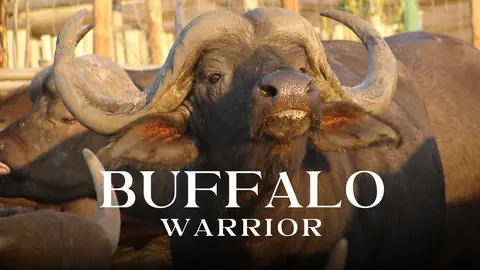 Buffalo Warrior1 episode · 60 min eachPrep 2
- What it is about
- This episode introduces a former hunter who became a conservationist. He runs a project that raises disease-free buffalo, and he has a way of helping the buffalo grow calm and trust him.
- Skills practiced
- Global citizenship
- Before you watch
- Listen for the reasons a former hunter gives for caring for animals now.
- Ask after watching
- If you were one of the buffalo, how would you feel about this project? What other ways could people help buffalo survive?
- Try it
- Film a clip of 3 minutes or less. Interview someone in our community who works with animals. Ask what they think the animals feel and what they would change about how animals are cared for.
- Talk about it at home
- Has anyone in our family or village changed their mind about animals? What did our grandparents say about how people saw animals in the old days?
- Heads up
- Animals hunting each other, Death, Fighting
6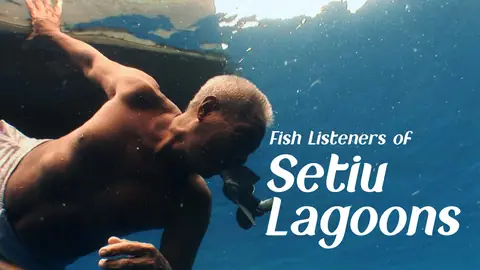 Fish Listeners of Setiu Lagoons1 episode · 60 min eachPrep 0
- What it is about
- This film is about a traditional fisherman in Malaysia who finds fish by listening to the sounds they make. He is the last to practice this method, which has been handed down through generations and is fading away.
- Skills practiced
- Global citizenship
- Before you watch
- Imagine you are the filmmaker. How would you record knowledge like this for the people who come after us?
- Ask after watching
- How does this film tell the story of people and nature? What makes you believe what you see?
- Try it
- Plan a 3-minute documentary on someone in our community who works in an old-fashioned way. Write what to film, who to ask, and which sounds to use. Then shoot it on your phone.
- Talk about it at home
- Does our family or village have an elder's story worth recording? Who should tell it?
7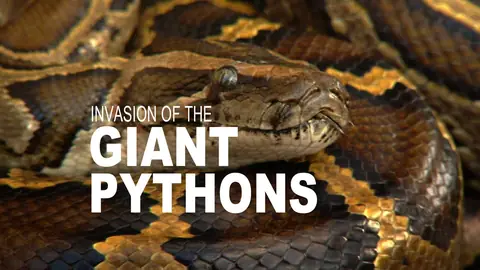 Invasion of the Giant Pythons1 episode · 60 min eachPrep 2
- What it is about
- This film shows how Burmese pythons arrived in Florida and multiplied until they hurt local wildlife. Other non-native animals come into the story too, such as parrots, iguanas, and monitor lizards.
- Skills practiced
- Global citizenship
- Before you watch
- Before you watch, write down what you think should be done about non-native animals. Then see whether the film changes your mind.
- Ask after watching
- How does the film show that this problem is complicated? What choices do we have?
- Try it
- Hold a short debate on what to do about non-native animals that have spread. Each person gives reasons and says who gains and who loses.
- Talk about it at home
- Has our home or village had trouble with animals or plants from somewhere else? How did our grandparents deal with it?
- Heads up
- Animals hunting each other, Death
8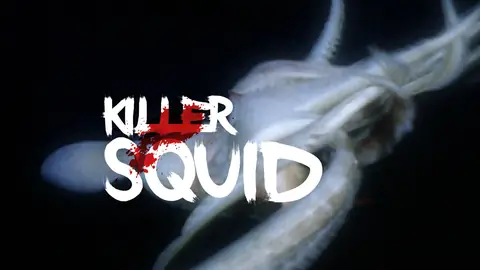 Killer Squid1 episode · 60 min eachPrep 2
- What it is about
- This film is about one of the most frightening giant squid in the sea, hidden in deep waters we still know little about.
- Skills practiced
- Critical thinking
- Before you watch
- Notice how the title and the sound effects make you feel afraid.
- Ask after watching
- If the title and sounds were calm, how would you feel differently about this squid?
- Try it
- Write two new titles for the same film, one scary and one calm. Then talk about what changed.
- Talk about it at home
- Is there something people in our family fear because of stories more than anything they have seen? What can our grandparents tell us?
- Heads up
- Animals hunting each other, Death, Scary scenes
9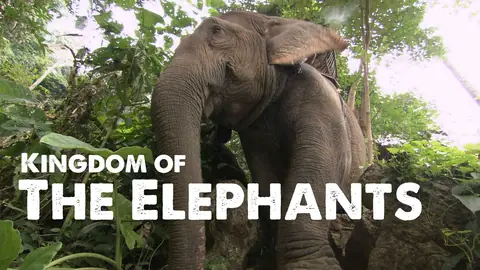 Kingdom of the Elephants1 episode · 60 min eachPrep 1
- What it is about
- This episode follows a Karen family who moved to Thailand and live alongside elephants as mahouts. A young girl is just starting her training to become a mahout. The elephants are as close to the family as any relative.
- Skills practiced
- Global citizenship
- Before you watch
- Notice whose eyes the story is told through, and what they see that an outsider could miss.
- Ask after watching
- Mahout families, tourists, and people who worry about elephant welfare each want something different for the elephants. What does each want, and how do you think the elephants feel?
- Try it
- Film a clip of 3 minutes or less. Interview someone in our community who works with animals. Ask how they train and how they think the animals feel about the work.
- Talk about it at home
- Has anyone in our family or among our relatives worked with animals? What did our grandparents tell us about how it was done in the old days?
- Heads up
- Animals hunting each other
10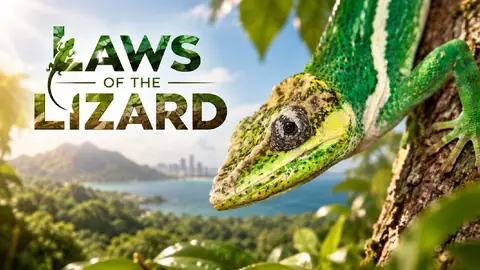 Laws of the Lizard1 episode · 60 min eachPrep 1
- What it is about
- This film follows the lives of many kinds of lizards, each with special traits and abilities that help them survive in a changing world.
- Skills practiced
- Critical thinking
- Before you watch
- Think about what happens to a highly specialized animal when its environment changes fast.
- Ask after watching
- How does the film show the changing world affecting lizards? What evidence does it give?
- Try it
- Research one lizard in our country and where its numbers are heading. Then suggest what our community can do to help.
- Talk about it at home
- How has the place where we live changed since our grandparents were kids? Which animals were affected?
- Heads up
- Animals hunting each other
11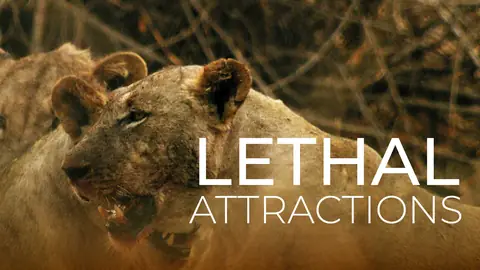 Lethal Attractions1 episode · 60 min eachPrep 2
- What it is about
- This film shows that almost every animal in the African wild can be both hunter and hunted. Size and strength do not always decide which.
- Skills practiced
- Critical thinking
- Before you watch
- Notice how the words predator and prey shape the way you see the animals.
- Ask after watching
- How much does the idea of who wins depend on your point of view? Do you agree with how the film tells it?
- Try it
- Hold a group talk on what the word strongest should measure. Everyone gives an example from the film and one from real life.
- Talk about it at home
- Who in our home or community counts as the strongest? What did our grandparents measure it by?
- Heads up
- Animals hunting each other, Death, Fighting
12 Living with Polar Bears1 episode · 60 min eachPrep 2
- What it is about
- This film is about polar bears on Hudson Bay in Canada. The bears wait for the sea to freeze so they can hunt seals, and people in the nearby town live close to them.
- Skills practiced
- Global citizenship
- Before you watch
- Notice how the film talks about the changing climate, and what evidence it uses.
- Ask after watching
- How much do the bears' problems have to do with us? How could you find out whether they do?
- Try it
- Find information from two trustworthy sources on how climate change affects animals in our country. Then explain what you found to a friend in one minute.
- Talk about it at home
- Has the weather where we live changed since our grandparents were kids? What did they notice?
- Heads up
- Animals hunting each other, Death, Fighting
13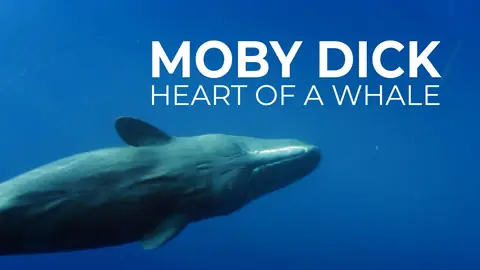 Moby Dick Heart of a Whale1 episode · 60 min eachPrep 2
- What it is about
- This film goes behind the novel Moby Dick, the story of a giant sea monster. It looks at a time when hunting sperm whales grew into a major industry.
- Skills practiced
- Media literacy
- Before you watch
- Notice how the film uses pictures and sound to shape what you feel about the whale.
- Ask after watching
- What do you think about people once hunting an animal as a big industry? What is your view?
- Try it
- Write two short pieces about the same hunt, one from the hunters' view and one from the whale's. Compare how the reasoning differs.
- Talk about it at home
- Did our community have a trade that once boomed and then disappeared? Can our grandparents tell us what happened?
- Heads up
- Animals hunting each other, Death, Fighting
14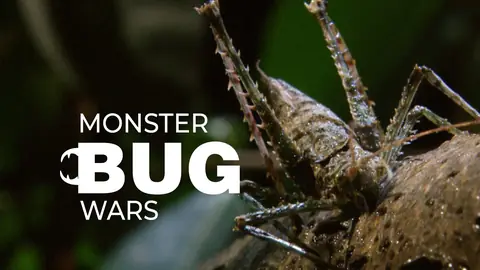 MONSTER BUG WARS1 episode · 60 min eachPrep 2
- What it is about
- This film takes you into the world of insect wars, in rainforests, deserts, and even backyards. Everywhere you look, insects are fighting.
- Skills practiced
- Critical thinking
- Before you watch
- Notice how extreme close-up shots make you feel about the insects.
- Ask after watching
- Does filming insects like giant monsters help you understand them more, or less?
- Try it
- Write two captions for one photo of an insect, one scary and one true to life. Then talk about what is different.
- Talk about it at home
- Is anyone in our family afraid of insects? Why? What insect stories can our grandparents tell?
- Heads up
- Animals hunting each other, Death, Fighting
15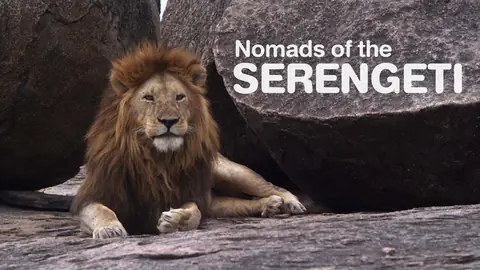 Nomads of the Serengeti2 episodes · 60 min eachPrep 1
- What it is about
- This series follows animals across the Serengeti: wildebeest crossing the Mara River, elephants in a volcanic crater, Mount Kilimanjaro, and chimpanzees, along with the Maasai people.
- Skills practiced
- Critical thinking
- Before you watch
- Notice how the film talks about the people of the Serengeti and how it talks about the animals. Is there a difference?
- Ask after watching
- What connection between people and animals shows up when they share one place? What is your view?
- Try it
- Plan a 3-minute video on someone in our community who lives close to nature. Decide who to interview, what to ask, and where to film. Then try shooting it on your phone.
- Talk about it at home
- Who in our family lives closest to nature? What do they say about living alongside animals and forests?
- Heads up
- Death, Animals hunting each other
16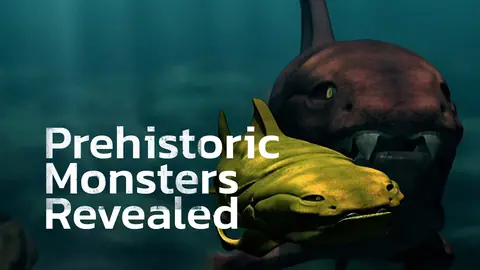 Prehistoric Monsters Revealed1 episode · 90 min eachPrep 1
- What it is about
- This film is about dinosaurs from different eras that adapted into great hunters, and about the great extinction that ended them.
- Skills practiced
- Critical thinking
- Before you watch
- Notice what the show uses to draw the dinosaurs: bones or imagination. Does it tell you which?
- Ask after watching
- In the dinosaur pictures you see, which parts can you trust, and which parts are guesses?
- Try it
- Make a chart of what scientists know for sure and what they still guess. Ask a friend to check it and argue the other side.
- Talk about it at home
- Are there things at home that people believe without clear proof? How did our grandparents tell what was true?
- Heads up
- Animals hunting each other, Death, Scary scenes
17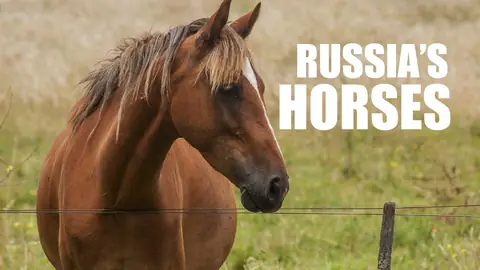 Russia's Horses5 episodes · 60 min eachPrep 0
- What it is about
- This series explores the bond between people and horses in Russia: the Bashkir people who depend on horses, a revived mounted guard, horse breeding, and horses in cold regions.
- Skills practiced
- Global citizenship, Emotional intelligence
- Before you watch
- Notice what the film chooses to show and not show about the horses and people.
- Ask after watching
- What does it cost to keep old traditions alive, and who should decide?
- Try it
- Plan a 3-minute documentary on an old tradition or craft in our community. Write who to interview and what to film. Then shoot one sample scene.
- Talk about it at home
- Which traditions or festivals in our village are fading away? Do our grandparents want them kept?
18 Secrets of the Hive1 episode · 60 min eachPrep 0
- What it is about
- This film is about a shortage of bees on farmland that depends on insects to pollinate crops, and the scientists studying what causes it.
- Skills practiced
- Critical thinking
- Before you watch
- Notice how the film uses pictures and numbers to win your trust.
- Ask after watching
- Is the evidence strong enough to say what the cause is? What doubts do you have?
- Try it
- Plan a 3-minute video on farming or gardens in our community. Ask a gardener how insects matter to the work, then shoot it on your phone.
- Talk about it at home
- Have any farmers in our community noticed changes in insects? What do they say?
19 Silence of The Bees1 episode · 60 min eachPrep 1
- What it is about
- In 2006, millions of bees in the United States vanished from their hives without a trace. Crops that need bees to pollinate were damaged. Scientists around the world worked together to find the cause.
- Skills practiced
- Critical thinking
- Before you watch
- Write down the causes the scientists suggest and the evidence behind each one.
- Ask after watching
- This was filmed in 2006. Do you think all its conclusions still hold? How could you check?
- Try it
- Find the latest research or news on disappearing bees and compare it with what this film says. Then make a clip of 3 minutes or less on what has changed.
- Talk about it at home
- Does anyone in our village grow fruit or keep bees? Can our grandparents tell us how much fruit the trees bore in the old days?
- Heads up
- Animals hunting each other, Death
20 Strange Creatures1 episode · 30 min eachPrep 1
- What it is about
- This series looks at strange animals: a grasshopper with odd defenses, a tricky bird, a wolf eel, a blue beetle, a capybara, a scorpion, and even a T. rex.
- Skills practiced
- Media literacy
- Before you watch
- Notice how a title like Giant Lizard shapes the way you see an animal. What in the film matches the title?
- Ask after watching
- Does this film mix real facts with things told to excite you? How can you tell them apart?
- Try it
- Pick an episode and make a chart that separates sentences you can check from sentences that are feelings. Ask a friend to check it.
- Talk about it at home
- Do we have stories at home that people exaggerate? How do our grandparents tell which ones are true?
- Heads up
- Animals hunting each other, Death
21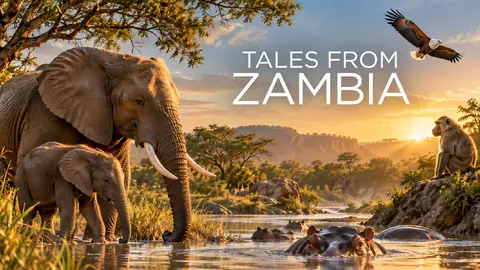 Tales from Zambia1 episode · 60 min eachPrep 0
- What it is about
- This series visits the Luangwa Valley in Zambia and follows elephants, hippos, baboons, lions, birds, and many more through the whole year, in dry and wet seasons. One episode watches a troop of about 80 baboons by the river.
- Skills practiced
- Media literacy
- Before you watch
- Notice how the film tells animal stories like people stories, with names and feelings.
- Ask after watching
- When animals are told about like people, do we see them more accurately or less? What is your view?
- Try it
- Plan a 3-minute video about animals or nature in our community. Decide whether to tell it as it happened or as a story. Then shoot one sample scene.
- Talk about it at home
- Do we have animal stories at home that make animals act like people, such as folk tales? Can our grandparents tell one?
22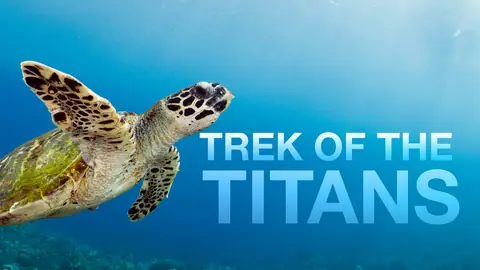 Trek of the Titans1 episode · 60 min eachPrep 1
- What it is about
- This film is about giant sea turtles in the deep ocean, whose ancestors lived alongside the dinosaurs, and their long journey across the sea.
- Skills practiced
- Critical thinking
- Before you watch
- Before you watch, think about how you could tell a turtle's journey so others feel it too.
- Ask after watching
- If you had to tell a turtle's story to someone who has never seen the sea, which pictures and sounds would you choose?
- Try it
- Outline a 3-minute documentary about a journey made by an animal or a person in our community. Write what to film, who to ask, and what sounds to use. Then shoot one scene.
- Talk about it at home
- Has anyone in our family traveled very far? What did they tell us?
- Heads up
- Animals hunting each other, Death
23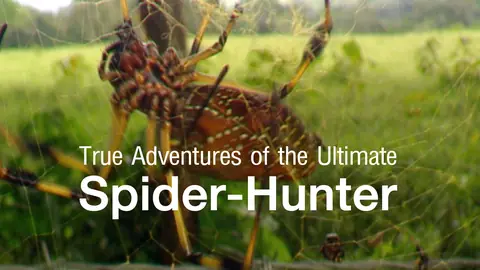 True Adventures of the Ultimate Spider-Hunter1 episode · 60 min eachPrep 1
- What it is about
- This film follows a spider expert on his travels to find many kinds of spiders. He studies how they live and the stories around them.
- Skills practiced
- Media literacy
- Before you watch
- Notice how music and camera angles are used to make you afraid of spiders, or not.
- Ask after watching
- If you cut the music and sound effects, how would the same pictures feel different?
- Try it
- Film two short videos of a small creature near home, one scary and one calm. Keep your distance and do not touch it. Ask a friend what is different.
- Talk about it at home
- What do people in our family fear without knowing why? What did our grandparents once fear that they do not fear now?
- Heads up
- Animals hunting each other, Scary scenes
24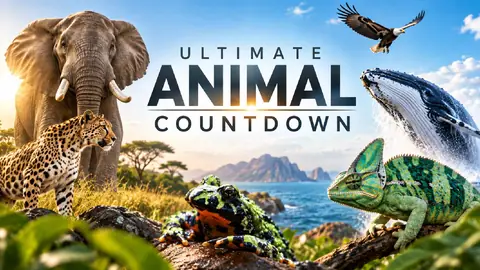 Ultimate Animal Countdown4 episodes · 60 min eachPrep 2
- What it is about
- This series ranks animals in top 10 lists by theme: attackers, defenders, fighters, stinkers, and venomous animals. In an episode on defense, you see how animals survive in tough places.
- Skills practiced
- Critical thinking
- Before you watch
- Notice how a ranking makes things more exciting and more believable.
- Ask after watching
- Is a countdown a trustworthy way to tell a story, or does it distort the facts? What is your reasoning?
- Try it
- Make a ranked list about something in our community. Ask a friend to critique whether your criteria are fair.
- Talk about it at home
- Has anyone at our home called something the best or the most, while others disagreed?
- Heads up
- Animals hunting each other, Death, Fighting
25 Wild About New Zealand1 episode · 60 min eachPrep 0
- What it is about
- This series explores New Zealand's nature: forests, mountains, glaciers, a marine park, and the Tongariro volcano.
- Skills practiced
- Global citizenship
- Before you watch
- Notice whether the film makes you want to visit, to protect nature, or both.
- Ask after watching
- Do the beautiful pictures help you understand nature, or do they just make you want to travel? What is your view?
- Try it
- Plan a 3-minute documentary about nature in our community. Choose whether to make people want to visit or to protect it. Then shoot one sample scene.
- Talk about it at home
- How does tourism affect nature or people where we live? What changes have our grandparents seen?
26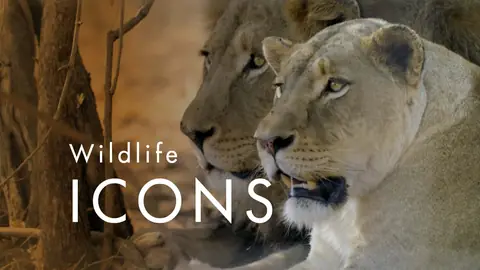 Wildlife Icons1 episode · 60 min eachPrep 2
- What it is about
- This series looks at famous wildlife in Africa: the savanna, meerkats, dung beetles, big cats, the Big Five, and scavenging hyenas and lions.
- Skills practiced
- Critical thinking
- Before you watch
- Notice which animal the film makes the star, and which animals it gives little attention.
- Ask after watching
- How does calling animals icons change how you see them? What gets overlooked?
- Try it
- Pick an animal few people care about and plan a 3-minute documentary on its story. Shoot one scene to show the idea.
- Talk about it at home
- Who in our home does important work that few people mention? Who do our grandparents think of?
- Heads up
- Animals hunting each other, Death, Fighting
27World's Weirdest1 episode · 60 min eachPrep 1
- What it is about
- This series tells strange animal stories. One episode covers people who smuggle animals across borders. Another covers tiny pets, like a dog that fits in a baseball glove and the world's smallest horse. A third covers large pets, like buffalo, pigs, and giant monitor lizards.
- Skills practiced
- Global citizenship
- Before you watch
- Listen to the words used for the animals in each episode. Do they make the animals seem cute, funny, or scary?
- Ask after watching
- If the animals could talk, what would they tell the people who keep or trade them? What could we do differently?
- Try it
- Make a clip of 3 minutes or less about a pet in our community, told from the animal's side. Show where it is happy and where it struggles.
- Talk about it at home
- Does anyone in our village keep an animal others find unusual? What do our grandparents think about keeping wild animals?
- Heads up
- Death
28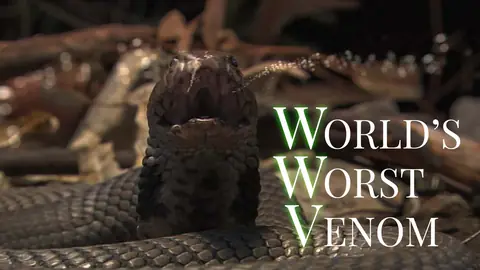 World's Worst Venom1 episode · 60 min eachPrep 2
- What it is about
- This film looks at deadly venomous animals, both reptiles and sea creatures, and collects data to see whose venom is the most dangerous.
- Skills practiced
- Critical thinking
- Before you watch
- Notice how the film asks whose venom is the strongest, and what it uses to measure.
- Ask after watching
- What does strongest mean from different angles, such as in a lab dish or for real people? What differences do you see?
- Try it
- Find information from two sources about one venomous animal. Compare whether they agree and how their numbers differ.
- Talk about it at home
- Do we have beliefs at home about medicines or cures from animals? What can our grandparents tell us?
- Heads up
- Animals hunting each other, Death, Blood or dissection
29 The Worm Hunters1 episode · 60 min eachPrep 0
- What it is about
- This film follows worm hunters around the world who debate the problem of worms, which come in thousands of kinds. The trip runs from Transylvania to Brazil, Estonia, and Australia.
- Skills practiced
- Critical thinking
- Before you watch
- Notice how the film makes an animal people often dislike, like the worm, interesting.
- Ask after watching
- Does an animal nobody pays attention to have a story worth telling? How would you tell it?
- Try it
- Plan a 3-minute documentary on a small, overlooked animal in our community. Choose who to interview and what to film. Then shoot one sample scene.
- Talk about it at home
- Who or what in our home is overlooked but does important work? Who do our grandparents think of?
30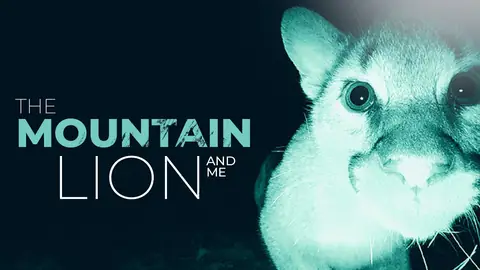 The Mountain Lion and Me1 episode · 60 min eachPrep 1
- What it is about
- This film follows a young photographer who bonds with wildlife in Paradise Valley near Yellowstone. He searches for the elusive mountain lion and watches its life.
- Skills practiced
- Emotional intelligence
- Before you watch
- Before you watch, think: if you were a photographer, what besides pictures of a hidden animal could you use to tell its story?
- Ask after watching
- How does the photographer describe his own relationship with the animal? How is that different from a documentary where the storyteller never appears?
- Try it
- Plan a 3-minute documentary where the filmmaker is also the storyteller, such as about nature you observe in our community. Write what to say and how to film it. Shoot one scene.
- Talk about it at home
- Does anyone in our family spend long hours with nature or animals? What do they tell us?
- Heads up
- Animals hunting each other, Death
31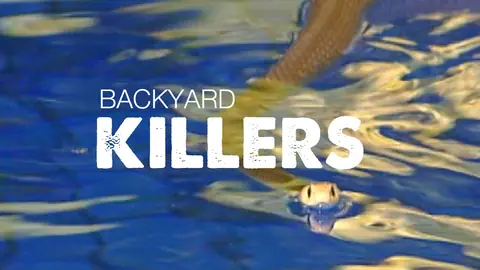 Backyard Killers1 episode · 60 min eachPrep 2
- What it is about
- This film shows Australia as a vast country with few people, living alongside some of the most dangerous animals in the world.
- Skills practiced
- Critical thinking
- Before you watch
- Notice how the title and pictures make you think about a home with dangerous animals.
- Ask after watching
- Does telling stories that make animals scary make living with them harder or easier? What is your view?
- Try it
- Find trustworthy information on how many people the animal you fear most actually injures. Compare it with how afraid you feel.
- Talk about it at home
- Is there an animal people at home fear greatly but that is rarely dangerous? Do our grandparents know why?
- Heads up
- Animals hunting each other, Death, Scary scenes
32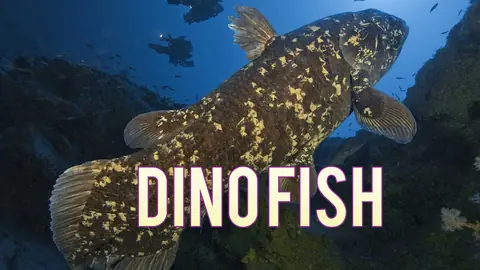 Dino Fish1 episode · 60 min eachPrep 1
- What it is about
- This film follows a team searching for the coelacanth, a rare fish from the age of the dinosaurs. Divers risk danger in deep water before they find it.
- Skills practiced
- Critical thinking
- Before you watch
- Notice how the show builds excitement around the search for a fish.
- Ask after watching
- If the show told it more plainly, would you trust the evidence more or less?
- Try it
- Write two short narrations of a discovery in our community, one excited and one plain. Compare which is more believable.
- Talk about it at home
- Do we have stories at home that people stretch beyond the truth? How do our grandparents tell how true they are?
- Heads up
- Death
33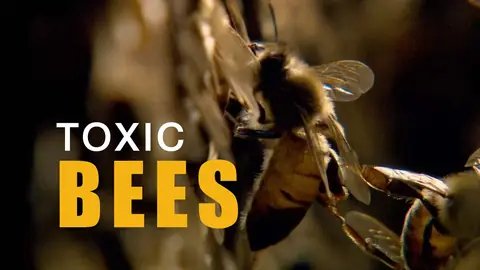 Toxic Bees1 episode · 60 min eachPrep 1
- What it is about
- Since 2006, bees around the world have been dying in suspicious numbers. Researchers found a possible link to pesticide residue. Bees act strangely before they vanish from the hive. What happens to bees could also happen to people who eat produce carrying these chemicals.
- Skills practiced
- Critical thinking
- Before you watch
- Write down what evidence the film uses and where it moves into guesses.
- Ask after watching
- The film says residues could affect bees and people. Who should we check with to trust that, and how far should we trust it?
- Try it
- Ask a doctor, nurse, or public health worker in our community how residues on fruit and vegetables affect health. Then make a clip of 3 minutes or less summarizing the answer.
- Talk about it at home
- Where do we buy our vegetables? Did our grandparents ever worry about vegetables? What were they like in the old days?
- Heads up
- Claims that are not proven
34 Wild Castles2 episodes · 60 min eachPrep 2
- What it is about
- This series visits castles in Europe with wildlife around them: Heidelberg, a cave castle in Slovenia, the Alhambra in Spain, and Neuschwanstein. It shows how people and animals share one place.
- Skills practiced
- Critical thinking, Global citizenship
- Before you watch
- Notice how the film tells the story of people and animals in one place, and which it tells more.
- Ask after watching
- Can caring for an old place and caring for the animals living there go together, or do they clash? What is your view?
- Try it
- Plan a 3-minute documentary on an old place in our community that covers both its people and its animals. Shoot one scene.
- Talk about it at home
- Is there an old place near us where people and animals live together? Can our grandparents tell us about it?
- Heads up
- Sensitive topics (war, religion, politics), Death, Fighting
35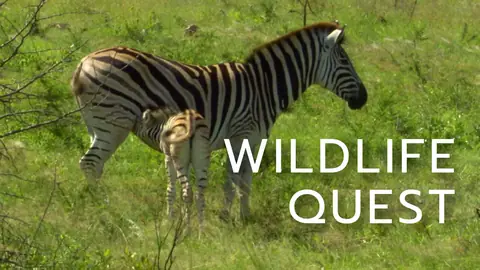 Wildlife Quest2 episodes · 30 min eachPrep 2
- What it is about
- This series hunts for wildlife in KwaZulu-Natal, South Africa. Each episode focuses on one animal, such as elephants, rhinos, cheetahs, hippos, penguins, giraffes, leopards, zebras, and lions.
- Skills practiced
- Critical thinking
- Before you watch
- Notice how the film gives each animal a different image, such as the hippo and the lion, and how you feel about each.
- Ask after watching
- Is the image the film builds for each animal entirely true? Where do you see choices in what it tells?
- Try it
- Write two short stories about the same animal, one where it is the hero and one where it is the villain. Talk about what changed.
- Talk about it at home
- Are there animals in our home or village that people see differently, with some liking them and some not? How do our grandparents see them?
- Heads up
- Animals hunting each other, Death, Scary scenes
36 World's Weirdest Taboos2 episodes · 60 min eachPrep 2
- What it is about
- This series shows odd animal behavior that people tend to avoid talking about, such as penguins swapping pebbles with a mate, snow monkeys in Japan, and a sea animal that dresses up to impress.
- Skills practiced
- Critical thinking
- Before you watch
- This film talks about animal love and mates. Listen to how the scientists explain these behaviors.
- Ask after watching
- People who watch the same film may see animal behavior differently, in terms of what is proper and what is natural. What reasoning is behind each view?
- Try it
- Hold a group talk with 3 or 4 friends. Each takes a different viewpoint, such as scientist, parent, or religious leader. Listen to each other without judging.
- Talk about it at home
- Are there topics our family rarely talks about? How did our grandparents talk about them when they were kids?
- Heads up
- Sensitive topics (war, religion, politics)
37World's Weirdest Taboos1 episode · 60 min eachPrep 2
- What it is about
- This episode is about animals that get drunk: vervet monkeys on a Caribbean island, African elephants, house cats chewing catnip, and moose eating rotten apples. It asks how common getting drunk is in the animal world and why animals do it.
- Skills practiced
- Critical thinking
- Before you watch
- Take note of whether the film tells it as funny or serious, and how the narrator picks words.
- Ask after watching
- How do people who drink, people who don't, and doctors each see animals getting drunk and people getting drunk? What reasons does each have?
- Try it
- Make a clip of 3 minutes or less. Ask 2 or 3 adults in our community how they see drinking, respect every answer, and edit to show several viewpoints.
- Talk about it at home
- Does our family have rules or customs about drinking? What can our grandparents tell us about the old days?
- Heads up
- Sensitive topics (war, religion, politics)
38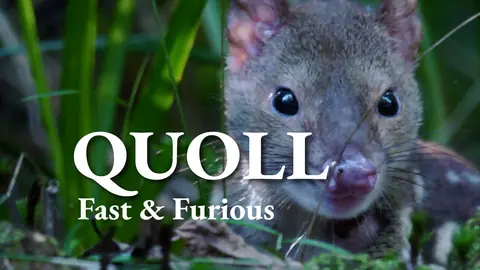 Quoll Fast & Furious1 episode · 60 min eachPrep 1
- What it is about
- This film follows a group of conservationists trying to save the quoll, an animal native to Australia and growing rarer. They track the animals.
- Skills practiced
- Critical thinking
- Before you watch
- Notice how the film makes you feel this animal deserves help, and what it uses to do that.
- Ask after watching
- If you had to choose which animal to help, what would your criteria be, and who should decide?
- Try it
- Hold a group debate on which animal to save first when money is limited. Each person offers criteria and reasons.
- Talk about it at home
- Have we ever had to choose which matter to spend limited resources on first? How did our grandparents decide?
- Heads up
- Animals hunting each other
39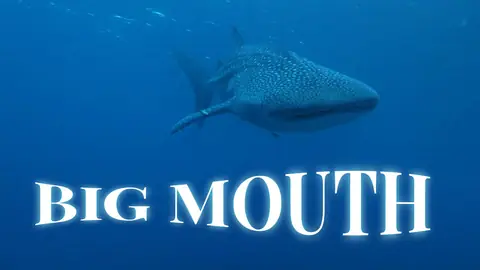 Big Mouth1 episode · 60 min eachPrep 0
- What it is about
- In Oslob, Philippines, a friendship grows between whale sharks and divers in a fishing village. But villagers, the town, and conservation groups see the whale sharks' arrival differently, and conflict follows.
- Skills practiced
- Global citizenship
- Before you watch
- Write down whose voices the film lets speak, and whose are missing.
- Ask after watching
- If tourists, villagers, and animals had equal say, what would each ask to change?
- Try it
- Make a clip of 3 minutes or less about a tourist spot near us, told from the view of people in the community and of the animals or nature affected by visitors.
- Talk about it at home
- Does anyone in our family earn a living from tourists? How did our grandparents see the community change as more visitors came?
40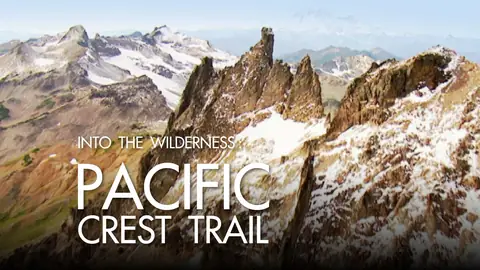 Into The Wilderness - Pacific Crest Trail1 episode · 60 min eachPrep 1
- What it is about
- Follow the Pacific Crest Trail, which stretches from Mexico to Canada, through wild country.
- Skills practiced
- Critical thinking
- Before you watch
- Notice how the camera angles and music shape what you feel about nature.
- Ask after watching
- Do beautiful pictures help us understand nature or just make us feel something? What is your view?
- Try it
- Plan a 3-minute documentary about a nature trail in our community. Decide which pictures and sounds to use. Then shoot one scene.
- Talk about it at home
- Is there a natural place our family used to visit often that has changed? Can our grandparents tell us about it?
- Heads up
- Death
41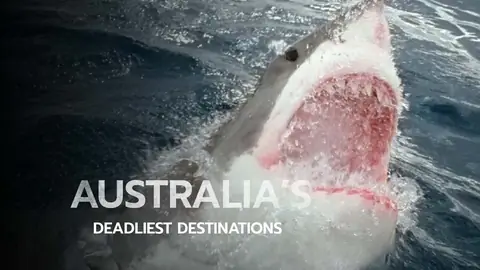 Australia's Deadliest Destinations1 episode · 60 min eachPrep 2
- What it is about
- This film shows Australia's blizzards, cyclones, deserts, and snowfields, and the dangerous wildlife that lives alongside them.
- Skills practiced
- Critical thinking
- Before you watch
- Notice whether the title and sound effects make a country seem scarier than it is.
- Ask after watching
- If you had to introduce a country by telling both its beauty and its dangers, how would you do it fairly?
- Try it
- Write two introductions to our province for visitors, one scary and one inviting. Talk about which one is truer.
- Talk about it at home
- Is there something about our home or province that outsiders fear far too much? What do our grandparents think?
- Heads up
- Animals hunting each other, Death, Scary scenes
42Australia's Deadliest Destinations1 episode · 60 min eachPrep 2
- What it is about
- This film says Australia is harsh in its land, weather, and wildlife, with dangerous animals on land and in the sea.
- Skills practiced
- Critical thinking
- Before you watch
- Notice how often the show says deadliest, and what evidence backs it up.
- Ask after watching
- Does saying a place is the most dangerous in the world help us understand real risk? What is your reasoning?
- Try it
- Find real risk statistics from two trustworthy sources, such as road accidents versus dangerous animals. Compare them with what people fear.
- Talk about it at home
- What do people in our home fear a lot even though it rarely happens, and fear little even though it happens often? What do our grandparents think?
- Heads up
- Animals hunting each other, Death, Scary scenes
43Australia's Deadliest Destinations1 episode · 60 min eachPrep 2
- What it is about
- This film shows Australia as beautiful yet full of dangers, from cyclones to crocodiles, centipedes, and sharks.
- Skills practiced
- Critical thinking
- Before you watch
- Notice whether the show links animals and weather to make you afraid or to inform you.
- Ask after watching
- If we are too afraid, do we make better or worse safety decisions? What do you think?
- Try it
- Write safety advice two ways, one that scares and one that gives clear information. Talk about which gets people to follow it better.
- Talk about it at home
- When adults at home teach us about safety, do they use scare tactics or explain reasons? How did our grandparents teach?
- Heads up
- Animals hunting each other, Death, Scary scenes
44Australia's Deadliest Destinations1 episode · 60 min eachPrep 2
- What it is about
- This film shows Australia as a land of extremes, where calm can turn wild in an instant. It includes the story of the dingo.
- Skills practiced
- Critical thinking
- Before you watch
- Notice how the show portrays the dingo: as an enemy, a friend, or an ordinary animal.
- Ask after watching
- How does the story about the wild dog change how you feel about this animal? What do you still not know?
- Try it
- Pick one animal people in our country often fear or hate. Find evidence on both sides, harm and benefit, and write a half-page summary.
- Talk about it at home
- Is there an animal in our village that people dislike but our grandparents say is useful? Tell us about it.
- Heads up
- Animals hunting each other, Death, Scary scenes
45Australia's Deadliest Destinations1 episode · 60 min eachPrep 2
- What it is about
- This film explores Australia's extremes, from the weather in dry areas outside the cities to wildlife just as extreme.
- Skills practiced
- Critical thinking
- Before you watch
- Notice what feeling you get when a series keeps returning to the same theme.
- Ask after watching
- If you watched many shows like this, what picture of Australia would build in your mind? How close is it to the truth?
- Try it
- Find trustworthy information on how most people in Australia live, then compare it with the picture in the film.
- Talk about it at home
- Has anyone in our family traveled abroad and found the place different from what they imagined? Tell us about it.
- Heads up
- Animals hunting each other, Death, Scary scenes
46Australia's Deadliest Destinations1 episode · 60 min eachPrep 2
- What it is about
- This film says Australia is not only vast wilderness but home to more dangerous animals, on land and underwater, than anywhere else in the world.
- Skills practiced
- Critical thinking
- Before you watch
- Notice how the film cuts between underwater and land scenes to build a feeling.
- Ask after watching
- When a film keeps covering the danger of one place, do you get the whole picture or only the bad side?
- Try it
- Write a short introduction to a place you love, and make sure it covers both the good and what to watch out for.
- Talk about it at home
- Is there a place near us that is both beautiful and needs care? What did our grandparents warn about?
- Heads up
- Animals hunting each other, Death, Scary scenes
47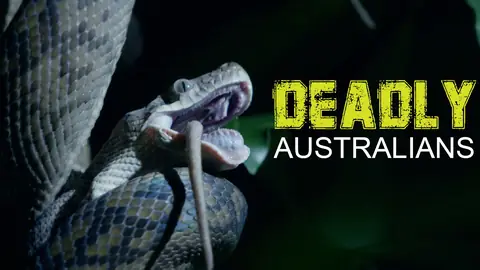 Deadly Australians1 episode · 60 min eachPrep 2
- What it is about
- This series looks at dangerous animals in Australia by habitat: rainforests, wetlands, deserts, and oceans.
- Skills practiced
- Critical thinking
- Before you watch
- Notice how the series talks about the people who live in these places, or whether it does.
- Ask after watching
- How does focusing only on dangerous animals shape what you understand about the people who live there?
- Try it
- Interview an adult in our community who lives near nature that needs caution. Ask how they live alongside it. Film or record a short answer.
- Talk about it at home
- Can our grandparents tell us how people in our village used to live near dangerous places?
- Heads up
- Animals hunting each other, Death, Fighting
48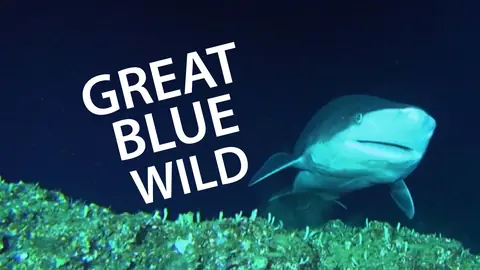 Great Blue Wild6 episodes · 60 min each
- What it is about
- This series takes you diving to islands and coral reefs around the world, from Cocos Island, known for sharks, to Belize, the Bahamas, Roatan, Cozumel, manta rays, and the Coral Triangle in Indonesia.
- Skills practiced
- Critical thinking, Global citizenship
- Before you watch
- Notice how the series tells the story of conservation, who decides, and who is not talked about.
- Ask after watching
- How does protecting the sea affect people who earn a living from it? What viewpoint do you see missing?
- Try it
- Plan a 3-minute video about a water source or people who work on the water in our community. Decide who to interview and what to ask. Then shoot one scene.
- Talk about it at home
- Does anyone in our village earn a living from the water? How do they feel about bans or conservation?
- Heads up
- Death
49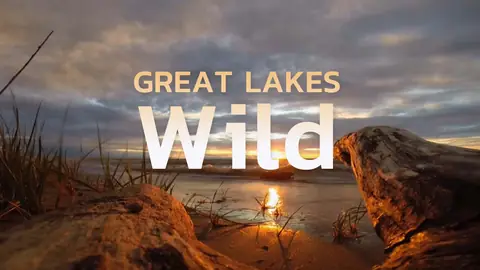 Great Lakes Wild6 episodes · 30 min eachPrep 2
- What it is about
- This series follows nature around the Great Lakes of North America: Isle Royale, invasive lampreys, an endangered water snake, turtles, dams, nocturnal animals, and elk.
- Skills practiced
- Critical thinking, Global citizenship
- Before you watch
- Notice how the episode about clearing the name of a feared animal tries to change your mind.
- Ask after watching
- What are the ways to make a feared animal seem less scary, and how far should we trust them?
- Try it
- Write a short piece introducing an animal people dislike so it is easier to understand. Ask a friend whether it stays honest about the facts.
- Talk about it at home
- Is there an animal in our village that people misunderstand? Which animals have our grandparents changed their minds about?
- Heads up
- Animals hunting each other, Death
50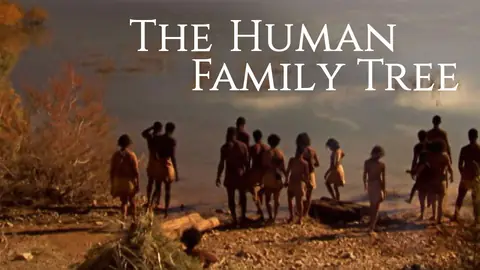 The Human Family Tree1 episode · 60 min eachPrep 0
- What it is about
- This film follows a one-day experiment on a single street. It uses the DNA of a handful of people to trace humanity's ancient journey.
- Skills practiced
- Global citizenship
- Before you watch
- Before you watch, think about who you would invite into an experiment like this, and why.
- Ask after watching
- How does the film tell its story so viewers feel connected? How much weight does its science carry?
- Try it
- Plan a 3-minute documentary on one family's journey in our community. Interview one adult, then shoot one scene.
- Talk about it at home
- Does our family have stories handed down? Can our grandparents tell us one?
51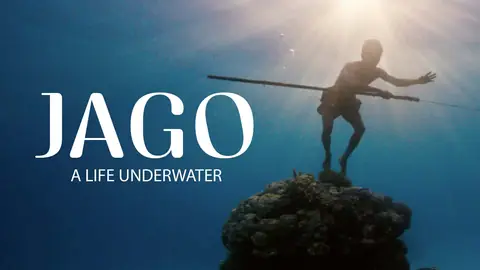 Jago - A Life Underwater1 episode · 60 min eachPrep 1
- What it is about
- This film is about an 80-year-old man from the Bajau, a sea people of the Philippines and Indonesia. He tells the story of his life from childhood to today.
- Skills practiced
- Global citizenship
- Before you watch
- Notice how telling a life in a person's own voice differs from an outsider telling it.
- Ask after watching
- When people tell their own life stories, how do you feel and what do you believe? How is that different from someone else telling it for them?
- Try it
- Make a 3-minute documentary where an adult in our community tells their own life story, with no narration added by you. Shoot it on your phone.
- Talk about it at home
- Can our grandparents tell us their life stories in their own words? What do they most want us to know?
- Heads up
- Animals hunting each other, Death
52 Life on the Reef1 episode · 60 min eachPrep 2
- What it is about
- This film follows life on Australia's Great Barrier Reef. Sea turtles come ashore to lay eggs, corals release their eggs together in a single night, and a huge storm hits the coast.
- Skills practiced
- Critical thinking
- Before you watch
- Notice the moments when a natural event and something people did land at the same time. Jot them down.
- Ask after watching
- Which examples in the film clearly show that people played a part, and which ones are still unclear?
- Try it
- Find an environmental change happening in your community. Ask two adults who see it differently, then film a 3-minute video that tells both sides.
- Talk about it at home
- In our community, who gains and who loses when nature changes? What events have our grandparents lived through?
- Heads up
- Disasters
53 Rise of the Continents4 episodes · 60 min each
- What it is about
- This series explains how the land of each continent formed and moved over a very long time, and how clues in the rocks still tell that story.
- Skills practiced
- Critical thinking
- Before you watch
- Jot down the geological evidence each continent offers about how it began.
- Ask after watching
- Which claims in the film rest on solid evidence, and which are still interpretation?
- Try it
- Pick one claim from the film and find two different sources about it. Compare them, then explain to a friend in 3 minutes how far you trust it.
- Talk about it at home
- Does anyone in our family work with soil, rock, or minerals? What have they seen that differs from the textbooks?
- Heads up
- Sensitive topics (war, religion, politics), Death
54 Strange Days on Planet Earth - DANGEROUS CATCH1 episode · 60 min eachPrep 1
- What it is about
- Several teams of scientists chase answers to odd puzzles on our planet, like animals and nature changing in ways nobody expected.
- Skills practiced
- Critical thinking
- Before you watch
- Think about this: when your evidence is incomplete, how do you say so honestly?
- Ask after watching
- Which conclusions in the film came too fast, and what would you need to see before believing them?
- Try it
- Find one science news story and check how much evidence backs its conclusion. Share what you find in a 3-minute video.
- Talk about it at home
- Is there something people in our family once believed and later learned was wrong? What changed our grandparents' minds?
- Heads up
- Disasters
55 Survive the Tribe3 episodes · 60 min eachPrep 2
- What it is about
- An explorer lives with different peoples, including the Samburu in Kenya, the Kazakh in Mongolia, and the Huaorani in the Amazon, to learn how each place teaches people to survive in its own way.
- Skills practiced
- Global citizenship
- Before you watch
- Notice how the explorer sees these communities, and what to watch out for when telling other people's stories.
- Ask after watching
- Does a story like this give a full picture of a community? What could be missing?
- Try it
- Choose a local community. Ask permission, interview people there, and make a 3-minute video where the people themselves tell the story.
- Talk about it at home
- What does our community know that is not in books but our grandparents know? How should we keep it?
- Heads up
- Animals hunting each other, Death, Fighting
56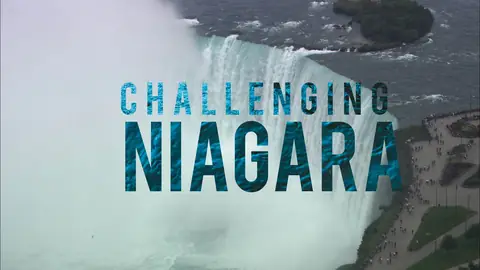 Challenging Niagara1 episode · 60 min eachPrep 2
- What it is about
- This film is about Niagara Falls, where millions of people visit, engineers harness the power of the water, and some daredevils cross or go over the falls in different ways.
- Skills practiced
- Critical thinking
- Before you watch
- Write down the viewpoints of three groups: tourists, engineers, and daredevils. This film includes dangerous stunts.
- Ask after watching
- When people choose a risk for themselves, should society step in to stop them? Give your reasons and the principle you use to decide.
- Try it
- Hold a class debate on the freedom to take risks versus the state's duty to protect. Each person researches facts for the side they are assigned.
- Talk about it at home
- Does our community have risky traditions, like climbing tall trees or going into fast water? How did earlier generations set the rules?
- Heads up
- Death, Disasters
57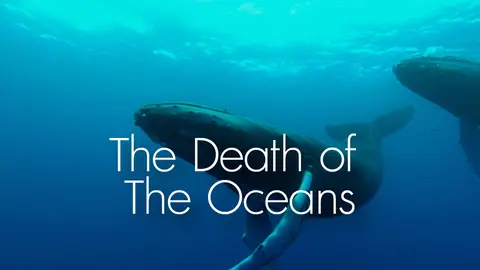 The Death of The Oceans1 episode · 60 min eachPrep 1
- What it is about
- Sir David Attenborough explores the deep sea, home to remarkable creatures, and explains how a growing human population puts the ocean in danger. He also shows how we can help sea ecosystems.
- Skills practiced
- Global citizenship
- Before you watch
- Notice which words in the film are emotional and which give numbers or evidence.
- Ask after watching
- This film was made a while ago. To tell someone how the ocean is doing today, what else would you need to know?
- Try it
- Find a recent news story or report about the ocean. Make a 3-minute video on what in the film still holds true and what has changed.
- Talk about it at home
- Does anyone in our family fish? Can our grandparents describe how the sea or river used to be?
- Heads up
- Death
58 Supervolcano2 episodes · 60 min eachPrep 2
- What it is about
- This film explores the giant volcano beneath Yellowstone National Park, the warning signs scientists see, and an imagined scenario of what an eruption could do to people and the planet.
- Skills practiced
- Critical thinking, Global citizenship
- Before you watch
- Note which parts are real data and which are simulation. Some scenes show severe disaster. If that feels upsetting, tell me.
- Ask after watching
- Do scenarios like this help people prepare, or do they just scare people? What evidence would you use to decide?
- Try it
- Pick a disaster that could happen where you live. Look up the risk from an official source, then make a 3-minute video on what to prepare.
- Talk about it at home
- What disaster plan does our community already have? What would adults who lived through a real event want to warn us about?
- Heads up
- Disasters, Death
59 What's Wrong With Our Weather1 episode · 60 min eachPrep 1
- What it is about
- Months of powerful storms hit England and left millions of people struggling, after a winter with record low temperatures. Weather scientists and ocean scientists search for why the weather turned more extreme and whether global warming plays a part.
- Skills practiced
- Critical thinking
- Before you watch
- Notice how carefully the scientists talk about causes, and which words show they are not sure yet.
- Ask after watching
- The film was shot during the storms in England. What would you need to know to say it is still true today?
- Try it
- Find the latest weather data from a trusted source. Make a 3-minute video on what in the film still holds and what has changed.
- Talk about it at home
- Does anyone in our family farm or garden? How do our grandparents say rain and harvests compare with the old days?
- Heads up
- Disasters
60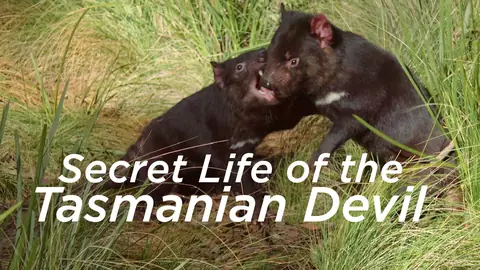 Secret Life of the Tasmanian Devil1 episode · 60 min eachPrep 2
- What it is about
- This film follows the Tasmanian devil, a fierce animal with a frightening call in the forests of Tasmania, and the life of its young, which grow up very fast.
- Skills practiced
- Critical thinking
- Before you watch
- Notice how the film uses pictures and sound to shape how you feel about the animal.
- Ask after watching
- When the media makes an animal look scary, how does that affect efforts to protect it? Give an example and your reasons.
- Try it
- Choose an animal people in your area fear. Make a 3-minute video with facts that help people understand it better.
- Talk about it at home
- How did earlier generations in our community see wild animals? Has that view changed?
- Heads up
- Animals hunting each other, Fighting, Scary scenes
61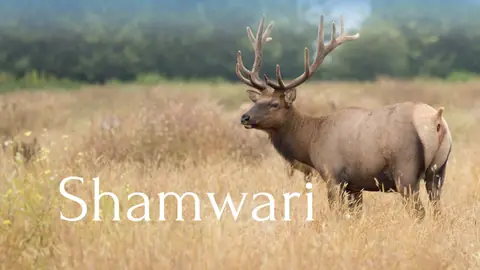 Shamwari9 episodes · 30 min eachPrep 2
- What it is about
- This series follows vets and a team at Shamwari Game Reserve in South Africa as they help wildlife, such as rhinos, elephants, and giraffes, in moments that are thrilling and sometimes dangerous.
- Skills practiced
- Communication and teamwork, Emotional intelligence
- Before you watch
- Jot down the good and bad results of each decision the team makes. This film shows injured animals and risk.
- Ask after watching
- How is protecting wildlife in a fenced reserve different from letting animals live on their own, and what evidence could you compare?
- Try it
- Pick one issue from the film, like moving animals, and find two more sources on it. Then make a 3-minute video that presents both sides.
- Talk about it at home
- Does our area have forest or wildlife that needs care? What do the adults who know about it tell us?
- Heads up
- Death, Fighting, Animals hunting each other
62 Fish Life1 episode · 30 min eachPrep 2
- What it is about
- This series follows a day under the sea: fish resting on the sand, colors that help animals hide, how they find mates and have young, coral that shelters many creatures, and why sharks are so often cast as the enemy.
- Skills practiced
- Critical thinking
- Before you watch
- Notice how each sea animal differs in color and in how it finds food. Some parts talk about how sea animals find a mate.
- Ask after watching
- How does the film tell the story of sea animals finding mates? How could different viewers see it differently, and how do you see it?
- Try it
- Choose one fish or sea animal from the film and find out how it finds a mate or cares for its young. Compare that with courtship customs in your community, without judging which is better.
- Talk about it at home
- What are the wedding or courtship customs in our village? Can our grandparents tell us how it was done in the past?
- Heads up
- Blood or dissection
63 Ocean Vet2 episodes · 30 min eachPrep 2
- What it is about
- This series follows a vet and his team as they help fish and sea animals in Bermuda, including Galapagos sharks, rays, and tiger sharks.
- Skills practiced
- Critical thinking, Communication and teamwork
- Before you watch
- Jot down what decisions the tracking data on sharks and rays can help people make. Some parts show sick animals and danger.
- Ask after watching
- How far is research that requires catching animals for checkups acceptable? What reasoning and evidence support your view?
- Try it
- Make a 3-minute video explaining how aquatic resources are managed in your area, with interviews of fishers or people who look after the water.
- Talk about it at home
- Does our community have fishing rules passed down over time? Do our grandparents know where those rules came from?
- Heads up
- Fighting, Blood or dissection, Disasters
64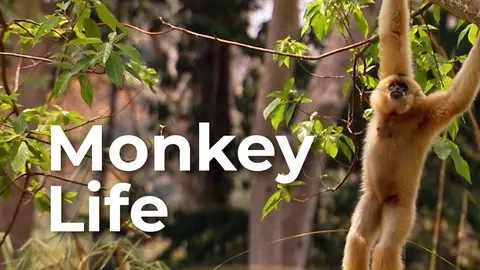 Monkey Life13 episodes · 30 min eachPrep 2
- What it is about
- This series follows a team at the Monkey World rescue center in England who give new homes to primates that were kept as pets or taken from the wild, including chimpanzees, orangutans, and small monkeys.
- Skills practiced
- Emotional intelligence, Communication and teamwork
- Before you watch
- Jot down the conflicts the team faces between loving animals and the reality of caring for them. Some scenes show monkeys that were hurt.
- Ask after watching
- Why does wildlife trafficking happen, and how could it be solved at its source? What evidence supports your answer?
- Try it
- Study a wildlife trade case in your region. Then make a 3-minute video summarizing the problem and possible solutions.
- Talk about it at home
- Do adults in our community know about the wildlife trade? What have our grandparents seen or heard?
- Heads up
- Blood or dissection, Fighting, Sensitive topics (war, religion, politics)
65 Do We Really Need The Moon?1 episode · 60 min eachPrep 0
- What it is about
- This film uses real footage and 3D computer graphics to show how different Earth would be if the Moon were not where it is.
- Skills practiced
- Critical thinking
- Before you watch
- Jot down what evidence each conclusion in the film comes from, and which ones are simulations.
- Ask after watching
- Which is more convincing, a simulation or real data? When can a simulation lead us to the wrong idea?
- Try it
- Check one claim about the Moon you have heard, such as the Moon changing people's moods. Find two sources, then sum it up in a 3-minute video.
- Talk about it at home
- What do we believe at home about the Moon and life? Do our grandparents have beliefs or traditions about it?
66 Earth Overhaul1 episode · 60 min eachPrep 1
- What it is about
- A presenter meets scientists and engineers who dare to take on the world's hardest problem: changing the climate to rescue the planet. He examines four proposed methods.
- Skills practiced
- Global citizenship
- Before you watch
- Notice what evidence supports each method, and where it is still only hope.
- Ask after watching
- If someone proposed changing the world's climate, what would you ask before agreeing, and who should get to decide?
- Try it
- Look up the latest on one of the four methods. Make a 3-minute video on what we know now and what has changed since the film.
- Talk about it at home
- Has our village ever had a big project where people were asked first? How did our grandparents take part in the decision?
- Heads up
- Claims that are not proven
67 Everything and Nothing1 episode · 60 min eachPrep 0
- What it is about
- Professor Jim Al-Khalili searches for answers to two big questions: what is everything, and what is nothing?
- Skills practiced
- Critical thinking
- Before you watch
- Jot down which questions in the film physics can answer and which it cannot yet.
- Ask after watching
- What evidence would you need before concluding that empty space holds something real, and how far would you trust it?
- Try it
- Pick one idea from the film, like the vacuum, and write an explanation in plain language a grandparent could follow. Read it to an adult and ask where they got lost.
- Talk about it at home
- Do our grandparents have ideas about emptiness or nothingness from religion or belief? Would they share them with us?
68Fight Science5 episodes · 60 min eachPrep 2
- What it is about
- This series uses science and sensors to look at what the bodies of fighters, soldiers, police officers, and the animals that inspired kung fu can do, and how they do it.
- Skills practiced
- Critical thinking
- Before you watch
- Jot down what was measured behind each scientific conclusion. This film shows fighting and weapons. If that feels upsetting, tell me.
- Ask after watching
- When science measures ancient martial arts, what can it capture, and what could the measuring miss?
- Try it
- Form a hypothesis about a sport you play, such as running or kicking. Design a simple test with a stopwatch, run it, and write up your result. Keep it gentle: walk, do not run or kick hard, and stop if anything hurts.
- Talk about it at home
- What do martial arts or folk sports mean in our community? Can our grandparents tell us where they came from?
- Heads up
- Fighting, Sensitive topics (war, religion, politics)
69 Fill My Tank6 episodes · 30 min eachPrep 0
- What it is about
- A filmmaker drives 2,500 kilometers from Singapore to Cambodia, fueling his vehicle with used cooking oil that he collects along the way.
- Skills practiced
- Creative thinking, Global citizenship
- Before you watch
- Jot down what this journey does and does not prove about renewable energy.
- Ask after watching
- If everyone drove on used cooking oil, would there be enough? Try a calculation and give your reasoning.
- Try it
- Collect data on how much cooking oil a nearby community or market uses each week. Estimate how much fuel that could replace, then share your results in a 3-minute video.
- Talk about it at home
- What energy did earlier generations in our community use? What good and bad has come with the changes?
70 Future Earth1 episode · 90 min eachPrep 1
- What it is about
- This series covers how greenhouse gases like carbon dioxide and methane change the climate, what that means for animals and people, what a 2 degree rise could bring, new technology to slow these gases, and possible water and energy shortages in a few decades.
- Skills practiced
- Global citizenship
- Before you watch
- Separate what in the film is fact from what is forecast.
- Ask after watching
- The film was made when 2025 was still the future. We now have real data to compare. Which of its claims came true?
- Try it
- Pick one prediction from the film and find the latest data from a trusted source. Make a 3-minute video on whether it matches now, and why.
- Talk about it at home
- How have water or energy problems in our village changed since our grandparents' time? How did they manage in the past?
- Heads up
- Disasters, Claims that are not proven
71 History of Science6 episodes · 60 min eachPrep 1
- What it is about
- Michael Mosley tells how people found answers to big questions, such as what is in the universe, what the world is made of, and how we came to be here.
- Skills practiced
- Critical thinking
- Before you watch
- Jot down the question and the evidence behind each discovery. Some parts show clashes with people's beliefs.
- Ask after watching
- Why do scientific discoveries change a society's beliefs quickly or slowly? Can you think of an example from your own life?
- Try it
- Build a timeline of one health discovery, such as a medicine or vaccine. Show who objected and why, then present it in a 3-minute video.
- Talk about it at home
- Does our community hold beliefs that new knowledge has challenged? How did earlier generations handle it?
- Heads up
- Sensitive topics (war, religion, politics), Fighting, Death
72 How the Earth was Made4 episodes · 60 min eachPrep 0
- What it is about
- This series shows how glaciers, forces inside the Earth, and rivers shaped places like Everest, the Grand Canyon, and other parts of America, along with the evidence in the rocks.
- Skills practiced
- Critical thinking
- Before you watch
- Jot down what each piece of evidence says about how a place formed.
- Ask after watching
- Which conclusion did geologists come to accept after a long debate, and what let them agree?
- Try it
- Pick a geological feature near you and find explanations from two sources. Check whether they agree and what evidence they use, then make a 3-minute video.
- Talk about it at home
- Is there a place in our area that people say came from a legend, while geologists explain it another way? Can the adults tell us?
73How To Build A Planet2 episodes · 60 min eachPrep 0
- What it is about
- Richard Hammond uses simulations to show, step by step, how planets, the solar system, and the universe were built, and what could go wrong.
- Skills practiced
- Critical thinking
- Before you watch
- Jot down which parts use real data and which use models.
- Ask after watching
- How much should we trust a model when it explains something we have never observed directly, and how can we test it?
- Try it
- Pick one step in building a planet and explain it in a 3-minute video using things from around your home. Point out where your model differs from the real thing.
- Talk about it at home
- How did our grandparents explain where the world came from? Does our family see it in different ways?
74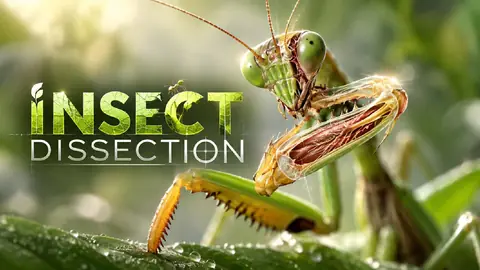 Insect Dissection1 episode · 60 min eachPrep 2
- What it is about
- Two entomologists use advanced photography and dissection to look inside insects and ask why they have survived for 400 million years, with designs that human engineering still cannot copy.
- Skills practiced
- Critical thinking
- Before you watch
- Insects are dissected in this film. If that feels upsetting, tell me. Listen for how the scientists explain their reasons.
- Ask after watching
- Some people see value in dissecting insects, while others worry that insects could be hurt. What reasons does each side have, and what rules would you set?
- Try it
- Find an insect in your village and learn what it does for people. Make a 3-minute video on how it helps.
- Talk about it at home
- Which insects help or bother us at home? How did our grandparents live with insects in the past?
- Heads up
- Blood or dissection
75 Inside Human Body4 episodes · 60 min eachPrep 2
- What it is about
- This series uses high-resolution cameras to look inside the human body, from the start of life to the tiny workings that keep us alive and the building of the brain.
- Skills practiced
- Critical thinking
- Before you watch
- Notice how the film uses pictures and explanations to show what our eyes cannot see. It includes medical images. If that feels upsetting, tell me.
- Ask after watching
- If knowledge about the brain and body can change how we care for ourselves, what kind of evidence tells you it really works?
- Try it
- Pick one health belief you have heard and check it against two medical sources. Make a 3-minute video on how far to trust it.
- Talk about it at home
- Does our community have healing wisdom that our grandparents used? Do we still use it, or has it changed?
- Heads up
- Blood or dissection, Sensitive topics (war, religion, politics), Death
76 Poison1 episode · 60 min eachPrep 2
- What it is about
- This series looks at animal venom and poison, from spiders, snakes, pufferfish, and bees. Animals use it to defend themselves, and people sometimes turn it into medicine.
- Skills practiced
- Critical thinking
- Before you watch
- Jot down where the film talks about venom used as medicine, and which parts are test results and which are guesses.
- Ask after watching
- If someone says an animal's venom can cure disease, who should you check with, and how will you decide how far to believe it?
- Try it
- Ask a doctor or nurse in your community about venomous animals in your area and first aid. Share their advice in a 3-minute video.
- Talk about it at home
- When our grandparents were young, how did our village treat a bite from a snake or other venomous animal?
- Heads up
- Animals hunting each other, Death, Scary scenes
77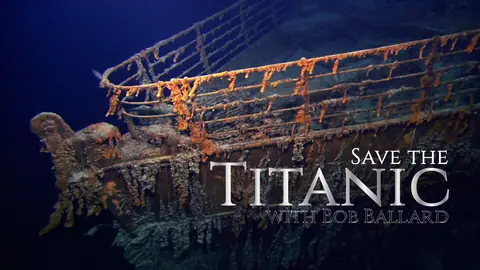 Save the Titanic with Bob Ballard1 episode · 60 min eachPrep 2
- What it is about
- Dr. Bob Ballard, who found the wreck of the Titanic, travels to Ireland to meet people who built ships, and talks about the wreck, which is at risk of wasting away.
- Skills practiced
- Global citizenship
- Before you watch
- Jot down who can speak for the wreck and the memory of those who died. This film covers a shipwreck and deaths. If that feels upsetting, tell me.
- Ask after watching
- Should a wreck that is like a grave be open for people to see? What principles and evidence back your view?
- Try it
- Hold a debate on who underwater historical heritage should belong to. Research relevant laws or conventions and sum up the views of three sides.
- Talk about it at home
- Does our community have a memorial or a place tied to loss? How do the adults look after that memory?
- Heads up
- Death, Disasters
78 Sleepless in America1 episode · 60 min eachPrep 1
- What it is about
- This film looks at how too little sleep affects the body and causes unexpected dangers, using science to study sleep.
- Skills practiced
- Critical thinking
- Before you watch
- Notice how the film uses numbers and the stories of real people. How is each one convincing in a different way?
- Ask after watching
- If a friend says sleeping less is fine, what would you ask to find out if it is true, and which trusted person would you go to?
- Try it
- Ask a doctor or nurse in your community about teen sleep. Make a 3-minute video of what you hear and compare it with how your friends really sleep.
- Talk about it at home
- Who in our home sleeps too little, and why? How did our grandparents sleep during the farming days?
- Heads up
- Death, Claims that are not proven
79 SPIDER MAN TECH1 episode · 60 min eachPrep 1
- What it is about
- This film asks whether Spider-Man's powers, like shooting webs and swinging through the air, are possible in science, and how close real technology gets.
- Skills practiced
- Critical thinking
- Before you watch
- Jot down the numbers or physics the film uses to test superhuman powers. Some parts show movie-style danger.
- Ask after watching
- Does testing fiction with science help you understand science better, or make the story less fun? What are your reasons?
- Try it
- Pick one power of a hero you like. Make a 3-minute video testing whether physics allows it, with a simple calculation.
- Talk about it at home
- Did our grandparents' generation have heroes or characters they believed had special powers? What do they think about those stories now?
- Heads up
- Fighting
80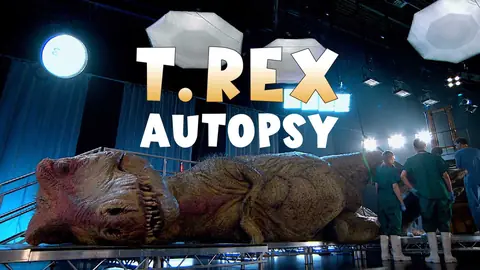 T.REX AUTOPSY1 episode · 60 min eachPrep 2
- What it is about
- This National Geographic film dissects a T. rex part by part, using biology and paleontology to find out how the animal used its body.
- Skills practiced
- Critical thinking
- Before you watch
- Jot down, for each body part, whether the film relies more on real evidence or on models. It shows dissection and hunting. If that feels upsetting, tell me.
- Ask after watching
- If an extinct animal is rebuilt from partial information, how far should we accept that picture as fact?
- Try it
- Pick one claim from the film, such as running speed. Check two sources, then write how wide the uncertainty is.
- Talk about it at home
- Does our community have old stories that adults believe are true but have no evidence? What do they think?
- Heads up
- Death, Blood or dissection
81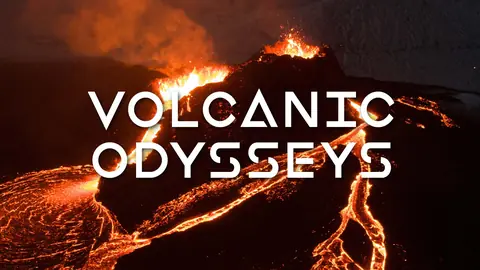 Volcanic Odysseys2 episodes · 30 min eachPrep 2
- What it is about
- A volcanologist travels to photograph and collect data at active volcanoes in Indonesia, Mexico, and Japan.
- Skills practiced
- Critical thinking
- Before you watch
- Jot down the signs before an eruption that volcanologists read. This film shows danger and severe damage. If that feels upsetting, tell me.
- Ask after watching
- How accurate is predicting an eruption, and who should decide to evacuate people when the data is not certain?
- Try it
- Look up a natural hazard likely in your area. Make a 3-minute video explaining the warning signs and who gives the orders.
- Talk about it at home
- Does our community have a disaster plan? What do adults who lived through an event tell us?
- Heads up
- Death, Disasters
82Your Inner Fish3 episodes · 60 min each
- What it is about
- This film shows that the human body carries traces of fish, reptiles, and small early animals, in features like limbs, neck, lungs, hair, and hearing.
- Skills practiced
- Critical thinking
- Before you watch
- Jot down which kind of evidence tells the story of change most solidly: fossils, DNA, or anatomy.
- Ask after watching
- When evidence from several directions agrees, how does that make a conclusion stronger? Can you think of other examples?
- Try it
- Make a 3-minute video explaining one piece of evidence to someone who never studied science. Ask which parts they understood.
- Talk about it at home
- Do people in our home hold different beliefs about where humans came from? How do the adults live together with that?
- Heads up
- Animals hunting each other
83 Food Factory4 episodes · 30 min eachPrep 2
- What it is about
- This series goes behind the scenes at food factories to see how everyday foods are made, such as ice cream cones, pasta, coffee, sugar, tortillas, soup, and juice. Some parts also show beer or whiskey being made.
- Skills practiced
- Critical thinking
- Before you watch
- Pick one food from the sugar or ice cream parts and notice what each step does to the ingredients.
- Ask after watching
- Some parts show beer or whiskey being made. Some families drink and others do not, for belief or health reasons. What is behind each view, and what do you think?
- Try it
- Choose a food your family eats and ask a vendor or cook in your community how it is made. Compare with how the factory does it: where is it the same, and where different?
- Talk about it at home
- When our grandparents were young, did our family make food or buy it, and how? What customs do we have at home about drinking alcohol?
- Heads up
- Sensitive topics (war, religion, politics)
84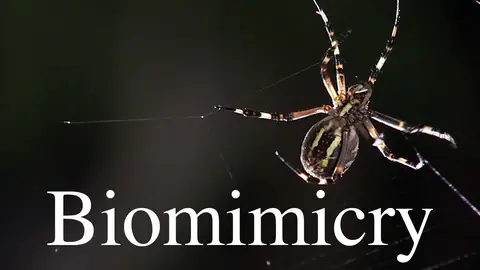 Biomimicry2 episodes · 60 min eachPrep 1
- What it is about
- This series is about borrowing nature's methods for human problems. It covers a substance in bat saliva that stops blood clotting, a numbing-like substance in mosquito saliva, antibiotics from beehives, and geometric shapes in nature and how we use them.
- Skills practiced
- Creative thinking
- Before you watch
- Jot down which animal or plant each invention took its idea from.
- Ask after watching
- If you tell someone a substance from an animal can treat disease, what evidence do you need, and who should you ask to be sure?
- Try it
- Pick something in nature near your home that could be copied. Film a 3-minute video explaining the idea, and ask a doctor or health officer if it involves medicine.
- Talk about it at home
- Does our village have wisdom copied from nature? Can our grandparents tell us what it was used for?
- Heads up
- Claims that are not proven
85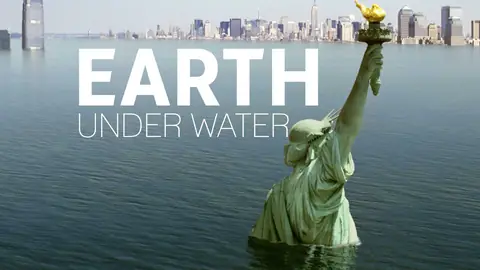 Earth Under Water1 episode · 60 min eachPrep 2
- What it is about
- This film simulates rising sea levels: what would happen if melting ice flooded major cities around the world. It reports that some scientists see major flooding as unavoidable if carbon dioxide keeps being released.
- Skills practiced
- Global citizenship
- Before you watch
- Notice what evidence supports the claim that this is unavoidable, and which scientists say it.
- Ask after watching
- How do we know whether this prediction is true? If another group of scientists disagrees, whose evidence do you look at?
- Try it
- Find the latest report on sea level rise. Make a 3-minute video on whether current data matches the film, and name your sources.
- Talk about it at home
- Has our family ever moved a home or farm because of water? Can our grandparents tell us about a big flood they remember?
- Heads up
- Disasters, Claims that are not proven
86 Comets Target Earth1 episode · 60 min eachPrep 2
- What it is about
- This film shows that comets are more than pretty sights in the sky. They may be a source of life on Earth, and one may have hit our planet 65 million years ago.
- Skills practiced
- Critical thinking
- Before you watch
- Jot down what evidence links comets to the origin of water and life. It shows violent impacts. If that feels upsetting, tell me.
- Ask after watching
- How strong is the evidence for the idea that life came from space, and what objections exist?
- Try it
- Look up two real space missions that collected comet samples. Make a table of what they found and which conclusions are still unsettled.
- Talk about it at home
- Did earlier generations in our community have beliefs about comets or shooting stars? How do those beliefs differ from science?
- Heads up
- Disasters
87 Cosmic Vistas6 episodes · 30 min each
- What it is about
- This series covers space exploration, from the first telescope to modern satellites, and the Moon, which still holds secrets.
- Skills practiced
- Critical thinking
- Before you watch
- Jot down what instrument each discovery came from and what that instrument cannot do.
- Ask after watching
- When all the data comes from instruments we do not see for ourselves, why should we trust it, and how can we check?
- Try it
- Pick one image from a space telescope and check whether its colors were adjusted. Make a 3-minute video on what is real and what was added.
- Talk about it at home
- How did our grandparents come to know the sky? Does that knowledge still work today?
- Heads up
- Claims that are not proven, Disasters
88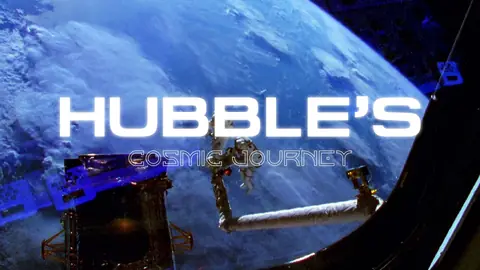 Hubble's Cosmic Journey1 episode · 60 min eachPrep 0
- What it is about
- This film celebrates 25 years of the Hubble telescope, which has taken thousands of space images since 1990 and changed how we understand the universe.
- Skills practiced
- Communication and teamwork
- Before you watch
- Jot down which question led to each of Hubble's key discoveries and how it changed old beliefs.
- Ask after watching
- When colors are adjusted to look beautiful for the public, should viewers be told? What are your reasons?
- Try it
- Pick one Hubble image and find out how it was processed. Make a 3-minute video on the difference between a data image and a communication image.
- Talk about it at home
- Does anyone in our family keep old photos or records of important events? How truthfully do those pictures tell the story?
89 Inside the Milky Way1 episode · 60 min eachPrep 0
- What it is about
- This film uses 3D computer graphics to travel across the Milky Way, which is 100,000 light years wide, and shows key moments in the history of our galaxy.
- Skills practiced
- Critical thinking
- Before you watch
- Jot down how the real observations and the models differ in each part.
- Ask after watching
- If we cannot actually go outside the galaxy, how do we know its structure, and how sure can we be?
- Try it
- Pick one conclusion about the Milky Way and check it against two sources. Make a 3-minute video on what is certain and what is still a hypothesis.
- Talk about it at home
- What did people in our community use the night sky for, such as reading the seasons? Can the adults tell us?
90 Journey to Europa1 episode · 60 min eachPrep 1
- What it is about
- This film starts with astronomers who once claimed to see canals on Mars, and moves to a journey to explore Europa, a moon of Jupiter, in search of water and life.
- Skills practiced
- Media literacy
- Before you watch
- Jot down what the past teaches about reading images from cameras that show limited detail.
- Ask after watching
- If we send a spacecraft to look for life on an icy moon, what evidence would you accept as real life?
- Try it
- Design three criteria for deciding what counts as evidence of life. Explain your criteria in a 3-minute video.
- Talk about it at home
- Did our grandparents ever believe in life on other planets? What do they think now?
- Heads up
- Claims that are not proven
91 Seven Ages of Starlight2 episodes · 60 min eachPrep 0
- What it is about
- This film tells the story of stars from birth to end, and how discoveries about stars changed our understanding of the universe.
- Skills practiced
- Critical thinking
- Before you watch
- Jot down what observations support each stage of a star's life.
- Ask after watching
- How much evidence backs the claim that the elements in our bodies come from stars, and how do we know?
- Try it
- Pick one claim from the film and write a plan for checking it by observation. Explain your plan in a 3-minute video.
- Talk about it at home
- How did our grandparents believe people and stars are connected? Can they tell us?
92 Solar Storms - The Threat To Planet Earth1 episode · 60 min eachPrep 1
- What it is about
- This film is about predicting powerful solar storms that could disrupt technology on Earth, such as power grids and satellites.
- Skills practiced
- Global citizenship
- Before you watch
- Jot down what is uncertain in the film's predictions. Some parts sound alarming.
- Ask after watching
- When a risk is low but the harm would be huge, who should pay to prepare: government, business, or citizens? Give reasons and evidence.
- Try it
- Look up two solar storms from the past. Make a 3-minute video on what they affected and how our preparation is different now.
- Talk about it at home
- How did earlier generations in our community prepare for natural disasters? Can they tell us?
- Heads up
- Disasters, Claims that are not proven
93 The Core1 episode · 60 min eachPrep 2
- What it is about
- This film follows a journey toward Earth's core, nearly 4,000 miles down. The core affects equipment in space, which has made scientists more curious about it.
- Skills practiced
- Critical thinking
- Before you watch
- Jot down what evidence the film offers about the core, and where it is only a guess.
- Ask after watching
- If someone tells you about Earth's center, which you cannot see yourself, how do you check it matches what the title says, and how far can you trust it?
- Try it
- Find out how scientists know about Earth's core from at least two trusted sources. Explain it in a 3-minute video.
- Talk about it at home
- Does our home or village have stories about underground places or mountains? What do our grandparents believe?
- Heads up
- Death, Disasters, Sensitive topics (war, religion, politics)
94 Wonders of the Universe4 episodes · 60 min eachPrep 0
- What it is about
- This series invites you to think about time, stardust, and the origins of humans through images of the universe and scientific explanations.
- Skills practiced
- Critical thinking
- Before you watch
- Jot down what observation or calculation backs each claim in the film.
- Ask after watching
- When science and philosophy disagree about time, which should you trust, or do you need both? Give your reasons.
- Try it
- Make a 3-minute video answering what time is, using both a scientific definition and a local word or traditional way of telling time.
- Talk about it at home
- How is time for villagers, like the rice planting season, different from clock time? Can our grandparents tell us?
95 A CARRIER AT WAR : THE USS ENTERPRISE1 episode · 60 min eachPrep 2
- What it is about
- This film shows life aboard the aircraft carrier USS Enterprise, which is both home and workplace. The crew works nonstop to keep each day running, and they do not know when they will go home.
- Skills practiced
- Communication and teamwork
- Before you watch
- Note whose point of view the film tells from, and whose is missing.
- Ask after watching
- If sailors, military families, and people from a country that has known war watched this film, what would each see? How do you see it, with respect for all?
- Try it
- Film a video of up to 3 minutes interviewing an adult in your community who worked on a big team, such as a soldier, a farming group, or a volunteer. Ask how they communicated.
- Talk about it at home
- Has anyone in our family served in the military or lived near a war? Can our grandparents tell us how it felt?
- Heads up
- Fighting, Disasters, Sensitive topics (war, religion, politics)
96 The Age of Robots6 episodes · 60 min each
- What it is about
- This series visits many kinds of robots, such as robots that look like people, robots that copy nature, and robots for future cities.
- Skills practiced
- Creative thinking, Global citizenship
- Before you watch
- Jot down what problem each robot solves and who benefits.
- Ask after watching
- How will cities and jobs full of robots change people's lives? Who could be left behind, and what data supports your view?
- Try it
- Collect data on five jobs in your community and estimate the chance a robot could replace each. Make a 3-minute video on how the community should prepare.
- Talk about it at home
- When machines first came to our community, what did our grandparents do about their work?
- Heads up
- Blood or dissection
97 Dream the Future10 episodes · 60 min each
- What it is about
- This series looks ahead at parts of daily life, such as travel, sports, food, school, energy, homes, music, and fashion.
- Skills practiced
- Creative thinking, Global citizenship
- Before you watch
- Jot down whether each prediction rests on technology that already exists or is just hope.
- Ask after watching
- Who should set the direction of the future: scientists, government, companies, or communities? Give reasons and examples.
- Try it
- Make a 3-minute video proposing your community's future in 20 years, using three pieces of current data as evidence.
- Talk about it at home
- What do adults in our community want it to be like in the future, and what worries them most?
- Heads up
- Claims that are not proven, Sensitive topics (war, religion, politics)
98 Mighty Movers - Rock Eaters of Iceland2 episodes · 60 min eachPrep 1
- What it is about
- This film is about giant machines, such as a rig that drills for oil in the deep sea and the machines that built a hydroelectric power plant in Iceland.
- Skills practiced
- Communication and teamwork
- Before you watch
- Jot down the risks that come with building or digging in extreme places, such as the deep sea. Some parts are dangerous.
- Ask after watching
- When energy is expensive and scarce, is it worth the risk to dig in dangerous places, and who should bear the cost? What data supports your view?
- Try it
- Pick one energy project. Make a 3-minute video on its costs and benefits for people and nature, with your sources.
- Talk about it at home
- Has our community ever shared an energy source, like firewood or water? How did the adults divide it?
- Heads up
- Disasters
99 Horizon Guide To Climate Change1 episode · 60 min eachPrep 1
- What it is about
- A scientist looks back through old programs to show how a once unknown theory became one of the largest scientific efforts in history. Climate change is no longer distant. It comes suddenly and more often, and its parts affect each other in loops.
- Skills practiced
- Critical thinking
- Before you watch
- Notice how the scientists in the film link different kinds of data together.
- Ask after watching
- The film uses data from an old archive. How do we know whether the old conclusions still hold, and how could we check?
- Try it
- Find the latest climate report. Make a 3-minute video on what in the film still holds and what new data exists.
- Talk about it at home
- Does our family farm or trade in ways that depend on the weather? What changes have our grandparents noticed?
- Heads up
- Disasters, Claims that are not proven
100 Toughest Carrier Jobs1 episode · 60 min eachPrep 2
- What it is about
- This film follows people working on an aircraft carrier. Each has a different job, but all of them face danger, and the job the ship cannot do without is the hard-working cook.
- Skills practiced
- Communication and teamwork
- Before you watch
- Notice how the film makes you feel about military work, and which sides it shows more than others.
- Ask after watching
- What would a crew member, someone who disagrees with using military force, and someone who looks after others each say?
- Try it
- Make a video of up to 3 minutes interviewing someone in your community with a risky job or a behind-the-scenes job. Ask what they think about their work.
- Talk about it at home
- Does anyone in our family do dangerous work? Can our grandparents tell us who did this kind of work in the past?
- Heads up
- Fighting, Disasters, Sensitive topics (war, religion, politics)
101 I, Human1 episode · 60 min eachPrep 2
- What it is about
- This film studies how the brain works. It also shows an eye treatment that uses a virus, brain tumor surgery without opening the skull, and 3D images that help doctors see inside the body clearly.
- Skills practiced
- Critical thinking
- Before you watch
- Jot down what evidence or results back each treatment in the film.
- Ask after watching
- How far should you trust a brand new treatment, and who should you check with?
- Try it
- Ask a doctor or nurse in your community whether one treatment from the film is in real use yet. Share their answer in a 3-minute video.
- Talk about it at home
- Has anyone in our family had surgery or treatment for a serious illness? Can our grandparents tell us how it was treated in the past?
- Heads up
- Blood or dissection
102 Earthshocks7 episodes · 60 min eachPrep 2
- What it is about
- This series studies huge natural events in Earth's history, such as the asteroid that ended the dinosaurs, violent storms, and the Ring of Fire, then predicts what could happen if they happened again.
- Skills practiced
- Critical thinking
- Before you watch
- Jot down whether each claim comes from real evidence or from simulation. Some scenes show severe disaster. If that feels upsetting, tell me.
- Ask after watching
- Should predictions of rare but severe disasters make you alert or panicked, and how do you decide?
- Try it
- Look up two types of natural hazards likely in your region and compare their risks. Make a 3-minute video on what to prepare first.
- Talk about it at home
- What disaster plans or experiences does our community have? What did adults who lived through events pass on?
- Heads up
- Disasters, Death
103 HEAD GAMES3 episodes · 60 min eachPrep 0
- What it is about
- This series uses brain games and puzzles, played by viewers and people on screen, to show how the brain works. It explores how we organize information, what consciousness is, and how we perceive the world.
- Skills practiced
- Critical thinking
- Before you watch
- Notice what each experiment is designed to control for.
- Ask after watching
- What can a small group's results tell us about everyone's brain, and how would you make them more convincing?
- Try it
- Design a simple experiment about memory or attention. Test it with at least 20 people, then make a 3-minute clip that shares your results and their limits.
- Talk about it at home
- Do our grandparents have ways of training memory or focus that they've used for years? Do those ways still work today?
104 What's Killing Our Bees1 episode · 60 min eachPrep 1
- What it is about
- Scientists try to find out why so many bees are dying. They uncover three causes: a virus carried by mites, pesticides used on farms, and changes in how farming is done.
- Skills practiced
- Critical thinking
- Before you watch
- As you watch, jot down what is a measurable fact and what is someone's opinion.
- Ask after watching
- If a farmer, a scientist, and a honey buyer sat at one table, what would each gain or lose from fixing this problem?
- Try it
- Hold a short debate in class. Split into farmers, scientists, and buyers, and have each group find evidence to back its proposal.
- Talk about it at home
- How did our grandparents farm or garden, and how is it different today? What does that tell us about the insects around us now?
- Heads up
- Death
105 The Power of the Placebo1 episode · 60 min eachPrep 2
- What it is about
- This film tests placebos, treatments with no active ingredient that still change the body and brain in experiments. They help some athletes perform better and some patients feel better.
- Skills practiced
- Critical thinking
- Before you watch
- Write down how the experiments are designed and why they need a comparison group.
- Ask after watching
- If a friend says a product cured their illness, what would you ask to learn whether it really worked or just felt that way, and who would you ask?
- Try it
- Ask a doctor or pharmacist in your community how they know a medicine really works. Then make a clip of 3 minutes or less explaining it to a friend.
- Talk about it at home
- Have we ever bought or taken something said to build health or treat illness? What did our grandparents believe in the past?
- Heads up
- Blood or dissection, Claims that are not proven
106 The Truth About Calories1 episode · 60 min eachPrep 2
- What it is about
- A doctor runs experiments to see how accurate our calorie estimates and food label numbers really are, and whether counting calories is worth the effort.
- Skills practiced
- Critical thinking
- Before you watch
- Note what each experiment proves and what it still can't tell us.
- Ask after watching
- If someone says counting calories makes you thin, or that a certain food makes you gain weight, how would you check, and who would you ask?
- Try it
- Ask a doctor or nutritionist in your community how far food labels can be trusted. Make a clip of 3 minutes or less sharing the answer, compared with what people in your community actually eat.
- Talk about it at home
- What do we mainly eat at home? How did our grandparents look after their weight and health in the past?
- Heads up
- Claims that are not proven
107 How Big is the Universe1 episode · 60 min eachPrep 0
- What it is about
- Scientists try to map the entire universe. It takes many kinds of data, and proof that the data is right.
- Skills practiced
- Critical thinking
- Before you watch
- Note which claims scientists can confirm and which are still educated guesses.
- Ask after watching
- When we map something we can't fully see, how much uncertainty should we accept, and how far should we trust the numbers?
- Try it
- Pick one number from the film, such as a distance or an age. Find out how it was measured, then write a half-page summary on whether you trust it and why.
- Talk about it at home
- What did our grandparents look to the sky for, such as seasons or planting time? Does anyone at home still do it?
108 Man on Mars: Mission to the Red Planet1 episode · 60 min eachPrep 0
- What it is about
- This film follows robotic explorers sent to Mars to look for signs of life and collect data from the surface. It also explores how NASA could one day send people there.
- Skills practiced
- Critical thinking
- Before you watch
- Listen for the reasons the film gives for or against sending people to Mars.
- Ask after watching
- With the same budget, would you send people to Mars or fix problems on Earth? How would you decide, and who should make the call?
- Try it
- Hold a short debate on whether people should go to Mars. Each side needs facts or examples to back it up.
- Talk about it at home
- Did our grandparents hear about people going to the Moon back then? What did people in our village think of it?
109 Moonshot: The Flight of Apollo 111 episode · 60 min eachPrep 0
- What it is about
- This film tells the story of Apollo 11's trip to the Moon in 1969, with Neil Armstrong, Michael Collins, and a huge team behind them. The journey took 8 days.
- Skills practiced
- Communication and teamwork
- Before you watch
- Watch how the people in this film handle risk and pressure.
- Ask after watching
- How much trust does a mission this big require, and how is that trust built?
- Try it
- Interview people in your community who work as a team, such as builders or cooks at a temple fair. Ask how they trust each other, then share a short story with the class.
- Talk about it at home
- Did our grandparents ever do work that depended heavily on others, like helping neighbors harvest rice? How did they organize it?
110 Curiosity4 episodes · 60 min eachPrep 1
- What it is about
- This series uses experiments and simulations to bring big ideas to life, such as a solar storm that could affect the whole world, Superstorm Sandy, and an experiment in staying alive as long as possible.
- Skills practiced
- Critical thinking, Creative thinking
- Before you watch
- Listen to how scientists talk about risk. What numbers or simulations do they use?
- Ask after watching
- If a risk is unlikely but would cause huge damage, how much should we prepare? How is that different from something common but small?
- Try it
- Write a plan for one disaster your community could face, such as a flood or storm. Say who does what and when, then present it to a classmate.
- Talk about it at home
- Does our village have a traditional way to warn of danger or get ready, like reading the sky or the water? Who knows it best?
- Heads up
- Death, Disasters, Blood or dissection
111 Secret of the Universe - Dynamic Earth1 episode · 60 min eachPrep 0
- What it is about
- The Dynamic Earth episode shows how wind, oceans, and the forces of nature give Earth a climate that suits living things.
- Skills practiced
- Critical thinking
- Before you watch
- Listen for what makes Earth livable, and what evidence the film uses.
- Ask after watching
- Earth's systems are closely linked. How could a small change in one place affect another? Give an example from where we live.
- Try it
- Find 10 years of weather data for your province and graph it by hand. Then write what patterns you see.
- Talk about it at home
- How do farmers in our village use what they know about weather? Ask one of them and tell us what you hear.
112 Aerial America14 episodes · 60 min each
- What it is about
- This series flies over America's states to show natural beauty, people, and history. Alaska is full of glaciers, Dakota is home to Native tribes, and Idaho has volcanoes.
- Skills practiced
- Critical thinking, Global citizenship
- Before you watch
- Notice what the film chooses to tell about each state's history, and what it leaves out.
- Ask after watching
- If you made an aerial film about your province, what stories would you tell, and who might disagree with your choices?
- Try it
- Take a photo or draw an aerial map of your community. Then write a 3-minute script that lays out what you will tell, in order, and who must get to tell it.
- Talk about it at home
- What do people at home most want outsiders to know about our community, and what would they rather not have told?
- Heads up
- Sensitive topics (war, religion, politics), Fighting, Claims that are not proven
113Aerial America1 episode · 60 min eachPrep 1
- What it is about
- This episode flies over famous movie locations in the US, from silent comedies to big war films. Hollywood is the heart of the movie industry, where real stories and imagination meet.
- Skills practiced
- Creative thinking
- Before you watch
- Notice how the aerial shots and music make each place feel.
- Ask after watching
- How do filmmakers choose to show real places, and where might a movie change the truth to make it more fun?
- Try it
- Make a clip of 3 minutes or less introducing a place in your community in two versions, each with different camera angles and music. Ask friends how each version makes them feel.
- Talk about it at home
- Is there a place in our community that looks different from how our grandparents remember it? What was it like then?
- Heads up
- Fighting
114 Australia With Simon Reeve3 episodes · 60 min eachPrep 1
- What it is about
- Simon Reeve takes you around Australia, showing sides most people don't see: cities, food, industry, coral reefs, the struggles of Indigenous people, and the country's darker side.
- Skills practiced
- Global citizenship
- Before you watch
- Note which parts you see with your own eyes and which come from just one person's account.
- Ask after watching
- When people in the film see things differently, how do you weigh what each one says, and how can you tell the story fairly?
- Try it
- Use your phone to make a 3-minute documentary about your community through the words of three people who see it differently. Show it to friends and ask what they think.
- Talk about it at home
- Have we ever felt outsiders got our community wrong? How would our grandparents want our story told?
- Heads up
- Sensitive topics (war, religion, politics)
115 Curious Traveler4 episodes · 30 min eachPrep 0
- What it is about
- This series visits major places around the world, such as New York, London, and Wales, through old buildings, works of art, and the stories behind each place.
- Skills practiced
- Critical thinking
- Before you watch
- Notice what the film picks from each place's history, and what it leaves out.
- Ask after watching
- If you had 3 minutes to tell visitors about your town, what would you choose, and how would you know it's true?
- Try it
- Use your phone to make a 3-minute documentary about one place in your community. Interview at least one adult.
- Talk about it at home
- When our grandparents were young, what did outsiders know about our community? What is it known for now?
116 DAVID SUCHET ON THE ORIENT EXPRESS1 episode · 60 min eachPrep 1
- What it is about
- David Suchet rides the Orient Express from Paris to Vienna, uncovering the stories, secrets, and romance of this legendary luxury train.
- Skills practiced
- Creative thinking
- Before you watch
- Notice what the film uses to make the trip feel luxurious, romantic, and full of mystery.
- Ask after watching
- When we want to visit a place, is it because of what's real or because of an image someone built? How can you tell the difference?
- Try it
- Make a 3-minute phone documentary about a way of getting around in your community, such as a songthaew or a boat. Make it feel special without overstating anything.
- Talk about it at home
- What is the most memorable trip the grown-ups in our home have taken, and how was travel different back then?
- Heads up
- Death
117 Metropolis6 episodes · 60 min each
- What it is about
- This series tells how great cities such as Manhattan, San Francisco, and Rome began and grew, what we can learn from them, and what still stands today.
- Skills practiced
- Critical thinking, Global citizenship
- Before you watch
- Notice whose point of view the story of the city is mostly told from.
- Ask after watching
- If you told your city's history in 3 minutes, what year would you start with, and who might be forgotten if you began there?
- Try it
- Make a 3-minute phone documentary about how a street or market in your community has changed. Use old photos and interviews.
- Talk about it at home
- Do the grown-ups in our home think the changes in our community have been good or bad, and what are their reasons?
- Heads up
- Fighting, Sensitive topics (war, religion, politics), Disasters
118 Smart Travels Pacific Rim with Rudy Maxa12 episodes · 30 min each
- What it is about
- Rudy Maxa travels the Hawaiian Islands, San Francisco, and other places around the Pacific, looking at nature, history, and how people live.
- Skills practiced
- Global citizenship, Critical thinking
- Before you watch
- Notice which parts of each place the film shows, and which parts are missing.
- Ask after watching
- How fully do the beautiful travel images show what life is really like for people there, and where else could you learn more?
- Try it
- Make a 3-minute phone clip introducing your community through the eyes of someone who truly lives there.
- Talk about it at home
- When our grandparents were young, what did our tourist spots or markets look like? How are they different now?
- Heads up
- Sensitive topics (war, religion, politics), Disasters
119Smart Travels Pacific Rim with Rudy Maxa1 episode · 30 min eachPrep 0
- What it is about
- This episode visits Queensland, Australia, a popular holiday spot with golden beaches and the Great Barrier Reef, known as a wonder of the world.
- Skills practiced
- Critical thinking
- Before you watch
- Notice which parts of the film feel like a tourism ad, and which parts are real information.
- Ask after watching
- Does promoting a place for tourists protect nature or harm it, and who should decide?
- Try it
- Make a 3-minute phone clip about a natural place in your community that shows both its beauty and the risks to its water.
- Talk about it at home
- Has our community changed because of tourists or business? What good and bad did our grandparents see?
120 Ultimate Airport Dubai5 episodes · 60 min eachPrep 2
- What it is about
- This series shows how Dubai International Airport, one of the fastest-growing in the world, runs. Many teams work together on missed flights, lost bags, closed runways, and new construction. The featured episode is about the baggage system.
- Skills practiced
- Communication and teamwork, Critical thinking
- Before you watch
- Count how many teams must talk to each other to solve a problem in one episode, and how they do it. Some episodes include customs checks and drunk passengers.
- Ask after watching
- How do baggage inspectors, passengers, and airline staff each see the checks and rules, and how do you see them?
- Try it
- Plan a big community event, such as an annual temple fair. Write who does what, who talks to whom, and how you would handle a surprise. Then ask an adult who has organized one how it really went.
- Talk about it at home
- Does our village have big events that need everyone working together? How did our grandparents split up the jobs?
- Heads up
- Sensitive topics (war, religion, politics), Disasters
121 Lonely Planet Best in China1 episode · 30 min eachPrep 1
- What it is about
- This series explores China through nature, food, and art: misty mountains, endangered wildlife, regional dishes, and Shaolin kung fu.
- Skills practiced
- Global citizenship
- Before you watch
- Notice how the pictures and sounds build an impression of a country.
- Ask after watching
- How closely does the picture of a country in a documentary match real life, and how could you check?
- Try it
- Make a 3-minute phone clip introducing your local food or art to outsiders, and interview someone who makes it.
- Talk about it at home
- Have outsiders ever misunderstood our food or culture? How would our grandparents explain it?
- Heads up
- Sensitive topics (war, religion, politics)
122Into The Wilderness - Pacific Crest Trail2 episodes · 60 min eachPrep 0
- What it is about
- The series visits wild places in the U.S., from the Pacific Crest Trail between Mexico and Canada, through forests, deserts, and open land, to Glacier National Park in Montana, with its glaciers and waterfalls.
- Skills practiced
- Critical thinking, Global citizenship
- Before you watch
- Notice how the film uses pictures and sound to describe nature, and how it makes you feel.
- Ask after watching
- When you enter nature, what choices do you face between enjoying it and protecting it for future generations?
- Try it
- Shoot a clip of 3 minutes or less about nature near your home from a local's view. Say what has changed since the past.
- Talk about it at home
- Is there a natural place in our village that has changed? What was it like when our grandparents were young?
123 Alexander's Lost World6 episodes · 60 min eachPrep 1
- What it is about
- A photographer follows the trail of Alexander the Great, from ancient ship routes to the lost city of Bactria in Afghanistan and Greek cities in Central Asia.
- Skills practiced
- Critical thinking, Global citizenship
- Before you watch
- Watch how the traveler separates legend from evidence.
- Ask after watching
- When legend and evidence disagree, what should you believe, and how can you tell which is more convincing?
- Try it
- Choose one local story. Look for evidence that supports it and evidence that contradicts it, put them in two columns, and present to a friend.
- Talk about it at home
- Which local legend did our grandparents tell that they believed was true? How do they know?
- Heads up
- Fighting, Death
124 American Genius8 episodes · 60 min eachPrep 1
- What it is about
- This series tells of inventor rivalries that changed the world: Colt and Smith & Wesson, Hearst and Pulitzer over newspapers, and Steve Jobs and Bill Gates over computers.
- Skills practiced
- Creative thinking, Global citizenship
- Before you watch
- Notice whether the film praises or criticizes each person, and how you can tell.
- Ask after watching
- Should an inventor's success be measured by what they built or by what followed? How would you decide?
- Try it
- Write a two-page script from each rival's point of view about what they think of the other. Then ask two friends to act it out for the class.
- Talk about it at home
- Who do the grown-ups in our home admire for inventing or starting something new, and what do they think that person gave up?
- Heads up
- Fighting, Sensitive topics (war, religion, politics)
125 ANCIENT EGYPT - ICONIC STRUCTURES1 episode · 60 min eachPrep 1
- What it is about
- This film looks at famous structures of ancient Egypt, such as pyramids, tombs, monuments, and a library, and explores what they were built for and how.
- Skills practiced
- Critical thinking
- Before you watch
- Notice what kind of evidence experts use to decide what a structure was for.
- Ask after watching
- Many huge structures were built with the labor of many people. How should we think about the human cost of such buildings?
- Try it
- Make a 3-minute phone clip about who built an important structure in your community and whose effort it took. Interview one adult.
- Talk about it at home
- Have the grown-ups in our home ever helped build or repair something for the community? How do they feel about it now?
- Heads up
- Death
126 Asian Tsunami - The Deadliest Wave1 episode · 60 min eachPrep 3
- What it is about
- This film tells of the 2004 earthquake beneath the Indian Ocean that set off a tsunami affecting 18 countries, through the accounts of eyewitnesses and recorded video.
- Skills practiced
- Critical thinking
- Before you watch
- This is a true event with many deaths and great loss. If any part feels heavy, you can pause or tell an adult at any time.
- Ask after watching
- In this event, what helped some people survive, and what left many with no time to react?
- Try it
- Ask an adult whether your community has an evacuation route or gathering point. If not, draw a map and propose one.
- Talk about it at home
- If our family or relatives lived through the tsunami or another disaster, what did they tell us? Are we prepared differently now?
- Heads up
- Death, Disasters
127 Atlantis - End Of A World, Birth Of A Legend1 episode · 90 min eachPrep 2
- What it is about
- This film tells the legend of the city of Atlantis from Plato about 2,500 years ago, and recent discoveries about another civilization that may be the source of the legend.
- Skills practiced
- Media literacy
- Before you watch
- Notice how the film mixes legend with evidence, and whether the narrator makes it clear which is which.
- Ask after watching
- Why do people love mysteries like this, and when does the fun turn into believing without evidence?
- Try it
- Collect three local mysteries. Rate how believable each is based on evidence you can find, then explain your reasons to a friend.
- Talk about it at home
- What mystery do our grandparents love to tell most? Do they believe it, and why?
- Heads up
- Death, Disasters, Claims that are not proven
128 Child of Our Time1 episode · 60 min eachPrep 1
- What it is about
- This film follows children of the 21st century as they enter their teen years. It shows big changes in life, joys and hardships, and thoughts and feelings that shift.
- Skills practiced
- Emotional intelligence
- Before you watch
- Notice how the film describes teenagers' feelings, and what matches your own.
- Ask after watching
- When the world around you changes fast, how do you look after your own heart and the people near you?
- Try it
- Interview an adult about what worried them most when they were your age. Compare it with what worries you today.
- Talk about it at home
- What do the grown-ups in our home wish we knew about being a teenager, something they only understood once they grew up?
- Heads up
- Sensitive topics (war, religion, politics)
129 Codebreaker1 episode · 60 min eachPrep 2
- What it is about
- This is the story of Alan Turing, the mathematician who gave rise to the computer age and helped change the outcome of World War II by breaking German military codes. It covers his successes, the way the government punished him, and his death in 1954.
- Skills practiced
- Critical thinking
- Before you watch
- Note how the film talks about his achievements and about how the government treated him, and what words it uses.
- Ask after watching
- How would Turing's admirers, people in the government back then, and people today each see his story differently, while respecting every group?
- Try it
- Film a clip of 3 minutes or less. Interview an adult about a rule or belief from the past that has since changed, and ask what they think.
- Talk about it at home
- Is there a rule or belief from long ago that has changed in our home? Can our grandparents tell us what it was like then?
- Heads up
- Death, Fighting, Sensitive topics (war, religion, politics)
130 Deep Time History3 episodes · 60 min each
- What it is about
- This series travels back through time to show how humans went from hunters to farmers and city dwellers, through the age of exploration and on to the industrial era.
- Skills practiced
- Critical thinking
- Before you watch
- Note whether the film tells change as nonstop progress or also shows what was lost.
- Ask after watching
- If you see history as a straight line from bad to good, what do you miss?
- Try it
- Make a 3-minute phone documentary about how life in your community has changed over three generations. Include what was gained and what was lost.
- Talk about it at home
- What did our grandparents have in the past that is gone now? Do they miss it?
- Heads up
- Fighting, Sensitive topics (war, religion, politics)
131 Gallipoli’s Deep Secrets1 episode · 60 min eachPrep 2
- Good to know before watching
- This film is about a real battle in which many people died. If your child feels sad or worried, pause and talk about it together.
- What it is about
- Dr. Robert Ballard, who found the Titanic, travels to solve the mysteries of the Gallipoli battle of 1915 in World War I, on the coast of Turkey, where more than 100,000 people died.
- Skills practiced
- Critical thinking
- Before you watch
- Note what evidence the film finds under the sea, and what kind of language it uses to describe the fighting.
- Ask after watching
- How would a soldier, someone whose homeland it is, and a historian each tell the story of Gallipoli, and how can you tell which is closest to the truth?
- Try it
- Look up how one event is told in at least two sources from opposing sides. Write three things that match and three that differ.
- Talk about it at home
- Does anyone in our family keep items or letters from wartime? What war stories have our grandparents heard?
- Heads up
- Death, Fighting, Sensitive topics (war, religion, politics)
132 Greek Myths True Stories - Legend of Gods2 episodes · 60 min eachPrep 1
- What it is about
- This series looks for the truth behind Greek myths and how belief in the gods began, by studying objects left by ancient civilizations.
- Skills practiced
- Critical thinking
- Before you watch
- Listen for how researchers separate what has evidence from what was passed down as stories.
- Ask after watching
- What role do beliefs and stories play in people's lives even when they can't be proven, and how do you show respect for them?
- Try it
- Collect one local belief and ask two adults where it comes from. Compare their versions, then write what it means to each of them.
- Talk about it at home
- Which belief at home do our grandparents hold as important? How do they feel if the younger ones don't believe it?
- Heads up
- Fighting, Sensitive topics (war, religion, politics)
133 Hasselhoff vs The Berlin Wall1 episode · 60 min eachPrep 2
- What it is about
- This film tells of the Berlin Wall, which was more than a wall dividing a city. It shows a time when Europe was split into two sides. David Hasselhoff interviews people who risked their lives and used clever ideas to reach freedom.
- Skills practiced
- Global citizenship
- Before you watch
- Note whose point of view the storyteller picks, and whose voices you have not yet heard.
- Ask after watching
- How would someone who crossed the wall, someone who guarded it, and someone who never crossed each tell the same story, while respecting every voice?
- Try it
- Film a clip of 3 minutes or less interviewing two adults who ran into different rules or dividing lines. Edit it to show both sides.
- Talk about it at home
- Is there something in our community that divides people into two sides, like land or beliefs? How do our grandparents remember it?
- Heads up
- Death, Fighting, Sensitive topics (war, religion, politics)
134 Ice Bridge1 episode · 60 min eachPrep 1
- What it is about
- Two archaeologists propose a new theory: the first settlers of North America may have come from ancient Europe, crossing an ice bridge during the Ice Age. The idea challenges what we thought we knew.
- Skills practiced
- Critical thinking
- Before you watch
- Notice how clearly the film tells you what is evidence and what is a proposal.
- Ask after watching
- When a new theory contradicts what you learned, how can you avoid rejecting it too fast or believing it too fast?
- Try it
- Pick a textbook topic that was later revised, such as the journeys of early humans. Find two sources and compare each side's conclusions.
- Talk about it at home
- Did the grown-ups in our home learn something in school that was later called wrong? How did they feel?
- Heads up
- Claims that are not proven
135 Lost Nuke1 episode · 60 min eachPrep 2
- What it is about
- This film is about the atomic bomb, a weapon that changed history. It tells of the world's largest bomber in 1950, flying a secret mission from Alaska. When an engine caught fire, the crew had to decide what to do about the bomb on board.
- Skills practiced
- Critical thinking
- Before you watch
- Note what kind of pictures and music the film uses, and how they make you feel about weapons.
- Ask after watching
- What reasons would someone who believes in weapons for defense, someone who opposes violent weapons, and someone living near the events each give?
- Try it
- Make a clip of 3 minutes or less interviewing adults in your community about safety in daily life. Listen to every view without judging.
- Talk about it at home
- Do our grandparents remember a big event or a time of fear? How did our community get through it?
- Heads up
- Fighting, Disasters, Sensitive topics (war, religion, politics)
136 Man Who Cracked the Nazi Code1 episode · 60 min eachPrep 2
- What it is about
- In World War II, the Allies had to break the German army's secret codes. Alan Turing, a mathematician long forgotten, was a key figure in changing the outcome of the war.
- Skills practiced
- Critical thinking
- Before you watch
- Note who the film praises and who it leaves out.
- Ask after watching
- How would someone honored in the war and someone who worked quietly, unknown to all, each see history?
- Try it
- Find someone in your community who does important work that few people notice. Film a clip of 3 minutes or less telling their story.
- Talk about it at home
- Was there someone in our past who did something important, yet nobody remembers their name? Can our grandparents tell us about them?
- Heads up
- Death, Fighting, Sensitive topics (war, religion, politics)
137 Mankind Decoded12 episodes · 30 min eachPrep 2
- What it is about
- This series tells how humans advanced, from arms races to wonders of construction and the industrial revolution, with tools that helped people go beyond the limits of the body.
- Skills practiced
- Critical thinking, Global citizenship
- Before you watch
- Notice whether the film shows technology as only progress or has other sides too. Some episodes include fighting. If that feels upsetting, tell me.
- Ask after watching
- World-changing inventions usually have winners and losers. When something new arrives, how do you decide if it's worth it?
- Try it
- Propose a small invention that solves a problem in your community. Write who would benefit, who could lose out, and how you would look after the second group.
- Talk about it at home
- When a new machine or technology came to our home or village, did anyone have to change jobs? What did our grandparents tell us?
- Heads up
- Fighting, Sensitive topics (war, religion, politics), Death
138 Mystery of the Silver Pharaoh1 episode · 60 min eachPrep 1
- What it is about
- This film solves the mystery of Pharaoh Psusennes I, who ruled around 1,000 BC. His body lay in a silver coffin surrounded by treasure, in a tomb that was found once but got little attention.
- Skills practiced
- Critical thinking
- Before you watch
- Notice how the film questions an old discovery, and who once overlooked it.
- Ask after watching
- Why are some important discoveries overlooked for so long, and how can you avoid missing something in your own story?
- Try it
- Choose a lesser-known story or person in your community. Make a 3-minute phone documentary so others get to know them.
- Talk about it at home
- Is there a person or story in our village that matters but nobody talks about? Who comes to mind for our grandparents?
- Heads up
- Death, Blood or dissection
139 Naked Terracotta Warriors1 episode · 60 min eachPrep 1
- What it is about
- Experts try to solve the mystery of China's Terracotta Army: what it was built for and when. They use modern technology to help.
- Skills practiced
- Critical thinking
- Before you watch
- Notice what in the film is a measurable fact and what is interpretation.
- Ask after watching
- When a huge structure is built for just one person, how do you weigh its value against its cost?
- Try it
- Make a 3-minute phone documentary about a craft in your community. Interview one craftsperson about how much time and effort it takes to finish.
- Talk about it at home
- Is there a craft in our family that our grandparents passed down? Does anyone want to carry it on now?
- Heads up
- Death
140 Natural History Museum (Museum of Life)1 episode · 60 min eachPrep 1
- What it is about
- This film tours the Natural History Museum in Vienna, one of the world's leading museums, which holds treasures from many eras and uses modern technology to present them.
- Skills practiced
- Critical thinking
- Before you watch
- Notice how new technology makes old objects interesting, and ask whether it changes the information.
- Ask after watching
- If your community had a museum, what stories would you tell in it, and who should help decide?
- Try it
- Make a 3-minute phone clip of a dream museum tour of your community, with narration and interviews with adults.
- Talk about it at home
- If our village had a museum, what would our grandparents want to put in it first?
- Heads up
- Blood or dissection
141 Orbit - Earth's Extraordinary Journey3 episodes · 60 min each
- What it is about
- This series explains how Earth's orbit around the Sun, its spin, and the tilt of its axis shape the seasons, temperatures, storms, monsoons, and life on Earth.
- Skills practiced
- Critical thinking
- Before you watch
- Notice how each episode explains the effects of Earth's tilt, and what evidence it uses.
- Ask after watching
- If Earth's tilt changed slightly, what in your life would feel it first, and how would you know?
- Try it
- Build a model with a ball and a flashlight in a dark room. Show why sunlight differs in each season, then explain it to a friend.
- Talk about it at home
- How did our grandparents use the lunar calendar or watch nature to decide when to plant? Does anyone still do it?
- Heads up
- Disasters
142 Origin of Us3 episodes · 60 min each
- What it is about
- This series searches for the origins of humans. Do chimpanzees and we share an ancestor? It shows how our bones, organs, and brains were shaped by the struggle to survive.
- Skills practiced
- Critical thinking
- Before you watch
- Notice what evidence each episode uses to tell the story of how bones, guts, and brains evolved.
- Ask after watching
- How much can science tell us about where humans come from, what is still a mystery, and how can you respect other views?
- Try it
- Prepare a 3-minute talk for people in your community on where humans come from according to scientific evidence. Use words anyone can understand, even without much schooling.
- Talk about it at home
- Have our grandparents heard another view of where people come from, such as from a religion or legend they respect? How do they tell it?
- Heads up
- Claims that are not proven
143 Pompeii - The Mystery Of The People Frozen In Time1 episode · 60 min eachPrep 2
- What it is about
- This film tells of the eruption of Mount Vesuvius 2,000 years ago, which buried the Roman city of Pompeii and took thousands of lives, and of what is being uncovered underground today.
- Skills practiced
- Critical thinking
- Before you watch
- This is a real disaster with many deaths. If it feels heavy, pause or tell an adult. Notice what evidence the film uses to picture the city's last day.
- Ask after watching
- How much can the ruins of a city tell us about its people, and what will we never know?
- Try it
- Write a 3-minute script about one event in your community, using evidence like old photos or leftover objects. Mark clearly what is fact and what is a guess.
- Talk about it at home
- Do we keep objects or photos from an important event in the past? How would our grandparents like later generations to understand it?
- Heads up
- Death, Disasters, Blood or dissection
144 Saxon Gold Finding The Hoard1 episode · 60 min eachPrep 1
- What it is about
- This film tells of the discovery of more than 1,500 Anglo-Saxon gold pieces, worth over 5 million dollars, hidden in the Dark Ages. It asks where the gold came from, whose it was, and why it was buried.
- Skills practiced
- Critical thinking
- Before you watch
- Notice how clearly the film separates what is known from what is guessed. A little of it involves fighting. If that feels upsetting, tell me.
- Ask after watching
- How do you weigh a discovery made the wrong way or the legal way, and whether to keep it private or share it with everyone?
- Try it
- Write a one-page guide telling villagers what to do if they find something ancient. Check the facts with an adult or a local office.
- Talk about it at home
- Who do our grandparents think owns old things found on our land, and how do they feel about that?
- Heads up
- Fighting
145 Shattered Ground1 episode · 60 min eachPrep 1
- What it is about
- This film explains that natural gas underground comes from plants and animals buried for millions of years. It asks whether gas and fuel will run out, and whether they will still matter in an age of global warming.
- Skills practiced
- Critical thinking
- Before you watch
- Notice how the film presents both sides of gas and global warming. Some parts show people or communities in trouble. If that feels upsetting, tell me.
- Ask after watching
- The energy we use now warms the planet but we need it to live. How fast should we change, and who should carry the cost?
- Try it
- Hold a short class debate. One side is a community near an energy source, the other a city that needs power. Then find a proposal both sides can accept.
- Talk about it at home
- Is there a power plant or energy source near our community? What good and bad have our grandparents seen?
- Heads up
- Claims that are not proven
146 The Man Who Discovered Egypt1 episode · 60 min eachPrep 0
- What it is about
- This film tells of the first treasure hunter to succeed in ancient Egypt and his role in launching archaeology, which changed how we see the past.
- Skills practiced
- Critical thinking
- Before you watch
- Notice how the film treats this treasure hunter: with praise, criticism, or both.
- Ask after watching
- When the person who helped create a field of study also damaged old objects, how should you judge him?
- Try it
- Choose a person or event in local history that people see differently. Write two views, three sentences each.
- Talk about it at home
- Has anyone in our village done both good and harm to the community? How do our grandparents see them?
147 The Queen's Palaces3 episodes · 60 min each
- What it is about
- This series visits the palaces of the British queen, such as Buckingham, Windsor, and Holyrood in Scotland, exploring their architecture, history, and the treasures kept inside.
- Skills practiced
- Critical thinking
- Before you watch
- Notice from whose point of view the film tells royal history, and where ordinary people's view sits.
- Ask after watching
- When a place that symbolizes power opens to the public, does the building's meaning change?
- Try it
- Make a 3-minute phone documentary about an important place in your community from the view of someone who is not a leader.
- Talk about it at home
- Do the grown-ups in our home have memories of an important place or person in our community? What do they think of it?
- Heads up
- Fighting, Sensitive topics (war, religion, politics)
148 Treasures Decoded11 episodes · 60 min eachPrep 2
- What it is about
- This series decodes treasures and ancient puzzles, such as the Shroud of Turin and the Great Sphinx of Giza, using science and several theories to find where they came from and who made them.
- Skills practiced
- Media literacy, Critical thinking
- Before you watch
- Notice how much weight the film gives each piece of evidence, and whether it leaves anything out.
- Ask after watching
- When a story that grabs attention clashes with what the evidence clearly shows, how should you choose to tell it?
- Try it
- Pick one mystery and find at least two sources you can verify. Write what can be confirmed and what cannot.
- Talk about it at home
- Did the grown-ups in our home ever believe or doubt a mystery and later change their minds? Why?
- Heads up
- Claims that are not proven, Sensitive topics (war, religion, politics), Fighting
149 Forbidden History14 episodes · 60 min eachPrep 3
- What it is about
- This series covers mysteries and claims in history, such as legends of giants, the family line of Jesus, and the treasure of the Knights Templar. Many have no clear evidence.
- Skills practiced
- Media literacy, Critical thinking
- Before you watch
- Jot down words that make a story sound believable, like "experts believe" or "secret documents." It touches on religious belief and violence. If that feels upsetting, tell me.
- Ask after watching
- What happens to viewers when a documentary makes a mystery more exciting than the evidence allows, and how do you watch with open eyes?
- Try it
- Make a table rating how believable three news items or rumors are. Look at the source, the evidence, and who gains from telling it.
- Talk about it at home
- Did the grown-ups in our home ever fall for a story or news that later proved false? What did they learn?
- Heads up
- Claims that are not proven, Sensitive topics (war, religion, politics), Fighting
150 The Race to Bury King Tut1 episode · 60 min eachPrep 2
- What it is about
- This film tells how the young King Tutankhamun died suddenly in 1,323 BC, setting off political and religious chaos, because tradition required his burial within 70 days.
- Skills practiced
- Critical thinking
- Before you watch
- Notice how the film shows politics and belief overlapping. It involves death and funeral rites. If that feels upsetting, tell me.
- Ask after watching
- In a crisis, how do people in power and people doing the work tend to decide differently, and what can you learn from that?
- Try it
- Write a role play with three groups in a community crisis, like a flood: leaders, workers, and villagers. Show what each wants, then perform it for the class.
- Talk about it at home
- Have the grown-ups in our home lived through a community crisis? Who helped decide, and what do they think of that decision?
- Heads up
- Death, Fighting, Sensitive topics (war, religion, politics)
151 Elizabeth Killer Queen1 episode · 60 min eachPrep 2
- What it is about
- Queen Elizabeth I, called the Virgin Queen, faced a key moment in history when a young woman was found dead.
- Skills practiced
- Critical thinking
- Before you watch
- Note what evidence the film uses along with people's suspicions, and where it is guessing.
- Ask after watching
- In a time when religion and politics were tied together, how would people of different beliefs and sides see the queen, with respect for every side?
- Try it
- Find the same event in at least two sources. Make a clip of 3 minutes or less on where the two tell it the same and where they differ.
- Talk about it at home
- Is there a story in our community's history that each family tells differently? Can our grandparents say why?
- Heads up
- Death, Fighting, Sensitive topics (war, religion, politics)
152 Excavating Jesus1 episode · 60 min eachPrep 2
- What it is about
- This film covers archaeological finds that may change our understanding of the time of Jesus, such as a Jewish ruler named Simon who lived before Jesus, and a stone tablet with writing on line 80 that could be a key to the puzzle.
- Skills practiced
- Critical thinking
- Before you watch
- Note whether the film separates what was dug up from what is interpreted from the evidence.
- Ask after watching
- How do you know a conclusion from ancient evidence is trustworthy, and how can people of different faiths read the same evidence differently, without judging anyone's beliefs?
- Try it
- Ask two adults of different religions how they view archaeological evidence for their faith. Make a clip of 3 minutes or less showing both views with respect.
- Talk about it at home
- Are there people of different religions in our family or community? How did our grandparents live together in the past?
- Heads up
- Sensitive topics (war, religion, politics), Claims that are not proven
153 KING ARTHUR THE LEGEND1 episode · 60 min eachPrep 1
- What it is about
- This film tells the tale of King Arthur, the warrior hero of Britain, with his beautiful castle and lovely queen, who has thrilled people for centuries.
- Skills practiced
- Creative thinking
- Before you watch
- Notice how the film explains the difference between legend and history, and what was added to the story later.
- Ask after watching
- How should you treat stories that make people proud even when they don't match all the evidence?
- Try it
- Make a 3-minute phone documentary about a local legend. Say which parts have evidence and which parts are belief.
- Talk about it at home
- What story about our village are the grown-ups proudest of? Do they want us to keep telling it?
- Heads up
- Fighting, Claims that are not proven
154 THE CHANGING FACE OF8 episodes · 60 min eachPrep 1
- What it is about
- This series goes behind the fame of well-known people, including Arnold Schwarzenegger, who rose from a rural childhood to stardom and the governor's office, singer Barry Manilow, and actress Elizabeth Taylor. It shows how their lives changed.
- Skills practiced
- Emotional intelligence, Media literacy
- Before you watch
- Notice which parts of each life the film chooses to tell, and which parts may have been left out.
- Ask after watching
- How closely does the picture of these famous people match real life, and how could you find out more?
- Try it
- Pick someone you admire in your community and make a three-minute documentary on your phone. Show both what they do well and what has been hard for them.
- Talk about it at home
- Who do the adults in our home admire, and what in that person's life would they like younger people to know?
- Heads up
- Sensitive topics (war, religion, politics)
155 Mapping the World3 episodes · 60 min each
- What it is about
- This series shows that maps do more than help people find their way. They are also tools for claiming land. It covers faith, colonial rule, and politics, from medieval maps to modern ones.
- Skills practiced
- Media literacy
- Before you watch
- Watch how the maps in the film are used for politics or propaganda.
- Ask after watching
- Maps give some people rights and leave others out of the picture. How could you draw a map that respects everyone?
- Try it
- Make a map of your community. Interview at least three people about what they want on it, then record a three-minute video explaining what you included and left out.
- Talk about it at home
- Has there ever been a dispute over land or boundaries in our village? How do our grandparents tell it, and what did each side think?
- Heads up
- Sensitive topics (war, religion, politics), Fighting
156 Planet of the Apemen2 episodes · 60 min eachPrep 1
- What it is about
- This series follows human evolution. It compares Homo sapiens, who became modern humans, with Homo erectus and the Neanderthals, who died out. It covers brain size, the Toba volcano, and migration into Europe.
- Skills practiced
- Critical thinking
- Before you watch
- Notice what evidence the film uses to explain why the Neanderthals disappeared, and which parts are still uncertain.
- Ask after watching
- If you were part of the group that survived, would you owe anything to the groups that vanished? How does that idea apply to the world today?
- Try it
- Prepare a three-minute talk for a friend on what survival depends on. Use evidence from the film and examples from your community.
- Talk about it at home
- Have our grandparents seen a language or way of life in our village slowly disappear? How do they feel about it?
- Heads up
- Death, Animals hunting each other, Fighting
157 Mankind the Story of All of Us12 episodes · 60 min eachPrep 1
- What it is about
- This series tells the story of humankind, from the discovery of fire and farming to cities, pyramids, trade, war, empires, and the age of metals. It shows how the choices of a few people affected many.
- Skills practiced
- Global citizenship, Creative thinking
- Before you watch
- Notice whether history is told mostly from the view of leaders or of ordinary people. Some scenes show fighting. If that feels upsetting, tell me.
- Ask after watching
- If we see history as the choices of a few people, whose stories do we miss?
- Try it
- Write one page on how a major event in your community would look told by ordinary people. Then interview two more people.
- Talk about it at home
- Were our grandparents there for a big event in our community or country? Did they see it differently from our textbooks?
- Heads up
- Fighting, Death, Sensitive topics (war, religion, politics)
158 300 Million Years2 episodes · 60 min eachPrep 1
- What it is about
- This series looks back 300 million years at the story of Earth. It covers asteroid impacts, how living things began and evolved, shifting land, and the human world in Europe.
- Skills practiced
- Critical thinking
- Before you watch
- Notice what evidence the film uses to measure time in millions of years, and where it admits uncertainty.
- Ask after watching
- Do numbers as big as millions of years make human life feel smaller or more important to you? Why?
- Try it
- Make a three-minute documentary on your phone comparing the ages of things in your community, from a big old tree and a temple to a rock by the river.
- Talk about it at home
- How do our grandparents feel when they think about events that happened millions of years before us? How do they feel about the time of our own lives?
- Heads up
- Death
159 Jurassic Fight Club12 episodes · 60 min eachPrep 3
- What it is about
- This series follows paleontologists solving the puzzle of dinosaur fights from fossils. Examples include dinosaurs that ate each other in Madagascar, a T. rex that became the hunted, and dinosaurs that hunted in packs.
- Skills practiced
- Critical thinking
- Before you watch
- Notice how excited the language is and how much of it is solid fact. Some scenes show dinosaurs hunting and biting each other. If that feels upsetting, tell me.
- Ask after watching
- How does making animals look like villains or fighters shape the way we understand nature?
- Try it
- Pick one sentence from the film that sounds very sure. Find the evidence behind it and compare it with another source telling the same story.
- Talk about it at home
- Have our grandparents heard local legends about giant ancient animals or huge bones? How did they tell them?
- Heads up
- Death, Animals hunting each other, Fighting
160 Journey To 10,000 BC1 episode · 60 min eachPrep 1
- What it is about
- This film is about the Ice Age, 10,000 years before the Common Era, when mammoths and other huge animals roamed North America. The first humans to arrive had to adapt to new plants, animals, and weather to survive.
- Skills practiced
- Critical thinking
- Before you watch
- Notice what evidence the film uses to picture life before any records, and which parts are imagined. Some scenes show animals hunting each other. If that feels upsetting, tell me.
- Ask after watching
- When humans moved into new places and some big animals disappeared, how should we think about people's relationship with nature?
- Try it
- Write a three-minute script on how your community has changed its environment since the village began. Use old photos and the words of elders as evidence.
- Talk about it at home
- What animals or plants in our area have disappeared or changed during our grandparents' lives?
- Heads up
- Animals hunting each other, Death
161Animal Fight Club1 episode · 60 min eachPrep 3
- What it is about
- This film is about big cats in Africa, Asia, and the Americas, known for being fierce. They fight over territory or food, even when smaller or outnumbered, and the film asks which kind would win.
- Skills practiced
- Critical thinking
- Before you watch
- Some scenes show animals fighting and getting hurt. If that feels upsetting, tell me. Notice whether the title and narration make hunting feel like a sport.
- Ask after watching
- When animals hunting each other is told as a contest with a winner, does it change how we see nature?
- Try it
- Make a table comparing two ways of narrating the same event, one excited and one factual. Write how each one makes you feel differently.
- Talk about it at home
- Have the adults in our home ever seen wild animals compete with people for territory? How did they feel, and what did they do?
- Heads up
- Animals hunting each other, Death, Fighting
162Guardian of the Wild1 episode · 60 min eachPrep 2
- What it is about
- This series follows an orphaned baby elephant who is rescued, the keepers who care for her, and her move to the wild. It also follows researchers studying a newly found kind of baboon in a national park in Zambia.
- Skills practiced
- Global citizenship
- Before you watch
- Notice how the researchers form a guess about the new baboons and look for evidence.
- Ask after watching
- How are discovering a new species and protecting it connected, and how involved should communities around a park be?
- Try it
- Make a three-minute documentary on your phone about a local animal or plant that people in your community know well. Interview one adult.
- Talk about it at home
- Do our grandparents know of local animals or plants that are slowly disappearing? What do they think our community should do?
- Heads up
- Death, Fighting
163 Badass Animals1 episode · 60 min eachPrep 2
- What it is about
- This film is about the honey badger, known as one of the fiercest animals in the world, on the plains of Africa. It is called the number one villain of the bush.
- Skills practiced
- Critical thinking
- Before you watch
- Some scenes show animals fighting and hunting each other. If that feels upsetting, tell me. Notice how the title and narration shape the way you see this animal.
- Ask after watching
- Does calling an animal a villain or a hero tell us about the animal, or about the person telling the story?
- Try it
- Pick a local animal and make two short clips, one built to excite and one that explains things as they are. Ask friends to compare how each feels.
- Talk about it at home
- Which animals do our grandparents count as enemies or friends in the fields? Did they change their minds after learning more?
- Heads up
- Animals hunting each other, Death, Fighting
164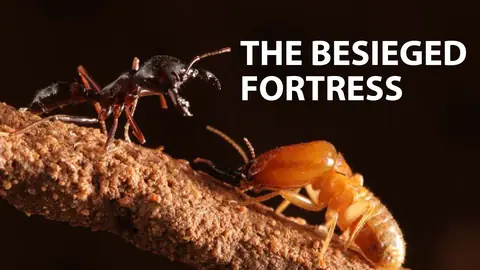 The Besieged Fortress1 episode · 60 min eachPrep 2
- What it is about
- This film tells the story of a war between ants and termites, two insect kingdoms that fought for 3 days and 3 nights and became a legend.
- Skills practiced
- Communication and teamwork
- Before you watch
- Some scenes show insects fighting and dying. If that feels upsetting, tell me. Notice how the film explains the way the insects communicate and work as a team.
- Ask after watching
- Insects communicate and work well without anyone giving orders. How is that like or unlike human organizations?
- Try it
- Pick a task in your community that people do together without a clear boss, such as a village work exchange. Notice how they agree, then compare it to the ants.
- Talk about it at home
- Have our grandparents seen people in our village work together without anyone giving orders? Ask them to tell us about it.
- Heads up
- Animals hunting each other, Death, Fighting
165 Chimps in Captivity1 episode · 60 min eachPrep 2
- What it is about
- A pet chimpanzee in a home in the United States escaped and hurt people. The film uses that event to ask how people and chimpanzees relate: some raise them like children, some keep them for medical experiments, and some work to set them free.
- Skills practiced
- Global citizenship
- Before you watch
- The film includes violent events. If that feels upsetting, tell me. Listen to how each group in the film talks about chimpanzees.
- Ask after watching
- If chimpanzees could speak, what would they say to the people who raised them, tested on them, and rescued them?
- Try it
- Make a clip of up to 3 minutes about a local animal that is kept or caged, told from three views: the keeper, the animal, and someone who cares about its welfare.
- Talk about it at home
- Does anyone in our family keep a wild animal in a cage? What do our grandparents think of it?
- Heads up
- Death, Fighting, Blood or dissection
166 Cougar Vs Wolf1 episode · 60 min eachPrep 3
- What it is about
- This series follows a biologist into the forests of North America to see the small wars between mountain lions and wolves.
- Skills practiced
- Critical thinking
- Before you watch
- Some scenes show animals hunting and fighting. If that feels upsetting, tell me. Notice how the film describes the two predators and what it uses to decide who wins.
- Ask after watching
- What could we forget about how a forest ecosystem works when we tell competition in nature as a war between two sides?
- Try it
- Write a short story two ways with the same facts, one told like a war and one told like living together. Compare how each feels.
- Talk about it at home
- Have the adults in our home seen wild animals and pets compete? Who did they think was at fault, and why?
- Heads up
- Animals hunting each other, Death, Fighting
167 CROC ATTACK1 episode · 60 min eachPrep 2
- What it is about
- This film follows saltwater crocodiles that moved into the river in Darwin, Australia, and attack their prey the moment someone goes swimming.
- Skills practiced
- Global citizenship
- Before you watch
- Some scenes show crocodiles hurting people and animals. If that feels upsetting, tell me. Notice how images and sound build fear, and what real information the film gives.
- Ask after watching
- Does telling scary stories about dangerous animals help or hurt how people and animals live together? How should we tell them?
- Try it
- Make a three-minute phone clip warning people about the water in your community. Give real information without creating extra panic.
- Talk about it at home
- Have the adults in our home ever met a dangerous animal near the house? How did they handle it, and how did they feel about the animal afterward?
- Heads up
- Animals hunting each other, Death, Fighting
168 Crocodiles in Dark Waters1 episode · 60 min eachPrep 2
- What it is about
- This film says 50,000 crocodiles were killed for their skins in the 1960s, upsetting the balance of nature. Biologists and divers take you underwater to see where crocodiles live.
- Skills practiced
- Global citizenship
- Before you watch
- Some scenes show crocodiles hunting prey and people hunting crocodiles. If that feels upsetting, tell me. Notice what information shows how hunting affected the ecosystem.
- Ask after watching
- If laws banned hunting only after the animals nearly vanished, was that too late? What can we learn so it does not happen again?
- Try it
- Choose a local animal or plant that is declining. Gather information going back 50 years from elders and documents, then write a five-point plan for your community to protect it.
- Talk about it at home
- What community rules did our grandparents see protect fish, water animals, or forests in the past?
- Heads up
- Animals hunting each other, Death
169 Extraordinary Animals2 episodes · 30 min eachPrep 2
- What it is about
- This series features animals with special abilities and amazing intelligence, such as an elephant that paints, a sea lion who understands sign language, search dogs, and other animals that leave people amazed.
- Skills practiced
- Media literacy, Critical thinking
- Before you watch
- Notice how the film reads animal behavior as intelligence, and whether there are other explanations. Some scenes show animals doing risky work. If that feels upsetting, tell me.
- Ask after watching
- How does making animals seem human to hold our interest affect the animals and our understanding of them?
- Try it
- Make a three-minute phone documentary about one local animal's ability. Be careful not to claim more than you actually see, and interview the owner.
- Talk about it at home
- Is there an animal the adults in our home loved very much? How did it seem to understand them?
- Heads up
- Death, Claims that are not proven, Fighting
170 Humpbacks - Cracking The Code1 episode · 60 min eachPrep 0
- What it is about
- Scientists are trying to decode the songlike calls of humpback whales. They know the song can travel to whales on the other side of the world, but they do not yet know what the whales are singing for.
- Skills practiced
- Critical thinking
- Before you watch
- Notice what this research admits it does not know yet.
- Ask after watching
- If a study says it does not have the answer yet, should we keep investing in it? Who should decide?
- Try it
- Make a three-minute phone clip about a sound that belongs to your community, like the market or the temple. Ask the people in it what the sound tells them.
- Talk about it at home
- What sound in our community do our grandparents know well that kids today have never heard? How do they remember it?
171 India's Deadliest Snakes1 episode · 60 min eachPrep 2
- What it is about
- India has some of the most snakes in the world, with more than 65 venomous kinds. More than 50,000 people die from snakebite each year. Teams of snake catchers travel across India collecting venom to make antivenom.
- Skills practiced
- Critical thinking
- Before you watch
- Write down the word the film uses for snake antivenom, and check with someone who knows whether it is the right word.
- Ask after watching
- If the film calls antivenom a vaccine, how could you check that the word is right, and who would you ask?
- Try it
- Ask a doctor or nurse in your community how antivenom differs from a vaccine. Make a clip of up to 3 minutes explaining it to a friend.
- Talk about it at home
- What venomous snakes live around our village? Where did our grandparents go for treatment after a bite when they were young?
- Heads up
- Animals hunting each other, Death, Blood or dissection
172 Jaglavak Prince of insects1 episode · 60 min eachPrep 1
- What it is about
- On the Mandara Mountains in northern Cameroon, the Mofu people have to bargain with insects to get a good harvest. Some insects are friends, and some are enemies to get rid of.
- Skills practiced
- Global citizenship
- Before you watch
- Notice how closely the Mofu way of life is tied to insects.
- Ask after watching
- When people depend on insects to live, should they change how they farm to follow modern science? Who should decide?
- Try it
- Make a three-minute phone clip about an animal or insect that affects people's work in your community. Interview someone who does that work.
- Talk about it at home
- What parts of nature did the work of people in our family rely on? How did our grandparents do it differently from today?
- Heads up
- Animals hunting each other
173 King Of The Seas - The Sea Eagle1 episode · 60 min eachPrep 2
- What it is about
- This film is about the sea eagle, a majestic hunter of the water. It hunts herring in the Scandinavian sea and waterbirds on freezing lakes.
- Skills practiced
- Global citizenship
- Before you watch
- Notice how the hunter's life is tied to fish and the seasons.
- Ask after watching
- If people catch so many fish that there are fewer, who has the right to speak for the eagle, and what should they say?
- Try it
- Make a three-minute phone clip about a fisher or water user in your community. Have them tell how the amount of water life has changed in their lifetime.
- Talk about it at home
- Does anyone in our community fish? Can our grandparents tell us whether there were more or fewer fish long ago, and how they know?
- Heads up
- Animals hunting each other, Death
174 Komodo - The Deadly Bite1 episode · 60 min eachPrep 2
- What it is about
- The Komodo dragon is the largest reptile in the world. People found it a hundred years ago, but its story goes back millions of years. Scientists are digging for the secrets of Komodo life.
- Skills practiced
- Critical thinking
- Before you watch
- Notice what each piece of evidence they dig up tells us about the past.
- Ask after watching
- When an animal we think we know well has a story millions of years old, should we change how we think about protecting it?
- Try it
- Make a three-minute phone clip about an old object or piece of evidence in your community, like a wrecked boat or an old tool. Ask elders what it can tell us.
- Talk about it at home
- What old object in our home tells a story about the past? How did our grandparents come to know it?
- Heads up
- Animals hunting each other, Death
175Lion Battle Zone1 episode · 60 min eachPrep 2
- What it is about
- A lion pride uses every technique and all its strength to bring down a wild buffalo for food in the dry season.
- Skills practiced
- Communication and teamwork
- Before you watch
- Notice how many steps the pride's plan has, and what risk each lion takes.
- Ask after watching
- If a group's success needs some members to risk more, how should the group reward them?
- Try it
- Make a three-minute phone clip about a job your community does together, like harvesting rice or a village work exchange. Have workers tell who does what.
- Talk about it at home
- What work in our village needed everyone to pitch in? Can our grandparents tell us how it was organized?
- Heads up
- Animals hunting each other, Death, Fighting
176 Lion Gangland1 episode · 60 min eachPrep 2
- What it is about
- This film follows a wildlife photographer in the Serengeti who faces danger, using courage and smarts to learn from lions and survive them.
- Skills practiced
- Critical thinking
- Before you watch
- Notice how long the photographer has spent watching to learn what they know.
- Ask after watching
- When people take risks to record the truth of nature, is there a line they should not cross? Where is it?
- Try it
- Make a three-minute phone clip about someone in your community who does risky work, like a forest gatherer or rubber tapper. Ask where they learned about safety. Go with an adult.
- Talk about it at home
- Is there anything dangerous in the work of people in our family? What ways to stay safe did our grandparents teach?
- Heads up
- Animals hunting each other, Death, Fighting
177 Living With Big Cats1 episode · 60 min eachPrep 2
- What it is about
- A husband and wife follow lions in Africa. They try to understand the complex relationship between lions and their prey, and the effects on the environment.
- Skills practiced
- Critical thinking
- Before you watch
- Notice what the two researchers see lions as in the natural system there.
- Ask after watching
- People who live near lions and people who live far away may want different things. Whom should we listen to first when deciding about wildlife?
- Try it
- Make a three-minute phone clip about an animal or forest that people in your community see differently. Interview two groups who disagree.
- Talk about it at home
- Has a wild animal ever caused trouble for people in our village? How did our grandparents say it was handled?
- Heads up
- Animals hunting each other, Death
178 Man V. Lion1 episode · 60 min eachPrep 2
- What it is about
- This film is about a risky mission by a big cat tracker who follows African lion hunts up close, including at night. It includes tests of running and jumping, and time inside a clear box among the lions.
- Skills practiced
- Critical thinking
- Before you watch
- Notice how the tracker collects data and how far each kind of data can be trusted.
- Ask after watching
- When someone risks their life to collect data, should we trust it more? Why or why not?
- Try it
- Make a three-minute phone clip about someone in your community who knows something from years of watching, like a person who reads the sky for rain. Ask how they know.
- Talk about it at home
- Does anyone in our family know the weather or animals from long experience? Who do our grandparents say they learned from?
- Heads up
- Animals hunting each other, Death, Fighting
179 Mega Hunters5 episodes · 60 min eachPrep 2
- What it is about
- This series is about great hunters: the hippo, pack-hunting lions, the claws of birds of prey, the grizzly bear with its keen nose, and the great white shark. One example is lions hunting as a pack, which takes coordination.
- Skills practiced
- Critical thinking, Communication and teamwork
- Before you watch
- Notice that the most powerful animals do not win every time. What makes them win or lose?
- Ask after watching
- If strength alone is not enough to win, what else makes people win or lose in society or at work?
- Try it
- Make a three-minute phone clip interviewing someone in your community who succeeded by working with others, not alone. Ask what helped them.
- Talk about it at home
- In our family's work, who do our grandparents see as a winner, and what do they think that person won with?
- Heads up
- Animals hunting each other, Death, Fighting
180 Mission Critical3 episodes · 60 min eachPrep 2
- What it is about
- Three photographers try to capture the lives of animals in conflict with people: leopards in Mumbai, orangutans in Borneo as the forest shrinks, and great white sharks seen as villains. They look for ways for people and animals to live together.
- Skills practiced
- Global citizenship, Media literacy
- Before you watch
- Notice how each photographer wants you to feel about the animal, and how they choose their pictures.
- Ask after watching
- A photo that tells a story always picks an angle. When we look at wildlife pictures, what should we ask before we believe them?
- Try it
- Make a three-minute phone clip about people and animals living together in your community. Film two different points of view, then ask viewers how each felt.
- Talk about it at home
- Are there stories in our family about animals that people see differently? In what tone do our grandparents tell them?
- Heads up
- Death, Animals hunting each other, Fighting
181 Monster Jellyfish1 episode · 60 min eachPrep 1
- What it is about
- Nomura's jellyfish can be over 2 meters long and weigh up to 200 kilograms, making it one of the largest jellyfish in the world. In an age of global warming, their numbers are growing and they invade beaches in big groups.
- Skills practiced
- Global citizenship
- Before you watch
- Notice what the film gives as data and what it offers as guesses.
- Ask after watching
- When a natural problem has many causes, should we act first or wait until we are sure? Who pays if we wait?
- Try it
- Make a three-minute phone clip about changes in your community's water or weather. Interview people from at least two generations.
- Talk about it at home
- What were the waters near our home like when our grandparents were young? How are they different now?
- Heads up
- Animals hunting each other, Death, Scary scenes
182 Night of the Lion1 episode · 60 min eachPrep 2
- What it is about
- An expedition team follows lions at night. In the dark, many animals hunt each other, but not every hunter gets to eat, because lions watch and move in to steal the kill.
- Skills practiced
- Critical thinking
- Before you watch
- Notice what equipment the researchers use to see what the eye cannot, and how what they see changes an old belief.
- Ask after watching
- When technology shows us behavior nobody has seen before, how quickly should we change what we used to believe?
- Try it
- Make a three-minute phone clip about evening life in your community, like a night market or fishers at work. Show what people in the daytime do not see.
- Talk about it at home
- Who works at night in our home or village? Can our grandparents tell us what nights were like in the old days?
- Heads up
- Animals hunting each other, Death, Fighting
183 Night Stalkers4 episodes · 60 min eachPrep 2
- What it is about
- Researchers use special cameras to spy on predators at night, such as crocodiles, hyenas, jaguars, and leopards. They see real behavior that differs from what people used to imagine.
- Skills practiced
- Critical thinking, Media literacy
- Before you watch
- Notice how the camera data differs from folk stories and from how movies show these animals.
- Ask after watching
- When real data contradicts the picture the media built, who should correct it, and how?
- Try it
- Make a three-minute phone clip comparing a story about a local animal with the facts. Have an elder tell the story, then bring real information to compare.
- Talk about it at home
- Did people in earlier generations of our family believe a story about an animal that we now know is not true? When did they change their minds?
- Heads up
- Animals hunting each other, Death
184 OL Pejeta Diaries15 episodes · 30 min eachPrep 2
- What it is about
- This film is a diary of life at Ol Pejeta Conservancy in Kenya, which helps rhinos and other nearly extinct wildlife and works with the people living around it. Stories include a blind black rhino and moving animals to safer places.
- Skills practiced
- Global citizenship, Critical thinking
- Before you watch
- Notice how many kinds of jobs animal conservation takes, and where the money comes from.
- Ask after watching
- Protecting nearly extinct animals costs a lot. Who should pay, and what is your reason?
- Try it
- Make a three-minute phone clip about someone in your community who cares for nature or animals. Ask who helps cover the costs and what they get in return.
- Talk about it at home
- Does anyone in our family work for the community without pay? Can our grandparents tell us who has done that for our village?
- Heads up
- Death, Animals hunting each other, Fighting
185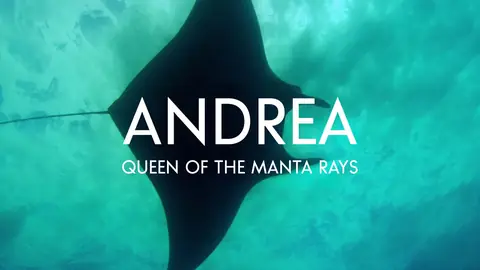 Andrea - Queen of The Manta Rays1 episode · 60 min eachPrep 1
- What it is about
- This film is about a giant manta ray with a wingspan of about 5 meters that few people know much about, and a woman biologist determined to understand it so she can protect the species.
- Skills practiced
- Global citizenship
- Before you watch
- Notice how one woman's determination changed what the world knows about this animal.
- Ask after watching
- When one person starts studying what no one else cares about, should we give her resources? Who should decide?
- Try it
- Make a three-minute phone clip interviewing someone in your community who has tracked something for a long time, like a person who records rainfall. Ask what they have seen that others have not.
- Talk about it at home
- Is there someone in our community who devotes themselves to studying or caring for something nobody notices? Do our grandparents know anyone like that?
- Heads up
- Death
186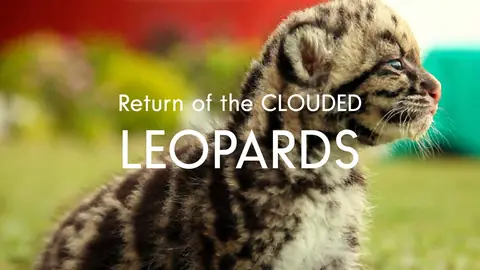 Return of the Clouded Leopards1 episode · 60 min eachPrep 1
- What it is about
- A clouded leopard cub is found in the north of a forest in India. The species is rare and hard to find, and the cub must learn to survive and find food on its own. If it makes it, the species may avoid extinction.
- Skills practiced
- Global citizenship
- Before you watch
- Notice how this project needs knowledge from many areas, such as animals, forests, and people.
- Ask after watching
- If a nearly extinct animal is released into the wild and does not survive, should we try again or change the method? Who decides?
- Try it
- Make a three-minute phone clip about a restoration project in your community, like planting trees or releasing fish. Ask the people doing it how it turned out.
- Talk about it at home
- Has our family or village ever done a restoration project? Can our grandparents tell us whether it worked?
- Heads up
- Animals hunting each other, Death
187 Shark Night1 episode · 60 min eachPrep 1
- What it is about
- A diver designs a language to communicate with sharks. He believes sharks have complex, delicate minds and are not killing machines, and he wants to prove it by sharing the water with predator sharks.
- Skills practiced
- Critical thinking
- Before you watch
- Notice what words the diver uses to describe sharks and how much evidence backs those words.
- Ask after watching
- When researchers are very sure of what they believe, should someone check their work? How?
- Try it
- Make a three-minute phone clip about a belief about animals that people in your community see two ways. Let a believer and a skeptic each give their reasons.
- Talk about it at home
- Do people in our village split into two sides over a belief about animals? Which side are our grandparents on, and why?
- Heads up
- Animals hunting each other, Death, Fighting
188 Shark Shoot - Fiji1 episode · 60 min eachPrep 1
- What it is about
- A team of photographers goes to remote and unfriendly places, including Fiji, to film frightening animals. They overcome obstacles such as volcanoes, swimming with sharks, and running with cheetahs.
- Skills practiced
- Creative thinking
- Before you watch
- Notice how filming takes creativity when the location is hard.
- Ask after watching
- If the most exciting shot means serious danger, where should we draw the line on how much risk is okay?
- Try it
- Make a three-minute phone clip that tells your community's story from an angle people rarely see, and explain why you chose it.
- Talk about it at home
- Is there a place in our community that people rarely visit but is interesting? How do our grandparents describe it?
- Heads up
- Animals hunting each other, Fighting, Scary scenes
189 I shouldn't be alive1 episode · 60 min eachPrep 2
- Good to know before watching
- This is a true story of sailors in danger at sea, with sharks. If your child feels frightened, pause and talk about it together.
- What it is about
- This is the true story of five crew members whose boat sank in the middle of the Atlantic Ocean. With no food or water, they faced sharks and had to find a way to survive.
- Skills practiced
- Critical thinking
- Before you watch
- Notice what thinking and knowledge helped the crew survive.
- Ask after watching
- When everyone is scared and tired, who should lead, and what makes people trust that person?
- Try it
- Make a three-minute phone clip interviewing someone who lived through a big event in your community, like a flood. Ask who helped everyone get through.
- Talk about it at home
- Did our family face a big event where everyone had to help each other? Who do our grandparents say was the backbone of the village?
- Heads up
- Animals hunting each other, Death, Fighting
190 Shark Survivors USA1 episode · 60 min eachPrep 2
- What it is about
- In 2014, beaches in the United States recorded more shark attacks than the rest of the world combined. The waters are home to several sharks, including bull sharks, tiger sharks, and great whites. Fishers call this coast a whirlpool of sharks.
- Skills practiced
- Critical thinking
- Before you watch
- Notice how the film uses words and pictures to make viewers afraid of sharks.
- Ask after watching
- If someone says the United States has the most shark attacks in the world, how would you check whether that is still true?
- Try it
- Look up the latest statistics from a trusted source. Make a clip of up to 3 minutes saying whether the 2014 numbers in the film still hold, and name your sources.
- Talk about it at home
- Is there an animal people in our community fear more than they should? Can our grandparents tell us how the stories differ from the facts?
- Heads up
- Animals hunting each other, Death, Fighting
191 Sixgill shark in to the abyss1 episode · 60 min eachPrep 1
- What it is about
- A diver goes looking for the sixgill shark in the Strait of Messina in Italy. The deep dives are very risky, and she does not find the shark she is after, but unexpectedly meets a big shark in shallow water. Meanwhile, a scientist studies the same kind of shark in Puget Sound near Seattle.
- Skills practiced
- Critical thinking
- Before you watch
- Notice how research that does not turn out as hoped can still add to what we know.
- Ask after watching
- Should a study that did not find what it looked for be shared just like one that did? Why?
- Try it
- Make a three-minute phone clip in which people in your community tell about something they set out to do that did not work out as hoped but taught them something else.
- Talk about it at home
- Has our family had a failure that turned into a lesson? Do our grandparents tell stories like that?
- Heads up
- Animals hunting each other, Scary scenes
192 Strandwolf1 episode · 60 min eachPrep 2
- What it is about
- This film looks for the brown hyena of Namibia, also called the strandwolf. A German scientist studies why a hyena left its usual hunting grounds, where it ate seal pups, and moved on, possibly into the desert.
- Skills practiced
- Critical thinking
- Before you watch
- Notice how long one researcher has given to this work, and how the data changed what we understand.
- Ask after watching
- When an animal changes how it feeds because its food changed, should we change how we protect it or keep the old way? Why?
- Try it
- Make a three-minute phone clip about someone in your community who changed how they earn a living because conditions changed, like rain out of season. Ask how they decided.
- Talk about it at home
- Did our family's work ever have to change, and why? Can our grandparents tell us about adjusting?
- Heads up
- Animals hunting each other, Death
193 The Burning Season1 episode · 90 min eachPrep 1
- What it is about
- Every year forests in Southeast Asia are burned. The film says Indonesia's forests are cut more than any other country's, with about 300 football fields of forest cleared every hour, and that Indonesia ranks third in the world for greenhouse gas emissions.
- Skills practiced
- Global citizenship
- Before you watch
- Write down which numbers the film uses and which years they refer to.
- Ask after watching
- Farmers, companies, and people hit by smoky haze each want something different from the forest. What does each want, and do the film's numbers still hold today?
- Try it
- Look up the latest on deforestation and haze. Make a clip of up to 3 minutes comparing it with the film's numbers, and interview people in your community about how it affects them.
- Talk about it at home
- Has our home or a nearby village had smoky haze or burning? Can our grandparents tell us what it used to be like?
- Heads up
- Disasters, Sensitive topics (war, religion, politics)
194 Toki Tales1 episode · 60 min eachPrep 1
- What it is about
- The ibis called the toki is a bird that Japanese people love. It nearly vanished from the wild. Scientists, officials, and people in Japan and China worked together to return the birds to nature, but forests have shrunk a lot.
- Skills practiced
- Global citizenship
- Before you watch
- Notice how many groups, how many countries, and how much patience this mission takes.
- Ask after watching
- Is bringing an animal back into shrinking forest worth the cost and time? Who should decide?
- Try it
- Make a three-minute phone clip about a nature restoration project in your community, like planting mangroves. Ask the people doing it who they had to work with.
- Talk about it at home
- Is there an animal or plant in our village that our grandparents wish would come back? How do they talk about it?
- Heads up
- Death
195 Unbelievable Beasts2 episodes · 60 min eachPrep 2
- What it is about
- This series is about animals that seem unbelievable. It features a strong underwater hunter, a giant worm, ancient animal remains, and a frightening spider, plus a mysterious ocean hunter, a toad that threatens native animals, and one of the fastest eaters.
- Skills practiced
- Critical thinking
- Before you watch
- Notice what words and tone the film uses to describe animals.
- Ask after watching
- When a documentary calls animals monsters to draw viewers, what are the good and bad effects on protecting them?
- Try it
- Make a three-minute phone clip about an animal in your community that people see as a villain. Tell it from a different angle, then ask viewers if their feelings changed.
- Talk about it at home
- Is there an animal that people in our village call a villain? How did our grandparents see it when they were kids?
- Heads up
- Animals hunting each other, Death, Scary scenes
196 Undersea Edens2 episodes · 30 min eachPrep 2
- What it is about
- The north coast of Papua New Guinea is a rarely seen island paradise with some of the most diverse coral and fish in the world. This series visits several places, such as rainforest to coral, coral kingdoms, and desert to coral.
- Skills practiced
- Critical thinking
- Before you watch
- Notice that an island few people see can still hold great variety, and what part the people there play.
- Ask after watching
- If a place that is still healthy starts getting more tourists, should we open it or close it to protect it? Who should decide?
- Try it
- Make a three-minute phone clip about a place in your community that is still unspoiled and the people who care for it. Ask whether they want visitors.
- Talk about it at home
- Is there a natural place our grandparents want to protect? What do they fear if many people come?
- Heads up
- Animals hunting each other, Death, Fighting
197 Untamed Valley2 episodes · 60 min eachPrep 2
- What it is about
- A lagoon of hippos sits in the middle of a valley in Zambia, where many animals live together and compete to survive. In the dry season the water dries up to a crisis, then the rain comes and everything turns green again. This series follows that cycle.
- Skills practiced
- Critical thinking
- Before you watch
- Notice what each animal and plant does to plan for surviving each season.
- Ask after watching
- When nature's cycles are harsh and getting harsher each year, how should we prepare, and who should prepare first?
- Try it
- Make a three-minute phone clip about how your community prepares for the dry or wet season. Have people from different generations tell their different ways.
- Talk about it at home
- Did our grandparents store water or food for the dry season? Does their way still work now?
- Heads up
- Animals hunting each other, Death, Fighting
198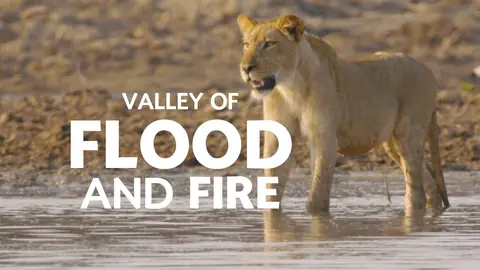 Valley of Flood and Fire1 episode · 60 min eachPrep 2
- What it is about
- The Luangwa Valley in Zambia turns from dry land to wet in the rainy season, when animals give birth. Then it enters a hard dry season until the rain returns.
- Skills practiced
- Critical thinking
- Before you watch
- Notice how life across the whole valley depends on a short period of rain.
- Ask after watching
- When many kinds of life depend on one uncertain thing, what backup plans should we have, and who is responsible?
- Try it
- Make a three-minute phone clip about the one thing your community's life depends on, such as rain or a river. Ask whether there is a backup plan.
- Talk about it at home
- What does our family's life depend on most? How did our grandparents get ready in case it did not come?
- Heads up
- Animals hunting each other, Death
199 Warlords of Ivory1 episode · 60 min eachPrep 2
- What it is about
- The ivory black market is a dangerous underground trade spreading across Africa. A crime reporter follows the ivory trail from battlefields in Africa to markets in Asia, making fake ivory to see whether it can slip through.
- Skills practiced
- Global citizenship
- Before you watch
- The film has crime and elephants being killed. If that feels upsetting, tell me. Note what evidence the reporter uses to follow the trade route.
- Ask after watching
- Hunters, middlemen, buyers, and elephant protectors each have their reasons. What are they, and how can we look at each without rushing to judge anyone?
- Try it
- Make a clip of up to 3 minutes tracing the path of one product sold in a nearby market, from source to buyer. See who gains and who loses.
- Talk about it at home
- Has our family or community seen illegal or rare things that people wanted? Can our grandparents tell us what that was like?
- Heads up
- Death, Fighting, Sensitive topics (war, religion, politics)
200 What Females Want and Males Will Do2 episodes · 60 min eachPrep 1
- What it is about
- Episode 1 follows a male with a golden mane, where the female makes every choice, including which male to pick. Episode 2 follows the Australian lyrebird, which can copy almost any sound and uses its voice to win a mate.
- Skills practiced
- Critical thinking, Communication and teamwork
- Before you watch
- Notice how the roles of female and male differ from what people often assume.
- Ask after watching
- When female animals are the deciders but the stories people tell stress the males, how does that shape our ideas about gender roles?
- Try it
- Make a three-minute phone clip about men's and women's roles in your community's work. Ask people of several generations how they have changed.
- Talk about it at home
- When our grandparents were young, who made the big decisions in our family, men or women? Has that changed?
- Heads up
- Sensitive topics (war, religion, politics)
201 White Lions Born Wild1 episode · 60 min eachPrep 2
- What it is about
- A white lion cub is a different color from the rest of the pride, which makes life in the wild hard. Luckily its mother protects and cares for it until it can protect itself.
- Skills practiced
- Emotional intelligence
- Before you watch
- Notice how a difference in color changes the lion's life within the natural system.
- Ask after watching
- What nature filters out and what we find cute are not always the same. Which should we choose to protect, and who gets to decide?
- Try it
- Make a three-minute phone clip about someone in your community who is different from others but does valuable things. Ask whether being different helped or got in their way.
- Talk about it at home
- Is there someone in our family who is different from others? How do our grandparents see people who are different in our village?
- Heads up
- Animals hunting each other, Death, Fighting
202Wildlife Icons3 episodes · 60 min eachPrep 2
- What it is about
- This series is about animals that symbolize the wild, such as the vulture, Africa's cleanup crew, frogs that live on every continent except Antarctica and a frog world that is changing fast, packs of hunters, and animals that live together.
- Skills practiced
- Global citizenship, Critical thinking
- Before you watch
- Notice what reasons are given for calling these animals icons.
- Ask after watching
- When we choose certain animals as symbols to protect, what happens to the animals that are not symbols? Do we have the right to choose?
- Try it
- Make a three-minute phone clip about an animal or tree that symbolizes your community. Ask people why it was chosen.
- Talk about it at home
- What animal or tree symbolizes our home or village? Can our grandparents tell us where that came from?
- Heads up
- Death, Animals hunting each other, Blood or dissection
203 Undiscovered Vistas6 episodes · 60 min eachPrep 1
- What it is about
- This series explores natural lands few people have seen, like Iceland, shaped by fire and carved by ice, Wales, Ireland, Vancouver Island, the Sierra, and Costa Rica. One example is Iceland, land of fire and ice.
- Skills practiced
- Critical thinking, Global citizenship
- Before you watch
- Notice how people living in a land of fire and ice adjust their lives.
- Ask after watching
- When people choose to live where nature is harsh, how should we support them, or should they move away? Who decides?
- Try it
- Go with an adult to make a three-minute phone clip interviewing someone who lives in a risky area of your community, like by the water. Ask how they prepare.
- Talk about it at home
- Is there a risky place near our home? Can our grandparents tell us why they chose to live here?
- Heads up
- Disasters
204 Arlberg - The Hidden Paradise1 episode · 60 min eachPrep 1
- What it is about
- This film takes you to the Arlberg mountains in Austria to see how people and wildlife live in winter.
- Skills practiced
- Global citizenship
- Before you watch
- Notice how mountain people treat winter as both an obstacle and an opportunity.
- Ask after watching
- As the weather warms and snow falls less, how should communities that live off snow adapt, and who should help?
- Try it
- Make a three-minute phone clip about a job in your community that depends on the seasons. Ask the people who do it how it has changed.
- Talk about it at home
- Does our family's work depend on the seasons? How do our grandparents say it was different from now?
- Heads up
- Animals hunting each other
205 Congo on the Lava Trail1 episode · 60 min eachPrep 2
- What it is about
- Scientists head to Nyiragongo, a volcano in Congo with one of the largest lava lakes on Earth, to work out when it will erupt again. An eruption with no warning could affect one million people.
- Skills practiced
- Critical thinking
- Before you watch
- Notice how the scientists talk about what they still cannot predict.
- Ask after watching
- When science cannot predict a disaster with certainty, who should decide whether to move one million people, and what should guide that choice?
- Try it
- Make a three-minute phone video about how our community prepares for natural disasters. Interview someone who looks after this work and two villagers.
- Talk about it at home
- Does our family have ways of preparing for danger that our grandparents taught us, like reading signs in nature? Who did they learn them from?
- Heads up
- Disasters
206 Deadly Waters1 episode · 60 min eachPrep 2
- What it is about
- An explorer visits dangerous places around the world, from a freezing lake near the North Pole to the desert. He reads the warning signs first, then heads out to the middle of the sea, possibly the most dangerous place of all.
- Skills practiced
- Critical thinking
- Before you watch
- Notice how the explorer weighs the risks and when he decides it is time to turn back.
- Ask after watching
- In the most dangerous places, who gets to decide whether to go in, and who pays the price if it goes wrong?
- Try it
- Make a three-minute phone video about risky work in our community, such as fishing crews heading out to sea. Ask what they check before deciding to set out.
- Talk about it at home
- Does anyone in our family work in a risky place? What warnings did our grandparents give to people who do that kind of work?
- Heads up
- Animals hunting each other, Death, Scary scenes
207 Disaster Earth2 episodes · 60 min eachPrep 2
- What it is about
- A look at disasters on Earth. One part explains that earthquakes happen when two plates of the crust move and collide, and scientists work on ways to warn people ahead of time. Another shows that tsunamis can come from earthquakes and volcanic eruptions.
- Skills practiced
- Critical thinking
- Before you watch
- Notice how far disaster prediction can go today, and what it still cannot do.
- Ask after watching
- If we cannot predict a disaster for sure, who should pay for preparing, and how much is worth spending?
- Try it
- Make a three-minute phone video interviewing someone in our community who lived through a natural disaster. Ask what helped them and what was missing.
- Talk about it at home
- What disasters has our home or village faced? Can our grandparents tell us how the community helped each other recover?
- Heads up
- Death, Disasters
208 Disaster on K21 episode · 60 min eachPrep 3
- What it is about
- K2 is a mountain even more dangerous than Everest. In 2008, a group of climbers reached the summit, but not all of them made it back down alive.
- Skills practiced
- Critical thinking
- Before you watch
- This is a true story in which people died. If it feels heavy, take a break. Notice how each person decides what to do at each moment.
- Ask after watching
- When many people had to decide fast, what led some to head down and others to keep climbing?
- Try it
- Write about a time you had to decide quickly and weren't sure. List three options you had, what each would lead to, and what you would do if it happened again.
- Talk about it at home
- Has anyone in our family had to make a hard decision with little time? Can our grandparents tell a story like that?
- Heads up
- Death, Disasters
209 Expeditions to the Edge13 episodes · 60 min eachPrep 2
- What it is about
- A series of true stories about expeditions that ran into the unexpected. One follows a team of four walking through jungle with no map. It takes longer than planned, the food runs out, and they must find a way to survive. Another follows a volcanologist collecting data at an active volcano.
- Skills practiced
- Critical thinking, Communication and teamwork
- Before you watch
- Notice how planning differs from deciding on the move, and how each team member sees the risk.
- Ask after watching
- When team members see the risk differently, who should make the final call, and what should guide that choice?
- Try it
- Make a three-minute phone video interviewing someone in our community who has led a team through hard work, such as a volunteer work day or a rescue. Ask how they decided when the team disagreed.
- Talk about it at home
- Who in our village do people trust to make hard decisions? Can our grandparents tell us why they trust that person?
- Heads up
- Death, Disasters, Fighting
210 Extreme Ice1 episode · 60 min eachPrep 1
- What it is about
- In the coldest ice lands on Earth, something unexpected is happening. Icebergs and ice sheets are splitting apart faster than anyone thought. Scientists try to predict what comes next, and a photographer takes risks to capture it.
- Skills practiced
- Global citizenship
- Before you watch
- Notice what makes the photographer's images so powerful, and what the images can prove.
- Ask after watching
- If you want to know whether an image or clip you see online still matches reality today, what would you check?
- Try it
- Look up the latest information on ice. Make a clip of up to 3 minutes comparing it with what this film says, and name your sources.
- Talk about it at home
- Do we have old photos of a place in our village? Can our grandparents tell us how it looks different now?
- Heads up
- Disasters
211 Hotspots: The Last Hope5 episodes · 60 min eachPrep 1
- What it is about
- A series that explores places rich in life where species are at risk, such as rainforest in Australia, Borneo with its many kinds of monkeys, Madagascar, and the Mediterranean, all in the effort to keep endangered animals alive.
- Skills practiced
- Global citizenship
- Before you watch
- Notice that each place protects its animals in a different way, and what actually works.
- Ask after watching
- If money is limited and you must save one place first, what should guide your choice, and who should have a say?
- Try it
- Make a three-minute phone video about an important natural area in our community. Ask several groups, such as villagers, officials, and students, what matters most to them.
- Talk about it at home
- What has happened to the natural places our grandparents used? What would they want to keep for the future?
- Heads up
- Death, Animals hunting each other
212 INSIDE HURRICANE KATRINA1 episode · 60 min eachPrep 3
- What it is about
- Hurricane Katrina caused enormous damage in the United States. Nearly two thousand people died, and the damage ran past 100 billion dollars. Bridges, roads, homes, and businesses were destroyed, and tens of thousands of people lost their homes.
- Skills practiced
- Critical thinking
- Before you watch
- This true story includes many deaths and lost homes. If you feel sad or worried, take a break. Notice what happened before, during, and after the storm.
- Ask after watching
- When disaster hits, who gets help quickly and who waits? What do you see in the film that explains why?
- Try it
- Make a three-minute phone video about how our community prepares for disasters. Interview someone who lived through one and someone who helped, and ask who got help and who did not.
- Talk about it at home
- When our grandparents were young and a big disaster struck, who helped whom? How have our home or village helped each other through hard times?
- Heads up
- Death, Disasters, Sensitive topics (war, religion, politics)
213 Keepers of the Cape1 episode · 30 min eachPrep 1
- What it is about
- This series explores the wildlife and ecosystems of the Western Cape in Africa, and the conservation work of local scientists and conservationists. The featured story follows the relocation of black rhinos in Karoo National Park.
- Skills practiced
- Critical thinking
- Before you watch
- Some scenes show animals hunting. If that feels upsetting, tell me. Notice what the people moving the black rhino have to do and how they work together.
- Ask after watching
- How do you think the moved rhino feels, and what can people do to lower its stress, without judging the people who do this work?
- Try it
- Film a clip of up to 3 minutes interviewing someone in our community who looks after animals or forest. Ask what they do and how the animals likely feel about the work.
- Talk about it at home
- Does anyone in our village look after the forest or animals? Can our grandparents tell us how people used to care for nature together?
- Heads up
- Death
214Keepers of the Cape6 episodes · 30 min eachPrep 1
- What it is about
- A follow-up to the series on the guardians of the Cape, about problems and how people solve them, such as responsible fishing, a coastal park on the west coast, Cape Agulhas, Cederberg, and the Cape's native plants. The featured story is responsible fishing.
- Skills practiced
- Global citizenship, Critical thinking
- Before you watch
- Notice what facts or numbers are used to decide whether fishing is still responsible.
- Ask after watching
- When fishers' income and the amount of fish in the sea pull in different directions, how do we know it is time to set limits, and who should decide?
- Try it
- Make a three-minute phone video about gathering things from nature in our community. Interview someone who gathers and someone who worries it will run out.
- Talk about it at home
- What natural things used to be plentiful at our home but are getting scarce? What do our grandparents say caused it?
- Heads up
- Death
215 Lakes on the Roof of the World1 episode · 60 min eachPrep 0
- What it is about
- Qinghai Lake in China, one of the highest lakes in the world, is a striking, peaceful destination and a symbol of a long-lived culture. The film tells the story of people living around the lake in a remote place.
- Skills practiced
- Global citizenship
- Before you watch
- Notice whose eyes the film uses to show the local people, and who does not get to speak.
- Ask after watching
- When outsiders tell another culture's story, the picture can come out incomplete. How could local people tell their own story?
- Try it
- Make a three-minute phone video where people in our community tell their own cultural story. You listen, and you do not edit in a way that changes their meaning.
- Talk about it at home
- If our grandparents could tell the whole world about our village, what would they want to say?
216Lakes on the Roof of the World4 episodes · 60 min eachPrep 0
- What it is about
- A series on high lakes in Central Asia, including a lake in Kazakhstan called the pearl of the country, and Lake Issyk-Kul in Kyrgyzstan, with a thousand years of civilization. It also visits Tajikistan.
- Skills practiced
- Global citizenship
- Before you watch
- Notice what changes each lake faces and how the communities around it respond.
- Ask after watching
- When an important water source spans several countries, should upstream and downstream countries have different rights? What would a fair rule look like?
- Try it
- Make a three-minute phone video about an important water source in our community. Interview someone upstream and someone downstream and ask what they need from each other.
- Talk about it at home
- Where does our home's water come from? What do our grandparents say about who looked after it, and is it still the same?
217 Naica Secrets of the Crystal Caves1 episode · 60 min eachPrep 0
- What it is about
- Scientists and explorers go to the Naica mine in Mexico to solve the mystery of the crystal caves and search for new ones. They find a wonder called the Ice Palace.
- Skills practiced
- Critical thinking
- Before you watch
- Notice how the extreme heat changes the exploration and what the explorers have to trade off.
- Ask after watching
- When a beautiful discovery costs a lot in risk and money, and the cave could be destroyed if too many people visit, how should we decide?
- Try it
- Make a three-minute phone video about a beautiful but fragile place in our community. Interview someone who protects it and someone who wants it open to visitors.
- Talk about it at home
- Is there a place our grandparents want to keep undisturbed? How do they talk about it?
218 Peace Parks6 episodes · 60 min each
- What it is about
- A series on peace parks, which stretch across the borders of African countries. Examples are Drakensberg between Lesotho and South Africa, and Kgalagadi between Botswana and South Africa, with red sand dunes over 100 kilometers long. A news photographer travels to learn about the ecosystems and wildlife.
- Skills practiced
- Global citizenship, Critical thinking
- Before you watch
- Notice what the name peace park says about the goals of two countries, beyond caring for animals.
- Ask after watching
- If caring for nature together helps countries that once clashed build trust, should we use nature as a bridge between people? Why?
- Try it
- Make a three-minute phone video about something our community shares with the one next door, like a river or forest. Ask people on both sides how they work together.
- Talk about it at home
- Have our village and the neighboring one ever worked on something that brought us closer? Can our grandparents tell a story like that?
- Heads up
- Animals hunting each other
219 Red Alert in the Deep Blue1 episode · 60 min eachPrep 1
- What it is about
- This film shows sea animals facing danger, from other animals and from people. One example is lionfish that have filled the Caribbean Sea, and the plan to reduce their numbers.
- Skills practiced
- Global citizenship
- Before you watch
- Jot down what you already know about non-native animals, then see whether the film adds to it or challenges it.
- Ask after watching
- What are the pros and cons of the plan to reduce an animal's numbers, and what more evidence would you want before believing it works?
- Try it
- Find an example of a non-native animal or plant in our province and ask people involved. Make a short phone video of about 3 minutes on what happened in our community.
- Talk about it at home
- Has our home or village had a non-native animal or plant? Do the grown-ups remember when it first showed up, and who gained or lost?
- Heads up
- Animals hunting each other
220 The Road to Collapse1 episode · 60 min eachPrep 1
- What it is about
- Scientists examine the ruins of great ancient cities to find out why once-mighty civilizations fell, piecing the story together bit by bit from what remains.
- Skills practiced
- Critical thinking
- Before you watch
- Jot down what you usually think causes a city to collapse, then compare it with what the film says. This film touches on death.
- Ask after watching
- Did one cause bring these civilizations down, or several together? Which evidence convinces you most?
- Try it
- Pick a local community or trade that once thrived and then faded. Interview someone who knows, then make a 3-minute video on what happened and what evidence there is.
- Talk about it at home
- Did our family ever have a business or trade that thrived and then ended? Why do the grown-ups think it did, and what can we learn from it?
- Heads up
- Death, Disasters
221Undiscovered Vistas3 episodes · 60 min each
- What it is about
- A look at nature in Mexico and Costa Rica, from rainforest with rivers hidden underground to forest areas that shelter many kinds of animals and trees.
- Skills practiced
- Critical thinking
- Before you watch
- Notice what the film says with pictures and what it says with narration. Do the two always match?
- Ask after watching
- If you had to tell a friend how fragile this forest is, what evidence would you take from the film, and what would you look up?
- Try it
- Make a three-minute phone video tracing our community's water from its source to the tap at home. Interview at least one person who looks after the community's water.
- Talk about it at home
- Has our home or village ever had a year with a water shortage? What did the grown-ups do together?
- Heads up
- Animals hunting each other
222 Penguin Island1 episode · 60 min eachPrep 2
- What it is about
- A series about Phillip Island, a penguin conservation area in southern Australia, where researchers protect penguins from many dangers. Some parts look at predators, one at a heat wave that small penguins must face, and one at a pair of penguins.
- Skills practiced
- Global citizenship
- Before you watch
- Ask yourself whether helping wildlife speeds up or changes nature. This film has predator scenes and animals that do not survive.
- Ask after watching
- What does the film say about how people and weather affect penguins? What evidence do you see, and what information is missing?
- Try it
- Make a 3-minute video about an animal or natural area our community looks after. Interview someone who does the work and ask how they decide when they have to choose.
- Talk about it at home
- Have our grandparents seen the weather or seasons change in ways that affected animals or plants in our village? How did they change?
- Heads up
- Animals hunting each other, Death
223 Pet Heroes10 episodes · 30 min eachPrep 2
- What it is about
- A series of stories about the courage of dogs of many breeds, told through interviews with owners and families. Some dogs rescue people, warn of illness, or work to help others.
- Skills practiced
- Emotional intelligence, Communication and teamwork
- Before you watch
- Ask yourself whether you see animals as friends, tools, or something else. This film includes illness and death.
- Ask after watching
- How does the bond between people and dogs in the film shape what people decide, and what evidence do you see?
- Try it
- Make a 3-minute video interviewing someone in our community who works with animals, like a cattle keeper or dog caretaker. Ask how the animals help their work.
- Talk about it at home
- How do our grandparents see pets? Is it different from how people see them now?
- Heads up
- Death, Disasters, Fighting
224 Pet Island1 episode · 30 min eachPrep 2
- What it is about
- A look at life with pets in Ireland, from dog and cat shows to pet hotels to owners who love their animals like children. Some parts talk about communicating with animals.
- Skills practiced
- Media literacy
- Before you watch
- Notice when the film says people can communicate with animals, and jot down what proof they offer. Some parts are sad, with hurt animals or newborns that do not survive.
- Ask after watching
- How can we know whether people really communicate with animals? If it were true, what kind of evidence would we expect, and does the film have it yet?
- Try it
- Pick an animal near you, such as a dog, cat, or chicken, and watch it for ten minutes, noting what it does. Guess what it wants, then check your guess. This trains you to separate seeing from guessing.
- Talk about it at home
- Has our home ever had an animal that seemed to understand us? When our grandparents were young, how did they tell what an animal was feeling?
- Heads up
- Claims that are not proven
225 Wild Menu8 episodes · 30 min eachPrep 2
- What it is about
- A series that sees the world as one big restaurant, where every animal must eat to live and everything also gets eaten. Each part covers a kind of food, such as insects, fruit, carrion, seafood, or food for young animals.
- Skills practiced
- Critical thinking
- Before you watch
- Ask yourself how our eating compares with animals'. This film has scenes of animals hunting and feeding on carcasses.
- Ask after watching
- Which story about animal food makes you think about human food, and what evidence from the film backs it up?
- Try it
- Make a 3-minute video about one local dish, from where the ingredients come from to who makes it and who eats it. Interview one cook.
- Talk about it at home
- When our grandparents were young, where did their food come from? How has that changed?
- Heads up
- Animals hunting each other, Death, Blood or dissection
226 City Zoo4 episodes · 30 min eachPrep 2
- What it is about
- A series about a zoo in the middle of Pretoria, South Africa, home to more than 3,000 animals from around the world. Each part follows a team caring for one group, such as big cats, rhinos, birds, primates, reptiles, and antelope.
- Skills practiced
- Critical thinking, Communication and teamwork
- Before you watch
- Jot down three things you know about conservation, then see whether the film adds to them or challenges them. Some scenes show sick or hunted animals.
- Ask after watching
- The film says zoos help wildlife. What evidence supports that, and what do you not yet see proven?
- Try it
- Make a 3-minute video about a place in our province that cares for animals or nature. Interview a staff member and ask what the hardest part is.
- Talk about it at home
- Have our grandparents seen wild animals disappear from our area? What do they think caused it?
- Heads up
- Death, Blood or dissection, Fighting
227 Inside3 episodes · 60 min eachPrep 3
- What it is about
- A series that goes behind the scenes of big events to show how many people it takes to pull them off. Examples are Chinese New Year in Hong Kong, an air show, Miami airport, Carnival in Rio, the Tutankhamun exhibition, wildfire fighting, and a kidney transplant.
- Skills practiced
- Communication and teamwork, Creative thinking
- Before you watch
- Notice who is in front and who is behind the scenes, and who we usually give the credit. The wildfire and surgery parts can be scary.
- Ask after watching
- Which people behind the scenes make big events succeed, people we rarely see? How would you tell their stories?
- Try it
- Make a 3-minute video about people behind the scenes of a big event in our community, such as those cooking for a temple festival or caring for a sports field. Interview one.
- Talk about it at home
- Did our grandparents ever work behind the scenes at an event? How did they feel about what they did?
- Heads up
- Death, Blood or dissection, Disasters
228 The Castle Builders2 episodes · 60 min eachPrep 1
- What it is about
- A look at how castles were built and why they were built that way, how they changed over hundreds of years, and why they still capture the imagination. One part covers castles that withstood attack, another covers castles as symbols of power.
- Skills practiced
- Critical thinking
- Before you watch
- Ask yourself what a building can tell you about the people who built it. This film touches on war.
- Ask after watching
- How did castles change over time in the film? How can we read power from a building, and what evidence confirms it?
- Try it
- Make a 3-minute video about an old place in our community that shows the power or beliefs of people long ago. Interview one adult who knows its story.
- Talk about it at home
- Can our grandparents tell us how an important place in our village came to be, and who built it?
- Heads up
- Fighting
229 Ancient Megastructures3 episodes · 60 min eachPrep 2
- What it is about
- A series on huge ancient structures: Chartres Cathedral, the Colosseum, and the Pyramids of Giza. They have stood for hundreds or thousands of years and still hold secrets to uncover.
- Skills practiced
- Critical thinking
- Before you watch
- Ask yourself who a grand structure served and who did the labor. This film includes talk of fighting and death.
- Ask after watching
- The film celebrates these structures, but who built them and what did they get in return? What evidence do you see, and what is left untold?
- Try it
- Make a 3-minute video about an old structure in our community, covering the people who built it and those who maintain it. Interview one adult.
- Talk about it at home
- Did our grandparents ever help build or repair something for everyone? How did they feel then?
- Heads up
- Death, Fighting, Sensitive topics (war, religion, politics)
230Ancient Megastructures2 episodes · 60 min eachPrep 1
- What it is about
- A look at Machu Picchu in the Andes of Peru, built with thousands of precisely placed stones and standing for nearly 600 years, and Petra in the Arabian desert, a masterpiece of engineering.
- Skills practiced
- Critical thinking
- Before you watch
- Ask yourself what a city abandoned long ago can tell you about what its people knew.
- Ask after watching
- Where did people's engineering knowledge come from back then, and what evidence does the film give? With more information, what would you most want to know?
- Try it
- Make a 3-minute video on our community's wisdom in managing water or building. Interview someone who still uses the old methods.
- Talk about it at home
- What knowledge did our grandparents use to build a house or farm rice that they did not learn in school? Who taught them?
- Heads up
- Fighting
231 ANCIENT CHINA2 episodes · 60 min each
- What it is about
- A look at the creativity of ancient China. One part covers junk ships, whose plain-looking sails hide clever engineering, and the rudder. Another covers weapons and technology that began in China, such as gunpowder, found by accident.
- Skills practiced
- Creative thinking, Critical thinking
- Before you watch
- Ask yourself how technology changes the world and who is responsible for the results. The part on weapons includes fighting.
- Ask after watching
- What evidence does the film give for these Chinese inventions, and which claims could you still check?
- Try it
- Make a 3-minute video about one local invention or skill, like basket weaving or a way to keep out the sun. Interview someone who does it.
- Talk about it at home
- Do our grandparents have a tool or method they invented themselves? How did they come up with it and make it?
- Heads up
- Death, Fighting, Sensitive topics (war, religion, politics)
232 Behind the Photo - War Zones1 episode · 60 min eachPrep 2
- What it is about
- A photographer travels to Afghanistan, a country at war for decades, in search of pictures of hope, and meets people who do not yet know what the future holds.
- Skills practiced
- Global citizenship
- Before you watch
- This film is about war. Notice what the photographer chooses to photograph and what is left out.
- Ask after watching
- Can one photo tell a whole country's story? If Afghans took the pictures themselves, where would they differ from an outsider's?
- Try it
- Take five still photos of our community, each from a different point of view. Show them to people who live there and ask whether the photos tell the true story of the place.
- Talk about it at home
- What do people in our community want outsiders to see about us, and what do they not want seen?
- Heads up
- Death, Fighting, Disasters
233 Between Worlds2 episodes · 60 min eachPrep 2
- What it is about
- A film following Indigenous peoples around the world as they work to protect their land, homes, and cultures while the outside world changes their lives.
- Skills practiced
- Global citizenship
- Before you watch
- Notice whose point of view the film favors most, and whether you hear from the state or companies.
- Ask after watching
- If Indigenous people, the state, and those who want to use the land all spoke in this film, what would each argue? What do you still need to know?
- Try it
- Make a three-minute phone video about what our community wants to preserve. Interview one elder and one young person and ask how each sees it differently.
- Talk about it at home
- Has our home or village ever disagreed over land or forest? How did people talk it through?
- Heads up
- Sensitive topics (war, religion, politics)
234 China's First Emperor1 episode · 90 min eachPrep 2
- What it is about
- The story of the king of Qin, who fought wars among seven states and united China for the first time, then declared himself its first emperor, Qin Shi Huang.
- Skills practiced
- Critical thinking
- Before you watch
- Ask yourself who usually tells the stories of past leaders, and why. This film includes war and violence.
- Ask after watching
- From whose view is the emperor's story mainly told, and where are the ordinary people who were drafted for labor or ruled? What evidence do you have to judge?
- Try it
- Make a 3-minute video about a local leader, told from the view of at least two groups who saw that leader differently.
- Talk about it at home
- How did our grandparents describe the leaders of their time, and how did ordinary people feel about them?
- Heads up
- Death, Fighting, Sensitive topics (war, religion, politics)
235 Fight Masters - Silat1 episode · 60 min eachPrep 2
- What it is about
- A film about pencak silat, Malaysia's martial art, which grew out of centuries when the land was targeted by great powers. Malaysian warriors used close-range fighting techniques to fight back against invaders.
- Skills practiced
- Global citizenship
- Before you watch
- Ask yourself what a nation's martial art says about its history. This film has intense fight scenes.
- Ask after watching
- The film says this art grew out of resisting invaders. What evidence do you see, and how can stories like this help or distort a nation's memory?
- Try it
- Make a 3-minute video interviewing someone who carries on a local martial art or folk sport. Ask who they learned from and who continues it now.
- Talk about it at home
- What folk games or sports did our grandparents play as kids that are rare now? How did they play?
- Heads up
- Death, Fighting
236 Finding the Origin of Life1 episode · 60 min eachPrep 1
- What it is about
- Scientists from Denmark to Hawaii race to understand how life began by trying to create life themselves. Each hopes to be the first to find the origin of life.
- Skills practiced
- Critical thinking
- Before you watch
- Ask yourself how a scientific answer differs from a story of belief, and how you can listen to both.
- Ask after watching
- The film shows competing theories. How strong is each side's evidence, and what does nobody know yet?
- Try it
- Make a 3-minute video of a conversation with two adults, one sharing a belief about the origin of the world, the other a scientific view. Have each speak with respect for the other.
- Talk about it at home
- What do our grandparents believe about how the world or life began? How do they feel when they hear a different story?
- Heads up
- Sensitive topics (war, religion, politics), Claims that are not proven
237 Gautrain Africa’s Golden Train1 episode · 60 min eachPrep 0
- What it is about
- The story of Gautrain, Africa's first high-speed train, linking Johannesburg and Pretoria in South Africa. The new growth it brings draws many people in.
- Skills practiced
- Critical thinking
- Before you watch
- Ask yourself how big government projects change cities and lives, and whose voices are heard least.
- Ask after watching
- The film tells the train's story as a success. How could we check that it truly helps every group, and what more evidence would you want?
- Try it
- Make a 3-minute video about a road or public project in our community. Interview one person who benefits and one who loses out.
- Talk about it at home
- What changes did our grandparents see when a road or train reached our home? What are they glad about, and what do they miss?
238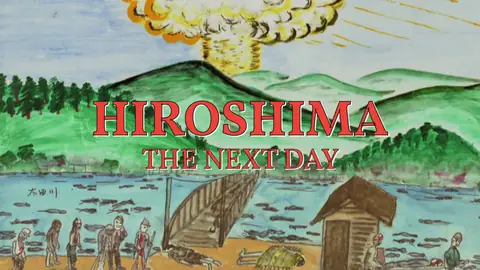 Hiroshima The Next Day1 episode · 60 min eachPrep 3
- What it is about
- A film about the day after the atomic bombing of Hiroshima, told through survivors and people who study the bomb's effects.
- Skills practiced
- Media literacy
- Before you watch
- This film is about war and many deaths, and it can feel heavy. If you want a break, tell me. Listen for what the survivors talk about first.
- Ask after watching
- If a survivor, a scientist, and a decision maker each told this story, what would each stress? How can you tell the numbers and dates you hear are right?
- Try it
- Find the actual date of the bombing in at least two sources, like a textbook or library, and compare them. Then write half a page on how to check numbers and dates.
- Talk about it at home
- Has a grandparent told us stories from the war? When they were young, how did people nearby talk about it?
- Heads up
- Death, Fighting, Disasters
239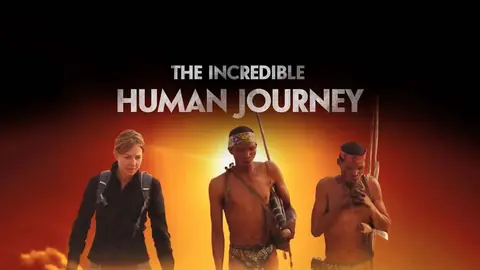 The Incredible Human Journey5 episodes · 60 min eachPrep 1
- What it is about
- An anthropologist travels the world to trace humanity's journey out of Africa to Asia, Europe, Australia, and the Americas, and to see how those journeys changed people.
- Skills practiced
- Critical thinking
- Before you watch
- Ask yourself how the story of human migration shapes the way you see differences between people.
- Ask after watching
- The film uses both genes and ancient remains. What can each kind of evidence tell us, and what can it not?
- Try it
- Make a 3-minute video about how people have moved in and out of our community. Interview adults from two generations and compare whether their stories match.
- Talk about it at home
- Have our grandparents seen people from elsewhere move to our village? How did villagers feel at first, and how do they feel now?
- Heads up
- Sensitive topics (war, religion, politics)
240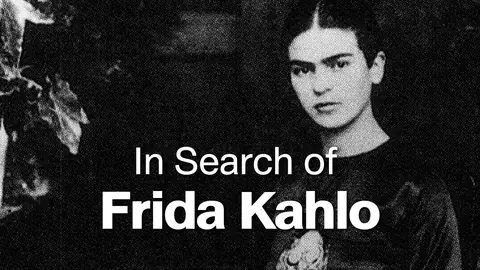 In Search of Frida Kahlo1 episode · 60 min eachPrep 1
- What it is about
- The story of Frida Kahlo, a famous Mexican woman artist of the early and middle 20th century, who painted the pain and suffering of her life with honesty. Her work and life have inspired many people.
- Skills practiced
- Emotional intelligence
- Before you watch
- Ask yourself why stories of artists' lives often focus on suffering. This film touches on illness and sadness.
- Ask after watching
- What evidence builds the image of her in the film, and what could have been left out or included?
- Try it
- Make a 3-minute video introducing an artist or craftsperson in our community. Let them say how each piece reflects their feelings or life.
- Talk about it at home
- Have our grandparents put hardship into a song, poem, or handcraft?
- Heads up
- Death, Disasters, Sensitive topics (war, religion, politics)
241 Laverstoke Mill2 episodes · 60 min eachPrep 2
- What it is about
- A film following an abandoned old factory as it becomes a modern distillery and visitor attraction, a project costing tens of millions of pounds.
- Skills practiced
- Creative thinking
- Before you watch
- This film is about a distillery, which some welcome and others worry about. Focus on the design and building, and jot down the decisions the project has to make.
- Ask after watching
- How would an investor, a builder, a neighbor, and someone who does not drink each see this project differently? If you were the owner, whom would you hear first?
- Try it
- Make a three-minute phone video about an old building in our community that could be reused. Interview two neighbors about what they would like it to become.
- Talk about it at home
- Is there an old building or piece of land at our home that we would like to see used again? What was it like when our grandparents were kids?
- Heads up
- Sensitive topics (war, religion, politics)
242Laverstoke Mill1 episode · 60 min eachPrep 2
- What it is about
- A film following an abandoned old factory as it becomes a modern distillery and visitor attraction, a project costing tens of millions of pounds.
- Skills practiced
- Creative thinking
- Before you watch
- This film covers a distillery. Focus on teamwork and problem solving, and jot down when the plan did not go as expected.
- Ask after watching
- When the plan broke down, how did the team in the film decide? How would villagers or people who oppose the liquor business see the project differently from the team?
- Try it
- Make a three-minute phone video about a big job in our community, like building a pavilion or fixing a road. Ask one person who did it what went wrong and how it got fixed.
- Talk about it at home
- Has our home or village ever had a big job we all had to pitch in on? What was it like when our grandparents were kids?
- Heads up
- Sensitive topics (war, religion, politics)
243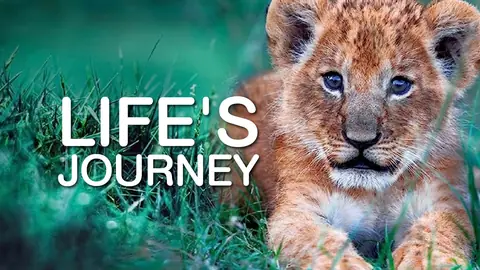 Life's Journey2 episodes · 60 min eachPrep 2
- What it is about
- A film about wildlife from birth to growing up to reproduction. One part follows newborns that must watch for danger and grow up fast. One follows animals that survive to adulthood but still face challenges. One covers finding a mate and passing on the species.
- Skills practiced
- Critical thinking
- Before you watch
- Ask yourself how surviving differs from passing on your kind. This film has scenes of animals hunting each other and animals that do not survive.
- Ask after watching
- The film sees animal life as a competition to survive and reproduce. What other views could explain animal behavior, and what evidence would you need?
- Try it
- Make a 3-minute video about the life cycle of one animal or plant in our community. Interview someone who knows it well about what they notice at each time of year.
- Talk about it at home
- What do our grandparents notice in animals or plants that signals the season or time to plant rice, like birds arriving or trees blooming?
- Heads up
- Animals hunting each other, Death
244 Mummifying Alan - Egypt's Last Secret1 episode · 60 min eachPrep 3
- What it is about
- A 61-year-old English taxi driver donated his body to a research team to be mummified with ancient Egyptian methods, so they could learn how people did it long ago.
- Skills practiced
- Critical thinking
- Before you watch
- This film shows a dead person's body and the mummification process. If that feels upsetting, take a break or skip parts. Notice what led Alan to donate his body.
- Ask after watching
- How does Alan's decision to donate his body for research make you feel, and what reasons do you have to agree or disagree?
- Try it
- Ask an adult at home how our family cares for the body of someone who has passed and what ceremonies we hold. Compare with the ancient Egyptian way, as a respectful conversation.
- Talk about it at home
- When someone in our family passes, what ceremony do our grandparents say we hold, and what do they want us to do when that day comes?
- Heads up
- Death, Blood or dissection
245 MYSTERIES OF CHINA2 episodes · 60 min eachPrep 1
- What it is about
- A look at ancient tombs in China. One part tells of the jade-suit tomb found by construction workers in 1983. Another covers the Three Kingdoms era, when tens of millions died in wars over power.
- Skills practiced
- Critical thinking, Media literacy
- Before you watch
- Ask yourself how a death toll in the tens of millions makes you feel and how you could check whether it is true. This film covers war and death.
- Ask after watching
- The film uses numbers and stories from the Three Kingdoms era. What evidence does it give, and how do you judge reliability when legend and fiction mix?
- Try it
- Make a 3-minute video separating fact from legend in our community's history. Interview an elder and find evidence to back it up.
- Talk about it at home
- What local history do our grandparents believe is true? How do they know, and what are they unsure about?
- Heads up
- Death, Fighting, Sensitive topics (war, religion, politics)
246 Nazi Megastructures6 episodes · 60 min eachPrep 2
- What it is about
- A series on the huge structures and weapons Hitler ordered built during World War II, whose remains can still be seen, such as the Wolf's Lair, secret headquarters, and defensive lines.
- Skills practiced
- Critical thinking
- Before you watch
- This film is about war and loss. Notice whose story it tells and whose voices you do not hear.
- Ask after watching
- Keep ruins like these or tear them down? How would survivors, historians, and local people argue differently, and what do we still need to know to decide?
- Try it
- Choose an old site tied to a major event in our province or country. Make a three-minute phone video on how three groups see it differently, using real information and an interview with one adult.
- Talk about it at home
- Is there anything near our home that recalls the past? What did our grandparents tell us when they were young?
- Heads up
- Death, Fighting, Sensitive topics (war, religion, politics)
247 Riding Britain’s Railways2 episodes · 60 min each
- What it is about
- A film about British railways. One part follows the building of the Great Western line between Bristol and London, from Brunel's vision of faster travel. Another shows the courage and cleverness of the wartime railway system.
- Skills practiced
- Creative thinking, Communication and teamwork
- Before you watch
- Ask yourself how a big project that changes travel affects the people who live there.
- Ask after watching
- The film tells the railway's success story. Who gained, who lost, and where is the story of the people who built it?
- Try it
- Make a 3-minute video about an important route or transport link in our community. Interview someone who uses it and someone who helped build or maintain it.
- Talk about it at home
- Can our grandparents tell us how they traveled to market or school long ago, and what changed when a new road came?
- Heads up
- Death, Fighting, Disasters
248 Rome - What Lies Beneath1 episode · 90 min eachPrep 0
- What it is about
- A film about the Roman Empire, with its Colosseum, gladiators, and ancient cities frozen in time. What secret made Rome great? One archaeologist's work could point to the answer.
- Skills practiced
- Critical thinking
- Before you watch
- Ask yourself who mainly tells the story of an empire.
- Ask after watching
- The film tells Rome's greatness through an archaeologist's work. What can the evidence tell us and not tell us, and where are the stories of the people who were ruled?
- Try it
- Make a 3-minute video on an important building or place in our community, telling the views of its builders, its users, and those who care for it today.
- Talk about it at home
- What do our grandparents think made our village prosper in the past, and who is rarely mentioned?
249 SCULPTURE DIARIES3 episodes · 60 min eachPrep 2
- What it is about
- A film about sculpture tied to humanity's key rituals: the beauty of the body, gods, a leader's power, and art on the land itself, called land art, like stones arranged in a spiral in the middle of a lake.
- Skills practiced
- Creative thinking, Media literacy
- Before you watch
- Ask yourself who owns art in public spaces and who gets to decide whether it should exist.
- Ask after watching
- How does the film change the way you see art in different places? What evidence says the work has meaning, and where do you see it differently?
- Try it
- Make a 3-minute video introducing a piece of art or craft in our community. Interview the maker or caretaker about what inspired it.
- Talk about it at home
- Can our grandparents tell us who the important craftspeople or artists in our village were, and what their work was like?
- Heads up
- Sensitive topics (war, religion, politics), Claims that are not proven
250 Secrets of The Exhibit5 episodes · 30 min eachPrep 1
- What it is about
- A series behind the scenes at museums, on where the objects come from and what stories hide in them, such as stolen art, a legendary fighter plane, a Cold War underground shelter, dinosaurs, tent paintings, and ceramics.
- Skills practiced
- Critical thinking, Communication and teamwork
- Before you watch
- Ask yourself who a museum should belong to and whose stories it should tell.
- Ask after watching
- The film covers stolen objects, preserving them, and displaying them. What evidence do you see, and what questions are left unanswered?
- Try it
- Make a 3-minute video about one important object in our community, covering where it came from, who owns it, and who should look after it. Interview one adult.
- Talk about it at home
- Where do our grandparents think the village's shared old things should be kept, and who should look after them?
- Heads up
- Fighting, Sensitive topics (war, religion, politics), Blood or dissection
251 The Duke of Kent Crash1 episode · 60 min eachPrep 2
- What it is about
- A film about a plane that crashed in 1942, killing the Duke of Kent. Some say it was an accident, and others say it was murder.
- Skills practiced
- Media literacy
- Before you watch
- Notice what reasons are given for the claim that someone planned the killing, and whether there is real evidence or just the question of who benefited.
- Ask after watching
- How can we know whether this conspiracy story is true? What kind of evidence would change your mind either way?
- Try it
- Pick one mystery from the news. Find evidence for and against from at least one official source and one other source, then present it to a friend and let them decide.
- Talk about it at home
- Is there a rumor at our home that people once believed and later learned was false? Did our grandparents run into something like that?
- Heads up
- Death, Sensitive topics (war, religion, politics), Claims that are not proven
252 THE INDUSTRIAL REVOLUTION1 episode · 60 min eachPrep 0
- What it is about
- The story of 18th-century England, where new ideas and inventions changed how energy was used and built a more urban, industrial country.
- Skills practiced
- Critical thinking
- Before you watch
- Ask yourself how the Industrial Revolution shapes your daily life today.
- Ask after watching
- The film says a huge change took place. What evidence is there, and how would you compare it with the change in our time from digital technology?
- Try it
- Make a 3-minute video about a job in our community that changed because of machines or technology. Interview one adult who saw the change.
- Talk about it at home
- What do our grandparents think of machines and technology replacing human labor? What do they miss, and what are they glad about?
253 Armenia The Land of Noah1 episode · 60 min eachPrep 2
- What it is about
- A film about Armenia, which many people describe as the land of Noah's Ark.
- Before you watch
- Jot down which stories in the film come from scripture or belief and which come from exploration and visible evidence.
- Ask after watching
- If people of different religions and beliefs watched this, how would each find meaning in it? How would you look for evidence when a story sits between belief and history?
- Try it
- Make a three-minute phone video on an old story from our community, like a flood or mountain legend. Interview two elders on how each tells it.
- Talk about it at home
- Does our home have an old tale our grandparents believe? Why do they believe it?
- Heads up
- Sensitive topics (war, religion, politics)
254 The Lost Pyramid1 episode · 90 min eachPrep 0
- What it is about
- The three pyramids at Giza have stood for more than 4,500 years. Only five miles away, archaeologists begin investigating the secrets of another site.
- Skills practiced
- Critical thinking
- Before you watch
- Ask yourself who an archaeological discovery should belong to and how it should be shared with the world.
- Ask after watching
- The film tells the story with excitement. What questions do you have about its methods and conclusions, and how strong is the evidence you see?
- Try it
- Make a 3-minute video investigating the history of one place in our community. Interview an elder and check at least two pieces of evidence.
- Talk about it at home
- Can our grandparents tell us how a mysterious or sacred place in our village came to be?
255 The Story Of Luxury2 episodes · 60 min each
- What it is about
- A film about human luxury, from meat as a sign of wealth in ancient Greece to the Middle Ages, when luxury was seen as sinful.
- Skills practiced
- Critical thinking
- Before you watch
- Ask yourself what luxury does to a society besides bringing happiness to the rich.
- Ask after watching
- Across the eras in the film, what repeating patterns do you see, and what evidence backs them? How did each era judge luxury morally?
- Try it
- Make a 3-minute video interviewing two people from different generations about luxury: what counts as luxury and what is more than anyone needs.
- Talk about it at home
- What do our grandparents think about living sufficiently versus luxury, and have they ever chosen not to buy something?
- Heads up
- Sensitive topics (war, religion, politics)
256 Timewatch8 episodes · 60 min eachPrep 2
- What it is about
- Archaeologists and historians solve puzzles from the past, from a gladiator cemetery and a headless Roman skeleton to Queen Elizabeth's warship, Hadrian's Wall, Stonehenge, knights, Viking ships, and shipwrecked pirates.
- Skills practiced
- Critical thinking, Communication and teamwork
- Before you watch
- Notice which kind of evidence you trust most, and why. Some scenes show fighting and death. If that feels upsetting, tell me.
- Ask after watching
- This film combines many kinds of evidence to build a picture of the past. How confident are its conclusions, and what is still a best guess?
- Try it
- Make a 3-minute video tracing the history of one place or object in your community. Use at least three kinds of evidence, and say how sure you are of your conclusion.
- Talk about it at home
- Can our grandparents tell which parts of our village's history they know for sure, and which parts they are not certain about?
- Heads up
- Fighting, Death, Blood or dissection
257 Under Cover In North Korea1 episode · 60 min eachPrep 3
- What it is about
- A documentary about secretly filming inside North Korea, one of the most closed countries in the world, during the time when Kim Jong Il was its leader.
- Skills practiced
- Global citizenship
- Before you watch
- This film shows the time of an earlier leader. Jot down what may have changed since then. If any part feels heavy, tell me.
- Ask after watching
- If someone inside North Korea, someone who left, and a foreign reporter told this story, where would they differ, and how would we know what is still true?
- Try it
- Find current news about North Korea from two sources. Make a table comparing what the film says with the newer reports, and note who each source is.
- Talk about it at home
- Has anyone in our family traveled abroad or had a friend from another country? Where did our grandparents hear about other countries when they were young?
- Heads up
- Death, Fighting, Disasters
258 Versailles1 episode · 60 min eachPrep 2
- What it is about
- A documentary about Louis XIV, the powerful French king who wanted the Palace of Versailles to be the most beautiful palace in the world.
- Skills practiced
- Critical thinking
- Before you watch
- Notice whose eyes tell most of this story. Can you hear the voices of any ordinary people?
- Ask after watching
- How would different groups see the palace's grandeur and the lives around it, and how far can we trust accounts written by people close to the king?
- Try it
- Pick an important place linked to a past leader of Thailand. Find out who built it and who paid for it, using documents or local people as two sources. Present it as a 3-minute video or a poster.
- Talk about it at home
- Is there an old building in our area linked to a leader or local ruler? What have our grandparents heard about the people who ordered it built and the people who built it?
- Heads up
- Death, Fighting, Sensitive topics (war, religion, politics)
259Versailles1 episode · 60 min eachPrep 3
- What it is about
- A documentary about Louis XV, who used the Palace of Versailles as a place of pleasure, until decay inside the palace nearly brought down the French monarchy.
- Skills practiced
- Critical thinking
- Before you watch
- This film shows improper behavior and cruelty inside the palace. Focus on power and money. If any part feels uncomfortable, tell me.
- Ask after watching
- If nobles, servants, and villagers outside the palace told this same story, what would each care about most, and whose voice is still missing?
- Try it
- Find out which groups of people paid the taxes that funded the palace, using a textbook or the library. Then draw a diagram showing where the money went.
- Talk about it at home
- Does our family have old stories about powerful people treating others unfairly? How did people in our grandparents' village handle it when they were young?
- Heads up
- Death, Fighting, Sensitive topics (war, religion, politics)
260Versailles1 episode · 60 min eachPrep 2
- What it is about
- A documentary about the years when Versailles was at its most luxurious, while millions of ordinary people were taxed into ruin and a new king faced the problems that led to revolution.
- Skills practiced
- Global citizenship
- Before you watch
- Jot down which groups the narrator talks about, and which groups barely get a voice.
- Ask after watching
- Millions of people were angry about taxes and inequality. What reasons would the king, the nobles, and the villagers each give, and can we decide who was right?
- Try it
- Hold a class debate with three sides: the king, the nobles, and the villagers. Have each side find reasons in the film and in your textbook, then look for a deal all three sides could accept.
- Talk about it at home
- Has our family or village ever had a tax or expense that made people unhappy? What was it like when our grandparents were young?
- Heads up
- Death, Fighting, Sensitive topics (war, religion, politics)
261 WW2 Air Crash Detectives - Sikorski's Last Flight1 episode · 60 min eachPrep 2
- What it is about
- A military plane took off from Gibraltar and crashed into the sea just 16 seconds later, with Poland's prime minister on board. Investigators have to work out what happened.
- Skills practiced
- Media literacy
- Before you watch
- This film is about war and conspiracy theories around a leader's death. Jot down what evidence supports each theory.
- Ask after watching
- In wartime, many sides had reasons to want this leader gone. How do we know what is true, and what kind of evidence could settle it?
- Try it
- Choose one news story about an investigation. Make a diagram of which claims have strong evidence and which are only guesses, then ask a friend to find the weak spots in your diagram.
- Talk about it at home
- Is there a rumor about a big event that people in our area believe? Do our grandparents believe it, and why?
- Heads up
- Death, Fighting, Disasters
262 I Didn't Know That6 episodes · 30 min eachPrep 1
- What it is about
- Two presenters explore the hidden lives of everyday things and how each one works, including riot gear, crash test dummies, helmets, a tunnel under a channel, hovercraft, and milk trucks.
- Skills practiced
- Critical thinking, Creative thinking
- Before you watch
- Notice whose ideas and decisions are behind the things you use every day.
- Ask after watching
- This film shows the engineering of ordinary things. How have these products changed over time, what is the evidence, and what unintended results have they had?
- Try it
- Make a 3-minute video about a tool or invention in your community, such as a fishing tool. Tell where it came from and how it was improved, and interview one person who uses it.
- Talk about it at home
- Have our grandparents ever improved a tool or a way of doing something themselves? What did they think, and what did they learn?
- Heads up
- Fighting, Disasters, Claims that are not proven
263 Angry Planet8 episodes · 30 min eachPrep 1
- What it is about
- A documentary that follows how global warming and climate change affect people, from rising seas in Tuvalu and a volcano on the island of Fogo to cyclones in Bangladesh, forest destruction in Laos, and melting ice.
- Skills practiced
- Global citizenship, Critical thinking
- Before you watch
- Ask yourself who is hit hardest by climate change and who contributes to it most. Some scenes show disasters and damage. If that feels heavy, tell me.
- Ask after watching
- This film shows effects from many countries. What evidence does it give us, and which cases still need checking to see if climate is really the cause?
- Try it
- Make a 3-minute video about how changing weather or water affects your community. Interview one farmer or fisher, and check official data to go with it.
- Talk about it at home
- How have our grandparents seen the seasons change, and how has that affected their livelihoods and our village's?
- Heads up
- Disasters, Death, Claims that are not proven
264 Eco Engineering2 episodes · 60 min eachPrep 0
- What it is about
- A documentary about using engineering to help the planet. One story visits one of the greenest skyscrapers in the world, in the middle of New York City. Another follows experiments in clean energy from the ocean.
- Skills practiced
- Creative thinking
- Before you watch
- Ask yourself whether green innovation really helps the planet or is just marketing.
- Ask after watching
- This film presents environmental projects. What evidence could show that they truly work, and what hidden costs do they carry?
- Try it
- Make a 3-minute video about an energy or environment project in your community. Interview someone who runs it and someone who lives nearby, then check whether what they tell you matches.
- Talk about it at home
- What does our village have that our grandparents think protects nature without needing any technology?
265Cosmic Vistas15 episodes · 30 min each
- What it is about
- A documentary that shows images of the universe through the Hubble Space Telescope and other observatories, including Saturn, Mars, the northern lights, water in the solar system, and gravity.
- Skills practiced
- Critical thinking, Creative thinking
- Before you watch
- Ask yourself whether the money spent on exploring space should go to something else.
- Ask after watching
- This film shows what space exploration has found. How can we decide whether the investment is worth it, and what evidence do we see?
- Try it
- Make a 3-minute video interviewing people in your community about how the sky affects their lives, such as farmers or fishers who watch the stars and weather.
- Talk about it at home
- How do our grandparents see the sky and the stars, and what have they ever used the sky to help them decide?
- Heads up
- Blood or dissection, Claims that are not proven
266A New Age of Exploration1 episode · 60 min eachPrep 0
- What it is about
- National Geographic leads a new age of exploration, always pushing the limits of discovery. This film follows National Geographic explorers who use new technology to find new things.
- Skills practiced
- Creative thinking
- Before you watch
- Ask yourself who exploration should be for, and who has a right to what is discovered.
- Ask after watching
- This film shares the explorers' excitement. Whose voices, such as local people's, are left out, and how could we check the way it is presented?
- Try it
- Make a 3-minute video exploring a place in your community that people overlook, with a local person telling the story and leading the way.
- Talk about it at home
- Are our grandparents the explorers of our village? What places do they know that younger people do not?
267 Aftermath4 episodes · 60 min eachPrep 1
- What it is about
- A documentary that asks what would follow if something huge happened to the world, such as the world's population doubling in an instant, the sun becoming a red giant, the Earth stopping its spin, or a world without oil.
- Skills practiced
- Critical thinking
- Before you watch
- Ask yourself how far scientists' predictions can be trusted. This film is imagined, and some scenes are frightening. If that feels upsetting, tell me.
- Ask after watching
- This film mixes science with imagination. Which parts have evidence behind them, which parts are guesses, and how can we tell the difference?
- Try it
- Make a 3-minute video about something your community depends on heavily, such as water or energy. Interview an adult about what would happen without it, then compare their answer with what the film predicts.
- Talk about it at home
- What do our grandparents think our village cannot do without, and how would we cope if it were gone?
- Heads up
- Death, Scary scenes, Disasters
268Dirty Bomb Attack1 episode · 60 min eachPrep 3
- What it is about
- A simulated scenario: if a car bomb exploded on a crowded street and spread radioactive material, how would the city and its people be affected? It has never happened in real life.
- Skills practiced
- Critical thinking
- Before you watch
- This film is an imagined story about terrorism and can be frightening. If it feels upsetting, tell me. Jot down who has to make decisions during the event.
- Ask after watching
- In a situation like this, how do people at the scene, the officials who help, and the people who plan ahead each see safety differently?
- Try it
- Ask an official or volunteer in your community, such as someone at the municipality or a rescue team, what the plan is for a major emergency. Write a half-page summary of who the plan relies on.
- Talk about it at home
- Has our family faced an emergency where everyone had to help? How did the community help one another when our grandparents were young?
- Heads up
- Death, Fighting, Scary scenes
269 Do You See What I See1 episode · 60 min eachPrep 0
- What it is about
- Do you and I see the same thing? This film takes on an old question: is the color you see the same as the color someone else sees? The answer depends on several things.
- Skills practiced
- Critical thinking
- Before you watch
- Ask yourself whether your experience is private to you or the same as everyone else's.
- Ask after watching
- The film suggests we can never truly know how someone else feels. Is the evidence enough for that conclusion, and what other angles are there?
- Try it
- Make a 3-minute video about how people perceive things differently, such as color or taste. Interview three people of different ages who describe the same thing in different ways.
- Talk about it at home
- Have our grandparents ever felt that younger people see the same thing differently from them? How do they see colors or tastes differently from us?
270 Earth Without the Moon1 episode · 60 min eachPrep 2
- What it is about
- An imagined story about what would happen with no moon: Earth would tumble over and disaster would spread everywhere. Extreme temperatures would turn water to vapor, polar ice would melt, and sea levels would rise many meters.
- Skills practiced
- Critical thinking
- Before you watch
- Ask yourself whether an imagined story like this is knowledge or entertainment. This film is imagined, and some images are frightening.
- Ask after watching
- This film shows disasters from an impossible idea. Which parts rest on real data, which are stretched for excitement, and how could we check?
- Try it
- Make a 3-minute video checking one claim from the film, such as the moon's effect on tides. Use reliable sources and interview someone who knows the topic.
- Talk about it at home
- Do our grandparents believe the moon affects life, such as moods or crops? What have they seen?
- Heads up
- Death, Scary scenes, Claims that are not proven
271 Evolve11 episodes · 60 min eachPrep 1
- What it is about
- A documentary on how animals evolved in different ways, such as communication, eyes, flight, jaws, shape, size, skin, speed, and venom, and how nature slowly changed animals so they could survive.
- Skills practiced
- Critical thinking, Communication and teamwork
- Before you watch
- Jot down what you already know about evolution, then see how the film adds to it or corrects it. Parts about venom and speed show hunting.
- Ask after watching
- The film uses many animals to explain evolution. Which example has the strongest evidence, and which explanation could be too simple?
- Try it
- Make a 3-minute video about a local plant or animal variety that people have bred over many generations. Interview a grower or breeder and ask how it has changed.
- Talk about it at home
- How do our grandparents choose seeds or animals to keep raising, and how has that changed over their lives?
- Heads up
- Animals hunting each other, Death, Sensitive topics (war, religion, politics)
272 How Stuff Works4 episodes · 60 min eachPrep 1
- What it is about
- A documentary that uncovers the story behind familiar things, including cereal, chocolate, Christmas, games, banknotes, and summer, and how each one came to be and how it works.
- Skills practiced
- Critical thinking
- Before you watch
- Ask yourself how what we buy and eat every day connects to people and places we never see.
- Ask after watching
- The film tells where everyday things come from. What evidence does it give, and where are the stories of the people who make or deliver them?
- Try it
- Make a 3-minute video about one local product, from raw material to the buyer's hands. Interview one producer.
- Talk about it at home
- Did our grandparents once grow or make their own food? Now that we mostly buy it, what do they think?
- Heads up
- Sensitive topics (war, religion, politics), Fighting, Claims that are not proven
273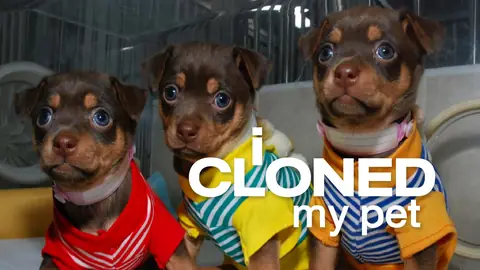 I Cloned My Pet2 episodes · 60 min eachPrep 1
- What it is about
- A documentary that follows a married couple who lost their beloved dog and used science and technology to clone it and bring it back to life.
- Skills practiced
- Emotional intelligence
- Before you watch
- Ask yourself how we cope with loss and where technology fits in. This film includes the sadness of losing a pet. If that feels heavy, tell me.
- Ask after watching
- The story is told from the owners' side. Where are the voices and interests of the company and the animals, and how will you judge the film's conclusion?
- Try it
- Make a 3-minute video interviewing one adult who has lost a pet or someone close. Ask what helped them get through it, and respect their feelings.
- Talk about it at home
- How do our grandparents mourn or remember loved ones who have passed? What would they like to teach us about it?
- Heads up
- Death
274 Infested! Living with Parasites1 episode · 60 min eachPrep 2
- What it is about
- A documentary that introduces parasites, such as worms, lice, the malaria parasite, and leeches, and looks at both their good and bad sides. The presenter even volunteers to host a tapeworm for study.
- Skills practiced
- Critical thinking
- Before you watch
- Jot down who the film's parasite facts come from, and which points need a doctor or expert to confirm. Some scenes may be uncomfortable. Take a break whenever you want.
- Ask after watching
- How do we know health information like this is reliable, and who should we check with before doing anything to our own bodies?
- Try it
- Talk with a doctor or nurse in your community. Ask which parasites are common in your area and how to prevent them, then compare with the film. Do not try anything from the film on yourself.
- Talk about it at home
- Has our family or village had diseases that come from insects or animals? How did people look after each other when our grandparents were young?
- Heads up
- Death, Blood or dissection
275 Inside 21st Century Warship1 episode · 60 min eachPrep 2
- What it is about
- A documentary looking inside a new class of US Navy warship with an angular shape and an aluminum build that cuts weight, so it can work in shallow water. The film's information comes from when the ship was new and may be out of date.
- Skills practiced
- Creative thinking
- Before you watch
- This film is about weapons and warships. Jot down what promises it makes about this new kind of ship.
- Ask after watching
- What problem was this warship built to solve, and how well have the film's promises come true years later? How do we know?
- Try it
- Find recent news or reports on this warship from two sources. Make a table comparing what the film says, what the information says now, and what has changed.
- Talk about it at home
- Has anyone in our family served in the navy or worked on boats? What kind of boats did people around here use when our grandparents were young?
- Heads up
- Fighting, Sensitive topics (war, religion, politics)
276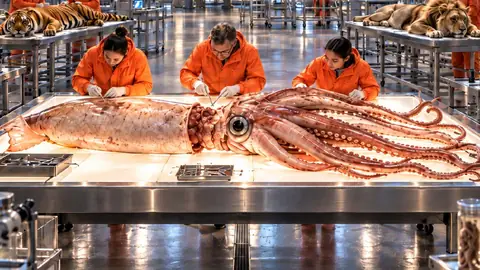 INSIDE NATURE’S GIANTS2 episodes · 60 min eachPrep 2
- What it is about
- A documentary where teams of scientists study the bodies of large animals, such as a giant squid and a polar bear, to find out how these animals survive and live.
- Skills practiced
- Critical thinking
- Before you watch
- A heads-up: this film shows animal dissections. If that feels upsetting, take a break. Ask yourself what ethical questions come with studying animals that have died.
- Ask after watching
- The film tells scientific discoveries made by dissection. What evidence makes us believe its conclusions, and what questions of right and wrong should we ask?
- Try it
- Make a 3-minute video interviewing someone who cares for or studies animals in your community, such as an animal husbandry worker or a forest officer. Ask what they learn from animals and what is hardest.
- Talk about it at home
- Do our grandparents have ways of honoring animals that die to become food, such as making merit or saying thanks?
- Heads up
- Death, Blood or dissection, Animals hunting each other
277 NAKED SCIENCE2 episodes · 60 min eachPrep 1
- What it is about
- A documentary that uses science to unlock big stories. One part looks at how ancient people survived in Alaska's extreme weather. Another looks at Mount Vesuvius, only 10 kilometers from Naples.
- Skills practiced
- Critical thinking
- Before you watch
- Ask yourself why people choose to live near risky places. The volcano part includes disaster and death.
- Ask after watching
- The film says a million people live under a volcano. What evidence helps us judge the risk, and why do people choose to stay?
- Try it
- Go with an adult to make a 3-minute video about a risky area in your province. Interview people who live there and an official who looks after safety.
- Talk about it at home
- Why did our grandparents choose where our village is, and what risks did they know about and accept?
- Heads up
- Death, Scary scenes, Disasters
278 Order and Disorder2 episodes · 60 min eachPrep 0
- What it is about
- A documentary asking how much energy humans need to reshape the world. One part is about energy, and another is about information and the laws that drive the universe.
- Skills practiced
- Critical thinking
- Before you watch
- Ask yourself what laws lie behind big things like energy and information.
- Ask after watching
- The film explains complex ideas. How can we check that we understood them correctly, and which ideas are still confusing?
- Try it
- Make a 3-minute video explaining a principle of energy or information to an adult at home, using everyday examples. Then ask if they understood.
- Talk about it at home
- How do our grandparents think energy from human labor is different from energy from machines, and what have they seen change?
279 Quirky Science13 episodes · 30 min eachPrep 1
- What it is about
- A documentary about where everyday inventions came from, including canned food, computers, refrigeration, flight, gunpowder, the internet, fire, paper, plastic, rubber, and the telephone.
- Skills practiced
- Creative thinking, Critical thinking
- Before you watch
- Ask yourself who gets the credit and who gets the benefit from an invention. The gunpowder part includes fighting.
- Ask after watching
- The film tells the story of inventions through a few inventors. Who goes unmentioned, and what evidence would show us a bigger picture?
- Try it
- Make a 3-minute video about one local invention or tool, from the person who thought of it to the one who made it and the one who uses it. Interview at least one craftsperson or owner.
- Talk about it at home
- Did our grandparents ever invent a tool or method that others then took up? What are they proud of about it?
- Heads up
- Fighting, Sensitive topics (war, religion, politics), Claims that are not proven
280 Secret Universe - Journey Inside The Cell1 episode · 60 min eachPrep 1
- What it is about
- A documentary that takes you into the tiny world of cells in the human body, once invisible to the eye, and tells the story of the cells' fight to survive.
- Skills practiced
- Critical thinking
- Before you watch
- Jot down each point where the film talks about medicine or health, so you can check it with an expert later.
- Ask after watching
- Were the cell images made from real experiments or built to be easy to see, and how do we know? Which health points should we check with a doctor?
- Try it
- Pick one health topic from the film. Ask a nurse or doctor in your community whether it matches what the film says, then make a video or a one-page summary for a friend to read.
- Talk about it at home
- Has our family ever had a health belief that turned out to be wrong? What did our grandparents believe about disease when they were young?
- Heads up
- Fighting, Claims that are not proven
281 Secrets of the universe - Undiscovered Worlds2 episodes · 60 min eachPrep 2
- What it is about
- A documentary series about giant volcanoes that caused living things to go extinct, water that connects the world, and the search for new worlds beyond the solar system.
- Skills practiced
- Critical thinking
- Before you watch
- Jot down what the film presents as fact and what is only scientists' guesses. The volcano part may feel heavy. If it does, tell me.
- Ask after watching
- Which claims in this film do you still doubt, and what kind of evidence would make you believe them?
- Try it
- Write three short sentences about a star, planet, or natural disaster that interests you. Ask a friend to check which sentences have evidence and which are opinion.
- Talk about it at home
- What did people believe about the sky, the earth, and natural disasters when our grandparents were young? Do we still believe those things in our home?
- Heads up
- Death, Disasters
282 Serial Testers15 episodes · 60 min eachPrep 1
- What it is about
- A show where a group of experimenters try odd experiments, three in each episode, such as diving under ice, building a tower from 300 pieces of scrap wood, or finding the fastest way to cool food.
- Skills practiced
- Critical thinking, Creative thinking
- Before you watch
- Pick one experiment and write down what you would need to control for the result to be believable. Then see if they did it.
- Ask after watching
- Are the results enough to draw a conclusion? How many times would a test need to run before you feel confident?
- Try it
- Pick a belief in your community, such as something said to cool things down or ease pain. Design a simple experiment to test it, and film a short video on your phone sharing the result. Test it on objects, not on people or animals, and show a doctor or nurse your plan first.
- Talk about it at home
- What folk beliefs or home remedies does our family have? Why do our grandparents think they work?
- Heads up
- Fighting
283 Storm Planets2 episodes · 60 min eachPrep 1
- What it is about
- A documentary studying storms on Earth and on other planets. One part covers dust storms on Mars and a simulation of what would happen if Earth faced such a storm. Another covers space storms.
- Skills practiced
- Critical thinking
- Before you watch
- Jot down what kinds of evidence scientists use, both from simulations and from real observations.
- Ask after watching
- How far can conclusions from simulations on Earth be trusted when they are applied to other planets?
- Try it
- Collect past weather data for your province and make a short graph showing whether wind or rain has changed. Record a 3-minute video about what you found.
- Talk about it at home
- What were the seasons and storms like at home when our grandparents were young? Are they different now?
- Heads up
- Disasters
284Storm Planets1 episode · 60 min eachPrep 1
- What it is about
- A documentary studying lightning on Earth, which may be linked to radiation from space, and eruptions of mass from the sun that could affect our planet.
- Skills practiced
- Critical thinking
- Before you watch
- Jot down which claims in the film are real measurements and which are ideas that still need proof.
- Ask after watching
- If a solar eruption could knock out power across a whole country, how much should we invest in protection, and who should decide?
- Try it
- Prepare a short debate on whether the government should spend money on warnings about space storms. Have each side find numbers or reasons to back it up.
- Talk about it at home
- If the power went out at our home for three days, how do our grandparents think we would cope? How did people live before there was electricity?
- Heads up
- Disasters, Blood or dissection
285 The Struggle For Oil1 episode · 60 min eachPrep 1
- What it is about
- A documentary on where oil comes from, how new sources are found, and how drilling works, including drilling accidents that have happened. Where oil really comes from is still a mystery.
- Skills practiced
- Critical thinking
- Before you watch
- Notice whose side of the story the film tells, and whose side it leaves out.
- Ask after watching
- If you had to decide whether to keep drilling or stop, what more would you need to know before deciding?
- Try it
- Film a 3-minute video interviewing people in your community who work with oil, such as a driver, a fuel seller, or a fisher. Ask how oil prices affect their work.
- Talk about it at home
- Who in our family or community is affected most when oil prices go up or down? Did our grandparents ever live through a time of expensive oil and have to adapt?
- Heads up
- Disasters
286 Super Science4 episodes · 30 min eachPrep 2
- What it is about
- A show that introduces the newest technology in the world in each episode, such as a giant garden on land reclaimed from the sea, the television of the future, and an underwater robot that collects data about the ocean.
- Skills practiced
- Critical thinking, Global citizenship
- Before you watch
- Jot down what evidence the show cites and which points are only promises about the future.
- Ask after watching
- If this technology came to our area, who would gain, who would lose, and who should decide?
- Try it
- Film a 3-minute video introducing technology your community already has or should have. Ask people in your community what they want, and tell both the good and the bad sides.
- Talk about it at home
- What technology came into our village when our grandparents were young and changed people's lives the most?
- Heads up
- Fighting, Sensitive topics (war, religion, politics)
287 Surviving the Teenage Brain1 episode · 60 min eachPrep 0
- What it is about
- A documentary about the lives and brains of teenagers, who often do odd things and have changing moods. Part of this comes from hormones in the brain, and friends have a big influence.
- Skills practiced
- Critical thinking
- Before you watch
- Jot down what evidence the film uses to explain why teenage brains work this way.
- Ask after watching
- If the brain is still changing, how much freedom should adults give teenagers, and what are your reasons?
- Try it
- Film a 3-minute video interviewing three generations at home or in your community. Ask what they felt and decided at age 16.
- Talk about it at home
- What work or responsibilities did our grandparents already have at our age? How is that different from kids today?
288THE LIVING BODY1 episode · 90 min eachPrep 1
- What it is about
- A documentary that follows human life from birth to the final moments, and the amazing things inside the body that carry us through each stage of life.
- Skills practiced
- Critical thinking
- Before you watch
- Jot down from which angle the film tells the story of the body, and which angles it leaves out.
- Ask after watching
- Since every life comes to an end, what do you think deserves our attention first?
- Try it
- Film a 3-minute video about the life of an older person in your community, letting them tell how life changed at each stage.
- Talk about it at home
- What would our grandparents like to tell us about living through each stage of life?
- Heads up
- Blood or dissection
289 The Secret Life Of The Sun1 episode · 60 min eachPrep 1
- What it is about
- Astronomers reveal what lies in the core of the sun, its powerful magnetic field, and the light from its surface that gives Earth energy.
- Skills practiced
- Critical thinking
- Before you watch
- Jot down which points in the film are real measurements and which are conclusions drawn from indirect data.
- Ask after watching
- If scientists say the sun is changing and that affects Earth, what kind of evidence would you need to see before believing it?
- Try it
- Film a short 3-minute video asking a farmer or fisher in your community how sun, rain, and wind affect their work.
- Talk about it at home
- How have our grandparents noticed the sun or weather at home change from the old days?
- Heads up
- Claims that are not proven
290 Immortality1 episode · 60 min eachPrep 2
- What it is about
- A documentary on the possibility that science could change the human body so people live a very long time or never die. No one has proven this yet.
- Skills practiced
- Critical thinking
- Before you watch
- See whether the film bases its picture of the future on experiments already done or on hopes.
- Ask after watching
- What evidence makes you confident or doubtful that people could live far longer in the future, and which claims in the film are proven and which are projections?
- Try it
- Pick one claim from the film. Find one piece of evidence for it and one against it from reliable sources, then write a half-page summary separating what is known from what is still a guess.
- Talk about it at home
- Has anyone told us that eating a certain food leads to a long life? Do our grandparents believe it, and have they seen it work?
- Heads up
- Blood or dissection, Sensitive topics (war, religion, politics), Claims that are not proven
291 Last Chance to Live1 episode · 60 min eachPrep 1
- What it is about
- A documentary that follows four patients who weigh more than 600 pounds and were told by doctors they have little time left. They let cameras follow every moment of their weight loss, the good and the bad.
- Skills practiced
- Emotional intelligence
- Before you watch
- Notice how the film tells the story of these people's bodies and feelings, and which points need a doctor to explain.
- Ask after watching
- Each person's health is different. How do we know the methods in the film work for people in general, and who should we check with before following them?
- Try it
- Talk with a doctor or nurse in your community. Ask where healthy weight and health care start, then share a summary with friends without naming anyone's personal details.
- Talk about it at home
- What do we eat each day at home? What did our grandparents eat, and how hard did they work, when they were young?
- Heads up
- Death, Blood or dissection, Claims that are not proven
292 Hearts and Minds1 episode · 60 min eachPrep 2
- What it is about
- A presenter introduces the heart, the organ that pumps blood around the body and is the center of feeling, and compares which matters more, the brain or the heart.
- Skills practiced
- Critical thinking
- Before you watch
- This film includes heart surgery. If that feels uncomfortable, take a break. Notice what evidence the film uses about the brain and the heart.
- Ask after watching
- When we talk about our 'heart' as the place of feelings, does it have to do with the real heart or the brain? What evidence do we have?
- Try it
- Look up which organ different cultures believed feelings lived in. Compare that with what the film says, and make a one-page summary.
- Talk about it at home
- Did our grandparents see people in our village with heart disease? How did people care for them before there was a hospital nearby?
- Heads up
- Blood or dissection
293 Sextuplets - The Little Lambs1 episode · 60 min eachPrep 1
- What it is about
- A documentary that follows an English family, who had sextuplets, though four are living. It was the country's first set of sextuplets in 17 years. An ordinary family has to become parents to many children at once.
- Skills practiced
- Emotional intelligence
- Before you watch
- This film includes loss. If it feels heavy, tell me. Notice where the film shows how tired the parents are.
- Ask after watching
- What kinds of help does a family need in a situation like this, and who should provide it?
- Try it
- Film a 3-minute video about a family in your community with a heavy load and how neighbors help each other. Ask for their permission first.
- Talk about it at home
- How did our family take care of relatives in hard times in the past? Did our grandparents ever get help from neighbors?
- Heads up
- Blood or dissection
294 Real NCIS6 episodes · 60 min eachPrep 2
- What it is about
- A documentary about the work of US Navy investigators who team up with local police to solve major cases, such as murders and robberies.
- Skills practiced
- Critical thinking
- Before you watch
- This film covers real murder cases. If it feels uncomfortable, take a break. Jot down what evidence the detectives use and what is only someone's account.
- Ask after watching
- What kind of evidence should we trust more than a witness's words, and why?
- Try it
- Choose one news story or tale from your community. Separate what is evidence from what is rumor, and show it in a short table.
- Talk about it at home
- Has a rumor ever misled people in our community? How did the older people handle it?
- Heads up
- Death, Fighting, Blood or dissection
295Black Holes1 episode · 60 min eachPrep 1
- What it is about
- A documentary that explores the dark side of the universe, hunting for black holes, using computer models to show their strange power, and guessing what lies inside.
- Skills practiced
- Critical thinking
- Before you watch
- Jot down what the film says that can actually be measured, and what is still only a guess.
- Ask after watching
- If a theory cannot be tested directly, can we still call it science?
- Try it
- Film a 3-minute video explaining black holes to someone who has never studied them, using things nearby such as a stretched cloth and a ball. Ask your audience if they understood.
- Talk about it at home
- Did our grandparents hear stories about the stars and the sky from older people? Which ones do they still remember?
- Heads up
- Claims that are not proven
296 Death of a Star1 episode · 60 min eachPrep 0
- What it is about
- A documentary that travels to the edge of the galaxy to watch a star die, where cosmic forces collide and matter and energy wipe each other out.
- Skills practiced
- Critical thinking
- Before you watch
- Jot down what the film uses as evidence for what happens in space far away.
- Ask after watching
- Starlight takes a very long time to reach us. How can we be sure that what we see is real?
- Try it
- Write a 3-minute script for a video explaining how we know a star has died, using everyday words so anyone can follow.
- Talk about it at home
- Why did people in our home long ago watch the stars, and what did they believe the stars told us?
297 End of the Universe1 episode · 60 min eachPrep 1
- What it is about
- A documentary searching for the answer to how the universe will end: torn apart in an instant, collapsing in on itself, or slowly cooling until it freezes, according to scientists' theories.
- Skills practiced
- Critical thinking
- Before you watch
- Jot down what evidence supports each theory and what is still missing.
- Ask after watching
- When the answer is not certain, what should we rely on as we live and make decisions?
- Try it
- Hold a small group talk where each person shares how uncertainty makes them feel and how they handle it. Write a short summary.
- Talk about it at home
- How do our grandparents handle uncertainty in life, such as the rain or the harvest season?
- Heads up
- Claims that are not proven
298 Hubble's Canvas2 episodes · 30 min eachPrep 1
- What it is about
- A documentary series on the Hubble Space Telescope, which explores the sky and sees what the naked eye cannot, and tells the story of light, color, and the beautiful images of the universe.
- Skills practiced
- Critical thinking
- Before you watch
- Jot down what the film treats as measured data and what is a choice made in editing the images.
- Ask after watching
- When experts choose the colors and edit the images, what should viewers know so they are not misled?
- Try it
- Take one photo with your phone and edit its color three different ways. Show friends how each version gives a different mood, and talk about which one is the most honest.
- Talk about it at home
- Do we have old photos at home? How do our grandparents tell stories from them, and how much truth does a photo tell?
- Heads up
- Claims that are not proven
299 Infinite Worlds The Hunt For Alien Earth1 episode · 60 min eachPrep 0
- What it is about
- A documentary about strange alien worlds beyond the solar system, with hot ice and rain shaped differently from what we know, which scientists are only now discovering for the first time.
- Skills practiced
- Critical thinking
- Before you watch
- Jot down whether the facts about each planet come from direct observation or calculation.
- Ask after watching
- If we discover another world with living things, who should have the right to decide what to do about it?
- Try it
- Film a 3-minute video about how people in your community would feel if life were found on another world. Interview three people of different ages.
- Talk about it at home
- Do we have stories at home about ghosts, spirits, or things we cannot see? What do our grandparents say about them?
300 LONG MARCH INTO SPACE1 episode · 60 min eachPrep 1
- What it is about
- A documentary behind China's Shenzhou 7 mission, following astronauts, rocket scientists, and engineers on a risky but rewarding journey into space.
- Skills practiced
- Global citizenship
- Before you watch
- Jot down which country's point of view the film tells from, and which points of view it leaves out.
- Ask after watching
- A country invests heavily in space. Who do you think benefits, and what do ordinary people get?
- Try it
- Film a 3-minute video asking people in your community what they think about a country spending money on space, then summarize all the different opinions.
- Talk about it at home
- Have our grandparents heard about people going to space? How did they feel back then?
- Heads up
- Disasters, Sensitive topics (war, religion, politics)
301 Meteor Strike - Fireball From Space1 episode · 60 min eachPrep 2
- What it is about
- A documentary about a fireball that streaked over the Chelyabinsk region of Russia in February 2013, followed by a huge explosion. Scientists search for where it came from and why we did not see it coming.
- Skills practiced
- Critical thinking
- Before you watch
- This film includes an explosion in which people were hurt. If that feels upsetting, take a break. Jot down what evidence the scientists use.
- Ask after watching
- If we cannot see a danger coming, how should society prepare without panic?
- Try it
- Work together to make a warning plan for your village or school: if something unexpected happens, who is told first and who after? Write it as a one-page plan.
- Talk about it at home
- Has our community faced an unexpected emergency? How did the adults work together to cope?
- Heads up
- Disasters
302Secrets of the universe - Undiscovered Worlds1 episode · 60 min eachPrep 0
- What it is about
- A documentary about Earth as a water planet. Oceans cover 71 percent of the surface and help regulate the climate, and scientists have found water hidden in rock deep below the surface.
- Skills practiced
- Critical thinking
- Before you watch
- Jot down where the film uses simulated images and where it uses real ones, and whether it tells us.
- Ask after watching
- What kind of evidence supports the water hidden under the Earth, what is still a hypothesis, and how do we know?
- Try it
- Make a 3-minute phone video on how water travels through your community, from rain to home. Interview one adult who knows about water, and cite the film only where it has evidence.
- Talk about it at home
- When does the rain come at our home during the year? How did farmers read the sky and rain when our grandparents were young?
303NAKED SCIENCE1 episode · 60 min eachPrep 2
- What it is about
- A documentary about new unmanned submarines that work with military units on land, staying far from the coast where enemies cannot see them. The film's information comes from when this technology was new and may be out of date.
- Skills practiced
- Communication and teamwork
- Before you watch
- This film is about war and weapons. Jot down what the film says this technology can do, and how old that information is.
- Ask after watching
- If this technology changes how wars are fought, how would the people who use it, the people it is used against, and ordinary bystanders each see it differently?
- Try it
- Find recent news or reports on unmanned submarines from two sources. Make a table comparing what the film says, what the new information says, and what has changed, then present it to friends.
- Talk about it at home
- Has new technology ever changed how our grandparents' generation worked? How did they feel about it?
- Heads up
- Death, Fighting, Sensitive topics (war, religion, politics)
304 Crash Test Human3 episodes · 60 min eachPrep 2
- What it is about
- A documentary testing how well cars, buildings, and homes protect people when the unexpected happens, starting with cars used all over the world.
- Skills practiced
- Critical thinking
- Before you watch
- This film includes crash test footage that can be upsetting. If it feels that way, take a break. Jot down what each test measures.
- Ask after watching
- How well do results from lab tests explain real crashes on the road?
- Try it
- With an adult, film a 3-minute video walking around your community looking at safety, such as the road in front of school and the walkways. Suggest what you would change, using evidence from what you see.
- Talk about it at home
- Have there been road accidents in our village? What do the adults think helps reduce them?
- Heads up
- Death, Disasters, Blood or dissection
305Megastructures1 episode · 60 min eachPrep 2
- What it is about
- A documentary about the magnetic levitation train, which is as fast as an airplane. It had the world's first crash of its kind, killing 23 people. The film tells the story behind this vehicle of the future.
- Skills practiced
- Critical thinking
- Before you watch
- This film includes a deadly accident. If that feels heavy, take a break. Jot down how the film explains the cause.
- Ask after watching
- When technology fails and people die, who should be responsible, and what should we learn from it?
- Try it
- Work together to figure out what you would need to ask before bringing a new transport system to your community. Write ten questions.
- Talk about it at home
- Has anyone in our village had a travel accident? How did the adults cope?
- Heads up
- Death, Disasters
306 Into the Future3 episodes · 60 min eachPrep 0
- What it is about
- A documentary series on progress in Asia in clean travel, communication technology, and cities of the future powered by renewable energy.
- Skills practiced
- Communication and teamwork, Creative thinking
- Before you watch
- Jot down how much the film talks up the benefits of the technology, and whether it mentions the downsides or costs.
- Ask after watching
- Who benefits from the city of the future, and who has to pay the price?
- Try it
- Film a 3-minute video about what technology your community has now and what it should have, interviewing people of different ages who are affected differently.
- Talk about it at home
- How did our towns change when our grandparents were young, and what did they feel excited about and what did they miss?
307 Bloody Tales Of The Tower - Traitors1 episode · 60 min eachPrep 3
- What it is about
- This film looks back at the brutal past of the Tower of London, a fortress and prison where people were executed, going back 900 years. It begins with the fates of traitors.
- Skills practiced
- Critical thinking
- Before you watch
- This film includes torture and executions from history. If that feels upsetting, take a break. Notice who wrote these stories and whose side they tell.
- Ask after watching
- Who decides who counts as a traitor, and what do they base that on?
- Try it
- Pick a local story about someone judged guilty. Find out how many versions of it exist, who tells each one, and how they differ.
- Talk about it at home
- Is there a story at our home or in our community about someone judged guilty? Do our grandparents tell it differently?
- Heads up
- Death, Fighting, Sensitive topics (war, religion, politics)
308 Cities Of The Underworld1 episode · 60 min eachPrep 2
- What it is about
- This film travels back in time to Las Vegas, a city that grew on huge casino money, and to the secret underground passages tied to the people who came to profit from it.
- Skills practiced
- Critical thinking
- Before you watch
- This film covers gambling and crime. Jot down when the story is told from the city owners' side and when it comes from someone else's.
- Ask after watching
- A city grew on huge casino money. How do its owners, workers, and players' families each see it, and which claims in the film still need checking?
- Try it
- Flip a coin or roll a die many times, with no money involved, and graph the results. Then write what someone who believes luck is on their side gets wrong, using your results.
- Talk about it at home
- Has anyone in our home talked about taking a chance on luck? What do our grandparents think about it?
- Heads up
- Fighting, Sensitive topics (war, religion, politics)
309 The Conspiracy Show15 episodes · 30 min eachPrep 3
- What it is about
- This series looks at strange claims many people believe, such as werewolves, a hollow Earth, and famous people said to be still alive. It shows both believers and doubters, with Elvis being alive as one example.
- Skills practiced
- Media literacy
- Before you watch
- Believers and doubters both appear. In the hollow Earth episode, note what evidence each side offers. For health topics like vaccines, always check with a doctor or nurse.
- Ask after watching
- How can we know whether a claim is true? What evidence would everyone accept, and does the show have it yet?
- Try it
- Pick one claim from the show. Make a table of evidence for and against, and note who is speaking. If it is about health, ask a doctor or nurse in the community before you decide.
- Talk about it at home
- Has a health rumor or mystery story ever been passed around at our home? How do our grandparents check whether to believe it?
- Heads up
- Claims that are not proven, Sensitive topics (war, religion, politics), Death
310The Conspiracy Show1 episode · 30 min eachPrep 3
- What it is about
- This show looks into an unproven claim that Sirhan Sirhan may have been set up before he was jailed for killing Robert F. Kennedy in 1968.
- Skills practiced
- Media literacy
- Before you watch
- This film is about the assassination of a real person, and some claims may lack confirmed evidence. Note who makes each claim and what evidence they use.
- Ask after watching
- How do we know if the setup claim is true? What evidence would convince you, and how do the victim's family, the court, and independent reviewers each see it?
- Try it
- Make a two-column table. In one, list what case records or textbooks support. In the other, list what is still only a proposal. Ask a friend to check for anything in the wrong column.
- Talk about it at home
- Is there a case in our community where people still doubt the verdict? What do our grandparents say about it?
- Heads up
- Death, Fighting, Sensitive topics (war, religion, politics)
311 The Invaders1 episode · 60 min eachPrep 2
- What it is about
- This series looks at wild animals living close to people, like clever city coyotes that adapt fast, and calm but huge moose that defend themselves when people get close.
- Skills practiced
- Global citizenship
- Before you watch
- Some scenes show animals hurting people. If that feels upsetting, take a break. Note where the information comes from and who has not had a say.
- Ask after watching
- If you had to write a community rule for wildlife that wanders in, how would you word it so people and animals can both live there?
- Try it
- Shoot a 3-minute video interviewing someone in the community who has met a wild animal. Ask how they felt and how they handled it, then edit it to show several points of view.
- Talk about it at home
- Does our community have rules or beliefs about wild animals? What did our grandparents run into with wildlife as children?
- Heads up
- Animals hunting each other, Death, Fighting
312 Life After People2 episodes · 60 min eachPrep 2
- What it is about
- This series imagines what the world would look like if all people vanished, and how buildings, things people made, and nature would change with no one to care for them.
- Skills practiced
- Critical thinking
- Before you watch
- Some episodes touch on beliefs and scenes of disaster. If that feels upsetting, take a break. Note what information the film's predictions rest on.
- Ask after watching
- How far should we trust a prediction that no one can check?
- Try it
- Shoot a 3-minute video about a place in the community that used to be busy and is now quiet, like an old market or an empty school. Interview someone who used it.
- Talk about it at home
- What place in our community used to be crowded and is now empty? What do our grandparents say happened?
- Heads up
- Sensitive topics (war, religion, politics), Scary scenes, Blood or dissection
313Mystery Files13 episodes · 30 min eachPrep 1
- What it is about
- This series opens mystery files on historical figures like Newton and Marco Polo, and on the Taj Mahal, checking the evidence to see how much of the story people tell is true.
- Skills practiced
- Media literacy, Critical thinking
- Before you watch
- Note when the film says 'not certain' and when it says 'there is evidence.'
- Ask after watching
- Who has the power to decide what counts as history, and who gets forgotten?
- Try it
- Shoot a 3-minute video on the history of a place in the community. Compare the stories people tell with documents or other evidence, such as a temple sign or an old photo.
- Talk about it at home
- Are there stories in our village that earlier generations told but never wrote down? Do our grandparents worry they will be lost?
- Heads up
- Sensitive topics (war, religion, politics), Fighting, Death
314 Myth Hunters9 episodes · 60 min eachPrep 2
- What it is about
- This series hunts for treasure and ancient legends, like King Arthur's bones, a lost gold mine, and the Atocha, a ship that sank with its treasure.
- Skills practiced
- Media literacy, Critical thinking
- Before you watch
- In each episode, note who would gain if the legend were true, such as through money or fame.
- Ask after watching
- If real treasure turned up, who should own it: the finder, the landowner, or the country?
- Try it
- Shoot a 3-minute video telling one local legend the way a reporter would. Make clear which parts have evidence and which parts are belief.
- Talk about it at home
- Do our grandparents believe in treasure or sacred things buried in our area? What stories lie behind that belief?
- Heads up
- Sensitive topics (war, religion, politics), Claims that are not proven, Fighting
315 Seconds from Disaster4 episodes · 60 min eachPrep 3
- What it is about
- This series tells real disasters second by second, like a plane hitting a cable car line in the Alps, the Bhopal gas leak, and a midair collision, as investigators search for the cause.
- Skills practiced
- Critical thinking, Global citizenship
- Before you watch
- These are real disasters where many people died. If that feels upsetting, take a break. Notice how many small mistakes linked together to cause each tragedy.
- Ask after watching
- When many mistakes link together to cause a disaster, where could we have stopped it, and who should be responsible?
- Try it
- Pick a risky routine in the community, like crossing the road, using electricity, or using gas. Write how many places it could go wrong and how to prevent each one.
- Talk about it at home
- Has a small mistake ever led to something bad in our village? What did the adults say they learned?
- Heads up
- Death, Disasters
316Seconds from Disaster3 episodes · 60 min eachPrep 3
- What it is about
- This series replays major disasters second by second to find the causes. One example is Fukushima, where an earthquake and tsunami caused a nuclear plant in Japan to explode and leak radiation. Other episodes cover war and terrorism.
- Skills practiced
- Critical thinking
- Before you watch
- This film covers a disaster with deaths and evacuations, which can feel heavy. If you want a break, say so. Note the point where events could not turn back.
- Ask after watching
- How would an engineer, an evacuee, and a government official each explain the main cause, and how do we know which cause is true?
- Try it
- Ask an adult or local official what plan the community has for floods or fire. Draw a flow chart from the warning to evacuation and find where something could go wrong.
- Talk about it at home
- What disasters has our home faced? When our grandparents were young, how did the community help each other?
- Heads up
- Death, Fighting, Sensitive topics (war, religion, politics)
317 Secrets of the Dinosaur Mummy1 episode · 60 min eachPrep 2
- What it is about
- This film tells about a dinosaur preserved as a mummy and fossil from 77 million years ago. Scientists scan it to find what killed and buried it.
- Skills practiced
- Critical thinking
- Before you watch
- This film includes the death of an ancient animal. If that feels upsetting, take a break. Note which conclusions come from machine scans and which are guesses.
- Ask after watching
- When evidence is very limited, how far should we draw a conclusion, and when should we say we don't know yet?
- Try it
- Shoot a 3-minute video about investigating the truth from old evidence in the community, like interviewing elders about a place that disappeared and comparing it with what remains.
- Talk about it at home
- What old things do our grandparents keep at home? What stories can each one tell?
- Heads up
- Death, Blood or dissection
318 Alien Mummies1 episode · 60 min eachPrep 2
- What it is about
- This film asks whether we are alone in the universe and visits strange beings found in Mexico that, some people claim, scientists have been unable to explain for more than 5 years.
- Skills practiced
- Media literacy
- Before you watch
- Note what the film calls what was found, and whether it says 'maybe' or 'for sure.'
- Ask after watching
- If scientists can't explain something, should we conclude it came from space? How do we know what is true, and what should we check before deciding?
- Try it
- List three things to check before saying something came from outer space. Then research how scientists handle strange finds, compare two sources, and write a short summary.
- Talk about it at home
- Has anyone at our home believed something was magic or a spirit, and later learned it was something else?
- Heads up
- Death, Scary scenes, Blood or dissection
319 Alpine Meltdown - Just a Few Degrees More1 episode · 60 min eachPrep 1
- What it is about
- This film shows how a warming climate is melting glaciers in the Alps, and how landscapes, ecosystems, and people are affected, both on the mountains and in the lowlands.
- Skills practiced
- Global citizenship
- Before you watch
- Note what numbers or evidence the film gives about the melting, and what sources they come from.
- Ask after watching
- When change is slow but steady, why do people so often wait to act?
- Try it
- Shoot a 3-minute video interviewing people from three generations about how the weather or seasons have changed in their lifetimes. Compare their answers.
- Talk about it at home
- What at our home has changed so slowly that we only just noticed? Do our grandparents talk about it?
- Heads up
- Disasters
320Animals Gone Wild1 episode · 60 min eachPrep 2
- What it is about
- This series shows wild animals at their boldest, from fights and escapes to surprises like bears breaking into human spaces and clever sea lions, with photographers following up close.
- Skills practiced
- Critical thinking
- Before you watch
- This film shows animal fights and deaths. If that feels upsetting, take a break. Notice what the photographers chose to film and what they cut.
- Ask after watching
- The footage chosen makes us see animals as 'fierce.' How would we see them differently with other footage?
- Try it
- Shoot a 3-minute video about the behavior of animals in the community, like cows, buffalo, or birds, helping viewers understand them without judging them as good or bad.
- Talk about it at home
- Do we keep animals at our home? How do our grandparents read their habits, and did they ever get it wrong?
- Heads up
- Animals hunting each other, Death, Fighting
321 Behind the Photo Lava Hunter1 episode · 60 min eachPrep 1
- What it is about
- This is the story of the photographer behind the famous photo of a geologist standing as a black silhouette against glowing lava at Kilauea in Hawaii, one of the world's most frequently erupting volcanoes.
- Skills practiced
- Media literacy
- Before you watch
- Note what risks and preparation it takes to get a single photo, and what story that photo is used to tell.
- Ask after watching
- Why do some photos become famous, and were there other photos that were not chosen?
- Try it
- Shoot a 3-minute video about the story behind one photo of the community: who took it, why, and how it has been used.
- Talk about it at home
- Is there a photo in our home or community that everyone remembers? What do our grandparents think it tells future generations?
- Heads up
- Disasters
322 Cameramen Who Dare2 episodes · 60 min eachPrep 2
- What it is about
- This film follows camera operators who risk danger to film wildlife, such as giant hornets in Japan, bears in Alaska, crocodiles and hippos in Kenya, and sharks at sea.
- Skills practiced
- Communication and teamwork, Critical thinking
- Before you watch
- This film includes dangerous incidents and a helicopter crash. If that feels upsetting, take a break. Note who makes the decisions and what they base them on.
- Ask after watching
- When wildlife footage costs people their safety, who should decide whether it is worth it?
- Try it
- Shoot a 3-minute video interviewing someone in the community with a risky job. Ask how they protect themselves and what they won't trade for money.
- Talk about it at home
- What risky work did our grandparents do for the family? How did they handle it?
- Heads up
- Animals hunting each other, Death, Fighting
323 Death of the Iceman1 episode · 60 min eachPrep 2
- What it is about
- The Iceman lay buried under ice for more than 5,000 years, one of the oldest natural mummies ever found. Scientists investigate why he was killed, weighing three suspected reasons: politics, tribal conflict, and sacrifice.
- Skills practiced
- Critical thinking
- Before you watch
- This film investigates how an ancient person died. If that feels upsetting, take a break. Note which theory each piece of evidence supports.
- Ask after watching
- When evidence is thin and very old, how far should we draw a conclusion, and which conclusions need the word 'maybe'?
- Try it
- Write a one-page report on something in the community that is still unresolved, like where a place name came from. Separate the parts with evidence from the parts that are guesses.
- Talk about it at home
- What do our grandparents say about where our village's name came from? How many versions of the story are there?
- Heads up
- Death, Fighting, Blood or dissection
324 Freaks of nature2 episodes · 30 min eachPrep 1
- What it is about
- This film seeks out ordinary people with extraordinary powers, like a runner who trains in a scorching valley and pilots who train their bodies to handle G-forces that can make most people pass out.
- Skills practiced
- Critical thinking
- Before you watch
- Note what information the film uses to show the ability is real, and where it is just one person's story.
- Ask after watching
- What kind of evidence do we need before we believe one person's claim?
- Try it
- Pick a claim from the film about an amazing ability. Design a fair way to check it, and decide which expert to ask. Draw your plan as a diagram. Do not test it on your own body.
- Talk about it at home
- Do people in our community tell stories about someone with a special ability? How did our grandparents know whether the story was true?
- Heads up
- Claims that are not proven
325Freaks of nature1 episode · 30 min eachPrep 1
- What it is about
- This film introduces ordinary people with extraordinary abilities who face the fierce forces of nature, and sometimes the experimenters put their own bodies at risk.
- Skills practiced
- Critical thinking
- Before you watch
- Note when the film gives information from experiments and when it is just exciting visuals. Do not try any of it yourself.
- Ask after watching
- When people experiment on their own bodies, how far can we trust the results, and which kind of expert should we ask before believing?
- Try it
- Pick one health claim from the film and ask a doctor or nurse in the community whether it is true. Summarize the answer on one page for a friend. Do not test it yourself.
- Talk about it at home
- Does anyone at our home handle heat, cold, or hard work unusually well? What stories do our grandparents tell?
- Heads up
- Disasters, Claims that are not proven
326I shouldn't be alive1 episode · 60 min eachPrep 3
- What it is about
- This series tells true stories of people who survived against the odds, in a freezing Utah canyon and a family lost for nine days in a snowstorm.
- Skills practiced
- Emotional intelligence
- Before you watch
- These are heavy true events with cold, danger, and loss. If that feels upsetting, take a break. Notice how each person decides at the hardest moment.
- Ask after watching
- If you had to choose between staying together and going for help, which would you pick, and what would drive your choice?
- Try it
- Write a list of what to carry on a long trip. Ask a friend what you forgot. Then check whether your family has these items at home.
- Talk about it at home
- Has anyone in our family or village survived something terrible? What do our grandparents say they did?
- Heads up
- Death, Disasters, Blood or dissection
327I shouldn't be alive1 episode · 60 min eachPrep 3
- What it is about
- This film tells of a family lost in a snowy forest for 9 days with no food, and a father who faces a hard choice: stay with his family or go for help.
- Skills practiced
- Emotional intelligence
- Before you watch
- This film is about survival, and people risk their lives. If that feels upsetting, tell me. Notice how each family member feels at the hardest moment.
- Ask after watching
- If you were in that situation, how would you feel, and what would give you the strength to keep walking?
- Try it
- Ask an adult in the community what steps to take if you get lost or face an emergency. Write them as a one-page plan and keep it at home.
- Talk about it at home
- Has our family ever had to work together to survive something? When our grandparents were young, did something like that happen, and what did they do?
- Heads up
- Death, Disasters, Blood or dissection
328I shouldn't be alive1 episode · 60 min eachPrep 3
- What it is about
- This series tells true stories of near-impossible survival, including a plane crash in Africa and hunters caught in a snowstorm on a mountain in Central Asia.
- Skills practiced
- Communication and teamwork
- Before you watch
- These are heavy true events with accidents, injuries, and danger to life. If that feels upsetting, take a break. Notice how the team members help each other.
- Ask after watching
- When hope is slimmest, what keeps a team from giving up, and what would you do?
- Try it
- Act out a 3-minute scene where a team is stuck somewhere hard to rescue. Decide who does what, then discuss who should make the decisions.
- Talk about it at home
- When our grandparents were young, did they face a time when everyone had to work together to survive? What did they tell us?
- Heads up
- Death, Disasters, Blood or dissection
329I shouldn't be alive1 episode · 60 min eachPrep 3
- What it is about
- This film follows three men on a hunting trip in the mountains of Central Asia, caught by a snowstorm at 10,000 feet.
- Skills practiced
- Communication and teamwork
- Before you watch
- This film is about survival and danger. If that feels upsetting, tell me. Notice how the three men help each other.
- Ask after watching
- If the three disagree about what to do next, how should they settle it, and how do we know that decision was the best?
- Try it
- In a group of three, act out an emergency where you must decide together, like being high up in heavy rain. Stay on the ground, indoors or on a flat field. Take turns leading, listen to everyone, and discuss what helped you agree.
- Talk about it at home
- Has our family ever had to work together to survive something? When our grandparents were young, did something like that happen, and what did they do?
- Heads up
- Death, Disasters, Blood or dissection
330In search of Aliens3 episodes · 60 min eachPrep 2
- What it is about
- This series asks whether beings from beyond Earth ever visited our planet in the past. One example is Atlantis, which some people believe may be linked to an alien culture.
- Skills practiced
- Media literacy
- Before you watch
- Note who makes each claim and what evidence they use: something you can see, or an interpretation of the shape of an ancient site.
- Ask after watching
- How do we know whether an ancient site was built by ordinary humans or needed other beings' help? What evidence do archaeologists use, and does the show have it?
- Try it
- Research how an ancient site in your province was built, using two sources such as documents or local people. Compare it to the show's claims and see what ordinary people of that time could explain.
- Talk about it at home
- Is there an old temple or historic site near our home? What do our grandparents say about how people built it long ago?
- Heads up
- Claims that are not proven, Sensitive topics (war, religion, politics)
331 Inside The Dark Web1 episode · 60 min eachPrep 1
- What it is about
- This film covers Edward Snowden's disclosures about internet surveillance, and asks what happens if the websites we love turn against us.
- Skills practiced
- Global citizenship
- Before you watch
- Note how the film weighs the benefits and costs of collecting data.
- Ask after watching
- If a government says it spies to keep us safe, how much privacy should we give up, and who should oversee it?
- Try it
- Hold a short debate on whether parents should be able to look at their kid's phone. Each side must address the other side's concerns.
- Talk about it at home
- How do the adults at our home look after the online safety of the kids? When our grandparents were young, who watched out for their safety?
- Heads up
- Sensitive topics (war, religion, politics)
332 Invasion Earth7 episodes · 60 min eachPrep 2
- What it is about
- This series covers strange things in the sky that people around the world have seen, such as a pilot spotting a mystery object, fireballs, and a spiral in Norway, with officials investigating many times. The pilot sighting is the example.
- Skills practiced
- Media literacy
- Before you watch
- For each story, check how many witnesses there were, whether anything was recorded, and what officials concluded. For health topics, also ask a doctor.
- Ask after watching
- How do we know whether a sighting is real? What evidence would convince you, and which ordinary explanations haven't been checked yet?
- Try it
- Make a table for one story: what witnesses said, what evidence can be checked, and possible ordinary explanations. Then find two more official sources.
- Talk about it at home
- Has anyone near our home seen something strange in the sky and started a rumor? How did our grandparents tell whether it was true?
- Heads up
- Claims that are not proven, Scary scenes, Sensitive topics (war, religion, politics)
333 THE MIGHTY MISSISSIPPI WITH TREVOR MCDONALD3 episodes · 60 min eachPrep 0
- What it is about
- This series travels along the Mississippi River, one of the greatest rivers in the world, which flows through history, builds and destroys, and sits at the center of major national events.
- Skills practiced
- Global citizenship
- Before you watch
- Note whose voices tell the river's history and whose voices you haven't heard.
- Ask after watching
- Who does a river belong to: people on its banks, people who use it, or the country? Who should decide?
- Try it
- Shoot a 3-minute video about a waterway in the community through the voices of at least three groups, such as fishers, farmers, and kids.
- Talk about it at home
- Do our grandparents have a bond with a river or canal? How do they feel about what has changed?
334 Mystery Manhunt - Big Dog1 episode · 60 min eachPrep 1
- What it is about
- A top forensic team tries to identify a man from security camera footage and physical and mental examinations, because the truth is messier than what we see in movies and on TV.
- Skills practiced
- Critical thinking
- Before you watch
- Note what the forensic team knows for sure and what they still have to guess.
- Ask after watching
- Dramas, news, and real life tell the same story differently. How do we tell which is more believable?
- Try it
- Shoot a 3-minute video playing a reporter who checks one news story in the community. Separate what has a source from what doesn't.
- Talk about it at home
- Has a rumor or accusation at our home ever been hard to confirm? How did the adults check it?
- Heads up
- Fighting
335Mystery 3603 episodes · 60 min eachPrep 2
- What it is about
- This series explores mysteries people wonder about, like Bigfoot, ghosts in an old prison, and the many UFO reports, then asks how far science can explain them. The Bigfoot episode is the example.
- Skills practiced
- Critical thinking, Global citizenship
- Before you watch
- Note what evidence the film offers for and against, and who is speaking.
- Ask after watching
- How do we know each piece of evidence is believable? If all of it is just personal accounts, how should we judge?
- Try it
- Make a 3-minute phone clip investigating one mystery in your community. Interview someone who says they saw it and someone who doubts it, then sum up what evidence there is.
- Talk about it at home
- Is there a place near our home that people say is haunted? What do our grandparents say, and has anyone gone to check?
- Heads up
- Claims that are not proven, Scary scenes
336 Paranormal Home Inspectors13 episodes · 30 min eachPrep 2
- What it is about
- This series follows a team that inspects homes and buildings where owners report strange events and believe something supernatural is going on. The team members work together to find the cause. One home is the example.
- Skills practiced
- Communication and teamwork
- Before you watch
- Note what tools and investigation methods the team uses, and when they depend on someone who claims special powers.
- Ask after watching
- How do we know whether what a psychic says is true? If we tested it, what method would everyone accept?
- Try it
- Design a simple test of whether someone who says they can sense something really can, like guessing an object in a box with eyes closed. Do many rounds and record results. It is for practicing thinking, not mocking anyone.
- Talk about it at home
- Is there a place near our home that our grandparents believe is sacred or haunted? How do they care for it?
- Heads up
- Scary scenes, Claims that are not proven
337 Preventing Armageddon1 episode · 60 min eachPrep 1
- What it is about
- Governments and scientists develop projects once thought impossible to control nature and protect the planet, such as predicting volcanic eruptions months ahead and defending against meteors.
- Skills practiced
- Creative thinking
- Before you watch
- Note which projects in the film are still only plans and which already work.
- Ask after watching
- If protecting us from huge disasters takes enormous money from every country, who should pay how much?
- Try it
- Shoot a 3-minute video proposing the community's plan for natural disasters. Interview the village head or an elder about past disasters and what the community does well or lacks.
- Talk about it at home
- What is the worst natural disaster our grandparents remember? How did the community recover?
- Heads up
- Disasters, Claims that are not proven
338 Serial Swindlers13 episodes · 30 min eachPrep 1
- What it is about
- This series gets inside the minds of the most convincing con artists and shows how they tricked people out of huge sums, including a trustworthy-looking person, a former government official, and an accountant with a gambling habit.
- Skills practiced
- Media literacy
- Before you watch
- Note which weakness each con artist uses, such as greed, fear, or trust.
- Ask after watching
- When an offer sounds too good to be true, what should we check before deciding?
- Try it
- Collect scam messages people at home have received and make a list of five warning signs. Shoot a 3-minute video explaining them so an older adult can understand.
- Talk about it at home
- What scams have happened in our village? What do our grandparents think set apart the people who didn't get fooled?
- Heads up
- Sensitive topics (war, religion, politics)
339 Surviving Sharks1 episode · 60 min eachPrep 2
- What it is about
- This film tells of kids who came face to face with sharks and other dangerous animals. One shark in sight can mean dozens more nearby, so how did they survive?
- Skills practiced
- Emotional intelligence
- Before you watch
- These kids lived through animal attacks. If that feels upsetting, take a break. Notice how they feel afterward about the animals that hurt them.
- Ask after watching
- After going through something dangerous, how do people often feel about it, and do we understand that feeling?
- Try it
- Shoot a 3-minute video teaching water or local forest survival, interviewing someone who really knows, like a fisher or lifeguard. Film with an adult nearby.
- Talk about it at home
- What ways do the elders in our community have to survive animals or water? What dangers did our grandparents face?
- Heads up
- Animals hunting each other, Death, Fighting
340 The Man Who Doesn't Breathe2 episodes · 60 min eachPrep 0
- What it is about
- This film follows a freediver from Denmark who held his breath underwater for more than 20 minutes, which the film says surprised the scientists who observed him.
- Skills practiced
- Critical thinking
- Before you watch
- Do not try this kind of breath holding yourself. Note what numbers the film gives and whose measurements they are.
- Ask after watching
- When statistics and scientists' tests back up one person's special ability, how do we know they are reliable, and could ordinary people do it?
- Try it
- Ask a doctor or nurse in the community whether training the body to endure more is a good idea for ordinary people. Then write short advice based on what they say.
- Talk about it at home
- Does anyone at our home work in the water for long hours, like fishing or diving? How do they take care of themselves?
341 Witch Hunter's Bible1 episode · 60 min eachPrep 2
- What it is about
- This film tells about the Hammer of Witches, a book written in 1486 as a manual for witch hunters, as an investigation team and scholars help uncover its secrets.
- Skills practiced
- Critical thinking
- Before you watch
- This film covers accusations and violence over beliefs, and can feel heavy. If you want a break, say so. Notice why scholars say so many people read this book.
- Ask after watching
- Why did people back then believe this book? How would a believer and an accused person each see it?
- Try it
- Pick an old belief or rumor in the community that made people look bad. Interview one adult respectfully, then sum up how the belief began and changed.
- Talk about it at home
- Are there old beliefs at our home that once affected people in our community? Have our grandparents heard of such things?
- Heads up
- Death, Fighting, Sensitive topics (war, religion, politics)
342 Acopan Tepui - Mountain of God1 episode · 60 min eachPrep 1
- What it is about
- A famed climbing team sets out to climb a 700 meter wall on the north side of Acopan Tepui, a table mountain on the Gran Sabana plateau in Venezuela, where 115 summits rise as high as 1,000 meters.
- Skills practiced
- Communication and teamwork
- Before you watch
- Note how the team divides jobs and who decides when problems come up.
- Ask after watching
- When a mountain is sacred to local people, should athletes be allowed to climb it? Who should answer that?
- Try it
- Shoot a 3-minute video about a mountain or sacred place in the community, interviewing an elder about the rules and beliefs for entering it.
- Talk about it at home
- What rules apply at the sacred places in our village? How did our grandparents teach us to behave there?
- Heads up
- Animals hunting each other, Death, Disasters
343 Pilot Globe Guides7 episodes · 30 min eachPrep 2
- What it is about
- This series tours the world by theme in each episode, such as beautiful palaces from Europe to the Far East.
- Skills practiced
- Global citizenship, Creative thinking
- Before you watch
- Note which parts of a place the travel film shows and which parts it leaves out.
- Ask after watching
- One place can be told many ways. Who decides which angle gets told?
- Try it
- Shoot a 3-minute video introducing a place in the community, telling both what people love about it and what people rarely talk about.
- Talk about it at home
- Do our grandparents tell stories about our village's landmarks that differ from the signs or books?
- Heads up
- Sensitive topics (war, religion, politics), Scary scenes, Claims that are not proven
344 Planet1 episode · 60 min eachPrep 1
- What it is about
- This series tours nature and cultures around the world, including the Azores, the Galapagos Islands, Madagascar, Namibia, South Africa, Brazil, Costa Rica, Antarctica, and Uganda.
- Skills practiced
- Global citizenship
- Before you watch
- Note how the film presents nature and people in each country, and what angles it leaves out.
- Ask after watching
- At the natural places people most want to visit, how much say should local people have?
- Try it
- Shoot a 3-minute video about local nature, interviewing people in the area about what they want the world to know and what they don't want changed.
- Talk about it at home
- How did our grandparents look after nature in the village without needing laws?
- Heads up
- Sensitive topics (war, religion, politics)
345 That's Art?10 episodes · 30 min each
- What it is about
- This series meets many kinds of artists and craftspeople, such as someone who builds with building blocks, a tattoo artist, a maker of pop-up 3D books, and a graffiti artist.
- Skills practiced
- Creative thinking
- Before you watch
- Note how each artist makes a living and where their income comes from.
- Ask after watching
- How is art people see every day, like album covers or movie posters, different from a painting in a museum?
- Try it
- Design a poster or sign for a community event by hand or on your phone. Then ask three people in the community whether they understand it.
- Talk about it at home
- What do our grandparents think the old art in our village says about people long ago?
- Heads up
- Sensitive topics (war, religion, politics), Scary scenes, Death
346The World From Above1 episode · 30 min eachPrep 1
- What it is about
- This series looks at the world from high above, following rivers, ancient forts, bays, and cities in many countries, and shows traces of architecture and history from many eras that still stand today.
- Before you watch
- Note which parts of history you can see from above that you can't see from the ground.
- Ask after watching
- When preserving the history of a place, who should choose what gets kept?
- Try it
- Shoot a 3-minute video telling the community's history through an aerial photo or map, with an elder pointing out what each spot used to be.
- Talk about it at home
- What do our grandparents most want future generations to remember about our village?
- Heads up
- Fighting, Sensitive topics (war, religion, politics)
347 Dino Stampede1 episodePrep 1
- What it is about
- Scientists use battlefield-style evidence tracking and computers to study dinosaur footprints, to learn how these animals hunted and lived in groups.
- Skills practiced
- Critical thinking
- Before you watch
- This film includes hunting. If that feels upsetting, take a break. Note which conclusions come from real measurements and which come from computer simulations.
- Ask after watching
- Can a computer simulation make us more confident, or mislead us? Why?
- Try it
- Run a small experiment by walking on sand. Record your data, form a hypothesis, then ask a friend to check whether you concluded more than the evidence shows. Keep it gentle: walk, do not run or kick hard, and stop if anything hurts.
- Talk about it at home
- Can our grandparents tell us how people in the old days read tracks and signs to make important decisions?
- Heads up
- Animals hunting each other
348 Dinos True Colours1 episodePrep 0
- What it is about
- Scientists decoded the colors of feathered dinosaurs from color structures in fossilized feathers, so painted dinosaurs can now show more accurate colors.
- Skills practiced
- Media literacy
- Before you watch
- Note what data scientists use to decide on a color, and where they are still unsure.
- Ask after watching
- When an artist has to pick colors without complete evidence, how should they tell viewers?
- Try it
- Shoot a 3-minute video explaining which parts of one picture come from evidence and which from imagination, using a local temple painting or historical image as the example.
- Talk about it at home
- Look at an old painting or statue in our community. Do our grandparents think the artist worked from evidence or imagination?
349 Jurassic CSI3 episodesPrep 1
- What it is about
- This series uses the latest technology to study extinct dinosaurs. Episodes cover a look inside a T. rex, giant dinosaurs, and how dinosaurs walked.
- Skills practiced
- Critical thinking
- Before you watch
- Note which technology each conclusion comes from and how reliable it is.
- Ask after watching
- If technology can change a conclusion, how can we talk about scientific knowledge honestly?
- Try it
- Shoot a 3-minute video explaining one thing that changed in the lifetime of someone at home, such as a treatment, a farming method, or a belief about food.
- Talk about it at home
- What knowledge do our grandparents think has changed the most in their lives?
- Heads up
- Animals hunting each other, Blood or dissection
350 Kungfu Kitchen5 episodes · 30 min eachPrep 0
- What it is about
- This series explores Asian foods that take years of hard practice, like tea, hand-pulled noodles, roti, Peking duck, and teppanyaki, and tests whether a crash course can make a beginner skilled overnight.
- Skills practiced
- Global citizenship
- Before you watch
- Note which skills have to be practiced with hands and eyes and which can be passed on in words.
- Ask after watching
- When a skill is hard to pass on through explanation, how should we keep it alive?
- Try it
- Shoot a 3-minute video recording how an older person in the community cooks or makes a craft, with them showing it step by step.
- Talk about it at home
- Which of our grandparents' recipes or crafts has no one learned yet? Who do they want to learn it?
351 Future Food8 episodes · 30 min each
- What it is about
- This series enters a world of food made in unusual ways with cutting-edge science. Famous chefs create dazzling dishes, such as edible packaging and inedible dishes that turn edible.
- Skills practiced
- Creative thinking
- Before you watch
- Note how the film shows the benefits of food technology, and whether it mentions costs or risks.
- Ask after watching
- If future food is expensive and reaches only some people, who benefits and who gets left behind?
- Try it
- Shoot a 3-minute video about a traditional local food that is already clever, like preserving food or using leftovers, and compare it with new technology.
- Talk about it at home
- What food wisdom do our grandparents use that still works well, and what should we learn from modern times?
- Heads up
- Claims that are not proven
352 The Know it all guide to1 episode · 30 min eachPrep 2
- What it is about
- This series covers one food per episode, such as cheese, bread, chicken, chocolate, bacon, and ice cream: where it comes from, how it is made, and fun facts. The chicken episode is the example, covering how chickens became domestic animals and how chicken is cooked.
- Before you watch
- The chicken episode includes chicken fights. If that upsets you, tell me. Ask a doctor about health claims. For beer, watch only its history and how it's made.
- Ask after watching
- How do chickens raised for food feel, and how do farmers, eaters, and animal lovers each see the best way to raise them?
- Try it
- Visit a chicken keeper in the community and ask how they keep chickens comfortable and how they spot a sick one. List ways of raising chickens that help both birds and keeper. Ask a doctor about health claims.
- Talk about it at home
- Does anyone at our home raise chickens? When our grandparents were young, when was chicken served, and how was it raised?
- Heads up
- Blood or dissection, Sensitive topics (war, religion, politics)