DOXZILLA LEARNING
Ages 3 to 5: watch together, point, tell, draw
Sit beside your child and watch a short stretch at a time. Then ask what they saw. They can point, tell you about it or draw it. Any answer works. This page lists the documentaries for this age.
67 titles · 325 episodes suited to this age
Reading each title
Each title tells you what it is about, which skills it practices, what to say before you watch, one question to ask after, something to try, and a question for the family. Start tonight at home.
Prep levels for tough scenes
Each title has a number from 0 to 3 that tells you how much to prepare before your child watches. It helps you decide faster. It does not say whether a film is good or bad.
- 0
- No scenes to prepare for. Press play.
- 1
- A short, mild scene. Know it is there, and be ready to answer briefly if your child asks.
- 2
- Scenes that may upset or sadden a child. Watch that part first, tell your child ahead of time, and stay close.
- 3
- Heavy, graphic or long scenes. Watch it yourself first, decide with your child, watch together, and talk afterward.
The level comes from the episode summaries and is a first guide. You can always watch the opening first and stop at any time. If the story is close to your child’s own life, treat it as one level higher.
1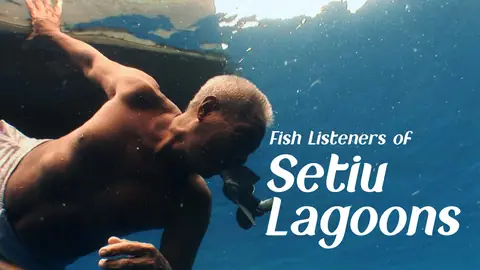 Fish Listeners of Setiu Lagoons1 episode · 60 min each
- What it is about
- A fisherman in Malaysia finds fish by listening for them. He is the last one still fishing this way, a skill handed down over many years that is slowly fading away.
- Skills practiced
- Global citizenship
- Before you watch
- Listen closely to the sounds around us. Tell me what you hear.
- Ask after watching
- What was the old fisherman listening for? How did you feel while you watched?
- Try it
- Close your eyes and listen for one minute. Then draw what you heard.
- Talk about it at home
- Does anyone in our home work by listening or watching closely? What can our grandparents tell us about it?
2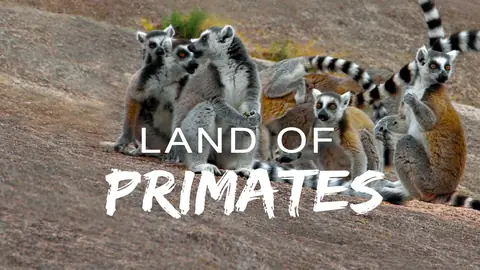 Land of Primates1 episode · 60 min each
- Good to know before watching
- Some films in this series show animals hunting, death, and fighting. Monkeys in a group can also grab things and squabble. Preview first. The ring-tailed lemur film is the best fit for this age.
- What it is about
- This series follows monkeys and their relatives around the world. You will meet lemurs in Madagascar, baboons in Africa, and red colobus monkeys in Zanzibar. The ring-tailed lemur film shows how a group lives together.
- Skills practiced
- Critical thinking
- Before you watch
- Move like a monkey. Then notice what the monkeys in the film do.
- Ask after watching
- Which monkey did you like best? Why?
- Try it
- Play monkey family. One person is the mother, the others are the babies. Act out taking care of each other and sharing food.
- Talk about it at home
- Who takes care of us in our home? What can our grandparents tell us about when they were little?
3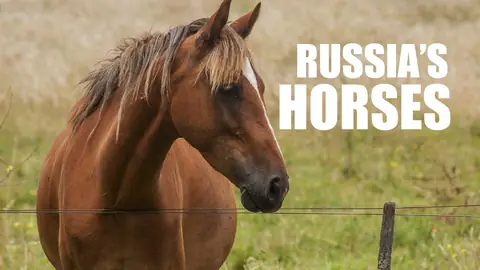 Russia's Horses5 episodes · 60 min each
- What it is about
- This series shows how people and horses live together in Russia. You will see families who depend on their horses, honor guard riders, horse breeders, and horses in very cold places.
- Skills practiced
- Global citizenship, Emotional intelligence
- Before you watch
- Make the sound of galloping hooves. Then watch how the horses in the film run.
- Ask after watching
- Which horse did you like best? Why?
- Try it
- Play horse and rider. One person is the horse, the other leads gently. Ask each other how it felt.
- Talk about it at home
- Do we have animals that help with work, like cows or buffalo? What can our grandparents tell us about them?
4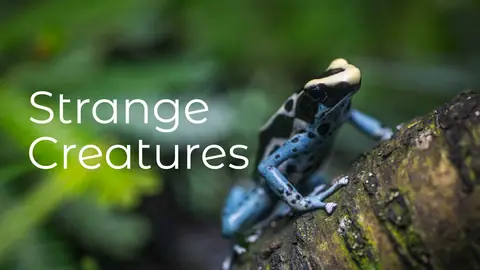 Strange Creatures1 episode · 30 min each
- What it is about
- This series is full of unusual animals. You will meet a grasshopper with an odd way to stay safe, a tricky bird, a wolf eel, a blue beetle, a capybara, a scorpion, and even a T. rex.
- Skills practiced
- Critical thinking
- Before you watch
- Act out a strange animal you know. Then see what the animals in the film look like.
- Ask after watching
- Which animal looked the strangest to you? Why?
- Try it
- Draw a strange animal you invent, with one special part. Tell a grown-up about it.
- Talk about it at home
- Have we ever seen an animal with a strange look? Where did our grandparents see one?
5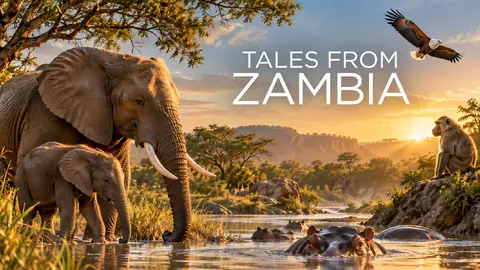 Tales from Zambia1 episode · 60 min each
- Before your child watches
- Some films in this series show hunting, death, and fighting. Preview first, and use only films where the animals walk, eat, and rest. If you see animals chasing each other, skip that episode.
- What it is about
- This series visits the Luangwa Valley in Zambia. You will see elephants, hippos, baboons, lions, birds, and many more animals through the dry season and the rainy season. One film follows a group of about 80 baboons by the river.
- Skills practiced
- Media literacy
- Before you watch
- Walk like an elephant or a monkey. Then watch how the animals in the film walk.
- Ask after watching
- Which animal did you like best? Why?
- Try it
- Act out an animal from the film and let a friend guess which one. Then draw your favorite.
- Talk about it at home
- Is there an animal we all love in our home? What animals did our grandparents keep or meet?
6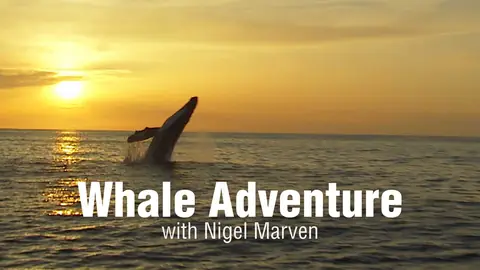 Whale Adventure with Nigel Marven1 episode · 60 min each
- Before your child watches
- The route gray whales take north is a place where killer whales often hunt whale calves. Preview first. If you see a hunting scene, skip that episode.
- What it is about
- Nigel Marven swims and travels with gray whales on their long trip north to Alaska, passing by California.
- Skills practiced
- Global citizenship
- Before you watch
- Swim slowly like a big whale. Then watch what the whales in the film do.
- Ask after watching
- How did the big whales make you feel?
- Try it
- Play whale and baby whale. One of you is big, one is small. Swim slowly together around the room.
- Talk about it at home
- Has anyone in our home seen the sea or a very big animal? Can our grandparents tell us about it?
7 Wild About New Zealand6 episodes · 60 min each
- What it is about
- This series visits the nature of New Zealand. You will see forests, mountains, glaciers, a sea park, and the volcano called Tongariro.
- Skills practiced
- Critical thinking, Global citizenship
- Before you watch
- Look for a place in the film you would like to visit.
- Ask after watching
- Where was your favorite place in the film? Why?
- Try it
- Draw your favorite place from the film. Tell a grown-up what is there.
- Talk about it at home
- Is there a beautiful place in nature near our home? Where did our grandparents take us?
8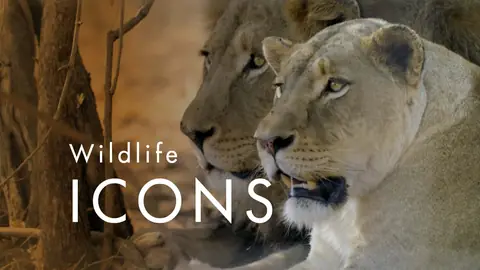 Wildlife Icons1 episode · 60 min each
- What it is about
- This series shows famous wild animals of Africa. You will see the savanna, meerkats, dung beetles, big cats, the Big Five, and hyenas and lions that eat leftovers.
- Skills practiced
- Critical thinking
- Before you watch
- Make the sound of an animal you like. Then listen to the sounds the animals in the film make.
- Ask after watching
- Which animal did you like best? Why?
- Try it
- Play meerkat with a friend and stand tall on guard. Then draw an animal you like.
- Talk about it at home
- Is there an animal everyone in our home loves? Can our grandparents tell us about one they love?
9 The Worm Hunters1 episode · 60 min each
- Note
- Some worms can look yucky, and some are parasites. Preview first. Look at worms you do not know with your eyes only, and never touch them.
- What it is about
- Worm hunters from around the world talk about worms. There are thousands of kinds. The film travels from Transylvania to Brazil, Estonia, and Australia.
- Skills practiced
- Critical thinking
- Before you watch
- Wiggle like a worm. Then notice where the worms in the film live.
- Ask after watching
- Which worm did you like best, or which one surprised you? Why?
- Try it
- Look for earthworms in damp soil. Watch how they move and draw what you see. Wash your hands after you touch them.
- Talk about it at home
- Are there earthworms in our garden? Did our grandparents ever use worms for anything?
10 Wild Castles1 episode · 60 min each
- Before your child watches
- The grade 1 to 3 version of this series is marked for scary scenes, war, and hunting. For this age, watch a whole film first. If it has battles, sieges, or frightening pictures, choose another film.
- What it is about
- This series visits castles in Europe where wild animals live nearby. You will see Heidelberg, a castle built into a cave in Slovenia, the Alhambra in Spain, and Neuschwanstein. See how people and animals share one place.
- Skills practiced
- Critical thinking
- Before you watch
- Look at what the castles look like. Notice which animals live nearby.
- Ask after watching
- Which castle or animal did you like best? Why?
- Try it
- Build a small castle from blocks or boxes. Find a spot nearby for the animals from the film.
- Talk about it at home
- Do we have an old building, a temple, or an old house nearby? What can our grandparents tell us about it?
11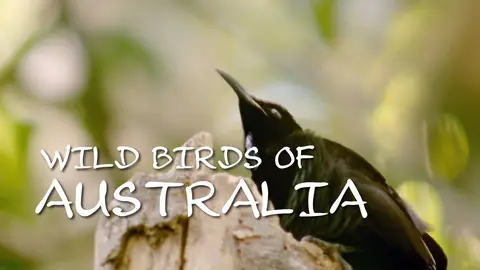 Wild Birds of Australia1 episode · 60 min each
- Good to know before watching
- Some films show birds of prey catching small animals to eat. The grade 1 to 3 version is marked for hunting. Preview first.
- What it is about
- This series shows the birds of Australia, from little penguins and emus to birds of prey. It also visits the breeding season of more than 800 kinds of birds.
- Skills practiced
- Critical thinking
- Before you watch
- Flap your arms like a bird. Then watch how the birds in the film fly or walk.
- Ask after watching
- Which bird did you like best? Why?
- Try it
- Dance like a bird. One person is the mother bird, the other is the baby learning to walk or fly.
- Talk about it at home
- Are there birds near our home? Which birds do our grandparents like?
12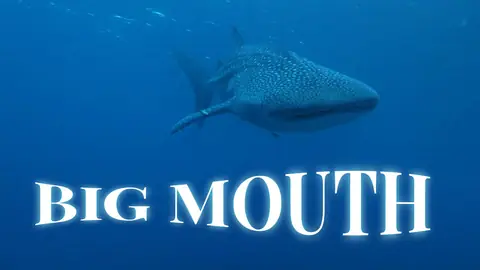 Big Mouth1 episode · 60 min each
- Note
- Focus on the whale shark and the divers. People in the village disagree about it. Save that for later, and there is no need to explain the disagreement.
- What it is about
- In Oslob, a town in the Philippines, a whale shark and the divers of a fishing village became friends. People in the village have different ideas about the whale sharks coming there.
- Skills practiced
- Global citizenship
- Before you watch
- Look for the biggest fish in the film. What does it look like?
- Ask after watching
- A huge fish is friends with people. How do you think the fish feels?
- Try it
- Draw a big fish with small friends. Then draw an animal you would like to be friends with, and tell a grown-up about it.
- Talk about it at home
- Have we ever seen fish or sea animals? Did our grandparents tell us about a very big fish?
13Africa's Trees of Life3 episodes · 60 min each
- What it is about
- This series visits trees that help animals stay alive in Africa. You will see the camel thorn tree in the Kalahari Desert, the marula tree, and another big tree that animals love.
- Skills practiced
- Critical thinking
- Before you watch
- Notice why the animals come close to the tree.
- Ask after watching
- How did the tree help the animals? What did you see?
- Try it
- Sit under a big tree at school or near home. See which small animals come by. Draw what you see.
- Talk about it at home
- Do we have a big tree near our home? What can our grandparents tell us about it?
14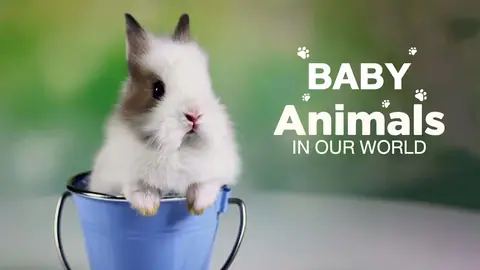 Baby Animals in Our World10 episodes · 30 min each
- Note
- Some films show animals being born. If your child asks where the baby came from, answer briefly and plainly: it came out of its mother's belly.
- What it is about
- This series shows the first moments of baby animals' lives. You will meet pets, farm animals, zoo animals, city animals, and animals under the sea.
- Skills practiced
- Critical thinking
- Before you watch
- Make the sound of a baby animal you like. Then watch what the babies in the film do.
- Ask after watching
- Which baby animal did you like best? Why?
- Try it
- Play baby animal, with a grown-up as the mother. Then draw your favorite baby animal.
- Talk about it at home
- Has a pet in our home ever had babies? What baby animals did our grandparents take care of?
15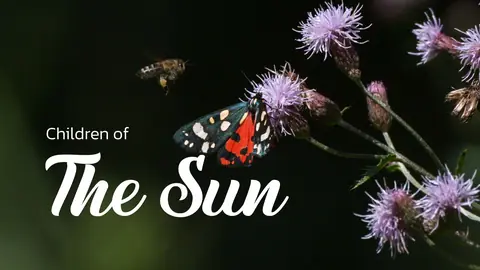 Children of The Sun1 episode · 60 min each
- Good to know before watching
- Some films show animals hunting and death. A butterfly's life cycle can include a caterpillar being eaten or a butterfly dying. Preview first.
- What it is about
- This series follows the life cycle of many butterflies, from egg to caterpillar to butterfly. It also visits wild bees in Europe that sleep underground in winter and come out when it warms up.
- Skills practiced
- Critical thinking
- Before you watch
- Flap your arms slowly like a butterfly. Then watch how the butterflies in the film change.
- Ask after watching
- Which part of the butterfly's life did you like best?
- Try it
- Act out a butterfly. Start as an egg, then a caterpillar, then a chrysalis, and fly out. Use your whole body.
- Talk about it at home
- Do we see butterflies near our home? Did our grandparents ever see a caterpillar turn into a butterfly?
16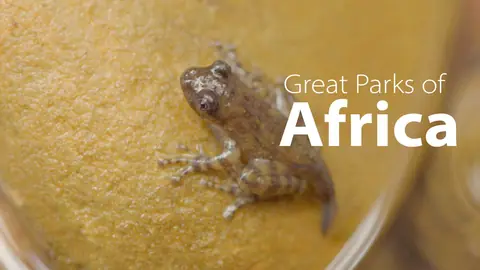 Great Parks of Africa1 episode · 60 min each
- Good to know before watching
- Parks in Africa often have lions and other predators. Some films in this series show animals hunting. Preview first.
- What it is about
- This series visits national parks in southern Africa. You will see Addo Elephant Park, Table Mountain, the iSimangaliso wetlands, the Karoo and Kalahari parks, and Chobe.
- Skills practiced
- Critical thinking
- Before you watch
- Look at the kinds of places where the animals live.
- Ask after watching
- Which place in the film would you most like to visit?
- Try it
- Draw a park you would like to visit. Add the animals you hope to see, and tell a grown-up about it.
- Talk about it at home
- Is there a park or garden we visit together? Where did our grandparents go?
17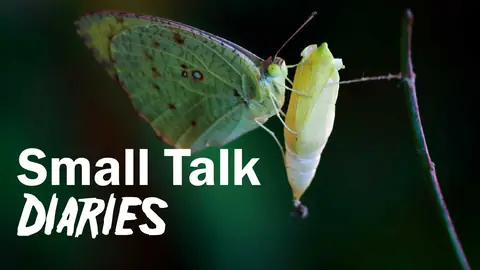 Small Talk Diaries6 episodes · 15 min each
- What it is about
- This children's series films insects and tiny animals up close. Then it turns them into cartoons that talk and joke about what they do.
- Skills practiced
- Critical thinking, Creative thinking
- Before you watch
- Today we will talk with tiny bugs. Look at what they look like.
- Ask after watching
- Which bug did you like best? How did it make you feel?
- Try it
- Look for a bug or a small animal in the yard. Watch from a distance, then draw it or act like it.
- Talk about it at home
- What bugs do we see in our home? Have our grandparents seen a bug we have never seen?
18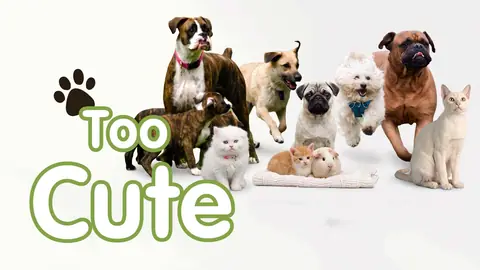 Too Cute12 episodes · 60 min each
- Good to know before watching
- At the end, the puppies and kittens go to new homes, away from their mothers. Children who are apart from their parents may go quiet or ask if the mother will miss them. Say the babies are loved and cared for. If your child still worries, stop there.
- What it is about
- This series follows puppies and kittens of many breeds. You will see them from birth until they are big enough to explore the world and move to new homes.
- Skills practiced
- Emotional intelligence, Critical thinking
- Before you watch
- Today we will watch puppies and kittens. Look at what they are doing.
- Ask after watching
- What did you see the puppies or kittens do? How did you feel?
- Try it
- Act like a puppy or kitten. Crawl, meow, drink milk, and sleep, with a grown-up as the caring mother.
- Talk about it at home
- Do we have a dog or a cat? What pet did our grandparents love as children?
19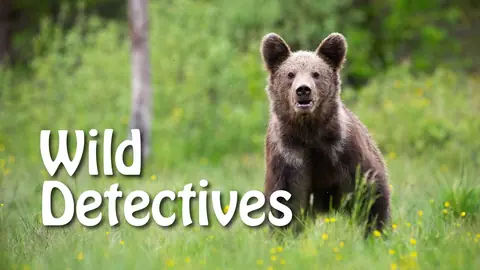 Wild Detectives3 episodes · 30 min each
- What it is about
- A team of wildlife detectives goes on missions to solve animal mysteries. They look into the secrets of bears in Alaska, the calls of blue whales, and the strange ways animals behave.
- Skills practiced
- Communication and teamwork, Critical thinking
- Before you watch
- Today we are animal detectives. Look at what the animal is doing.
- Ask after watching
- What do you think that animal is telling us?
- Try it
- Be a detective for one minute in the house or yard. Look for animal clues like footprints, feathers, or a leaf a bug chewed.
- Talk about it at home
- Have we ever found animal tracks near our home? Did our grandparents ever have an animal sneak into the house or garden?
20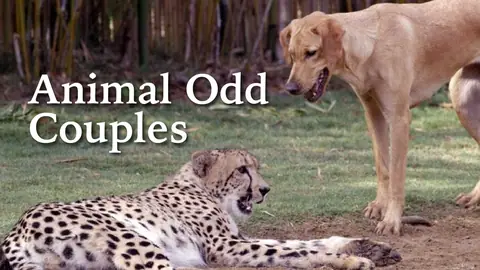 Animal Odd Couples1 episode · 60 min each
- What it is about
- A science presenter travels the world to find out why animals of different kinds become friends. For example, a cat that adopted ducklings.
- Skills practiced
- Emotional intelligence
- Before you watch
- Look at how the two animals in the film are friends.
- Ask after watching
- Why do you think these two animals like each other?
- Try it
- Pick two toys that look very different. Show how the two play together.
- Talk about it at home
- Do different animals live together in our home? Did our grandparents ever see two animals who were friends?
21 Fabulous Foals2 episodes · 60 min each
- Note
- Some scenes show a birth. If your child asks where the foal came from, answer briefly and plainly: it came out of its mother's belly.
- What it is about
- This film shows the world of many kinds of horses, with a focus on the sweet first month of a foal's life.
- Skills practiced
- Critical thinking
- Before you watch
- Watch how the little foals stand up and run.
- Ask after watching
- Which part of the foal's story did you like best? Why?
- Try it
- Act like a foal that has just learned to stand. Get up, fall down, and run after your mother. Play with a grown-up.
- Talk about it at home
- Have we ever seen a newborn baby animal? Did our grandparents see a calf being born?
22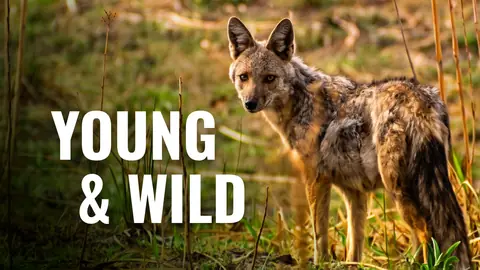 Young & Wild1 episode · 30 min each
- What it is about
- This series follows baby animals in Africa, like lion cubs, giraffes, rhinos, seahorses, and wild pigs. You will see birth, bonding with mothers, play, eating, and even fighting.
- Skills practiced
- Critical thinking
- Before you watch
- Today we will watch baby animals being born and playing. Notice what they do first.
- Ask after watching
- What did you see a baby animal do that made you smile?
- Try it
- Pick a baby animal you like. Act out being newborn, opening your eyes, standing up, and hugging your mother. A grown-up plays the mother.
- Talk about it at home
- Has a baby animal been born near our home? Can our grandparents tell us about when we were babies?
23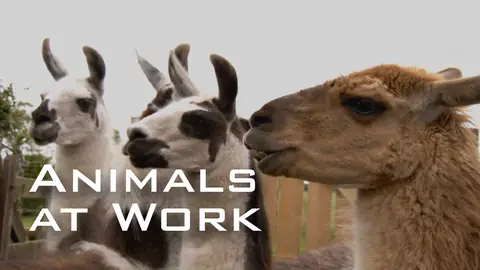 Animals at Work15 episodes · 30 min each
- Note
- The snake film can upset a child who is afraid of snakes. You can skip it. Some films in this series also show animals hunting.
- What it is about
- This series shows animals with jobs or special skills. A dog helps a magician, a pig races, an elephant plays the drums, and a snake helps a child stop being afraid.
- Skills practiced
- Communication and teamwork, Emotional intelligence
- Before you watch
- Today we will watch animals who are good at their jobs. Notice what they do.
- Ask after watching
- Which animal did you like best? What is it good at?
- Try it
- Act out an animal doing a job, like an elephant playing drums or a dog fetching things. A grown-up guesses what it is.
- Talk about it at home
- Do we have animals that help with work in our home? What work animals did our grandparents have?
24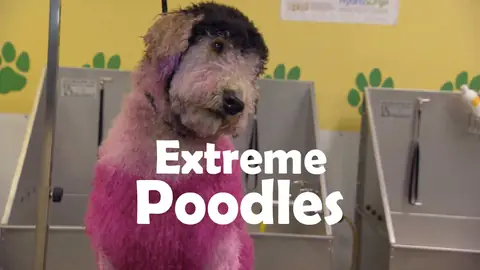 Extreme Poodles1 episode · 60 min each
- What it is about
- This film visits a poodle grooming contest. Groomers turn the dogs into amazing works of art with clipping, spray, and colorful dye. The winner gets on a magazine cover and wins the title at the poodle contest.
- Skills practiced
- Creative thinking
- Before you watch
- Look at the colors and shapes of the dogs' fur.
- Ask after watching
- If you were a dog with beautiful fur, how would you feel?
- Try it
- Draw a dog you would like to see, and tell why you chose its colors. If you have a pet, pet it gently.
- Talk about it at home
- Do we have a pet in our home? Who helps take care of it?
25Inside Life5 episodes · 30 min each
- What it is about
- This series goes behind the camera with wildlife film crews. Each guest joins a mission to help the team, like filming gibbons in the forests of Thailand, tigers in India, and lemurs in Madagascar.
- Skills practiced
- Critical thinking, Communication and teamwork
- Before you watch
- Today we will watch people filming animals in the wild. Notice what they have to do.
- Ask after watching
- Where would you like to film animals, and which animal would you film?
- Try it
- Make a camera from paper or your two hands. Walk through the yard quietly to find small animals, without scaring them.
- Talk about it at home
- Have we ever seen an animal we loved? Did our grandparents ever see animals in the forest?
26 Food Factory15 episodes · 30 min each
- What it is about
- This series shows how the food we eat is made in factories, like ice cream cones, pasta, soda, chocolate, and chewing gum.
- Skills practiced
- Critical thinking
- Before you watch
- Today we will see what our snacks are made from. Watch how the machines work.
- Ask after watching
- Which step did you like best? Why?
- Try it
- Help make an easy snack at home, like kneading dough or shaping sticky rice. Tell what you did first and what came next.
- Talk about it at home
- What food do we love in our home? How did our grandparents make their favorite treats?
27 Into The Wilderness - Pacific Crest Trail2 episodes · 60 min each
- What it is about
- The series visits wild places in the U.S., from the Pacific Crest Trail between Mexico and Canada, through forests, deserts, and open land, to Glacier National Park in Montana, with its glaciers and waterfalls.
- Skills practiced
- Critical thinking, Global citizenship
- Before you watch
- Look for mountains, water, and trees in the film. What kinds do you see?
- Ask after watching
- If you walked in a place like this, what would you most like to see?
- Try it
- Take a walk with a grown-up around home or school. Pick up three leaves or stones you like, draw them, and tell about them.
- Talk about it at home
- Have we walked somewhere beautiful? Did our grandparents ever take us to the forest or the fields?
28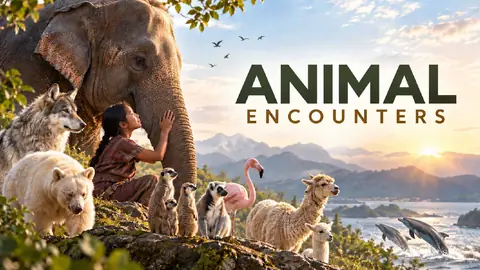 Animal Encounters1 episode · 30 min each
- What it is about
- This series tells about people and animals meeting each other. You will see an orphan elephant at a care center in Kenya, researchers who study a dolphin family, and monkeys trained to pick coconuts in a gentle way.
- Skills practiced
- Emotional intelligence
- Before you watch
- Today we will watch animals close to people. If anything bothers you, tell me or your teacher.
- Ask after watching
- How do you think the animal felt? Can you guess from its face?
- Try it
- Act out an animal you like. A grown-up guesses how the animal feels: happy, scared, or sleepy.
- Talk about it at home
- Have we ever had or played with an animal? How did we feel? Tell a grown-up about it.
29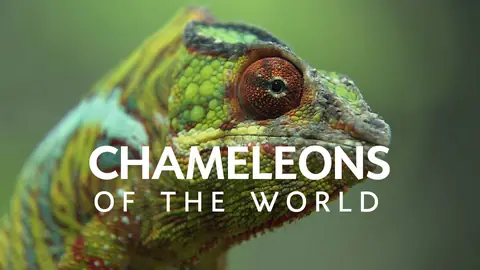 CHAMELEONS OF THE WORLD1 episode · 30 min each
- Note
- One scene shows a chameleon shooting out its tongue to catch an insect. Tell your child first that the chameleon eats insects for food.
- What it is about
- This series introduces chameleons, strange and mysterious lizards found in only a few places in the world. We know very little about them. You will see how they hunt, how they survive by moving slowly, and their secret lives.
- Skills practiced
- Critical thinking
- Before you watch
- Today we will watch animals that change color. What colors do the chameleons turn?
- Ask after watching
- Did you see the animal change color? Which color did you like best?
- Try it
- Lay out colored papers on the floor. A grown-up acts like a chameleon and walks to stand on the matching color.
- Talk about it at home
- Have we ever seen a small animal hide? Where does a chameleon hide? Tell a grown-up.
30 Extraordinary Animals11 episodes · 30 min each
- Good to know before watching
- The older-grade version of this series is marked for death, disasters, and unproven claims. For this age, use films that you have previewed and that show clever animals, like the painting elephant or the sea lion that understands sign language.
- What it is about
- This series is about animals with special skills and amazing smarts. You will meet an elephant that paints, a sea lion who understands sign language, search dogs at work, and other animals that amaze people.
- Skills practiced
- Critical thinking, Creative thinking
- Before you watch
- Today we will watch very clever animals. Notice what the animals do that kids can do too.
- Ask after watching
- Which animal did you like best? Why? What did its face look like?
- Try it
- Act out an animal doing something it is good at, like painting or jumping. A grown-up guesses which animal it is.
- Talk about it at home
- What is each of us best at? Let's clap for each other and tell how we learned it.
31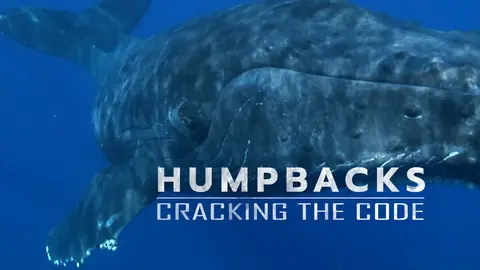 Humpbacks - Cracking The Code1 episode · 60 min each
- What it is about
- Scientists are trying to crack the code of the humpback whale's song-like calls. They know the song can travel to whales on the other side of the world, but they do not yet know what it is for.
- Skills practiced
- Critical thinking
- Before you watch
- Listen to the whale's call. Does it sound like anything you know?
- Ask after watching
- Who do you think the whale is singing to?
- Try it
- Make high and low sounds like a whale. A grown-up answers back, then you guess what the sound means.
- Talk about it at home
- When we were little, did our grandparents sing or call to us with a special sound? How do we call each other at home?
32It's Christmas In The Savannah1 episode · 60 min each
- What it is about
- On the African savanna, animals have a big tree with yellow flowers that looks like a Christmas tree. The tree gives many animals what they need.
- Skills practiced
- Critical thinking
- Before you watch
- Today we will see a big tree with pretty yellow flowers. Count how many animals come to the tree.
- Ask after watching
- Who came to live at the tree? Which animal did you like best?
- Try it
- Visit a big tree near home or school. Look for ants, birds, or bugs living there. Draw what you find.
- Talk about it at home
- Is there a tree near our home where people sit and rest? What did our grandparents do under that tree?
33 OL Pejeta Diaries4 episodes · 30 min each
- What it is about
- This is a diary of life at the Ol Pejeta Conservancy in Kenya. It helps rhinos and other wildlife that are almost gone, and works with its neighbors. One film features a blind black rhino and moving animals to a safer place.
- Skills practiced
- Global citizenship, Communication and teamwork
- Before you watch
- Today we will see big animals with people who care for them. Notice how the people help.
- Ask after watching
- What did the people do for the animals? How would you like to help animals?
- Try it
- Play animal doctor. Use a stuffed animal as the sick patient, and tell how you would care for it.
- Talk about it at home
- Is anyone in our home good with animals? What animals did our grandparents take care of?
34 Sky Safari - Australia1 episode · 60 min each
- What it is about
- Millions of years ago, one continent broke away and became a world of its own: Australia. It has one-of-a-kind land and very strange animals. Seeing it from the sky shows how each piece of land fits together.
- Skills practiced
- Critical thinking
- Before you watch
- Today we will look at the land from high above. What do you see? What colors?
- Ask after watching
- What did you see from up high that you cannot see when you stand on the ground?
- Try it
- With a grown-up holding your hand, look down from a low hill or from behind a stairway railing. Draw what you see.
- Talk about it at home
- Is there a spot near our home where we can look far and see the whole village? Did our grandparents climb up to look when they were little?
35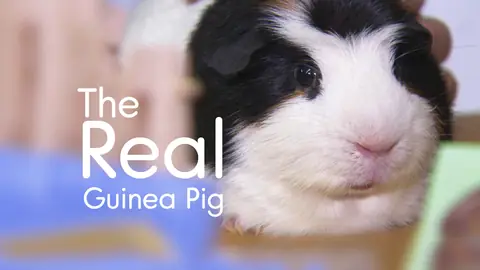 The Real Guinea Pig1 episode · 60 min each
- What it is about
- This film compares wild guinea pigs with pet guinea pigs. They live and act in different ways. It also looks at what people believe about them. A university in Germany studies guinea pig groups because they are a lot like human ones.
- Skills practiced
- Critical thinking
- Before you watch
- Look at these small, soft animals. Notice how they stay together.
- Ask after watching
- Guinea pigs live in groups. Who do you like to play with?
- Try it
- Pretend to be a small group of guinea pigs. Make chatty sounds, then snuggle close together to stay warm.
- Talk about it at home
- Do we have a small pet at our home? What animals did our grandparents keep when they were little?
36 The Big Feed9 episodes · 30 min each
- What it is about
- Zookeepers prepare food for many kinds of animals, such as giant pandas, red pandas, lions, and orangutans. The sample episode follows where zoo food comes from and how the animals get fed.
- Skills practiced
- Critical thinking, Creative thinking
- Before you watch
- Watch what the zoo animals eat. Notice which animal eats which food.
- Ask after watching
- What do you like to eat? Do any of the animals eat what you eat?
- Try it
- Be the zookeeper. Use toys as food and sort them. Which animal eats which one?
- Talk about it at home
- Who cooks for everyone at our home? What did our grandparents eat most when they were little?
37 Undiscovered Vistas4 episodes · 60 min each
- Good to know before watching
- The Iceland episode may show a volcano erupting, and some episodes in this series show natural disasters. For preschoolers, use only an episode with no big eruption and no lava reaching people's homes. Watch the whole episode yourself first.
- What it is about
- A series about wild places few people have seen, such as Iceland, Wales, Ireland, Vancouver Island, the Sierra, and Costa Rica. The sample episode visits Iceland, a land shaped by fire and ice.
- Skills practiced
- Critical thinking
- Before you watch
- We are going far away to see mountains and ice. Notice what colors you see.
- Ask after watching
- What does this place remind you of?
- Try it
- Draw a volcano and ice with red and blue. Tell us which part is hot and which part is cold.
- Talk about it at home
- Is there a beautiful place our grandparents have visited? What did they see there?
38 Barney's Barrier Reef6 episodes · 30 min each
- What it is about
- Australia has the largest coral reef in the world. Every living thing there is connected, like a family tree that goes back a very long time. This series follows many sea animals. The sample episode shows animals that hide well and animals that hunt.
- Skills practiced
- Critical thinking, Communication and teamwork
- Before you watch
- We are going under the sea to see colorful fish. Look for an animal that is hiding.
- Ask after watching
- Which animal was hiding? How did you find it?
- Try it
- Play hide and seek. Hide a toy that matches the color of the floor and let a friend look. Which one is harder to find?
- Talk about it at home
- Do we play hide and seek at our home? Where did our grandparents hide best when they were little?
39 Island of the Monsoon1 episode · 60 min each
- Before your child watches
- Part of this film follows a leopard and often shows hunting. Another part is about a newborn elephant. Our questions come from the elephant part, so play only that part. Always preview 2 to 3 minutes first.
- What it is about
- A film about Sri Lanka. One part searches for a young leopard who may become the next queen of Yala National Park. Another follows a newborn elephant calf in Asia's biggest herd, from its first look at the world to a big journey.
- Skills practiced
- Emotional intelligence
- Before you watch
- We are going to see a baby elephant. Notice how its mom and family take care of it.
- Ask after watching
- Who takes care of the baby elephant? Who takes care of you?
- Try it
- Walk in a line like an elephant herd. Put the smallest person in the middle and the bigger ones around. Ask how it feels in the middle.
- Talk about it at home
- When we were little, who held us and took care of us? Who helped take care of our grandparents when they were children?
40 Keepers of the Cape1 episode · 30 min each
- Good to know before watching
- Some episodes in this series show death. The Dyer Island penguin episode may show a sick chick or a rescue. Preview it before you watch together.
- What it is about
- This series explores the wildlife and natural systems of the Western Cape in Africa. It also shows positive conservation work by local scientists and conservationists. The sample episode visits African penguins on Dyer Island.
- Skills practiced
- Global citizenship
- Before you watch
- Watch the penguins waddle along. Count how many you see.
- Ask after watching
- How do penguins walk? Do you want to walk like a penguin?
- Try it
- Waddle like a penguin from one room to another. Then pretend to be a person who takes care of penguins.
- Talk about it at home
- Do we have a bird at our home that waddles? What birds did our grandparents keep?
41Keepers of the Cape6 episodes · 30 min each
- What it is about
- This series continues Keepers of the Cape. It looks at problems and how people solve them, such as responsible fishing, West Coast National Park, Cape Agulhas, Cederberg, and the Cape's own native plants. The sample episode is about responsible fishing.
- Skills practiced
- Global citizenship, Critical thinking
- Before you watch
- Look at the fish and the people who catch them. Notice how they catch the fish.
- Ask after watching
- If you were a fisher, who would you leave some fish for?
- Try it
- Use paper fish or toy fish. Pretend to catch fish, and leave some in the sea for another day. Ask how that feels.
- Talk about it at home
- Do we eat fish at our home? Where did fish come from when our grandparents were little?
42 Lakes on the Roof of the World1 episode · 60 min each
- What it is about
- Qinghai Lake in China is one of the highest lakes in the world. It is an amazing, peaceful place that shows a culture with a long history. The film meets people who live around the lake, far from anywhere else.
- Skills practiced
- Global citizenship
- Before you watch
- We are going to a lake very high up. Notice what colors you see.
- Ask after watching
- What color is the water? Would you like to play there?
- Try it
- Draw a lake with beautiful colors and the people who live around it. Tell us what they do all day.
- Talk about it at home
- Is there a big pond or body of water near our home? Where did our grandparents swim and play when they were little?
43Lakes on the Roof of the World4 episodes · 60 min each
- What it is about
- A series on high lakes in Central Asia, including a lake in Kazakhstan called the pearl of the country, and Lake Issyk-Kul in Kyrgyzstan, with a thousand years of civilization. It also visits Tajikistan.
- Skills practiced
- Global citizenship
- Before you watch
- We are going to a lovely lake in the mountains. Notice what is around the lake.
- Ask after watching
- What does this lake remind you of?
- Try it
- Draw a lake, mountains, and homes around it, or mold them from clay. Then tell a grown-up about it.
- Talk about it at home
- Is there a pond or reservoir our grandparents took us to? What did they play there when they were little?
44 Naica Secrets of the Crystal Caves1 episode · 60 min each
- Note
- The cave is so hot that the explorers wear special suits. Let your child look at the crystals with their eyes only, no touching. For the crystal activity, a grown-up should handle the hot water.
- What it is about
- Scientists and explorers go to the Naica Mine in Mexico to solve the mystery of the crystal caves and look for new ones. They find a wonder called the Ice Palace.
- Skills practiced
- Critical thinking
- Before you watch
- We are going to a cave with giant, clear crystals. Notice what shapes you see.
- Ask after watching
- What do the giant crystals look like?
- Try it
- Grow salt or sugar crystals. A grown-up prepares the warm water. Hang a string in it for a few days, then see what happened.
- Talk about it at home
- Do we have a big rock or a lump of salt at our home? Where did our grandparents get salt or stones when they were little?
45 Peace Parks4 episodes · 60 min each
- Note
- Focus on the animals and mountains only. Save borders and countries for when your child is older. Some episodes in this series show animals hunting each other.
- What it is about
- A series about peace parks, which stretch across the borders between countries in Africa, such as the Drakensberg and the Kgalagadi, where red sand dunes run more than 100 kilometers. A photojournalist travels to learn about nature and wildlife.
- Skills practiced
- Global citizenship
- Before you watch
- We are going to a wild place where animals walk back and forth freely. Notice where the animals go.
- Ask after watching
- Animals can walk across. Where would you like to have no fence for animals?
- Try it
- Walk back and forth across a line drawn in the yard. Ask if an animal would know the line is there. Tell us how it feels.
- Talk about it at home
- Are there fences or lines at our home? When our grandparents were little, was there a fence in that spot?
46 The Best of Australia1 episode · 60 min each
- Note
- In the island part, a few animals eat other animals. Tell your child before you press play. If it feels upsetting, pause and take a break.
- What it is about
- This film shows the natural beauty of Australia. One visit goes to mountain ranges with parks and many kinds of plants and animals. Another goes to Christmas Island and the Cocos Islands, tiny islands with plants and animals found nowhere else.
- Skills practiced
- Critical thinking
- Before you watch
- Look for animals or trees you have never seen. The island part shows a few animals eating other animals. If that feels upsetting, tell me.
- Ask after watching
- What did you like best? How did you feel when you saw it?
- Try it
- Draw your favorite animal or tree from the film. Tell a grown-up what it is doing.
- Talk about it at home
- Which animals or trees do we like at our home? Did our grandparents tell stories about animals or trees they saw as children?
47Undiscovered Vistas2 episodes · 60 min each
- Note
- Some episodes in this series show animals hunting each other. In the rainforest, animals may chase each other. If your child feels upset, pause and take a break.
- What it is about
- This series explores nature in Mexico and Costa Rica. You will see rainforest with rivers hidden underground, and wild areas that protect many kinds of animals and trees.
- Skills practiced
- Critical thinking
- Before you watch
- We are going to a faraway forest. Notice where you see water. If animals chase each other and that feels upsetting, tell me.
- Ask after watching
- How do the animals in the forest find water to drink?
- Try it
- Look for water around school or home, like a tap, a puddle, or a pipe. Show a grown-up who uses the water there: people, birds, or insects.
- Talk about it at home
- Where does the water at our home come from? Where did our grandparents get water when they were little?
48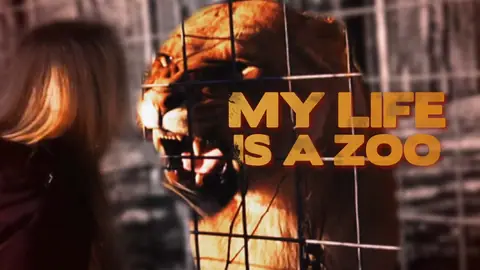 My Life is a Zoo1 episode · 60 min each
- What it is about
- A couple run a private zoo in Michigan with more than 400 animals. Some are local and some come from elsewhere, and many were rescued. In one episode, they plan to bring their first hippo to the zoo.
- Skills practiced
- Emotional intelligence
- Before you watch
- Watch how the people take care of the animals.
- Ask after watching
- Which animal do you like? What is it doing? How did you feel when you saw it?
- Try it
- Be a zookeeper. Use stuffed animals, feed them, give them water, and sing them to sleep.
- Talk about it at home
- Have we ever had a pet at our home? What animals did our grandparents take care of when they were little?
49My Life is a Zoo1 episode · 60 min each
- What it is about
- A couple runs their own small zoo. Their biggest plan yet is to bring their first hippo to live there.
- Skills practiced
- Critical thinking
- Before you watch
- We are going to a zoo. Notice what the big animals do.
- Ask after watching
- How do you think the hippo feels about moving to a new home?
- Try it
- Act like a hippo for a friend or grown-up. Show how a hippo looks when it is happy, sleepy, or scared.
- Talk about it at home
- Have we visited a zoo? Where did our grandparents see big animals when they were little?
50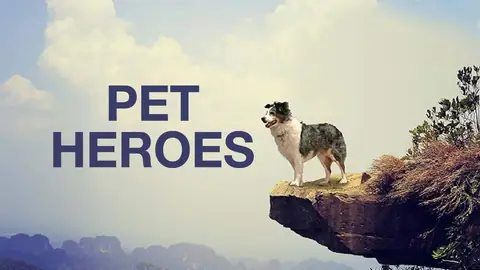 Pet Heroes1 episode · 30 min each
- Good to know before watching
- Dogs that help people usually appear in scary moments, such as someone sick or in danger. Preview first. If your child asks how the person is, answer briefly that they are okay, when the story really ends that way.
- What it is about
- A series about brave dogs of many breeds, told through talks with their owners and families. Some dogs rescue people, warn about illness, or work as helpers.
- Skills practiced
- Emotional intelligence
- Before you watch
- Watch how the dogs help people. Some parts show scary moments or sickness. If that feels upsetting, tell me.
- Ask after watching
- How did you feel when the dog helped? What would you like to do for this dog?
- Try it
- Draw your favorite dog. Tell a grown-up how you want to say thank you, and they will write it down.
- Talk about it at home
- Do we have a dog at our home? Did a dog guard or look after our grandparents' home when they were little? Tell us about it.
51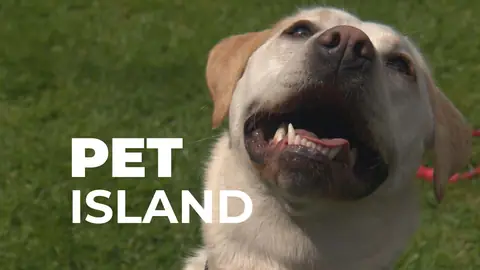 Pet Island4 episodes · 30 min each
- Good to know before watching
- Use only the episodes we selected. Other episodes in this series show sick animals, surgery, and death, so please do not open them.
- What it is about
- A film about pets in Ireland: cats, dogs, horses, donkeys, and small animals. It shows dog and cat shows, training, and pet care centers, and how pets get along with children and families.
- Skills practiced
- Critical thinking, Creative thinking
- Before you watch
- Look at which animals the people there keep.
- Ask after watching
- Which animal do you like best? What is it doing? How do you feel?
- Try it
- Dress a stuffed animal for a pet show. Then walk it past a grown-up like a contest.
- Talk about it at home
- Do we have a pet at our home? What animals did our grandparents keep when they were little?
52 Pets in Paradise7 episodes · 30 min each
- Before your child watches
- This month we chose stories about caring for each other. Some episodes show animals in trouble or scary events. Preview every episode before you play it. Start with an episode about clever animals or therapy animals.
- What it is about
- A series about pets with special talents, such as a surfing pig, a diving dog, sniffer dogs, and therapy dogs, plus many kinds of animal training. It also shows the friendship between people and animals.
- Skills practiced
- Critical thinking, Emotional intelligence
- Before you watch
- Look for an animal that does something you have never seen. Some parts show animals having a hard time. If that feels upsetting, tell me.
- Ask after watching
- Which animal do you like best? What is it doing? How do you feel?
- Try it
- Act like your favorite animal from the film. Ask a grown-up to guess which one it is.
- Talk about it at home
- Do we have a pet at our home? Did our grandparents ever see an animal do something clever?
53 Pick a Puppy15 episodes · 30 min each
- Good to know before watching
- Most episodes show families choosing a puppy, but this series has many episodes and some show death. Preview each one first. Some feature a child who needs an animal friend, which may feel close to home for some children.
- What it is about
- A series about families searching for the right puppy. They try out several breeds, then pick the one that fits their home and family best. Some episodes feature a child who needs an animal friend.
- Skills practiced
- Critical thinking, Emotional intelligence
- Before you watch
- Notice how the family feels when they meet the puppy.
- Ask after watching
- How did you feel when the puppy played with the children? Which puppy do you like?
- Try it
- Use a stuffed animal as a puppy. Play a family that takes care of it together: feed it, give it water, and give it a hug.
- Talk about it at home
- Do we have a dog or another pet at our home? Did our grandparents have a pet they loved? Tell us about it.
54Too Cute1 episode · 60 min each
- What it is about
- A film about how cute baby animals are: American shorthair kittens, Miniature Australian Shepherd puppies, and Ragdoll kittens.
- Skills practiced
- Critical thinking
- Before you watch
- Watch the kittens and puppies. What do they do that you do too?
- Ask after watching
- Which one do you like? What is it doing? How do you feel?
- Try it
- Act like a kitten or puppy waking up. Stretch, yawn, then curl up to sleep.
- Talk about it at home
- Do we have a cat or a dog at our home? Did our grandparents have an animal they loved?
55 Wild Menu6 episodes · 30 min each
- What it is about
- A series that sees the world as one giant restaurant, where every animal must eat to live and everything gets eaten too. Each episode covers one kind of food, like insects, fruit, dead animals, seafood, or food for babies.
- Skills practiced
- Critical thinking, Global citizenship
- Before you watch
- Watch what each animal eats. Some parts show animals eating other animals. If that feels upsetting, tell me.
- Ask after watching
- Which animal ate something you have never seen? How did you feel?
- Try it
- Play animal restaurant. You are an animal and you say what you want to eat. A grown-up is the waiter.
- Talk about it at home
- What food do we like best at our home? What did our grandparents love to eat when they were little?
56 Inside1 episode · 60 min each
- What it is about
- A series about the behind-the-scenes work of big events and how many people make them happen. It visits Hong Kong's Chinese New Year festival, an air show, Miami airport, Rio's carnival, a Tutankhamun exhibition, a wildfire fight, and a kidney transplant.
- Skills practiced
- Creative thinking
- Before you watch
- Watch the festival with colors and fireworks. Notice how the people work together to get ready.
- Ask after watching
- What was the most beautiful thing you saw? What did you feel?
- Try it
- Make a small festival parade at home with your family. Make paper masks or flags, and march together.
- Talk about it at home
- What festival do we all help prepare at our home? How did our grandparents get ready for a merit-making event or New Year when they were little?
57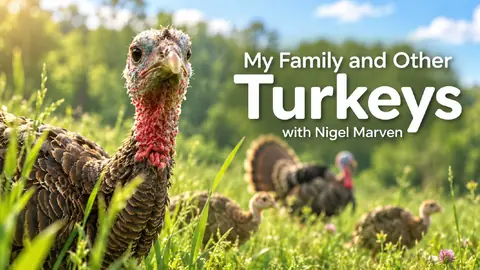 My Family and Other Turkeys with Nigel Marven1 episode · 60 min each
- Note
- The film's summary mentions turkeys at holiday feasts. If your child asks whether turkeys get eaten, give a short, honest answer.
- What it is about
- Turkeys usually show up at holiday feasts. In this film, Nigel Marven meets a family of wild turkeys who become the newest pets in his home.
- Skills practiced
- Emotional intelligence
- Before you watch
- Watch what the turkey family does with the people in the house.
- Ask after watching
- Which turkey do you like? What did it do? How do you feel?
- Try it
- Be a turkey. Make the sound, spread your wings, and strut. Let your family guess how the turkey feels.
- Talk about it at home
- Do we have birds like chickens or ducks at our home? What animals did our grandparents raise when they were little?
58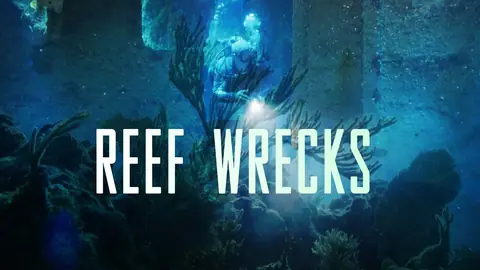 Reef Wrecks4 episodes · 60 min each
- What it is about
- A series about ships and planes that sank to the seafloor and became artificial reefs where sea animals live. It visits Bonaire, Florida, the Bahamas, Roatan, and Mexico.
- Skills practiced
- Global citizenship, Critical thinking
- Before you watch
- Look at how sea animals come to live in a sunken ship.
- Ask after watching
- Which fish or animal do you like? Where does it live? How do you feel?
- Try it
- Use a cardboard box as a sunken ship and put toy fish inside. Let the fish play hide and seek in the ship.
- Talk about it at home
- Is there a place at our home where fish or animals live, like a log pile in a pond? Where did our grandparents see fish living?
59A New Age of Exploration1 episode · 60 min each
- What it is about
- National Geographic leads a new age of exploration and always pushes the limits. This film follows its explorers as they use new technology to find new things.
- Skills practiced
- Creative thinking
- Before you watch
- Watch where the explorers go and what strange things they find.
- Ask after watching
- What was the strangest thing you saw? What would you like to explore?
- Try it
- Be an explorer at home. Take a magnifying glass or just your hands, find something tiny you have never seen, and draw it.
- Talk about it at home
- Is there a place near our home we have never been? Where did our grandparents explore when they were little?
60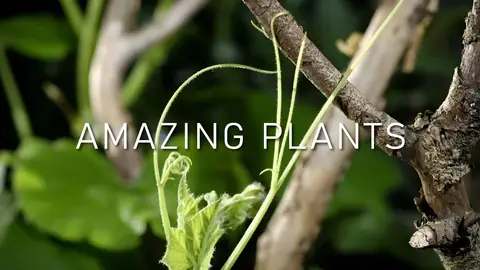 Amazing Plants1 episode · 60 min each
- What it is about
- Plants have many skills. They find food, fight off invaders, call for backup, and spread their seeds. Some plants can move, and scientists have shown it.
- Skills practiced
- Critical thinking
- Before you watch
- Notice what plants can do that you did not know.
- Ask after watching
- Which plant did something strange? How did you feel?
- Try it
- Pretend to be a growing plant. Slowly stretch up toward the sun, then wave your leaves in the wind.
- Talk about it at home
- Which plants do we like at our home? What plants did our grandparents grow when they were little?
61Genius of Nature2 episodes · 60 min each
- Good to know before watching
- The animal defense part shows animals running from predators. Start with the animal senses part, which fits this month, and preview the other parts first.
- What it is about
- A series about how clever nature is. One part looks at animal senses, like whiskers, vibrations, and seeing polarized light. One looks at animals in extreme places. Another shows how animals defend themselves and how people use these ideas.
- Skills practiced
- Creative thinking
- Before you watch
- Notice what animals use to sense the world, like whiskers, ears, or eyes.
- Ask after watching
- Which animal has something special? What would you like to have?
- Try it
- A grown-up picks three objects that are not sharp and not small enough to swallow. Close your eyes and feel each one with your hands. Guess each one, like an animal using whiskers. Then swap and let someone else guess.
- Talk about it at home
- Do we have an animal at our home that uses whiskers or ears? What clever animals did our grandparents see?
62 How Stuff Works1 episode · 60 min each
- What it is about
- A series that explains where everyday things come from and how they work: cereal, chocolate, Christmas, games, banknotes, and summer.
- Skills practiced
- Critical thinking
- Before you watch
- Notice where the food we eat and the toys we play with come from.
- Ask after watching
- What did you like best? How did you feel?
- Try it
- Draw your favorite food. Tell a grown-up where it comes from and who makes it.
- Talk about it at home
- What food do we like at our home? What did our grandparents make or grow to eat when they were little?
63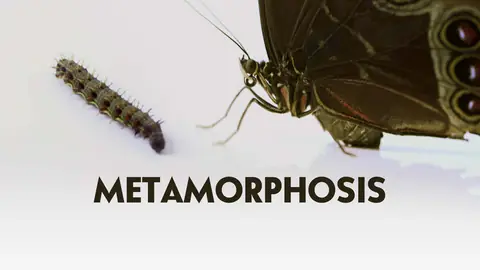 Metamorphosis1 episode · 60 min each
- What it is about
- A film about living things that change shape, from caterpillars becoming butterflies and tadpoles becoming frogs to other animals that transform.
- Skills practiced
- Critical thinking
- Before you watch
- Watch how a tiny animal turns into something new.
- Ask after watching
- Which animal changed until it looked different? How did you feel?
- Try it
- Be a caterpillar. Curl up like a chrysalis, then slowly open your arms like butterfly wings.
- Talk about it at home
- Do we have tadpoles or butterflies in our garden? Did our grandparents ever see a caterpillar turn into a butterfly?
64 Chatsworth2 episodes · 60 min each
- What it is about
- A two-part series about Chatsworth, a grand and impressive place.
- Before you watch
- Look for things in this place that you have never seen at home.
- Ask after watching
- What did you like best? Why?
- Try it
- Draw a room you would love to live in. Use your favorite colors and tell a grown-up what is in it.
- Talk about it at home
- Which room at our home do we like best? Did our grandparents ever stay somewhere they remember well?
65 Planet3 episodes · 60 min each
- Good to know before watching
- In our library for older children, this series is marked for animals hunting each other and sensitive topics. Use only episodes you have previewed that show just animals and nature.
- What it is about
- A series that tours nature and culture around the world, including the Azores, the Galapagos, Madagascar, Namibia, South Africa, Brazil, Costa Rica, Antarctica, and Uganda.
- Before you watch
- Look for the animals in the film. Which one is your favorite?
- Ask after watching
- Which animals did you see? How did you feel when you saw them?
- Try it
- Draw your favorite animal from the film. Copy its sound or its walk, and let a grown-up guess which animal it is.
- Talk about it at home
- Which animal do we love most at our home? What animals did our grandparents keep?
66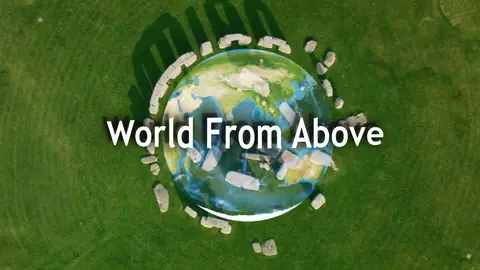 World From Above15 episodes · 30 min each
- What it is about
- A series that looks at the world from high up, like a bird. You see volcanic islands, coasts, island groups, and cities in many countries, such as Italy, England, and Spain.
- Before you watch
- From way up high, houses and trees look tiny. Notice what you can see.
- Ask after watching
- What did you like? Where would you like to go?
- Try it
- Draw your house or school yard as if you were looking down from above. Let a grown-up guess where it is.
- Talk about it at home
- What do we see when we climb somewhere high near our home? Did our grandparents ever go up somewhere high?
67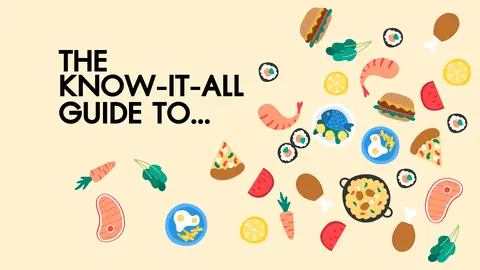 The Know it all guide to7 episodes · 30 min each
- What it is about
- A series about one food at a time, like cheese, bread, cookies, chocolate, coffee, and ice cream. It shows how each is made, its history, and facts you did not know.
- Skills practiced
- Media literacy, Critical thinking
- Before you watch
- Notice how they make the food.
- Ask after watching
- What did you see that you like? How did you feel?
- Try it
- Help a grown-up make something very easy, like shaping dough, washing vegetables, or picking leaves. Tell us your favorite part.
- Talk about it at home
- What do we eat often at our home? What did our grandparents like to eat most?