DOXZILLA LEARNING
Ages 6 to 8: why did they do that?
At this age, children practise saying what they see and guessing why. A wrong guess is half the fun, and a child who writes slowly can draw or tell the answer instead. Pick a film, watch it together, then ask one question and listen.
273 titles · 1,146 episodes suited to this age
Reading each title
Each title tells you what it is about, which skills it practices, what to say before you watch, one question to ask after, something to try, and a question for the family. Start tonight at home.
Prep levels for tough scenes
Each title has a number from 0 to 3 that tells you how much to prepare before your child watches. It helps you decide faster. It does not say whether a film is good or bad.
- 0
- No scenes to prepare for. Press play.
- 1
- A short, mild scene. Know it is there, and be ready to answer briefly if your child asks.
- 2
- Scenes that may upset or sadden a child. Watch that part first, tell your child ahead of time, and stay close.
- 3
- Heavy, graphic or long scenes. Watch it yourself first, decide with your child, watch together, and talk afterward.
The level comes from the episode summaries and is a first guide. You can always watch the opening first and stop at any time. If the story is close to your child’s own life, treat it as one level higher.
1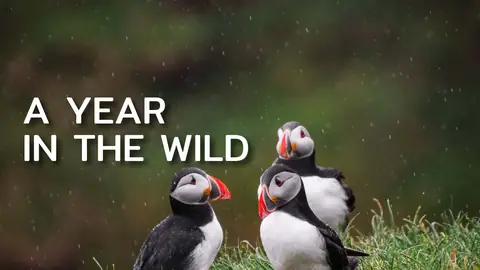 A Year in the Wild3 episodes · 60 min eachPrep 1
- What it is about
- This series follows the wild in Africa through one full year, from the hot season to the rains and into the cooler months. See how animals change their lives with the seasons. The summer part visits the Okavango Delta, where water flows into the desert.
- Skills practiced
- Critical thinking
- Before you watch
- Some scenes show animals hunting. If that feels upsetting, tell me. Notice what the animals do when the rain comes.
- Ask after watching
- How do the animals act differently when there is lots of water and when there is little? What did you see?
- Try it
- Go outside to a tree or a patch of grass near home. Draw something that is changing with the season, like leaves, bugs, or birds.
- Talk about it at home
- When the seasons change at our home, what does everyone do differently? How did the rainy and dry seasons change life for our grandparents when they were kids?
- Heads up
- Animals hunting each other, Death
2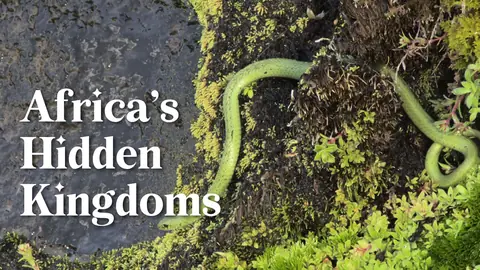 Africa's Hidden Kingdoms6 episodes · 60 min eachPrep 1
- What it is about
- This series visits lesser-known corners of Africa, from tall mountain peaks and desert flowers in bloom to forests and beaches. The Namaqualand part explores a dry land in the west where rain falls only a few times a year.
- Skills practiced
- Critical thinking, Global citizenship
- Before you watch
- This film is set in the desert. Notice where the animals find water. A few scenes show animals hunting. If that feels upsetting, tell me.
- Ask after watching
- How do animals live where it is very dry? What surprised you?
- Try it
- Put soil or sand in a tray and drip a little water on it. Watch where the water goes. Then draw where a small animal could find water.
- Talk about it at home
- Has our home ever been so dry that we had to save water? How did our grandparents find water when they were kids?
- Heads up
- Animals hunting each other, Death
3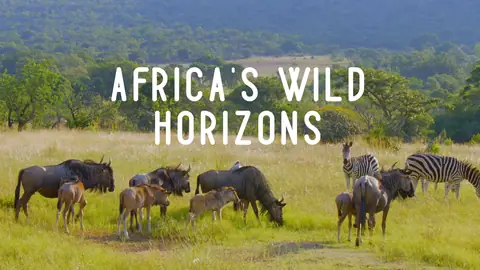 Africa's Wild Horizons6 episodes · 60 min eachPrep 1
- What it is about
- This series visits places across Africa, from ancient lands and a meteorite crater to the Kalahari Desert and Ngorongoro. The first part explores an ancient land in Limpopo, rich in water and animals.
- Skills practiced
- Critical thinking
- Before you watch
- Notice where the animals gather in this film. What is in that spot?
- Ask after watching
- Why do you think the animals come together there? What is your guess?
- Try it
- Find a spot at school where lots of bugs or birds gather. Look for what draws them, like water, trees, or food.
- Talk about it at home
- Is there a place near our home where lots of animals gather? Do our grandparents know a place like that?
- Heads up
- Animals hunting each other, Death
4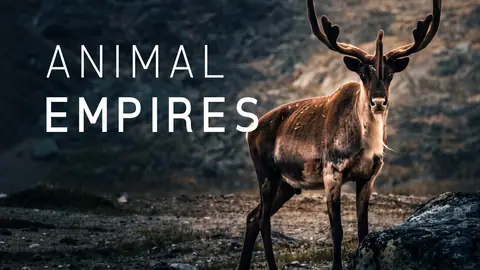 Animal Empires6 episodes · 60 min eachPrep 1
- What it is about
- This series visits the kingdoms of many animals, from animals that raise their young and animals once close to disappearing, to animals that adapt to new homes. The Family part meets newborn monkeys, flamingos, and dugongs.
- Skills practiced
- Critical thinking, Global citizenship
- Before you watch
- Notice what the mothers and babies do together.
- Ask after watching
- What do the baby animals do that you did too when you were little?
- Try it
- Act out a mother animal and her baby. Ask a friend to guess the animal from how you move.
- Talk about it at home
- Who took care of us when we were little? What did our grandparents learn from their parents when they were kids?
- Heads up
- Animals hunting each other, Death
5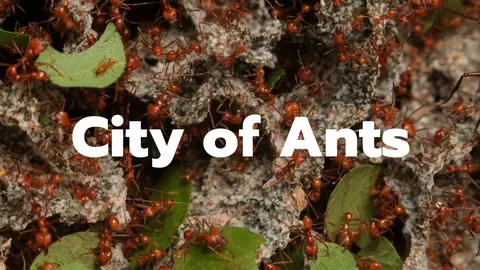 City of Ants1 episode · 60 min eachPrep 1
- What it is about
- This film is about ants, the most numerous insects in the world. They live together in big colonies and have amazing strength and skills.
- Skills practiced
- Communication and teamwork
- Before you watch
- Notice how the ants work together.
- Ask after watching
- Ants are tiny. What can they do that you never expected?
- Try it
- Go outside and find ants on the schoolyard or near home. Put down a tiny crumb. Sit and watch how the ants come and how many show up.
- Talk about it at home
- Do we have ants at our home? What did our grandparents do to keep ants away?
- Heads up
- Animals hunting each other, Death, Fighting
6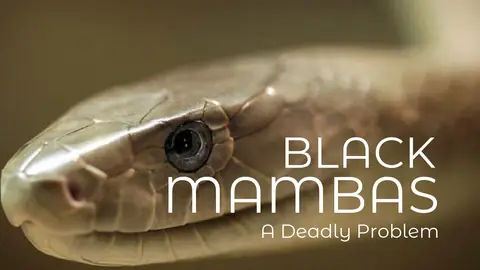 Black Mambas A Deadly Problem1 episode · 60 min eachPrep 1
- What it is about
- This film is about the black mamba, a fast snake with strong venom that fights back when it feels threatened. Many people have been hurt by its bite.
- Skills practiced
- Media literacy
- Before you watch
- This film shows venomous snakes and danger. If you feel scared, tell me. Notice what the people do when they meet a snake.
- Ask after watching
- How do the people in the film feel about snakes? Why do you think they feel that way?
- Try it
- With a grown-up, talk through what we would do if we saw a snake: stay calm, step back slowly, never touch it, and tell a grown-up. Practice the steps together.
- Talk about it at home
- Have we ever found a snake at our home? How did our grandparents handle snakes?
- Heads up
- Animals hunting each other, Death, Scary scenes
7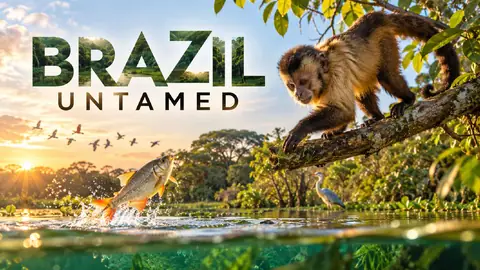 Brazil Untamed9 episodes · 60 min eachPrep 1
- What it is about
- This series visits the forests and wetlands of Brazil, with monkeys, birds, wild pigs, jaguars, wildcats, capybaras, and giant otters. In the primates part, capuchin monkeys teach their babies to use tools.
- Skills practiced
- Critical thinking, Communication and teamwork
- Before you watch
- Some parts show predators eating other animals. If that feels upsetting, tell me. Notice how the animals in the forest take care of each other.
- Ask after watching
- What do the baby animals in the film learn from their parents?
- Try it
- Act out an animal from the film and ask a friend to guess. Then think about what that animal eats and where it lives.
- Talk about it at home
- What did we learn from people at home when we were little? Can our grandparents tell us what they learned from their parents?
- Heads up
- Animals hunting each other
8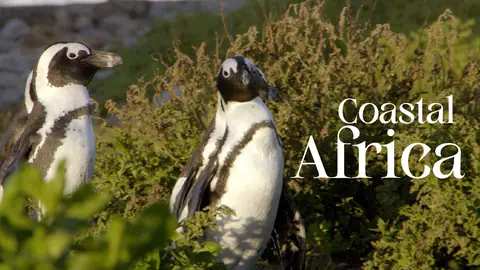 Coastal Africa4 episodes · 60 min eachPrep 1
- What it is about
- This series visits the coast of southern Africa, with rocky shores, the Indian Ocean, coastal forests, and an island with penguins. The giant waves part looks at the animals living on a rocky beach.
- Skills practiced
- Critical thinking
- Before you watch
- Notice how the animals by the sea hold on or hide when the waves come.
- Ask after watching
- If you were a tiny animal by the sea, where would you cling so the waves could not sweep you away?
- Try it
- If you are near the sea or a river, go with a grown-up and look at the rocks by the water to see what is stuck to them. Stay well back from the water's edge. If not, draw it from your imagination.
- Talk about it at home
- Has anyone at our home been to the sea or a river? Can our grandparents tell us about people who made a living from the water?
- Heads up
- Animals hunting each other
9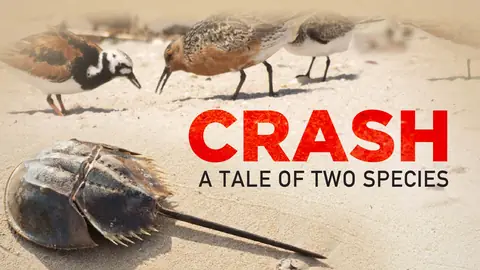 Crash A Tale Of Two Species1 episode · 60 min eachPrep 1
- What it is about
- This film is about ancient animals, millions of years old, that come out of the sea under a full moon. It follows how they have survived for more than 350 million years.
- Skills practiced
- Critical thinking
- Before you watch
- Notice what time of night the animals come out of the sea.
- Ask after watching
- Why do you think these animals come out when the moon is full? What is your guess?
- Try it
- On a nice moonlit night, step outside with a grown-up to look at the moon. Then draw how it would feel to be a sea animal.
- Talk about it at home
- Do we have any stories about the moon at our home? What can our grandparents tell us?
- Heads up
- Animals hunting each other
10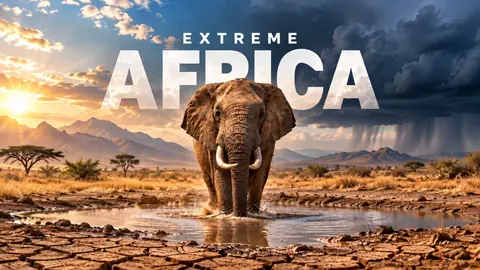 Extreme Africa6 episodes · 60 min eachPrep 1
- What it is about
- This series visits the most extreme places in Africa, from high mountains and lakes to mountain ranges, deserts, and oases. The Dragon Mountain part explores the peaks of the Drakensberg.
- Skills practiced
- Critical thinking
- Before you watch
- Notice what the weather is like in each place: hot, cold, dry, or wet.
- Ask after watching
- What do the animals do about that kind of weather? What did you see?
- Try it
- Pretend to be an animal in a very hot place. Think up a way or a pose to cool yourself down, and ask a friend to guess.
- Talk about it at home
- How do we stay comfortable at our home in hot or cold weather? How did our grandparents do it when they were kids?
- Heads up
- Animals hunting each other
11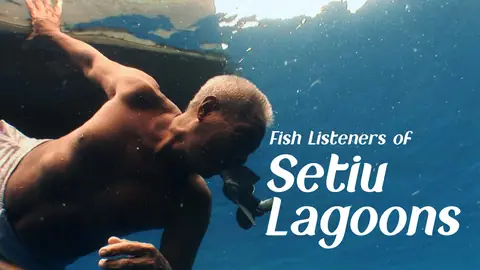 Fish Listeners of Setiu Lagoons1 episode · 60 min eachPrep 0
- What it is about
- This film is about a traditional fisherman in Malaysia who finds fish by listening for their sounds. He is the last man still using this method, which he learned from those before him, and it is fading away.
- Skills practiced
- Global citizenship
- Before you watch
- Listen closely. What does the old fisherman hear under the water?
- Ask after watching
- If this way of fishing disappears, what do you think will happen?
- Try it
- Play a listening game with friends. Close your eyes and guess where a sound comes from or what made it.
- Talk about it at home
- Is there an old way of doing things at our home that is fading away? Did our grandparents do anything like that?
12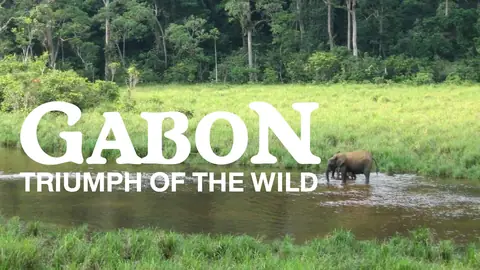 Gabon - Triumph of the Wild1 episode · 60 min eachPrep 1
- What it is about
- This film goes into the thick forest of Gabon in central Africa, a forest almost no one has reached. Life of every kind lives together there in surprising ways.
- Skills practiced
- Global citizenship
- Before you watch
- Notice which animals in the forest you have never seen before.
- Ask after watching
- Which animal surprised you the most? Why?
- Try it
- Find a big tree near home. Sit and watch for small animals around it. Draw what you see.
- Talk about it at home
- Is there a forest near our home? Can our grandparents tell us stories about forests?
- Heads up
- Animals hunting each other, Fighting
13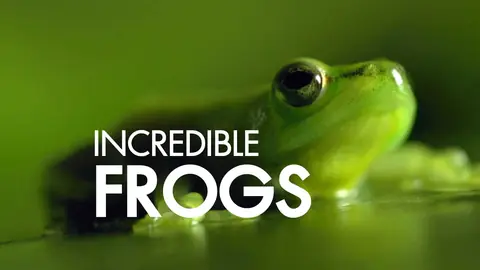 Incredible Frogs1 episode · 60 min eachPrep 1
- What it is about
- This film shows how amazing frogs are, from frogs that blend into their surroundings and tree frogs that glide down from high places to frogs that come back to life after freezing cold.
- Skills practiced
- Critical thinking
- Before you watch
- Notice how each frog hides or moves.
- Ask after watching
- Which frog surprised you the most?
- Try it
- If it is rainy or damp outside, look for frogs or small animals near home and draw what you see. If you find none, draw the frog you think hides best.
- Talk about it at home
- Do frogs sing near our home when it rains? Did our grandparents ever catch or eat frogs? Ask them to tell us.
- Heads up
- Animals hunting each other
14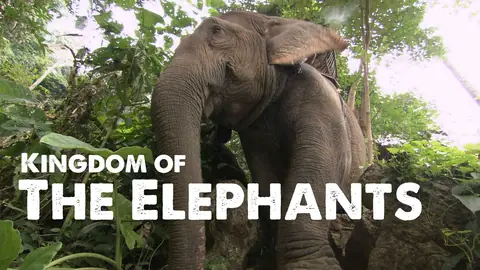 Kingdom of the Elephants1 episode · 60 min eachPrep 1
- What it is about
- This film follows Karen people who moved to Thailand and live with elephants as mahouts. A young girl is just starting to train as a mahout. The elephant bonds with the family like one of its members.
- Skills practiced
- Global citizenship
- Before you watch
- As you watch, notice how the kids in the film care for the elephant. If anything feels upsetting, tell me.
- Ask after watching
- If you were an elephant, what would you want the person who cares for you to do?
- Try it
- Draw an elephant with the person who takes care of it. Show how the elephant feels, then tell a grown-up why you drew it that way.
- Talk about it at home
- Did our grandparents ever see elephants when they were kids? If so, how did elephants live with people?
- Heads up
- Animals hunting each other
15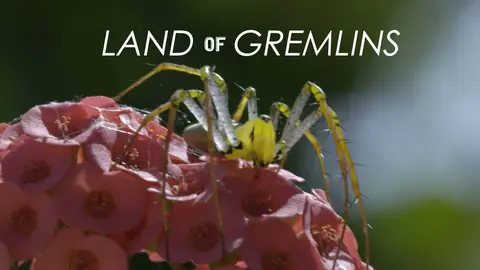 Land of Gremlins3 episodes · 60 min eachPrep 1
- What it is about
- This series visits Madagascar, an ancient island of unusual animals, including lemurs, reptiles, and cold-blooded hunters. The first part watches indri lemurs in a park.
- Skills practiced
- Critical thinking
- Before you watch
- Notice how the lemurs move and call. A few scenes show animals hunting. If that feels upsetting, tell me.
- Ask after watching
- What do the lemurs do that is like something you do?
- Try it
- Copy the way a lemur walks or jumps and ask a friend to guess. Try making the calls you heard.
- Talk about it at home
- Do any animals near our home make strange sounds? Can our grandparents tell us about animals that call at night?
- Heads up
- Animals hunting each other
16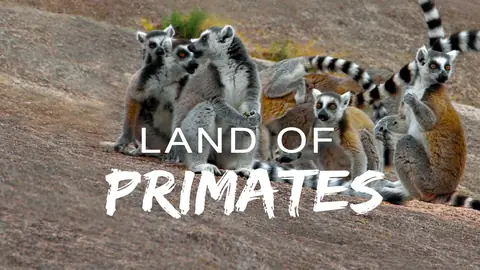 Land of Primates7 episodes · 60 min eachPrep 1
- What it is about
- This series follows many kinds of monkeys and primates, from lemurs in Madagascar and baboons in Africa to red colobus monkeys in Zanzibar. The ring-tailed lemur part looks at life in a troop.
- Skills practiced
- Communication and teamwork, Critical thinking
- Before you watch
- Notice what the monkeys in the group do together.
- Ask after watching
- How do the monkeys in the group help each other? What did you see that is like a family?
- Try it
- Try acting without talking. Ask a friend to guess what you are saying, just like monkeys signaling to each other.
- Talk about it at home
- In our family, who does what job? How did our grandparents' families help each other when they were kids?
- Heads up
- Animals hunting each other, Death, Fighting
17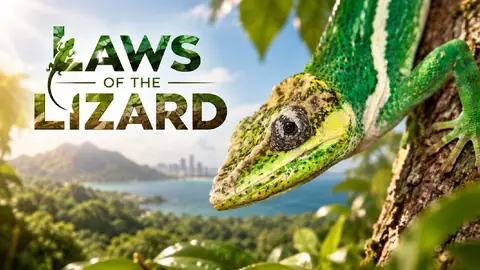 Laws of the Lizard1 episode · 60 min eachPrep 1
- What it is about
- This film follows many kinds of lizards, with special features and skills that help them get through a changing world.
- Skills practiced
- Critical thinking
- Before you watch
- Notice what is special about each lizard, like its color, tongue, or tail.
- Ask after watching
- Which lizard seems the strangest to you? Why?
- Try it
- Look for a lizard or gecko near home. Watch its color and how it moves, then draw what you see.
- Talk about it at home
- Do we have geckos at our home? Do our grandparents have stories about these animals?
- Heads up
- Animals hunting each other
18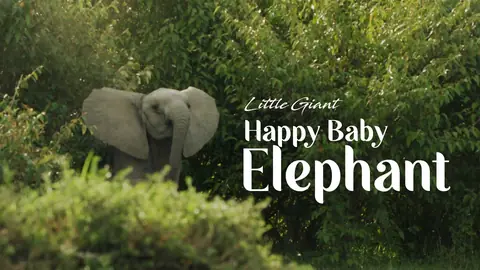 Little Giant - Happy Baby Elephant1 episode · 60 min eachPrep 1
- What it is about
- This film follows a baby elephant and its family as they get through the dry season and danger from predators, searching for water and food when the rain does not come.
- Skills practiced
- Emotional intelligence
- Before you watch
- Some parts show the baby elephant having a hard time, and that can feel sad. If it does, tell me. Notice how the family cares for the baby.
- Ask after watching
- How do you think the baby elephant feels when it is hungry and thirsty? What did you see that makes you think so?
- Try it
- Draw a baby elephant with its family. Tell us how each elephant is helping the baby.
- Talk about it at home
- Who helped us when times were hard? Were our grandparents ever short of water or food when they were kids?
- Heads up
- Animals hunting each other, Death
19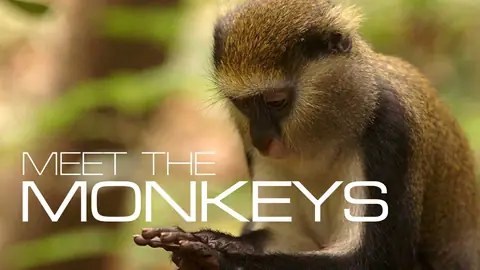 Meet The Monkeys1 episode · 60 min eachPrep 1
- What it is about
- This film is about crested black macaques on the island of Sulawesi. They are clever, quick learners, small but full of charm.
- Skills practiced
- Critical thinking
- Before you watch
- Notice the faces and moves the monkeys make.
- Ask after watching
- Which monkey made you smile or surprised you?
- Try it
- Play a faces game. Make a happy, sad, or angry face and ask a friend to guess.
- Talk about it at home
- Is there an animal at our home that makes everyone smile? Ask our grandparents to tell us a funny animal story.
- Heads up
- Animals hunting each other
20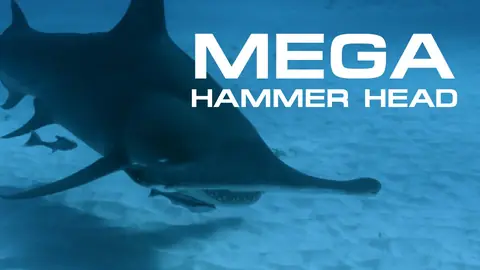 Mega Hammer Head1 episode · 60 min eachPrep 1
- What it is about
- This film follows shark researchers as they attach tracking tags to giant hammerhead sharks to learn about their lives.
- Skills practiced
- Critical thinking
- Before you watch
- Notice what the researchers do with the sharks. Some scenes show a shark hunting. If that feels upsetting, tell me.
- Ask after watching
- Why do you think the researchers put a tag on a shark? What is your guess?
- Try it
- Play researcher. One friend is the shark and walks around the room while you write down where they go.
- Talk about it at home
- Does anyone at our home keep track of something, like the weather or the rice plants? Can our grandparents tell us?
- Heads up
- Animals hunting each other
21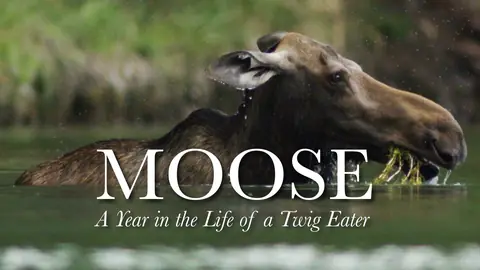 Moose a Year in the Life of a Twig Eater1 episode · 60 min eachPrep 1
- What it is about
- This film introduces moose in the Canadian Rockies. It follows a one-year-old calf that must learn about life and grow up.
- Skills practiced
- Emotional intelligence
- Before you watch
- Notice what the young moose does in each season.
- Ask after watching
- What hard things does the young moose face, and how does it feel? What do you think?
- Try it
- Draw the young moose in different seasons. Then tell a grown-up what the moose is doing in each picture.
- Talk about it at home
- When we were very little, what was hard for us? What was the first thing our grandparents learned when they were kids?
- Heads up
- Animals hunting each other, Death
22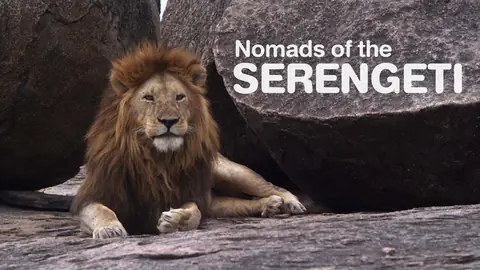 Nomads of the Serengeti3 episodes · 60 min eachPrep 1
- What it is about
- This series follows animal journeys in the Serengeti, from wildebeest migrating across the Mara River and elephants in a volcano crater to Mount Kilimanjaro, chimpanzees, and the Maasai people.
- Skills practiced
- Critical thinking
- Before you watch
- Some scenes show animals crossing a dangerous river. If that feels upsetting, tell me. Try counting how many kinds of animals you see.
- Ask after watching
- Where are the animals going? What is your guess about why?
- Try it
- Walk in a line with friends and play a herd that must stay together. Wait for whoever is slow, then talk about how it felt.
- Talk about it at home
- Have we ever moved or traveled far? Can our grandparents tell us about long trips they took?
- Heads up
- Animals hunting each other, Death
23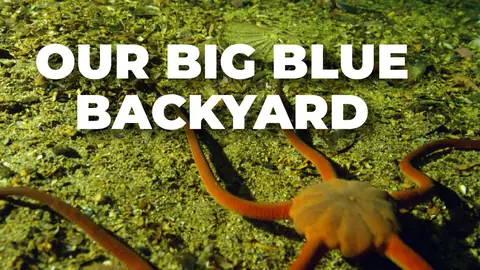 Our Big Blue Backyard3 episodes · 60 min eachPrep 1
- What it is about
- This series visits the sea and islands of New Zealand, including a volcanic peninsula, the Chatham Islands, Fiordland, and volcanic islands.
- Skills practiced
- Critical thinking
- Before you watch
- Notice the kinds of places in the film, like mountains, islands, and sea. Where do the animals live?
- Ask after watching
- Which place in the film did you like best? Why?
- Try it
- Build an island from soil or sand. Add mountains and sea, then tell us where your animal lives.
- Talk about it at home
- Do we have a favorite place to go? What places did our grandparents love when they were kids?
- Heads up
- Animals hunting each other, Death
24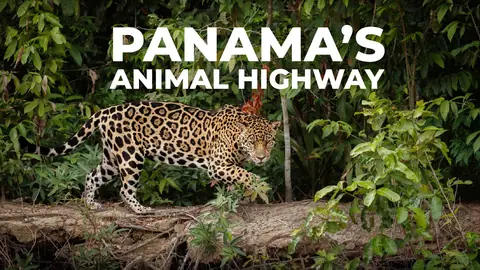 Panama's Animal Highway1 episode · 60 min eachPrep 1
- What it is about
- This film goes into the rainforest of Panama, where the forest is under threat. It follows jaguars and other animals that must travel through the trees to find food and mates.
- Skills practiced
- Global citizenship
- Before you watch
- Notice how the animals travel through the forest. A few scenes show animals hunting. If that feels upsetting, tell me.
- Ask after watching
- What would happen to the animals if a road cut through the forest? What do you think?
- Try it
- Make an animal path from paper or stones in the yard. Then imagine something blocking it. Which way would the animal go?
- Talk about it at home
- Is there a road or building near our home that cuts across where animals walk? Can our grandparents tell us how animals have changed?
- Heads up
- Animals hunting each other
25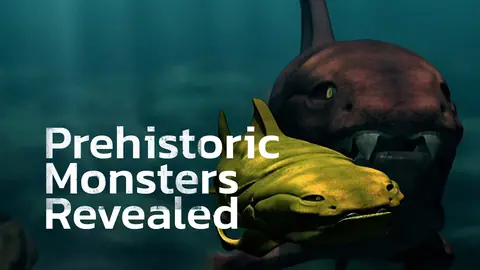 Prehistoric Monsters Revealed1 episode · 90 min eachPrep 1
- What it is about
- This film is about dinosaurs from different times that adapted to become great hunters, and about a huge mass extinction.
- Skills practiced
- Critical thinking
- Before you watch
- Notice how each dinosaur is different. Some scenes show dinosaurs hunting. If that feels upsetting, tell me.
- Ask after watching
- Which dinosaur would you most like to meet? Why?
- Try it
- Make a dinosaur from clay or paper. Tell us what it eats and where it lives.
- Talk about it at home
- Have we ever seen an old bone or a rock that looks ancient? Did our grandparents ever tell us about ancient animals?
- Heads up
- Animals hunting each other, Death, Scary scenes
26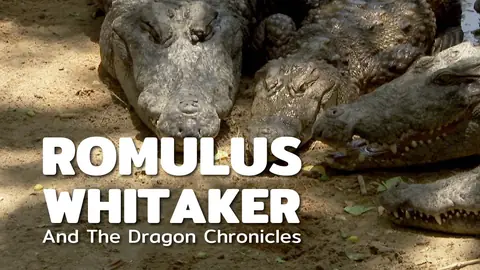 Romulus Whitaker And The Dragon Chronicles1 episode · 60 min eachPrep 1
- What it is about
- This film follows explorer Romulus as he searches for where dragon stories came from, and finds a real animal, the Komodo dragon, that faces danger today.
- Skills practiced
- Critical thinking
- Before you watch
- Notice what Romulus does when he meets a big animal. Some scenes show animals hunting. If that feels upsetting, tell me.
- Ask after watching
- What does Romulus do when he meets the Komodo dragon? How did you feel watching?
- Try it
- Draw a dragon from your imagination. Then draw a real animal that looks like a dragon. How are they different?
- Talk about it at home
- Do we have stories about dragons or nagas at our home? Can our grandparents tell us?
- Heads up
- Animals hunting each other, Scary scenes
27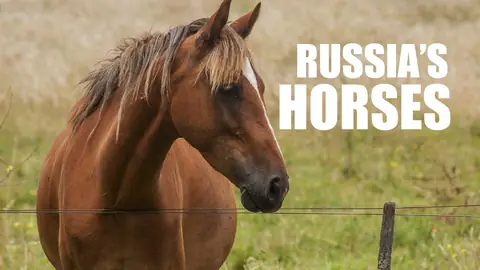 Russia's Horses5 episodes · 60 min eachPrep 0
- What it is about
- This series shows the bond between people and horses in Russia, from Bashkir people who depend on horses and the return of the honor guard cavalry to horse breeding and horses in cold regions.
- Skills practiced
- Global citizenship, Emotional intelligence
- Before you watch
- Notice how the people in the film take care of their horses.
- Ask after watching
- How do the people and horses help each other? What did you see that makes you think so?
- Try it
- Draw a working animal you know, like a water buffalo or an elephant. Tell a grown-up how that animal helps.
- Talk about it at home
- Have we or our neighbors had animals that help with work? Can our grandparents tell us about water buffalo or cows?
28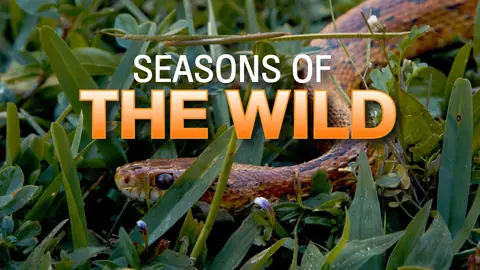 Seasons of the Wild2 episodes · 60 min eachPrep 1
- What it is about
- This series follows wildlife in Everglades National Park in Florida, in both the dry season and the rainy season.
- Skills practiced
- Critical thinking
- Before you watch
- Notice how the water looks different in the dry and wet seasons. A few scenes show animals hunting. If that feels upsetting, tell me.
- Ask after watching
- What do the animals do differently in the dry season and the rainy season?
- Try it
- Draw two pictures. In the first, there is little water. In the second, there is lots of water. Add the animals you saw.
- Talk about it at home
- What do we do differently at our home in the dry and rainy seasons? What did our grandparents do when they were kids?
- Heads up
- Animals hunting each other
29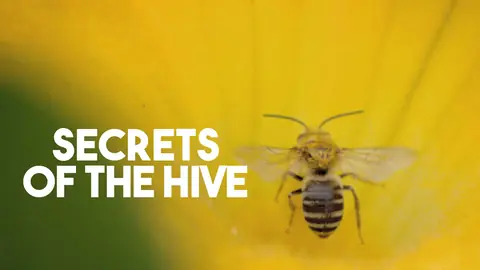 Secrets of the Hive1 episode · 60 min eachPrep 0
- What it is about
- This film looks at a shortage of bees on farms that need insects to pollinate crops, and the scientists studying what is causing it.
- Skills practiced
- Critical thinking
- Before you watch
- Notice how the bees in the hive work together.
- Ask after watching
- If the bees disappeared, what would happen to flowers and our food? What do you think?
- Try it
- Play bees in a hive. Share the jobs: finding nectar, guarding the hive, caring for the young. Then talk about what happens if one job is missing.
- Talk about it at home
- Do we eat honey or fruit that needs bees? Did our grandparents ever see a beehive?
30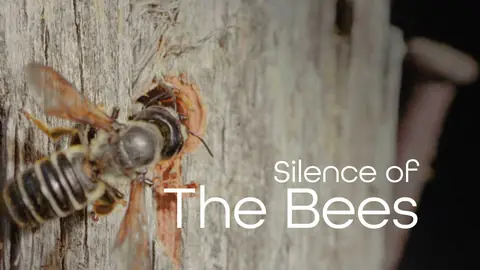 Silence of The Bees1 episode · 60 min eachPrep 1
- Good to know before watching
- So many bees disappearing can worry some children about their food. Tell them scientists are working together to find the cause, and that we can help bees by planting flowers.
- What it is about
- In 2006, millions of bees in the United States vanished from their hives without a trace. Crops that need bees to pollinate were hurt. Scientists around the world worked together to find the cause.
- Skills practiced
- Critical thinking
- Before you watch
- Many bees die in this film. If that makes you sad, tell me. Notice how bees help plants.
- Ask after watching
- If there were no bees, what would gardens full of vegetables and fruit look like? What do you think?
- Try it
- Go look at flowers near home. Sit for ten minutes and watch which insects visit. Then ask a grown-up or teacher to help you find out what scientists have learned about bees lately. Do not touch the bees.
- Talk about it at home
- When our grandparents were kids, were there lots of bees or insects at the flowers at our home? Is it the same now, or different?
- Heads up
- Animals hunting each other, Death
31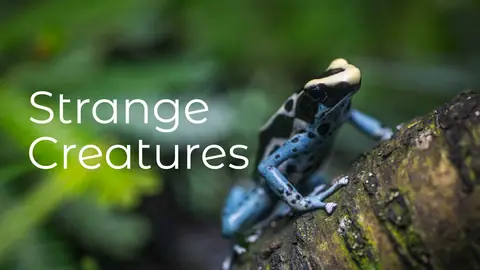 Strange Creatures7 episodes · 30 min eachPrep 1
- What it is about
- This series looks at many strange animals, from grasshoppers with odd ways of defending themselves and tricky birds to wolf eels, blue beetles, capybaras, scorpions, and a dinosaur called T. rex.
- Skills practiced
- Critical thinking, Media literacy
- Before you watch
- Notice what is strange about each animal and how it helps.
- Ask after watching
- How does the strange part of an animal help it? What is your guess?
- Try it
- Pick one strange animal from the film. Act it out and ask a friend to guess which one it is.
- Talk about it at home
- Do we have a small animal at our home that looks odd but is very good at something? What do our grandparents know about such animals?
- Heads up
- Animals hunting each other, Death
32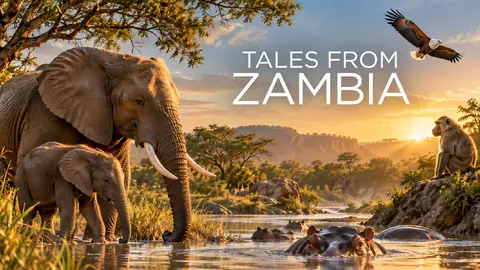 Tales from Zambia11 episodes · 60 min eachPrep 1
- What it is about
- This series visits the Luangwa Valley in Zambia and follows elephants, hippos, baboons, lions, birds, and many more animals through the year, in the dry and rainy seasons. One part meets a troop of about 80 baboons by the river.
- Skills practiced
- Critical thinking, Emotional intelligence
- Before you watch
- Some parts show animals hunting or baby animals struggling. If that feels upsetting, tell me. Notice what the animals in the group do together.
- Ask after watching
- How do the animals in the group take care of each other? What did you see that is like friends or family?
- Try it
- Watch the groups of friends in your class. Notice who likes to do what together. Then draw how they are like an animal group.
- Talk about it at home
- Who in our family looks after other people? Did our grandparents tell us about villagers helping each other?
- Heads up
- Animals hunting each other, Death, Fighting
33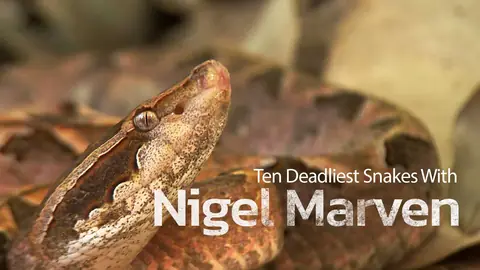 Ten Deadliest Snakes With Nigel Marven5 episodes · 60 min eachPrep 1
- What it is about
- This series follows Nigel Marven as he ranks venomous snakes in places such as Malaysia, Australia, India, Europe, the Philippines, Brazil, Mexico, and Arabia.
- Skills practiced
- Critical thinking
- Before you watch
- This film has venomous snakes. If you feel scared or upset, tell me. Notice how the explorer acts when he meets a snake.
- Ask after watching
- What do the people in the film do to stay safe? What did you see?
- Try it
- Practice with a grown-up what to do if you see a snake: stay calm, back away slowly, do not touch it, and tell a grown-up.
- Talk about it at home
- Have we ever found a snake at our home? How did our grandparents handle snakes?
- Heads up
- Animals hunting each other, Death, Scary scenes
34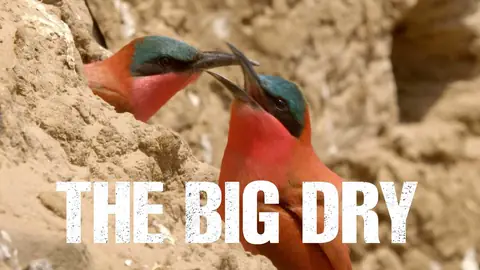 The Big Dry1 episode · 60 min eachPrep 1
- What it is about
- This series follows the dry season in Zambia's Luangwa Valley, from scorching heat to the arrival of rain and the start of hard times.
- Skills practiced
- Critical thinking
- Before you watch
- Some parts show animals struggling and even dying. If that feels upsetting, tell me. Notice how the animals look for water.
- Ask after watching
- How do the animals show they are happy when the rain comes? What did you see?
- Try it
- Play a water-finding game. Hide a cup of water in the yard and let friends follow clues to it. Then talk about how it would feel to not find water.
- Talk about it at home
- At our home, what does everyone do when rain comes after a long dry time? How did our grandparents celebrate when they were kids?
- Heads up
- Animals hunting each other, Death
35 The Secret Creatures of Jao1 episode · 30 min eachPrep 1
- What it is about
- This series follows animals on Jao Island, a wetland in Africa, including a mongoose family, otters, a leopard, and more. In the first part, a mongoose family must find a new home after a leopard attacks. Each animal gets a name and a story of its own.
- Skills practiced
- Emotional intelligence
- Before you watch
- Some scenes show animals hunting. If that feels upsetting, tell me. Notice how the mongooses help each other.
- Ask after watching
- When the mongoose family has to move to a new home, how do you think they feel?
- Try it
- Act out a short play with a friend or sibling. One is a mongoose looking for a new home, the other is a friend who helps. Then tell each other how it felt.
- Talk about it at home
- When our family had to move or faced hard times, who helped us? Did our grandparents go through something like that when they were kids?
- Heads up
- Animals hunting each other, Death
36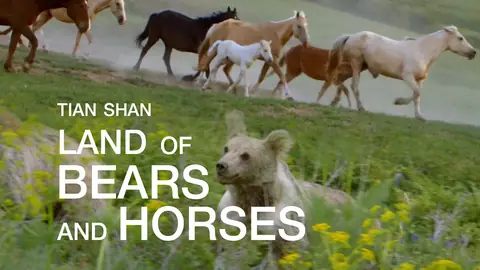 TIAN SHAN - LAND OF BEARS AND HORSES1 episode · 60 min eachPrep 1
- What it is about
- This film follows a mother bear and her two cubs in the Tian Shan valley in southern Kazakhstan, a protected grassland.
- Skills practiced
- Emotional intelligence
- Before you watch
- Notice how the mother bear takes care of her cubs.
- Ask after watching
- What do the cubs do with their mother? How do you think the cubs feel?
- Try it
- Draw a mother bear and her cubs. Give each one a face that shows a feeling, then tell a grown-up about it.
- Talk about it at home
- Who looked after us when we were little, and what did they do for us? How were our grandparents looked after when they were kids?
- Heads up
- Animals hunting each other, Death
37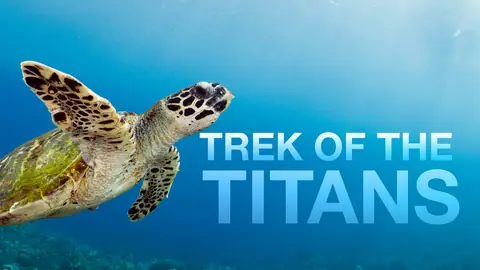 Trek of the Titans1 episode · 60 min eachPrep 1
- What it is about
- This film is about giant sea turtles in the deep parts of the ocean, whose ancestors lived at the same time as dinosaurs, and about the long journey the turtles make.
- Skills practiced
- Critical thinking
- Before you watch
- Notice how the big turtles swim.
- Ask after watching
- Where are the turtles traveling? What do you guess they are going to do?
- Try it
- Pretend to swim like a turtle, then crawl slowly like one. How tired do you get?
- Talk about it at home
- Do we have turtles at our home? Can our grandparents tell us stories about turtles?
- Heads up
- Animals hunting each other, Death
38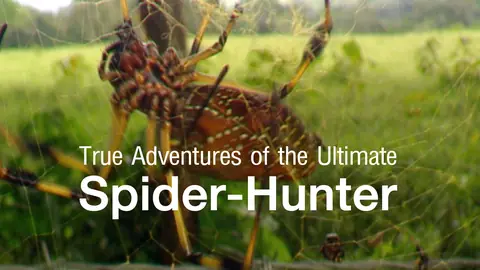 True Adventures of the Ultimate Spider-Hunter1 episode · 60 min eachPrep 1
- What it is about
- This film follows a spider expert as he travels to find many kinds of spiders and learn about their lives and the stories around them.
- Skills practiced
- Media literacy
- Before you watch
- This film has many kinds of spiders. If that feels upsetting, tell me. Notice what the spider expert does when he finds a spider.
- Ask after watching
- How does the spider expert feel about spiders? How do you feel?
- Try it
- Look for spider webs in the house or yard without touching them. Then draw the shape of the web.
- Talk about it at home
- Do we have spiders at our home? What beliefs or stories do our grandparents have about spiders?
- Heads up
- Animals hunting each other, Scary scenes
39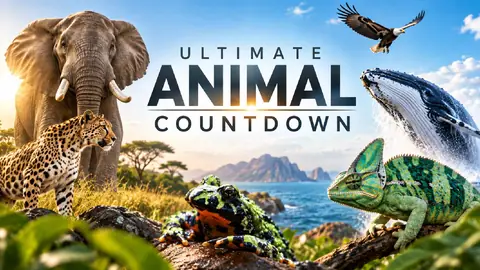 Ultimate Animal Countdown2 episodes · 60 min eachPrep 1
- What it is about
- This series counts down ten animals in each group, such as attackers, defenders, fighters, smelly animals, and venomous animals. In the Defense part, see how animals survive in tough places.
- Skills practiced
- Critical thinking
- Before you watch
- Many animals in this series hunt or defend themselves. If that feels upsetting, tell me. Notice how each animal protects itself.
- Ask after watching
- Which animal has the strangest way of protecting itself? What do you think?
- Try it
- Play a defense game with friends. Think up the moves each animal uses and ask a friend to guess.
- Talk about it at home
- Is there a small animal at our home that has a way to protect itself? Have our grandparents seen it?
- Heads up
- Animals hunting each other, Death
40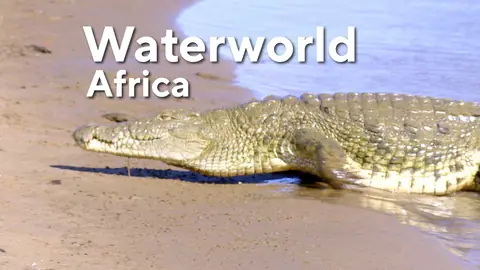 Waterworld Africa8 episodes · 60 min eachPrep 1
- What it is about
- This series looks at water in Africa and the animals that depend on it, from mangrove forests and a desert oasis to penguins, the Chobe River, and the sources of rivers and wetlands.
- Skills practiced
- Critical thinking, Global citizenship
- Before you watch
- Notice where the water is and who comes to use it.
- Ask after watching
- What do the animals do when they come to the water? What did you see?
- Try it
- With a grown-up, find a water spot near home or school and sit watching who comes to use it. Stay well back from the water's edge. Draw what you see.
- Talk about it at home
- Where does the water at our home come from? Can our grandparents tell us about water sources long ago?
- Heads up
- Animals hunting each other, Death
41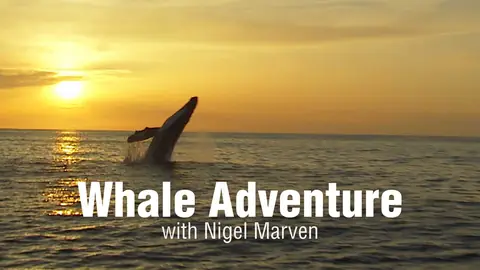 Whale Adventure with Nigel Marven4 episodes · 60 min eachPrep 1
- What it is about
- This series follows Nigel Marven as he swims and travels with gray whales migrating north to Alaska, passing California.
- Skills practiced
- Critical thinking, Emotional intelligence
- Before you watch
- Notice how the mother whale and her baby swim.
- Ask after watching
- The whales travel very far. How do you think they feel?
- Try it
- Draw the whales' route from south to north. Add what they meet along the way.
- Talk about it at home
- Have we ever taken a long trip? Can our grandparents tell us about a long journey they took as kids?
- Heads up
- Animals hunting each other, Death
42 Wild About New Zealand6 episodes · 60 min eachPrep 0
- What it is about
- This series explores the nature of New Zealand, from forests, mountains, and glaciers to marine parks and Tongariro volcano.
- Skills practiced
- Critical thinking, Global citizenship
- Before you watch
- Notice the mountains, water, and forests in the film. Where do the animals live?
- Ask after watching
- How is the place you saw different from where you live?
- Try it
- Look for natural things in the yard, like leaves and stones. Arrange them into a picture on the ground.
- Talk about it at home
- What beautiful nature is near our home? Can our grandparents tell us about a place they loved?
43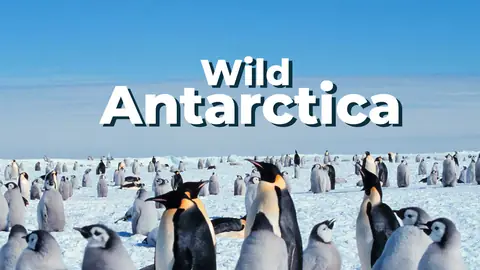 Wild Antarctica1 episode · 60 min eachPrep 1
- What it is about
- This film visits Antarctica, the coldest, driest, and most remote place on Earth. See emperor penguins care for their eggs until the chicks hatch.
- Skills practiced
- Critical thinking
- Before you watch
- Notice how penguin parents take care of their egg in the freezing cold.
- Ask after watching
- If you were somewhere very cold, how would you keep warm?
- Try it
- Wrap a stone or a small ball in cloth and balance it on your feet like a penguin. See how long you can hold it.
- Talk about it at home
- How do we keep warm at our home in cold weather? How did our grandparents do it when they were kids?
- Heads up
- Animals hunting each other, Death
44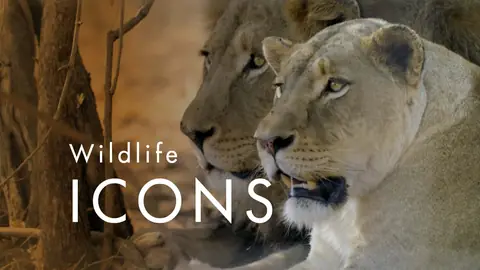 Wildlife Icons5 episodes · 60 min eachPrep 1
- What it is about
- This series features famous African wildlife, from the savanna, meerkats, and dung beetles to big cats, the Big Five, and hyenas and lions that scavenge.
- Skills practiced
- Critical thinking, Communication and teamwork
- Before you watch
- Some scenes show animals hunting. If that feels upsetting, tell me. Notice what each animal does to survive.
- Ask after watching
- Which animal surprised you the most?
- Try it
- Act out an animal from the film and ask a friend to guess it from your moves and sounds.
- Talk about it at home
- Is there a small animal at our home that does an important job, like an earthworm or an ant? Can our grandparents tell us?
- Heads up
- Animals hunting each other, Death, Fighting
45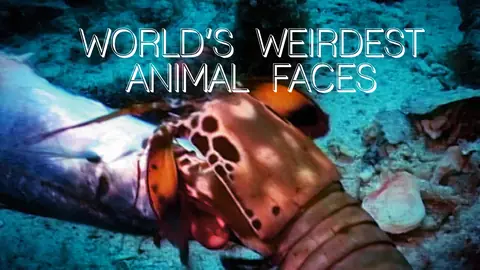 World's Weirdest Animal Faces3 episodes · 60 min eachPrep 1
- What it is about
- This series looks at animals with strange faces from around the world to show that odd faces help animals survive, whether for hiding, hunting underwater, and more.
- Skills practiced
- Critical thinking
- Before you watch
- Notice what each animal's face looks like and how it helps.
- Ask after watching
- Which animal has the strangest face you saw? What can that face do for the animal?
- Try it
- Draw a strange-faced animal you make up. Tell us what its face helps it do.
- Talk about it at home
- Is there an animal at our home with a funny face? Can our grandparents tell us about animals with odd faces?
- Heads up
- Animals hunting each other
46World's Weirdest3 episodes · 60 min eachPrep 1
- What it is about
- This series tells strange animal stories. One part is about people who sneak animals across borders. Another is about tiny pets, like a dog that fits in a baseball glove and the world's smallest horse. The last is about big pets, like water buffalo and giant monitor lizards.
- Skills practiced
- Global citizenship
- Before you watch
- Some animals in this film are taken far from home. If you feel sorry for them, tell me. Notice which animal is smallest and which is biggest.
- Ask after watching
- How do you think a very tiny or very huge animal feels living in a person's home? What would it want?
- Try it
- Draw your dream pet. Then draw a home where it would be comfortable, with things like a bed, food, and room to run.
- Talk about it at home
- What pets have we had at our home? What animals did our grandparents keep when they were kids, and how did they take care of them?
- Heads up
- Animals hunting each other, Death
47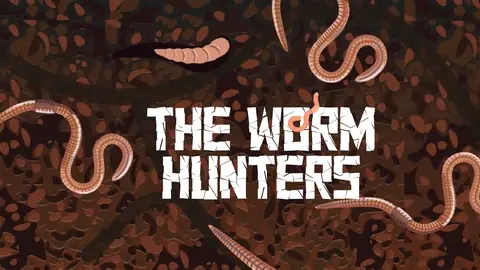 The Worm Hunters1 episode · 60 min eachPrep 0
- What it is about
- This film follows worm hunters around the world as they talk about the problem of worms, which come in thousands of kinds, from Transylvania to Brazil, Estonia, and Australia.
- Skills practiced
- Critical thinking
- Before you watch
- Notice where each kind of worm lives and what it eats.
- Ask after watching
- Why do you think the worms in the film matter to the world? What is your guess?
- Try it
- Dig a shallow hole in the yard and count how many worms or earthworms you find. Draw them and write down what you found. Wash your hands after.
- Talk about it at home
- Do we use earthworms to help plants grow at our home? Did our grandparents ever fish with earthworms?
48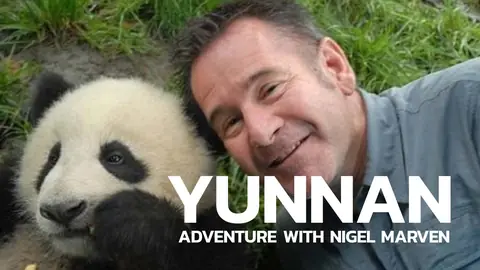 Yunnan Adventure with Nigel Marven1 episode · 60 min eachPrep 1
- What it is about
- This film follows Nigel Marven in Yunnan, China, a kingdom of animals including peacocks, snub-nosed monkeys, giant salamanders, black bears, and red pandas, in the middle of pollution problems.
- Skills practiced
- Critical thinking
- Before you watch
- Notice which animals Nigel meets in the forest.
- Ask after watching
- Which animal would you most like to meet? Why?
- Try it
- Draw an animal you would like to meet in the forest. Tell a grown-up how it lives.
- Talk about it at home
- Do we have a wild animal near our home that people love? Can our grandparents tell us about wild animals they saw?
- Heads up
- Animals hunting each other
49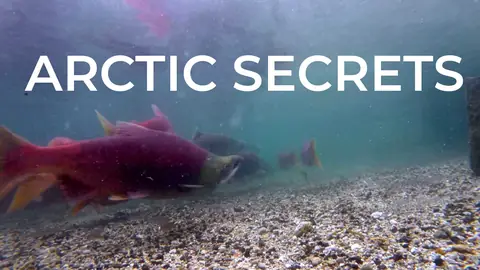 Arctic Secrets1 episode · 60 min eachPrep 1
- What it is about
- This series visits an Arctic that is changing fast, from Hudson Bay and almost empty Devon Island to the long-awaited winter.
- Skills practiced
- Critical thinking
- Before you watch
- Some parts show animals having a hard time in winter. If that feels upsetting, tell me. Notice how animals in the cold stay warm.
- Ask after watching
- How do animals live in the very cold? What did you see?
- Try it
- Hold an ice cube in your hand. Find ways to keep from feeling cold, like wrapping it in cloth. Talk about what helped.
- Talk about it at home
- How do we keep warm at our home in cold weather? What did our grandparents do without heaters?
- Heads up
- Animals hunting each other, Death
50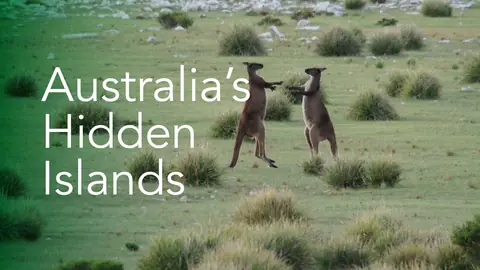 Australia's Hidden Islands3 episodes · 60 min eachPrep 1
- What it is about
- This series visits the hidden islands of Australia, including Lady Elliot Island on the reef, Kangaroo Island, Christmas Island, and Fraser Island, the largest sand island in the world.
- Skills practiced
- Critical thinking
- Before you watch
- Notice which animals live on each island. A few scenes show animals hunting. If that feels upsetting, tell me.
- Ask after watching
- Which island would you most like to visit? Why?
- Try it
- Build an island from sand or soil. Add the animals you want there and tell a friend about it.
- Talk about it at home
- Is there an island or faraway place near our home? Can our grandparents tell us about trips to far places?
- Heads up
- Animals hunting each other, Death, Blood or dissection
51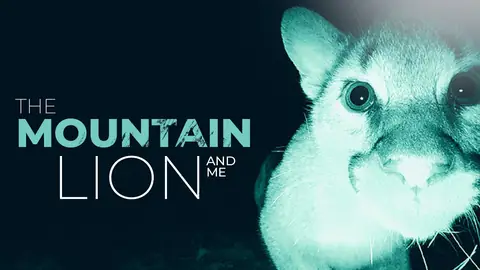 The Mountain Lion and Me1 episode · 60 min eachPrep 1
- What it is about
- This film follows a young photographer who feels close to wildlife in Paradise Valley near Yellowstone. He searches for and watches the life of the secretive mountain lion.
- Skills practiced
- Emotional intelligence
- Before you watch
- Notice what the photographer does when he wants to see wild animals.
- Ask after watching
- What does the photographer do so he does not scare the animals? What did you see?
- Try it
- Play a quiet game in the yard. Sit still for ten minutes and notice what you see or hear. Then draw what you saw.
- Talk about it at home
- Does anyone at our home wait patiently for animals or fish, like someone who fishes? Can our grandparents tell us?
- Heads up
- Animals hunting each other, Death
52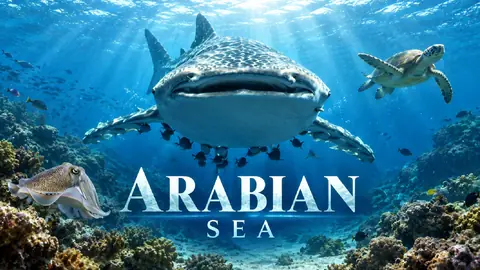 Arabian Sea3 episodes · 60 min eachPrep 1
- What it is about
- This series explores the Arabian Sea in the Indian Ocean, from meat-eating animals and coral reefs full of animals that play tricks to festivals of sea life and the guardians of the reefs in the Gulf of Oman.
- Skills practiced
- Critical thinking
- Before you watch
- Notice how sea animals live with the coral. A few scenes show animals hunting. If that feels upsetting, tell me.
- Ask after watching
- Which sea animal would you most like to swim with?
- Try it
- Draw coral and the animals around it using lots of colors. Tell us who lives with whom.
- Talk about it at home
- Has anyone at our home been to the sea? Can our grandparents tell us about the sea they have seen?
- Heads up
- Animals hunting each other, Death
53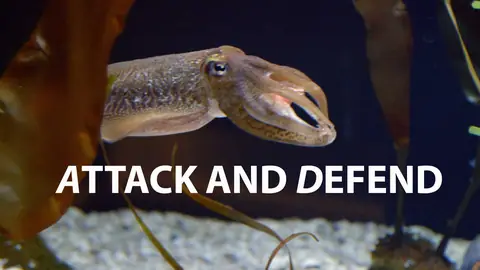 Attack and Defend1 episode · 30 min eachPrep 1
- What it is about
- This series looks at how animals fight and defend themselves, from legendary hunters, hunters of the sky, and insect eaters to cold-blooded hunters, masters of defense, and warriors of the sea.
- Skills practiced
- Critical thinking
- Before you watch
- This series shows animals hunting. If that feels upsetting, tell me. Notice how each animal defends itself.
- Ask after watching
- If you were the prey, how would you run or hide?
- Try it
- Play hide and seek, then talk about which hiding spot was safest and why.
- Talk about it at home
- Do animals at our home have to run from other animals, like mice from cats? Can our grandparents tell us?
- Heads up
- Animals hunting each other
54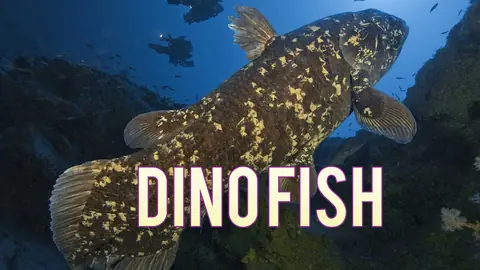 Dino Fish1 episode · 60 min eachPrep 1
- What it is about
- This film follows a team searching for the coelacanth, a rare fish from the age of dinosaurs. Divers take risks in deep water before they find one.
- Skills practiced
- Critical thinking
- Before you watch
- Notice what the team does when they go into deep water.
- Ask after watching
- What about this fish surprised you?
- Try it
- Draw the fish you think lives deepest in the sea. Explain what is special about it.
- Talk about it at home
- Do we have any odd fish at our home? Can our grandparents tell us about an odd fish they found?
- Heads up
- Death
55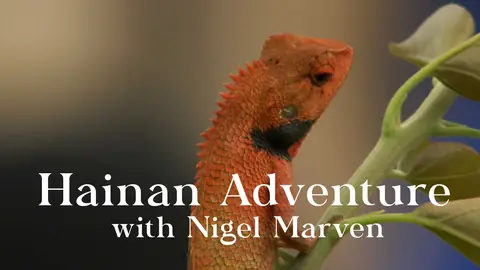 Hainan Adventure with Nigel Marven1 episode · 60 min eachPrep 1
- What it is about
- This film follows Nigel Marven to Hainan, tracing an explorer from the 19th century. He finds many animals, including several kinds of turtles, whale sharks, and macaque monkeys.
- Skills practiced
- Critical thinking
- Before you watch
- Notice which animals Nigel meets on his trip.
- Ask after watching
- Which animal would you most like to meet?
- Try it
- Play explorer. A friend hides animal picture cards in the yard, and you follow the clues to find them.
- Talk about it at home
- Is anyone at our home an explorer? Can our grandparents tell us about places they explored?
- Heads up
- Animals hunting each other
56 Wild Castles4 episodes · 60 min eachPrep 1
- What it is about
- This series visits castles in Europe where wild animals live nearby. The trip includes Heidelberg, a cave castle in Slovenia, the Alhambra in Spain, and Neuschwanstein. See how people and animals share one place.
- Skills practiced
- Critical thinking, Global citizenship
- Before you watch
- Look for the spots in a castle where animals can live, like bats in a cave or birds on a wall.
- Ask after watching
- How do you think the animals ended up living in a castle? What is your guess?
- Try it
- Look for animals living at a temple or an old building near home, like birds, bats, or geckos. Draw each one and show where it lives.
- Talk about it at home
- Do animals live at a temple or an old building in our village? Can our grandparents tell us stories about an old building?
- Heads up
- Animals hunting each other, Scary scenes, Sensitive topics (war, religion, politics)
57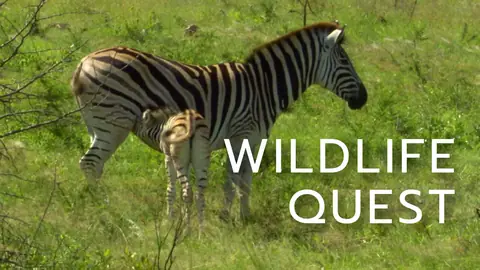 Wildlife Quest6 episodes · 30 min eachPrep 1
- What it is about
- This series goes looking for wild animals in KwaZulu-Natal, South Africa. Each episode follows one kind of animal, such as elephants, rhinos, cheetahs, hippos, penguins, giraffes, leopards, zebras, and lions.
- Skills practiced
- Critical thinking, Emotional intelligence
- Before you watch
- Some scenes show animals hunting. If that feels upsetting, tell me. Notice what the main animal likes to eat and who it lives with.
- Ask after watching
- What does this animal do all day? Which part did you like best?
- Try it
- Pick your favorite animal from the film. Draw what it does in the morning, at noon, and in the evening.
- Talk about it at home
- Does anyone near our home take care of animals? What can our grandparents tell us about how village animals spend their day?
- Heads up
- Animals hunting each other, Death, Fighting
58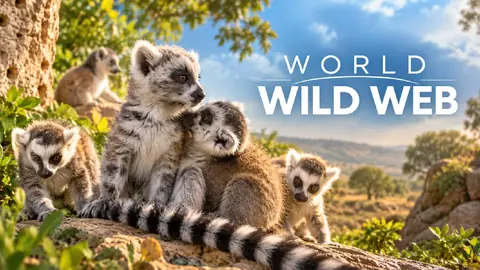 World Wild Web3 episodes · 60 min eachPrep 1
- What it is about
- This series follows baby animals in the wild and in zoos. See the skills each one needs to stay safe and grow up, from playful youngsters to babies on the Serengeti to a young gibbon with a lot to learn.
- Skills practiced
- Critical thinking
- Before you watch
- Notice what the babies learn from their parents and what they learn by trying things themselves.
- Ask after watching
- What did a baby animal do that made you laugh or surprised you?
- Try it
- Act like your favorite baby animal. Ask a grown-up to be the animal parent who looks after you.
- Talk about it at home
- What funny mistakes did we make when we were little? What kind of trouble did our grandparents get into as kids?
- Heads up
- Animals hunting each other
59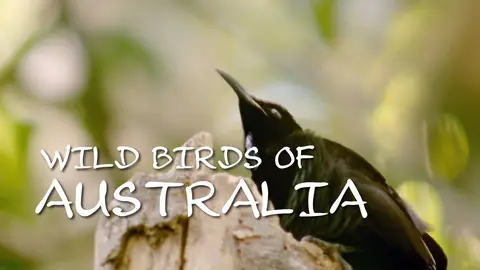 Wild Birds of Australia3 episodes · 60 min eachPrep 1
- What it is about
- This series watches birds in Australia, from little penguins and emus to hunting birds. It also visits the breeding season, when more than 800 kinds of birds raise their young.
- Skills practiced
- Critical thinking, Communication and teamwork
- Before you watch
- Look at each bird's feathers, beak, and legs. Some scenes show birds hunting. If that feels upsetting, tell me.
- Ask after watching
- How do different beaks and legs help birds eat and move in different ways?
- Try it
- Sit outside for 10 minutes and watch the birds. Draw one you see and tell what it is doing.
- Talk about it at home
- Which birds visit our home most often? Does a grandparent know a bird and have a story about it?
- Heads up
- Animals hunting each other
60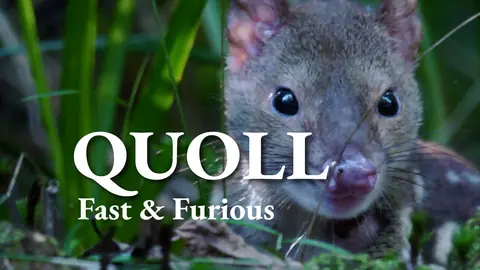 Quoll Fast & Furious1 episode · 60 min eachPrep 1
- What it is about
- This film follows a team of conservationists working to protect quolls. Quolls are native to Australia, and there are fewer of them every year. The team tracks the animals to learn how to help.
- Skills practiced
- Critical thinking
- Before you watch
- Notice what the conservationists do to help these small animals.
- Ask after watching
- Why do people want to help animals when only a few are left? What do you think?
- Try it
- Make an ID card for an animal in the film. Add its name, where it lives, and what it eats. Then draw a nice picture of it.
- Talk about it at home
- Are there animals or trees near our home that are getting rare? Which ones do our grandparents know?
- Heads up
- Animals hunting each other
61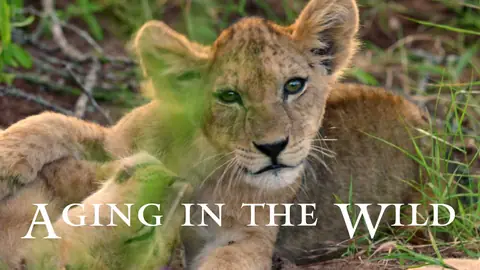 Aging in the Wild4 episodes · 60 min eachPrep 1
- What it is about
- This series looks at how wild animals grow old. It covers animals that live a long time, raising young, the power of the pack leader, smarts, and the last part of life.
- Skills practiced
- Critical thinking, Communication and teamwork
- Before you watch
- This film shows old animals, and some may die. If you feel sad or upset, tell me. Notice what the older animals do.
- Ask after watching
- What can older animals do well, and what gets harder for them? What did you see?
- Try it
- Talk with the oldest grown-up at home. Ask what they are especially good at, then draw a picture for them.
- Talk about it at home
- What does the oldest person in our home do for our family? What stories do they have from when they were a child?
- Heads up
- Animals hunting each other, Death
62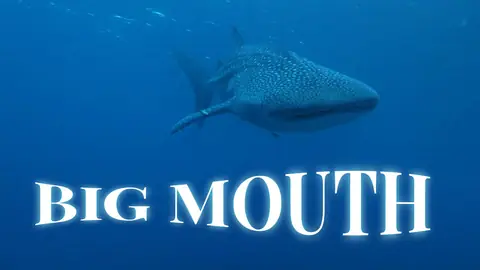 Big Mouth1 episode · 60 min eachPrep 0
- What it is about
- In Oslob, Philippines, a whale shark and the divers of a fishing village become friends. But the villagers, the town, and conservation groups all see the whale shark's arrival differently, and that leads to conflict.
- Skills practiced
- Global citizenship
- Before you watch
- Notice what the people in the village do with the very big fish.
- Ask after watching
- If people feed a fish every day, how do you think the fish feels? What else could people do?
- Try it
- Visit an animal near home, like fish in a pond or a bird. Watch what it eats, then ask a grown-up how we feed animals at home.
- Talk about it at home
- Is there an animal in our village that people like to go see? What was it like when our grandparents were kids?
63Africa's Trees of Life3 episodes · 60 min eachPrep 0
- What it is about
- This series visits trees that keep animals alive in Africa, like the camel thorn tree in the Kalahari Desert and the marula tree. See who depends on each one.
- Skills practiced
- Critical thinking
- Before you watch
- Notice who visits the tree and what they come to do.
- Ask after watching
- What would happen to the animals in the film if this tree were gone?
- Try it
- Pick a tree near home and watch it for 10 minutes. Draw every animal that visits.
- Talk about it at home
- Is there a tree at our home that everyone loves, like a mango tree? Can our grandparents tell us about a tree they planted?
64 Into The Wilderness - Pacific Crest Trail1 episode · 60 min eachPrep 1
- What it is about
- Follow the Pacific Crest Trail, which stretches from Mexico to Canada, through wild country.
- Skills practiced
- Critical thinking
- Before you watch
- Notice what the hikers pack for their trip.
- Ask after watching
- What do you need for a long walk in nature? What do you think?
- Try it
- Plan a walk around the village with a grown-up. Draw a map and write what you need to bring.
- Talk about it at home
- Have we ever taken a long trip on foot? Can our grandparents tell us what walking was like in the old days?
- Heads up
- Death
65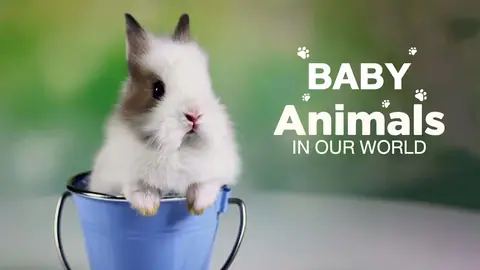 Baby Animals in Our World10 episodes · 30 min eachPrep 0
- What it is about
- This series shows the first moments of life for baby animals: pets, farm animals, zoo animals, city animals, and animals under the water.
- Skills practiced
- Critical thinking
- Before you watch
- Notice what the babies can already do and what they can't do yet.
- Ask after watching
- What do the babies learn from their mothers? What did you see that is like you as a baby?
- Try it
- If there is a pet or a baby animal near home, watch how it eats and plays. Then draw it.
- Talk about it at home
- Does anyone near our home raise baby animals? Can our grandparents tell us about a baby buffalo or a chick?
66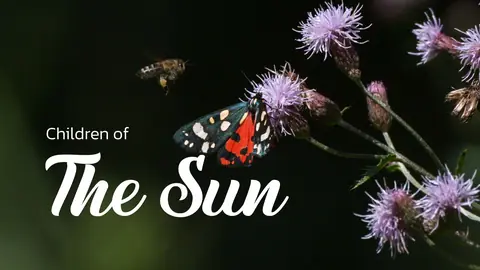 Children of The Sun2 episodes · 60 min each
- What it is about
- This series follows the life cycle of several butterflies, from egg to caterpillar to butterfly. It also meets wild bees in Europe that sleep underground all winter and come out when it warms up.
- Skills practiced
- Critical thinking
- Before you watch
- Look at how a butterfly looks and what it eats at each stage of its life.
- Ask after watching
- Why do caterpillars and butterflies look so different? What is your guess?
- Try it
- Go outside and look for leaves with a caterpillar or butterfly eggs. Look, but don't touch. Then draw what you see.
- Talk about it at home
- What butterflies or caterpillars live near our home? Do our grandparents know the name of any caterpillar?
- Heads up
- Animals hunting each other, Death
67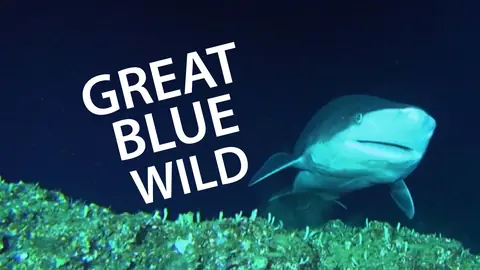 Great Blue Wild13 episodes · 60 min eachPrep 1
- What it is about
- This series dives to islands and coral reefs around the world, from Belize and the Bahamas to manta rays and the Coral Triangle in Indonesia.
- Skills practiced
- Critical thinking, Global citizenship
- Before you watch
- Look for where animals live on the coral and what colors you see. Some scenes show sharks. If that feels upsetting, tell me.
- Ask after watching
- Which sea animal looks the strangest to you? What did you see?
- Try it
- Cut out paper coral in bright colors and lay it on the floor like a reef. Then pretend to be sea animals swimming around it.
- Talk about it at home
- Where is the nearest sea or water to our home? Can our grandparents tell us about trips to the sea long ago?
- Heads up
- Animals hunting each other, Death
68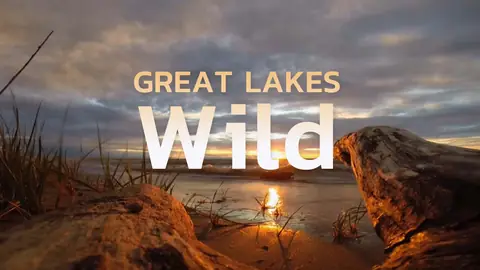 Great Lakes Wild7 episodes · 30 min eachPrep 1
- What it is about
- This series explores nature around the Great Lakes of North America: Isle Royale, invasive lampreys, an endangered water snake, turtles, a dam, animals of the night, and elk.
- Skills practiced
- Global citizenship, Critical thinking
- Before you watch
- Some scenes show animals hunting. If that feels upsetting, tell me. Notice how the animals live around the lakes.
- Ask after watching
- Which animal do people help take care of, and how do they help?
- Try it
- With a grown-up, find water near home and see which animals live close by. Stay well back from the water's edge. Draw them and tell a grown-up about them.
- Talk about it at home
- Is there a pond or river near our home? Can our grandparents tell us about fish or animals they used to see?
- Heads up
- Animals hunting each other, Death, Scary scenes
69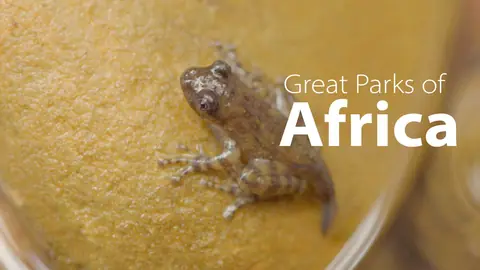 Great Parks of Africa6 episodes · 60 min eachPrep 1
- What it is about
- This series visits national parks in southern Africa, including Addo Elephant Park, Table Mountain, the iSimangaliso wetlands, the Karoo, the Kalahari, and Chobe.
- Skills practiced
- Critical thinking, Communication and teamwork
- Before you watch
- Notice what makes each park different from the others.
- Ask after watching
- Why do people protect these places? What is your guess?
- Try it
- Make a map of a garden or park near home. Mark where animals and trees live, then tell a grown-up about it.
- Talk about it at home
- Is there a place near our home where hunting or cutting trees is not allowed? Do our grandparents know about it?
- Heads up
- Animals hunting each other
70 The Human Family Tree1 episode · 60 min eachPrep 0
- What it is about
- This film tells about a one-day experiment on a single street. It uses the DNA of a small group of people to trace the ancient journeys of humans.
- Skills practiced
- Global citizenship
- Before you watch
- Notice how the people in the film find out where their ancestors came from.
- Ask after watching
- People who look different may share the same ancestors. What do you think about that?
- Try it
- Make a family tree with three generations: you, your parents, and your grandparents. Write where each person was born.
- Talk about it at home
- Where were our grandparents born? How did they come to live here?
71 Jago - A Life Underwater1 episode · 60 min eachPrep 1
- What it is about
- This film is about an 80-year-old man from the Bajau, a sea people who live in the Philippines and Indonesia. He tells the story of his life from childhood until today.
- Skills practiced
- Global citizenship
- Before you watch
- Notice what the grandfather in the film does in the water.
- Ask after watching
- How is his life different from yours? What did you see?
- Try it
- Draw the grandfather from the film with the things he uses in his life by the sea. Then tell a grown-up what he does in a day.
- Talk about it at home
- Does anyone in our family work with water? Can our grandparents tell us what life near water was like when they were kids?
- Heads up
- Animals hunting each other, Death
72 Life on the Reef1 episode · 60 min eachPrep 1
- What it is about
- This film shows life on the Great Barrier Reef in Australia. Sea turtles come ashore to lay eggs, corals release their eggs all on one night, and a big storm sweeps toward the coast.
- Skills practiced
- Critical thinking
- Before you watch
- We are about to see a sea full of big and small animals. Some scenes show animals hunting each other. If that feels upsetting, tell me.
- Ask after watching
- If you were a turtle on that beach, how would you feel?
- Try it
- Draw a picture of your own sea. Tell a grown-up which animals are in it and which ones swim near each other.
- Talk about it at home
- Have we ever been to the sea or a riverbank? What water animals did our grandparents see as kids that are hard to find now?
- Heads up
- Animals hunting each other, Disasters
73 MALAWI and the Lake of Stars1 episode · 60 min eachPrep 1
- What it is about
- This film is about Lake Malawi in Africa. It is home to a huge variety of fish, and it helps scientists understand how living things change over time.
- Skills practiced
- Critical thinking
- Before you watch
- Look at how the fish in this lake differ in color and shape.
- Ask after watching
- Which fish did you like best? Why?
- Try it
- Draw a fish that has never existed. Use any colors you like, give it a name, and tell where it lives and what it eats.
- Talk about it at home
- What fish can we see at home or nearby? Can our grandparents tell us which fish they used to catch a lot of?
- Heads up
- Animals hunting each other
74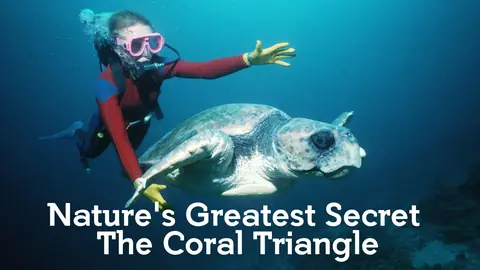 Nature’s Greatest Secret "The Coral Triangle"2 episodes · 60 min eachPrep 1
- What it is about
- This film visits the Coral Triangle, the part of the ocean with the most kinds of sea life anywhere. It asks why this place is so full of life.
- Skills practiced
- Critical thinking, Global citizenship
- Before you watch
- We are about to see a sea full of many kinds of animals. Some scenes show animals hunting. If that feels upsetting, tell me.
- Ask after watching
- Which animal surprised you? Why did it surprise you?
- Try it
- Find three colors or patterns in your house or yard. Draw a new fish that uses them, and tell where in the sea it lives.
- Talk about it at home
- What seafood do we like to eat at home? Where did our grandparents get fish when they were kids?
- Heads up
- Animals hunting each other
75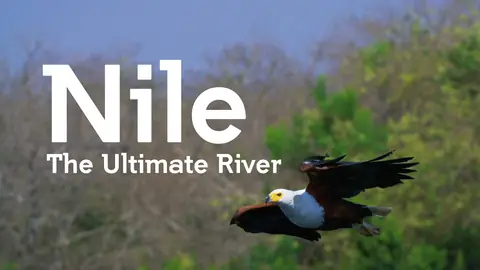 Nile The Ultimate River3 episodes · 60 min eachPrep 1
- What it is about
- This film follows the Nile River from snowy mountains through waterfalls and forests to the desert. See the animals and people who live along this river.
- Skills practiced
- Critical thinking, Global citizenship
- Before you watch
- Look for the animals along this river. Some scenes show big animals hunting. If that feels upsetting, tell me.
- Ask after watching
- If you were an animal by this river, where would you be? Why?
- Try it
- Draw the river from start to finish on a long strip of paper. Add the animals and trees from the film along the way.
- Talk about it at home
- Do we live near a river, canal, or pond? Where did our grandparents get water, and what did they do with the river?
- Heads up
- Animals hunting each other
76Ocean Park5 episodes · 60 min each
- What it is about
- This series tours ocean parks around the world, such as Bonaire, the Florida Keys, and Monterey Bay. See how nature under the sea comes back when people take care of it.
- Skills practiced
- Global citizenship, Critical thinking
- Before you watch
- Count how many kinds of sea animals and plants you see today.
- Ask after watching
- Where in that ocean would you most like to go? Why?
- Try it
- Make a short welcome sign for a friend visiting your yard or garden. Say what is great to see and what visitors should be careful about.
- Talk about it at home
- Is there a beautiful natural place near our home? Have our grandparents taken us there or told us about it?
- Heads up
- Animals hunting each other
77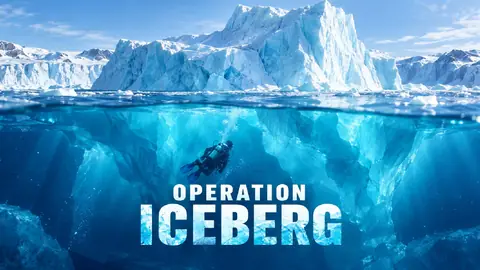 Operation Iceberg2 episodes · 60 min each
- What it is about
- This film follows scientists to Greenland to study giant icebergs, from the moment one breaks off a glacier until it melts away.
- Skills practiced
- Critical thinking
- Before you watch
- Guess where the big chunks of ice in the sea come from.
- Ask after watching
- Where do you think that iceberg will go next? Why?
- Try it
- Put a big ice cube in a bowl of water. Watch which part floats above the water and which part sinks, then draw what you see.
- Talk about it at home
- How do we use ice at home? How did our grandparents keep things cold when they were kids?
- Heads up
- Animals hunting each other
78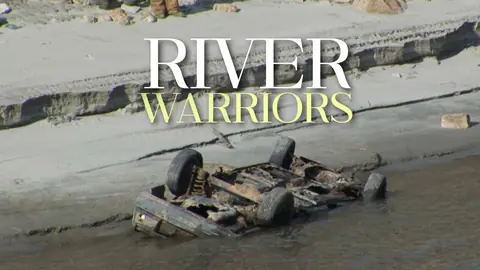 RIVER WARRIORS1 episode · 60 min eachPrep 0
- What it is about
- This film is about a group of young people who live on rafts in the middle of the Mississippi River. Every day, they work to pull trash out of the river.
- Skills practiced
- Communication and teamwork
- Before you watch
- Notice what the people in the film do together and who does which job.
- Ask after watching
- If you joined this team, which job would you want? Why?
- Try it
- Ask a friend or sibling to pick up trash in your yard with you for 10 minutes. Split the jobs: who holds the bag, who picks up, and who counts.
- Talk about it at home
- Who takes care of cleaning at our home? Can our grandparents tell us how they handled trash long ago?
79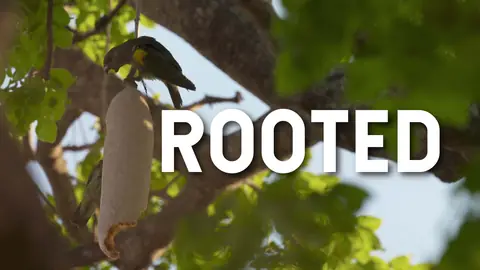 Rooted5 episodes · 60 min eachPrep 1
- What it is about
- This film is about big trees of Africa, like acacia, sausage, and yellowwood trees, and the animals that live in them or depend on them.
- Skills practiced
- Critical thinking
- Before you watch
- Look for the animals that visit this tree. Some scenes show animals hunting. If that feels upsetting, tell me.
- Ask after watching
- If you were that tree, how would you feel with animals living on you?
- Try it
- Find the biggest tree near home or school and sit by it for 10 minutes. Count how many small animals visit.
- Talk about it at home
- Is there a tree at our home that has been here a long time? Who planted it, and what stories do our grandparents know about it?
- Heads up
- Animals hunting each other, Claims that are not proven
80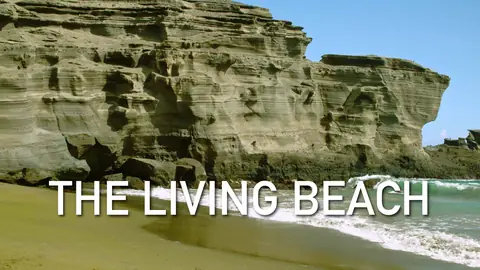 The Living Beach6 episodes · 60 min eachPrep 1
- What it is about
- This series visits beaches around the world, including Florida, Nova Scotia, Mexico, Hawaii, Fraser Island, and California. See how animals, people, wind, and waves share a sandy shore.
- Skills practiced
- Global citizenship, Critical thinking
- Before you watch
- Look for the animals on the beach. Some scenes show animals eating each other. If that feels upsetting, tell me.
- Ask after watching
- If you could spend one day at that beach, what would you do first?
- Try it
- Build a small beach in a tray or on the ground with rocks and leaves. Then tell a grown-up who lives where on the beach.
- Talk about it at home
- Is there a sandy beach or riverbank near our home? Did our grandparents play or find food at the beach as kids?
- Heads up
- Animals hunting each other
81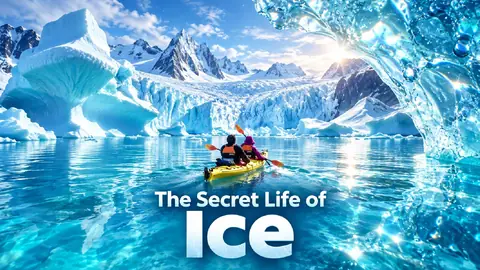 The Secret Life of Ice1 episode · 60 min eachPrep 0
- What it is about
- This film is about ice. It is clear but can glow with color, hard but can flow, and strong enough to crack rock. Ice is stranger than most people think.
- Skills practiced
- Critical thinking
- Before you watch
- Hold an ice cube and notice how it feels.
- Ask after watching
- What is one strange thing about ice that you just learned?
- Try it
- Put two ice cubes side by side and press them gently together. Do they stick? Tell what you see in your own words.
- Talk about it at home
- What have we used ice for at home? Can our grandparents tell us where they got ice long ago?
82Undiscover Vista8 episodes · 60 min each
- What it is about
- This series visits amazing natural places in many countries, such as mountains in Newfoundland, the Atacama Desert in Chile, salt flats in Bolivia, and islands in the Bahamas.
- Skills practiced
- Critical thinking, Global citizenship
- Before you watch
- Notice all the colors in the places we are about to visit.
- Ask after watching
- If you could really go there, what would you want to see first?
- Try it
- Draw your favorite place from the film. Tell what colors, sounds, and weather you picture there.
- Talk about it at home
- Have we ever visited a really beautiful place? What was our grandparents' favorite place when they were young?
- Heads up
- Sensitive topics (war, religion, politics)
83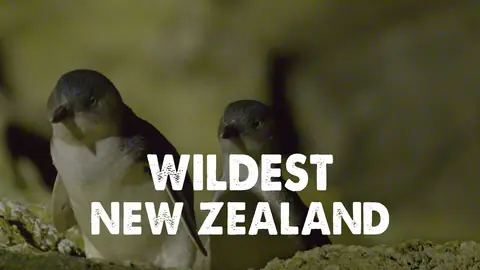 WILDEST NEW ZEALAND4 episodes · 60 min eachPrep 1
- What it is about
- This series visits animals of New Zealand, such as little penguins, wildlife on the west coast, and animals that live behind fences to stay safe from predators.
- Skills practiced
- Critical thinking, Emotional intelligence
- Before you watch
- Notice how the small animals stay safe. Some scenes show animals hunting. If that feels upsetting, tell me.
- Ask after watching
- If you were a little penguin, what would scare you? Who would you want to help you?
- Try it
- Build a small nest for a doll or toy using leaves and sticks. Tell what the nest protects against.
- Talk about it at home
- Is there a small animal near our home that has to hide from something? Have our grandparents ever helped an animal?
- Heads up
- Animals hunting each other
84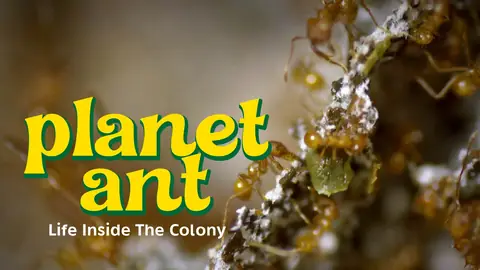 Planet Ant Life Inside The Colony1 episode · 60 min eachPrep 0
- What it is about
- This film is about ants that build cities, farm, and dig mines underground. Scientists built a giant glass ant farm and filled it with millions of ants to see how they do it.
- Skills practiced
- Communication and teamwork
- Before you watch
- Go find one small ant and notice where it walks.
- Ask after watching
- Ants are so tiny. How do they get such big jobs done?
- Try it
- Go outside and put a tiny snack on the ground. Watch for 10 minutes. Who comes first, which way do they go, and where do they take the food? Do not touch the ants.
- Talk about it at home
- Are there ants at our home? Do our grandparents have ways to keep ants away, or stories about watching them?
85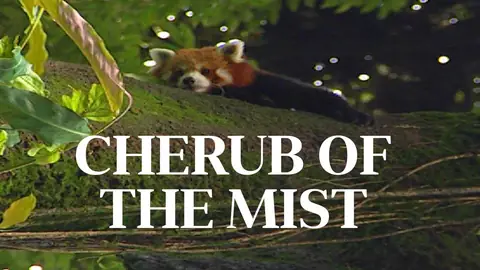 Cherub of the Mist1 episode · 60 min eachPrep 1
- What it is about
- This film is about two red pandas who are released back into the wild in Singalila National Park in India.
- Skills practiced
- Global citizenship
- Before you watch
- Notice what the two red pandas run into in their new forest. Some parts are exciting or scary. If that feels upsetting, tell me.
- Ask after watching
- If you were a red panda going to live in the forest for the first time, how would you feel?
- Try it
- Tell what happens to the two red pandas the next day, and draw it in three pictures in a row.
- Talk about it at home
- Did we ever raise an animal and then have to let it go? Do our grandparents have a story like that?
- Heads up
- Death
86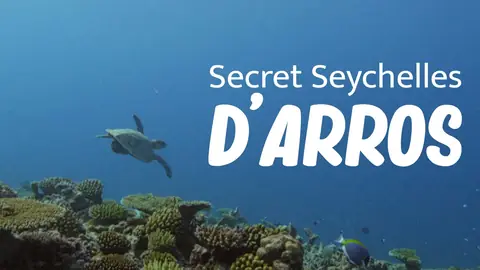 Secret Seychelles - D’ARROS1 episode · 60 min eachPrep 1
- What it is about
- This film visits D'Arros Island in the Seychelles. Giant tortoises, hawksbill turtles, seabirds, dolphins, and many kinds of sharks live here.
- Skills practiced
- Global citizenship
- Before you watch
- Look for the animals on the island and under the sea. Some scenes show animals hunting. If that feels upsetting, tell me.
- Ask after watching
- Which animal on this island would you want to be? Why?
- Try it
- Draw your own island and add your favorite animals. Tell which ones live on land and which live in the sea.
- Talk about it at home
- Have we ever visited an island or a faraway place? Do our grandparents have stories about a faraway place?
- Heads up
- Animals hunting each other
87 Garden of the Gods1 episode · 60 min eachPrep 1
- What it is about
- This film visits Greece, a land of ancient temples, old ruins, and myths about gods. Wild plants and animals still thrive here.
- Skills practiced
- Critical thinking
- Before you watch
- Look for old things that are still standing and the animals or trees beside them.
- Ask after watching
- If a god watched over this place, what would you want that god to look like?
- Try it
- Draw a god who looks after a garden or tree near home. Give the god a name and tell what the god likes and dislikes.
- Talk about it at home
- Is there a shrine or a special place near our home that people respect? Can our grandparents tell us about it?
- Heads up
- Animals hunting each other, Sensitive topics (war, religion, politics)
88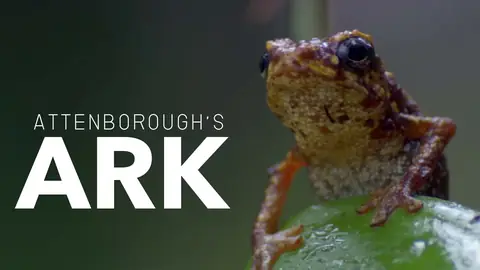 Attenborough's Ark1 episode · 60 min eachPrep 1
- What it is about
- In this film, Sir David Attenborough picks 10 animals he wants to save from disappearing forever. Some look odd and some are beautiful.
- Skills practiced
- Global citizenship
- Before you watch
- Notice what stands out about each animal. Some animals here are close to disappearing. If that feels sad, tell me.
- Ask after watching
- If you had one boat that could save three animals, which would you pick? Why?
- Try it
- Draw a boat and put your three animals on it. Tell what each animal needs on the boat.
- Talk about it at home
- Have we seen an animal that is hard to find now? What animals did our grandparents see that we have never seen?
- Heads up
- Death
89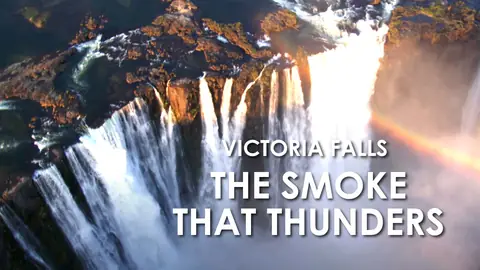 Victoria Falls - The Smoke That Thunders1 episode · 60 min eachPrep 1
- What it is about
- This film tells about life along the Zambezi River through the voice of a local fisherman, with Victoria Falls in the background.
- Skills practiced
- Emotional intelligence
- Before you watch
- Listen to how the storyteller feels about his river.
- Ask after watching
- Do you think the storyteller loves the river? What makes you think so?
- Try it
- Think of a place you love. Draw it and tell people at home what is there and why you like it.
- Talk about it at home
- Is there a place we love as much as he loves the river? Is there a place our grandparents have loved since childhood?
- Heads up
- Animals hunting each other, Death
90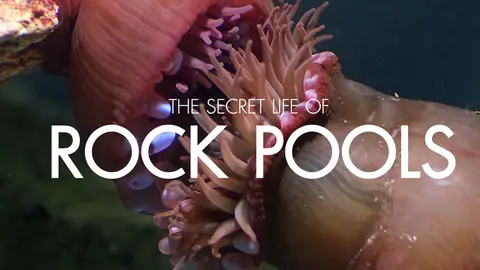 The Secret Life of Rock Pools1 episode · 60 min eachPrep 1
- What it is about
- Scientists explore the small animals living in rock pools by the sea. Lots of unusual life hides in these tiny pools.
- Skills practiced
- Critical thinking
- Before you watch
- Look for the animals hiding in the little pools by the sea. Some may eat each other. If that feels upsetting, tell me.
- Ask after watching
- If you were as small as a finger and lived in a rock pool, where would you hide?
- Try it
- Set out a small dish of water in the yard, or find a puddle. Sit and watch for 10 minutes to see which tiny animals come. Draw what you see.
- Talk about it at home
- Is there a small pond or puddle near our home where animals live? Did our grandparents ever catch small fish or shrimp in a place like that?
- Heads up
- Animals hunting each other
91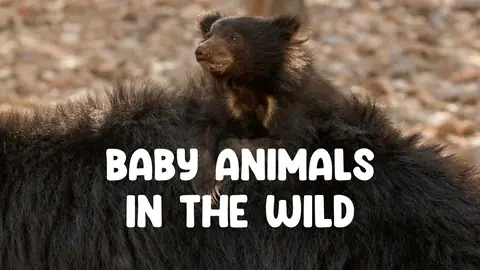 Baby Animals in the Wild8 episodes · 30 min eachPrep 1
- What it is about
- This series follows baby animals in different parts of the world, like forests, beaches, African grasslands, mountains, deserts, and wetlands, spending one day with each.
- Skills practiced
- Emotional intelligence, Critical thinking
- Before you watch
- Notice what the babies do when they wake up. Some scenes show animals hunting. If that feels upsetting, tell me.
- Ask after watching
- If you were that baby animal, how would you feel today and what would you want to do?
- Try it
- Act like a baby animal you like, with a grown-up as the animal parent. Play waking up, finding food, and going to bed.
- Talk about it at home
- Who looked after our grandparents, feeding them and putting them to bed, when they were little? Is there a memory in our home that we miss?
- Heads up
- Animals hunting each other
92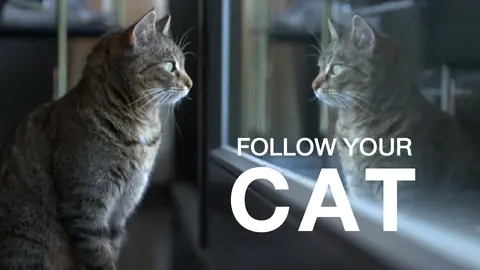 Follow Your Cat1 episode · 60 min eachPrep 1
- What it is about
- In this film, scientists put cameras on 10 cats to see where pet cats go and what they do when they leave the house, and how big their territory is.
- Skills practiced
- Critical thinking
- Before you watch
- Guess where a cat goes after it leaves the house.
- Ask after watching
- Where did you guess the cat would go? Was it different from what you saw?
- Try it
- Draw a map of your home and the area around it. Guess the path of a cat or an animal you often see, then watch for a day and compare.
- Talk about it at home
- What cat or pet do we have at home? Can our grandparents tell us about pets they used to have?
- Heads up
- Animals hunting each other
93 Planet Parrot1 episode · 60 min eachPrep 0
- What it is about
- This film is about parrots that moved into big cities. They are colorful, loud, and smart, and their numbers are growing fast in their new life.
- Skills practiced
- Critical thinking
- Before you watch
- Listen first to the birds you can hear around home. Then notice how the parrots in the film sound.
- Ask after watching
- If you were a parrot living in a city, what would you like and not like?
- Try it
- Listen to the birds near home for 5 minutes. Copy a bird's sound and let a grown-up guess which bird it is.
- Talk about it at home
- Which birds do we see at our home? Can our grandparents tell us about a bird that was everywhere but is now rare?
94 Secret Life of the Tasmanian Devil1 episode · 60 min eachPrep 1
- What it is about
- This film is about the Tasmanian devil, a fierce animal with a scary voice that lives in the forests of Tasmania. It also follows young devils, who grow up very fast.
- Skills practiced
- Emotional intelligence
- Before you watch
- Listen to the sounds this animal makes. They can be scary, and some scenes show fighting. If that feels upsetting, tell me.
- Ask after watching
- What sweet side did you see in this fierce-looking animal?
- Try it
- Make the sound of your favorite animal as well as you can. Ask a grown-up to guess which animal it is.
- Talk about it at home
- Is there an animal near our home that looks scary but isn't mean? What animals did our grandparents fear as kids?
- Heads up
- Animals hunting each other, Blood or dissection
95 Secret Life of the Wombat2 episodes · 60 min eachPrep 1
- What it is about
- This film is about wombats in the Australian bush. They sleep during the day in burrows they dig themselves, look for food at night, and raise their babies in a pouch.
- Skills practiced
- Critical thinking, Emotional intelligence
- Before you watch
- Notice where the wombat is during the day and when it comes out.
- Ask after watching
- Would you like an underground home like a wombat's? Why?
- Try it
- Draw your dream underground home. Tell what each room is for.
- Talk about it at home
- Are there animals that dig holes near our home? What digging animals have our grandparents seen?
- Heads up
- Animals hunting each other, Sensitive topics (war, religion, politics)
96 Shamwari15 episodes · 30 min eachPrep 1
- What it is about
- This series follows a vet and a team at Shamwari Game Reserve in South Africa as they help wild animals such as rhinos, elephants, and giraffes. The work is exciting and sometimes risky.
- Skills practiced
- Communication and teamwork, Emotional intelligence
- Before you watch
- Today we will watch vets help a rhino and a baby elephant with no mother. Some parts are exciting and some animals are hurt. If that feels upsetting, tell me.
- Ask after watching
- If you helped animals, which one would you help first? Why?
- Try it
- Play animal doctor with a grown-up as the sick animal. Ask where it hurts and speak softly so the animal isn't scared.
- Talk about it at home
- Have we ever helped a sick or hurt animal? How did our grandparents care for sick pets or animals?
- Heads up
- Death, Blood or dissection, Fighting
97 Small Talk Diaries8 episodes · 15 min each
- What it is about
- This kids' series films insects and small animals up close, then turns them into cartoons that talk and joke about their own behavior.
- Skills practiced
- Critical thinking, Creative thinking
- Before you watch
- Notice what funny things the insects say and do.
- Ask after watching
- Which insect do you think is the best at something? Why?
- Try it
- Find one small bug in the yard. Watch how it walks, eats, or hides, then make up what it would say.
- Talk about it at home
- Which insects help us or bother us at home? How did our grandparents handle bugs long ago?
- Heads up
- Death, Sensitive topics (war, religion, politics)
98The Zoo2 episodes · 60 min eachPrep 1
- What it is about
- This film follows people who work at a zoo, caring for tiger cubs, gorillas, and other animals that are sick or need help.
- Skills practiced
- Communication and teamwork
- Before you watch
- Notice what the animal keepers do each day. Some parts show sick or dying animals. If that feels upsetting, tell me.
- Ask after watching
- If you were a zookeeper, which animal would you most like to care for? Why?
- Try it
- Play zookeeper with a stuffed animal as the patient. Check its body, feed it, and play with it, all very gently.
- Talk about it at home
- Does anyone in our home take care of pets? Can our grandparents tell us how they cared for buffaloes and cows long ago?
- Heads up
- Blood or dissection, Death
99 Too Cute12 episodes · 60 min eachPrep 0
- What it is about
- This series follows puppies and kittens of many breeds, from birth until they are big enough to explore the world and move to new homes.
- Skills practiced
- Emotional intelligence, Critical thinking
- Before you watch
- Notice how each puppy and kitten has its own personality.
- Ask after watching
- If you could pick one puppy or kitten to take home, which one would you pick? Why?
- Try it
- Pick one pet from the film. Write or draw what it needs each day, like food, water, and a bed.
- Talk about it at home
- What pets do we have at home? Can our grandparents tell us how they raised animals long ago?
100 White Beauty – A Stallion’s Life1 episode · 60 min eachPrep 0
- What it is about
- This film tells the life of a stallion from the oldest horse breed that people have kept. For the first time, we see his whole life in beautiful pictures.
- Skills practiced
- Critical thinking
- Before you watch
- Notice how the white horse walks and runs.
- Ask after watching
- If you could ride this horse, where would you go?
- Try it
- Draw a horse you like and tell the story of its day. Who are its friends and where does it go?
- Talk about it at home
- Have we ever seen or kept buffaloes, cows, or horses? Can our grandparents tell us how these animals helped with work?
101 Wild Detectives7 episodes · 30 min eachPrep 1
- What it is about
- In this series, a team of wildlife detectives goes on missions to solve mysteries, like the secrets of bears in Alaska, the calls of blue whales, and the odd habits of other animals.
- Skills practiced
- Critical thinking, Communication and teamwork
- Before you watch
- Notice what clues the animal detectives use to find answers.
- Ask after watching
- If you were a detective, what kind of clue would tell you what happened?
- Try it
- Find three clues in the yard or a garden, like footprints, small holes, or a feather. Then tell what happened there.
- Talk about it at home
- Have we ever found a mystery about an animal near home? Do our grandparents have an animal story that no one could explain?
- Heads up
- Animals hunting each other
102 Animal Odd Couples1 episode · 60 min eachPrep 0
- What it is about
- A science presenter travels the world to find out why different kinds of animals become friends, like a cat that adopts ducklings.
- Skills practiced
- Emotional intelligence
- Before you watch
- Notice how two very different animals take care of each other.
- Ask after watching
- If you had a friend who was nothing like you, what would you want to do together?
- Try it
- Draw an animal friendship you make up. Tell how the two help each other.
- Talk about it at home
- Do we have a neighbor who is different from us but still a friend? Did our grandparents have friends from far away?
103Animal Odd Couples1 episode · 60 min eachPrep 1
- What it is about
- A science presenter travels the world to see why some animals that do not seem to fit together bond, show friendship and love, and why some people choose an unusual animal as a friend.
- Skills practiced
- Emotional intelligence
- Before you watch
- Some people in this film live close to wild animals. Notice what the people and animals do together. If any part upsets you, tell me.
- Ask after watching
- How do you think two animals who are friends help each other and feel?
- Try it
- Draw two friends who are totally different. Tell how they help each other.
- Talk about it at home
- Have any of us seen two kinds of animals be friends? Did our grandparents see this when they were kids?
- Heads up
- Death, Fighting
104 Fabulous Foals2 episodes · 60 min eachPrep 0
- What it is about
- This film is about horses of many breeds, focusing on the sweet first month of a foal's life.
- Skills practiced
- Critical thinking
- Before you watch
- Notice what foals can do from birth and what they have to learn.
- Ask after watching
- If you were a foal, what would you want your mom to help with most?
- Try it
- Compare what a foal can do at birth with what a human baby can do. Draw two pictures.
- Talk about it at home
- When did our grandparents learn to walk or do other firsts? Is there a story in our home about when each of us learned to walk?
105 Young & Wild15 episodes · 30 min eachPrep 1
- What it is about
- This series follows the lives of baby animals in Africa, like lions, giraffes, rhinos, seahorses, and wild pigs, from birth to bonding with their mothers, playing, eating, and even fighting.
- Skills practiced
- Critical thinking, Emotional intelligence
- Before you watch
- Notice why the baby animals play. Some scenes show hunting or fighting. If that feels upsetting, tell me.
- Ask after watching
- When you play with friends, do you learn something the way baby animals do?
- Try it
- Play a pretend game with a sibling or friend, like tag or hide-and-seek. Then talk about what skills the game builds.
- Talk about it at home
- What games did our grandparents play with friends when they were kids? Is there a game in our family that has been passed down?
- Heads up
- Animals hunting each other, Sensitive topics (war, religion, politics), Death
106 Return of the Spider Monkeys1 episode · 60 min eachPrep 1
- Before your child watches
- The monkey was taken from the forest and its mother when very young. The word kidnapped can make a child worry about being taken too. If your child asks, say this is a monkey story and kind people helped the monkey get back to the forest. Preview it first.
- What it is about
- This film is about a spider monkey taken from the forest in Guatemala when still very young. After seven years of recovery, it is time to return to the Maya forest.
- Skills practiced
- Emotional intelligence
- Before you watch
- Notice how the monkey feels in a new place. Some parts may be sad or scary. If that feels upsetting, tell me.
- Ask after watching
- If you had to go back to a home you had not seen in a very long time, how would you feel?
- Try it
- Draw three pictures: before the monkey was taken away, while far from home, and after going back. Tell how the monkey feels in each one.
- Talk about it at home
- Has anyone in our family been away from home for a long time and then come back? How did our grandparents feel when they got home?
- Heads up
- Death
107 Fish Life4 episodes · 30 min eachPrep 1
- What it is about
- This series shows life under the sea for fish and other water animals, like fish that sleep on the sand at night, colors that hide them or help them find food, and the ways sea animals look after each other.
- Skills practiced
- Critical thinking, Media literacy
- Before you watch
- Look at the colors and patterns on each fish. Some scenes show animals hunting. If that feels upsetting, tell me.
- Ask after watching
- Which fish do you think hides the best? Why?
- Try it
- Color two paper fish and place them on the floor, one matching the floor color and one not. Ask a grown-up to find them. Which is easier?
- Talk about it at home
- What fish do we eat at home? Can our grandparents tell us where they caught fish long ago and how they cooked it?
- Heads up
- Animals hunting each other, Sensitive topics (war, religion, politics), Fighting
108 Ocean Vet6 episodes · 30 min eachPrep 1
- What it is about
- This series follows a vet and his team as they help fish and sea animals in Bermuda, like Galapagos sharks, eagle rays, and tiger sharks.
- Skills practiced
- Communication and teamwork, Critical thinking
- Before you watch
- Today we will watch a vet help big fish in the sea. Some parts are exciting and some animals are sick. If that feels upsetting, tell me.
- Ask after watching
- If you were a fish doctor, how would you feel getting close to a shark?
- Try it
- Play fish doctor with a grown-up as the big fish. Speak softly and check where it hurts.
- Talk about it at home
- Have we ever helped a fish or water animal? Can our grandparents tell us how they handled the fish they caught?
- Heads up
- Animals hunting each other, Death, Fighting
109 Animals at Work15 episodes · 30 min each
- What it is about
- This series meets animals with jobs or special skills, like a dog that helps a magician, racing pigs, an elephant that plays drums, and a snake that helps kids get over a fear.
- Skills practiced
- Communication and teamwork, Emotional intelligence
- Before you watch
- Notice how the animal learns its job.
- Ask after watching
- Why do you think animal trainers need to be patient?
- Try it
- Teach a toy or a pet something easy, like sitting or rolling over. Use short commands and praise, then tell if it was hard or easy.
- Talk about it at home
- Have we ever trained an animal to do something? How did our grandparents train buffaloes or dogs?
- Heads up
- Animals hunting each other
110 Extreme Poodles1 episode · 60 min eachPrep 0
- What it is about
- This film enters the world of poodle grooming contests. Groomers turn dogs into eye-catching works of art with cuts, spray, and dyed fur. The winner gets on a magazine cover and wins a poodle championship.
- Skills practiced
- Creative thinking
- Before you watch
- Notice what the groomers do for the dogs and how the dogs act.
- Ask after watching
- If you were the dog getting a haircut and colored fur, how would you feel, and what would help you relax?
- Try it
- Pretend you are a designer. Draw a fancy haircut for a dog that will not hurt it or make it tired.
- Talk about it at home
- Did our grandparents have a dog when they were kids? How did they take care of it?
111Inside Life9 episodes · 30 min eachPrep 1
- What it is about
- Go behind the scenes with a wildlife film crew. Each guest takes a mission to help the team, like filming gibbons in a Thai forest, tigers in India, and lemurs in Madagascar.
- Skills practiced
- Critical thinking, Communication and teamwork
- Before you watch
- Notice what the people filming the animals do so the animals don't get scared.
- Ask after watching
- If you joined a wildlife film crew, which job would you pick?
- Try it
- Sit very still in the yard for 5 minutes. Then tell a grown-up what you saw or heard that you usually miss.
- Talk about it at home
- Have we ever stayed quiet to watch or listen for something? Did our grandparents do that when they were kids?
- Heads up
- Animals hunting each other, Scary scenes
112 Walrus Two Tonne Tusker1 episode · 60 min eachPrep 1
- What it is about
- This film follows an 18-year-old walrus. Scientists who study animal families are trying to help him become a father.
- Skills practiced
- Critical thinking
- Before you watch
- Notice how big this walrus is and what he does during the day.
- Ask after watching
- How do you think the people who care for the walrus feel about him?
- Try it
- Use a rope to show how long you think a walrus is, then stretch it across the room. Tell a grown-up how big it feels.
- Talk about it at home
- Who is the biggest person in our home? Can our grandparents tell us who was the biggest in the village long ago?
- Heads up
- Sensitive topics (war, religion, politics)
113 Chimp TV - The Chimpcam Project1 episode · 60 min eachPrep 0
- What it is about
- This film is about a research project at Edinburgh Zoo. Chimpanzees learn to use touch screens and video cameras, so scientists can find out how chimps see the world.
- Skills practiced
- Critical thinking
- Before you watch
- Look at what the chimps do with their hands on the screen and the camera.
- Ask after watching
- If you were a chimp holding a camera, what would you film?
- Try it
- Hold a paper camera or a grown-up's phone. Take 3 pictures of what you think a chimp would want to see, and say why you picked them.
- Talk about it at home
- Have we ever seen a monkey? Can our grandparents tell us about one they saw?
114 Wild Mothers and Babies1 episode · 60 min eachPrep 1
- Good to know before watching
- In month 6 we avoid films with animal deaths. This one covers the first days after birth, a risky time for babies. If you see a mother separated from her baby, or a baby being hunted, skip that episode.
- What it is about
- This film looks at the first few days after animals are born. Those days matter most for building a bond between parents and babies.
- Skills practiced
- Emotional intelligence
- Before you watch
- Look for what the mother does with her baby on the first day. Some parts may feel sad. If that feels upsetting, tell me.
- Ask after watching
- How do you think the baby animal feels when it is close to its mother?
- Try it
- Hug a stuffed animal or someone at home and say how it feels. Then tell who has hugged you and made you feel safe.
- Talk about it at home
- When our grandparents were little, who made them feel safe? Who makes us feel that way at home?
- Heads up
- Animals hunting each other
115 Snow Babies1 episode · 60 min eachPrep 1
- Before your child watches
- The synopsis describes the coldest, harshest places, and some babies may not survive. A baby animal dying is harder for children this age than an adult animal dying. Preview it first and prepare short, calm answers.
- What it is about
- This film tells the story of baby animals born in the coldest, harshest places on Earth, like emperor penguin chicks and polar bear cubs.
- Skills practiced
- Critical thinking
- Before you watch
- Look for how the babies keep warm. Some parts show animals struggling or dying. If that feels upsetting, tell me.
- Ask after watching
- If you were a baby penguin in the cold, what would you do to stay warm?
- Try it
- Stand close together with a sibling or someone at home, like penguins in a huddle. Do you feel warmer?
- Talk about it at home
- Do we have a cold season at home? What did our grandparents do to stay warm long ago?
- Heads up
- Animals hunting each other, Death
116 Panda Adventure with Nigel Marven5 episodes · 60 min each
- What it is about
- Nigel Marven travels to China to see giant pandas in a breeding center, in the wild, and in zoos, along with other rare animals.
- Skills practiced
- Global citizenship, Critical thinking
- Before you watch
- Notice what pandas eat and how they move.
- Ask after watching
- What do you like best about pandas?
- Try it
- Draw a panda and tell a grown-up how a panda spends its day, from napping to snacking.
- Talk about it at home
- Is there an animal we know about but almost never see? Have our grandparents ever seen a rare animal?
- Heads up
- Sensitive topics (war, religion, politics)
117 Monkey Life15 episodes · 30 min each
- What it is about
- Follow the team at Monkey World in England as they give new homes to monkeys and apes, including chimpanzees, orangutans, and small monkeys that were kept as pets or taken from the wild.
- Skills practiced
- Emotional intelligence, Communication and teamwork
- Before you watch
- Notice how each monkey has its own personality. Some parts show monkeys who were hurt before. If that feels upsetting, tell me.
- Ask after watching
- What do you think this monkey needs from its new friends?
- Try it
- Act like a monkey who just arrived at a new home. A grown-up plays the keeper who helps you feel comfortable.
- Talk about it at home
- Has someone new ever joined our home or moved nearby? How did our grandparents feel when they moved to a new house?
- Heads up
- Blood or dissection, Death, Sensitive topics (war, religion, politics)
118The Wonder of Animals2 episodes · 30 min eachPrep 1
- What it is about
- This film explains the amazing bodies and skills of animals. Bats feel the wind with tiny hairs on their wings, birds hunt, and elephants do remarkable things.
- Skills practiced
- Critical thinking
- Before you watch
- Look for the part of each animal's body that is extra good at something. Some scenes show animals hunting. If that feels upsetting, tell me.
- Ask after watching
- Which animal skill would you most like to have?
- Try it
- Act like an animal from the film and use its special body part. Spread your arms like wings or swing one like an elephant trunk. A grown-up guesses.
- Talk about it at home
- Which animal in our home or neighborhood has a special skill? Have our grandparents seen an animal do something amazing?
- Heads up
- Blood or dissection
119 Engineering Connections2 episodes · 60 min eachPrep 0
- What it is about
- Richard Hammond explains the engineering behind two famous structures: Hong Kong's airport built out in the sea, and the Sydney Opera House.
- Skills practiced
- Creative thinking
- Before you watch
- Look at what the huge buildings are made of and how the pieces fit together.
- Ask after watching
- What is the biggest thing you would like to build, and what would you build it with?
- Try it
- Stack blocks, boxes, or paper cups into a bridge or tall tower. Gently test whether it can hold something light.
- Talk about it at home
- Is there a bridge or building near us that people built by hand? How did our grandparents build houses long ago?
120 Everyday Things2 episodes · 60 min eachPrep 0
- What it is about
- This film looks at ordinary things close to home, like the packaging that wraps what we buy, and shaving, which people have done for nearly 30,000 years.
- Skills practiced
- Critical thinking
- Before you watch
- Look around at home and notice what things are wrapped in.
- Ask after watching
- If there were no boxes or bags, how would we carry and keep our things?
- Try it
- Walk around the kitchen or a room and count how many things are wrapped. Then think of what you could use instead of plastic bags.
- Talk about it at home
- What did we use to wrap things in the old days? Did our grandparents use banana leaves or other things?
121 Evolution1 episode · 60 min eachPrep 1
- What it is about
- This film shows how living things change over a very long time. Whales once walked on land, a dinosaur is linked to turkeys, and bears have adapted in many ways.
- Skills practiced
- Critical thinking
- Before you watch
- Look for a part of an animal's body that looks like another animal's. Some scenes show animals hunting. If that feels upsetting, tell me.
- Ask after watching
- If a land animal had to live in the water, how do you think its body would change?
- Try it
- Draw an animal you invent that just moved from land to water. Tell a grown-up what changed about its body.
- Talk about it at home
- Is there an animal or plant near us that has changed since long ago? Can our grandparents tell us about ones that disappeared?
- Heads up
- Animals hunting each other, Death
122 Fill My Tank6 episodes · 30 min eachPrep 0
- What it is about
- A filmmaker drives 2,500 kilometers from Singapore to Cambodia. His fuel is old cooking oil he finds along the way.
- Skills practiced
- Creative thinking, Global citizenship
- Before you watch
- Notice what this car uses instead of regular fuel.
- Ask after watching
- Have you ever seen leftover oil from frying food? What do you think people could do with it?
- Try it
- Ask someone at home where used cooking oil goes or how we throw it away. Then draw what you hear.
- Talk about it at home
- What do we do with used frying oil at home? How did our grandparents store pork fat or coconut oil long ago?
123 How to Build a Dinosaur1 episode · 60 min eachPrep 1
- What it is about
- This film goes behind the scenes of a museum exhibit in Los Angeles with three T. rexes of different ages. Scientists put clues together to learn how dinosaurs looked and grew.
- Skills practiced
- Critical thinking
- Before you watch
- Look at which bones the scientists use to figure out what a dinosaur was like. Some scenes show dinosaurs fighting. If that feels upsetting, tell me.
- Ask after watching
- If you found a dinosaur bone, what is the first thing you would want to know?
- Try it
- Draw a dinosaur from just one bone. Then tell a grown-up what it eats and where it lives.
- Talk about it at home
- Has anyone in our home found a big bone or a strange object while digging? Can our grandparents tell us what they found?
- Heads up
- Animals hunting each other
124 Mysteries of Evolution6 episodes · 30 min each
- What it is about
- This film solves puzzles about animal bodies. Why are vultures bald? How can clownfish change sex? How have people and pets changed each other?
- Skills practiced
- Critical thinking, Global citizenship
- Before you watch
- Look for a part of an animal's body that seems strange and makes you wonder.
- Ask after watching
- Why do you think a vulture has no feathers on its head? Take a guess.
- Try it
- Draw your favorite animal and point to its strangest part. Guess how that part helps it.
- Talk about it at home
- Is there an animal near us with a strange look? What is the oddest animal our grandparents have ever seen?
- Heads up
- Sensitive topics (war, religion, politics), Animals hunting each other
125 Volcanic Odysseys3 episodes · 30 min eachPrep 1
- What it is about
- A volcano scientist travels to active volcanoes in Indonesia, Mexico, and Japan to take pictures and collect data.
- Skills practiced
- Critical thinking
- Before you watch
- Notice what the scientists wear near a volcano. Some scenes are scary and dangerous. If that feels upsetting, tell me.
- Ask after watching
- How do you think the scientists feel standing on top of a volcano?
- Try it
- With a grown-up, build a volcano from sand or soil in a tray. Pour in vinegar mixed with baking soda and watch what happens.
- Talk about it at home
- Is there a mountain or hill near us? Have our grandparents climbed it, or do they know a story about a mountain?
- Heads up
- Disasters
126 WHEN PIGS FLY1 episode · 30 min eachPrep 0
- What it is about
- A team of flight experts tries to design a pig that can really fly. They want to test the saying that pigs will fly only when the impossible happens.
- Skills practiced
- Creative thinking
- Before you watch
- Before you watch, imagine what kind of wings a flying pig would have.
- Ask after watching
- How would you design wings for a pig?
- Try it
- Make two paper airplanes with different folds. Launch them from the same spot and see which one flies farther.
- Talk about it at home
- Do we have a saying for something that can never happen? What did our grandparents say?
127 Food Factory15 episodes · 30 min each
- What it is about
- See how the food we eat is made in factories, like ice cream cones, pasta, soda, chocolate, and chewing gum.
- Skills practiced
- Critical thinking
- Before you watch
- Notice how food changes from raw ingredients into something we can eat.
- Ask after watching
- If you ran the machine that makes snacks, what would you watch out for?
- Try it
- Pick one food you eat often. Draw the steps from the ingredients all the way to your plate.
- Talk about it at home
- What foods do we make ourselves at home? What special dish did our grandparents teach us?
- Heads up
- Blood or dissection
128 Innovation Nation15 episodes · 30 min eachPrep 1
- What it is about
- This film shows new inventions and ideas, like toys for horses, plastic made from banana peels, roller coasters, and smart machines.
- Skills practiced
- Creative thinking, Critical thinking
- Before you watch
- Notice where the people who invent new things begin.
- Ask after watching
- If you could invent one thing, what would you make, and who would it help?
- Try it
- Find 3 bits of leftover stuff at home. Think of a toy or tool you could make from them, then try making it.
- Talk about it at home
- Has anyone in our home come up with a new way to do something? Did our grandparents ever make their own tools?
- Heads up
- Fighting, Animals hunting each other, Claims that are not proven
129 Aurora Fire in the Sky1 episode · 60 min eachPrep 1
- What it is about
- Travel around the world to see the northern lights. The film starts with ancient legends and ends with the science of how the lights happen.
- Skills practiced
- Critical thinking
- Before you watch
- Notice what colors the lights in the sky are and how they move.
- Ask after watching
- If you saw green light in the sky for the first time, what would you think it was?
- Try it
- Paint or color your own northern lights. Then make up a short story about where the lights come from.
- Talk about it at home
- When our grandparents were kids, did they see something in the sky that thrilled them? Do we have a story about lights in the sky?
- Heads up
- Sensitive topics (war, religion, politics)
130 What's Killing Our Bees1 episode · 60 min eachPrep 1
- Good to know before watching
- This is the third film this year about bees dying. If your child watched Silence of the Bees in month 5, consider skipping or postponing this one, so they don't feel the world is always losing its bees.
- What it is about
- Scientists try to find out why so many bees are dying. They find three causes: a virus carried by mites, pesticides used on farms, and changes in the way farming is done.
- Skills practiced
- Critical thinking
- Before you watch
- Look at what the scientists use to follow tiny bees. Some bees die in this film. If that feels upsetting, tell me.
- Ask after watching
- If you were a scientist, what is the first thing you would want to know about bees, and why?
- Try it
- Find flowers in the yard or near home. Sit quietly for 10 minutes and watch which insects visit, then draw them or tell a grown-up. Do not touch the bees.
- Talk about it at home
- Have we seen bees or other insects that help flowers grow fruit? Were there more or fewer when our grandparents were kids?
- Heads up
- Death
131 Aerial America9 episodes · 60 min each
- What it is about
- Fly over the states of America and see their beauty, people, and history. You will see Alaska's glaciers, the Dakotas where Native peoples live, and Idaho's volcanoes.
- Skills practiced
- Critical thinking, Creative thinking
- Before you watch
- Notice what shapes the land makes when you see it from above.
- Ask after watching
- If you could fly over our home, what would you see? Draw it for me.
- Try it
- Draw a map of your school or home as if you were looking down from above. Add trees, roads, and houses, like a bird's view.
- Talk about it at home
- Where is our home in the village? Can our grandparents take us and point it out?
- Heads up
- Claims that are not proven, Disasters
132Aerial America1 episode · 60 min eachPrep 1
- What it is about
- This film flies over places in the United States made famous by movies, from silent comedies to big war films. Hollywood is the heart of the film business, where real stories meet make-believe.
- Skills practiced
- Creative thinking
- Before you watch
- Notice what you can see from the sky that you can't see from the ground.
- Ask after watching
- If you looked down at your home from the sky, what do you think you would see?
- Try it
- With a grown-up beside you, look down from a balcony, a stairway landing, or a small hill. Stay behind the railing and never lean out. Draw what you see.
- Talk about it at home
- Did our grandparents ever see a movie filmed in our village? Is there a place near us that is beautiful and worth showing?
- Heads up
- Fighting
133 Curious Traveler4 episodes · 30 min eachPrep 0
- What it is about
- Visit great cities of the world, like New York, London, and places in Wales. See old buildings, works of art, and the stories behind each place.
- Skills practiced
- Critical thinking
- Before you watch
- Notice what shapes the buildings have.
- Ask after watching
- Which building or place in the film do you like best, and why?
- Try it
- Walk around a temple or your school. Find the oldest building and draw the part you like best.
- Talk about it at home
- Is there an old building or temple near us? What do our grandparents know about it?
134 Smart Travels Pacific Rim with Rudy Maxa12 episodes · 30 min each
- What it is about
- Rudy Maxa takes you to Hawaii, San Francisco, and other places around the Pacific Ocean. See the nature, history, and daily life of the people there.
- Skills practiced
- Global citizenship, Critical thinking
- Before you watch
- Notice what is different from our home.
- Ask after watching
- If you could visit there, what would you do first?
- Try it
- Draw a place you would like to visit. Then draw our home next to it and show how they are different.
- Talk about it at home
- Have we ever taken a visitor around our village? Where would our grandparents most like to take someone?
- Heads up
- Sensitive topics (war, religion, politics), Disasters
135Smart Travels Pacific Rim with Rudy Maxa1 episode · 30 min eachPrep 0
- What it is about
- This episode visits Queensland, Australia, a favorite vacation spot. It has golden beaches and the Great Barrier Reef, known as a wonder of the world.
- Skills practiced
- Critical thinking
- Before you watch
- Notice what colors the sea and the animals under the water are.
- Ask after watching
- What was your favorite thing you saw under the water? Tell me about it.
- Try it
- Fill a bucket with water, stones, and leaves. Watch what happens when you add a bit of color. Talk about why we keep the sea clean.
- Talk about it at home
- Have we gone to the sea or a river together? What did our grandparents do there when they were kids?
136 Ultimate Airport Dubai15 episodes · 60 min eachPrep 1
- What it is about
- This film shows Dubai International Airport, which has grown very fast. Many people work together to solve hundreds of problems, like luggage, bag weight, and speed.
- Skills practiced
- Communication and teamwork, Critical thinking
- Before you watch
- Notice the different jobs people do at the airport.
- Ask after watching
- Which job at the airport would you like to do, and why?
- Try it
- Play airport. One person is a traveler, one checks bags, and one carries luggage. See if you can get a bag from one to the next.
- Talk about it at home
- Have we traveled far together? Have our grandparents ever flown on a plane? If not, where would they like to go?
- Heads up
- Disasters
137 Beautiful Planet15 episodes · 30 min each
- What it is about
- Visit World Heritage places like Prague in the Czech Republic, and Mont Saint-Michel and the Seine in France. See beautiful buildings, nature, and culture.
- Skills practiced
- Global citizenship, Critical thinking
- Before you watch
- Notice the colors and shapes of the buildings and places.
- Ask after watching
- Which place in the film do you like best, and why?
- Try it
- Draw the most beautiful place you know near home. Tell a friend why it is beautiful.
- Talk about it at home
- What place near us do our grandparents think is beautiful and want us to take care of?
- Heads up
- Death, Sensitive topics (war, religion, politics), Claims that are not proven
138 Lonely Planet Best in China11 episodes · 30 min each
- What it is about
- Discover China through its nature, food, and art. See misty mountains, rare wildlife, foods from different provinces, and Shaolin kung fu.
- Skills practiced
- Global citizenship, Creative thinking
- Before you watch
- Notice which things or foods are like ours and which are different.
- Ask after watching
- What in the film have you seen or tasted before? What have you not?
- Try it
- Cook a simple dish or snack with a grown-up. Ask where the recipe came from.
- Talk about it at home
- What dish do our grandparents cook often? Who taught them?
- Heads up
- Death
139Into The Wilderness - Pacific Crest Trail2 episodes · 60 min eachPrep 0
- What it is about
- The series visits wild places in the U.S., from the Pacific Crest Trail between Mexico and Canada, through forests, deserts, and open land, to Glacier National Park in Montana, with its glaciers and waterfalls.
- Skills practiced
- Critical thinking, Global citizenship
- Before you watch
- Notice what the long-distance hikers carry with them.
- Ask after watching
- If you had to travel far for many days, what would you bring, and why?
- Try it
- Write a list of what you would take on a 3-day trip. Cross out things until only the most important are left. Compare with a friend.
- Talk about it at home
- When our grandparents were kids, did they ever travel far? What did they take?
140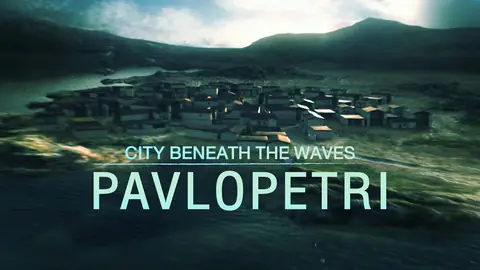 City Beneath The Waves - Pavlopetri1 episode · 60 min eachPrep 0
- What it is about
- Visit Pavlopetri, a port town thousands of years old off the coast of Greece. It sank under the sea, was found in 1967, and is thought to be the oldest underwater city in the world.
- Skills practiced
- Critical thinking
- Before you watch
- Look under the water for anything that looks like houses or streets.
- Ask after watching
- If you could walk through a sunken city, what would you want to see first?
- Try it
- Put stones or toys in a bucket of water and arrange them into an underwater city. Tell a grown-up who used to live there.
- Talk about it at home
- Is there a place near us that used to be a river or pond and has changed? What do our grandparents remember?
141 Saving Egypt's Oldest Pyramid1 episode · 60 min eachPrep 0
- What it is about
- Archaeologists and engineers work to stop one of Egypt's oldest pyramids from falling apart after so many years.
- Skills practiced
- Critical thinking
- Before you watch
- Notice what the people in the film do to help the pyramid.
- Ask after watching
- If you were fixing the pyramid, where would you start, and why?
- Try it
- Build a tall tower from blocks or stones. Together, find the part that falls easily and try to make it stronger.
- Talk about it at home
- Has our home or temple ever needed repairs? How did our grandparents help fix things?
142 Sumo Kids1 episode · 60 min eachPrep 1
- Note
- This film is about competition. The children may cry when they lose. Please don't ask your child to compare themselves with the children on screen.
- What it is about
- This film enters the world of children's sumo in Japan, where more than 55,000 boys train from a young age to compete in a big tournament. They dream of becoming pro sumo wrestlers one day.
- Skills practiced
- Global citizenship
- Before you watch
- Notice how the children feel while they train and compete. Some children fall or lose. If that feels upsetting, tell me.
- Ask after watching
- How does a child look when they lose, and how would you feel if it were you?
- Try it
- Play a hand-pushing game with a grown-up. The first person who loses balance loses. Talk about how winning and losing feel.
- Talk about it at home
- Did our grandparents ever train hard to compete when they were kids? How did it feel?
- Heads up
- Fighting
143 Worlds Smallest Planes1 episode · 60 min eachPrep 0
- What it is about
- Meet the builders and designers of the world's smallest airplanes. They want to make small cars fly. It sounds like make-believe, but they are making it real.
- Skills practiced
- Creative thinking
- Before you watch
- Notice which parts of the small planes are like a bird.
- Ask after watching
- If you could build the smallest plane in the world, what would you have it do?
- Try it
- Fold several kinds of paper planes. Test which one flies farthest, then tell a grown-up why you think so.
- Talk about it at home
- When our grandparents were kids, did they make their own toys, like kites or wooden pinwheels? Can they tell us about it?
144 Bridging the Golden Gate1 episode · 60 min eachPrep 1
- What it is about
- This film tells how the Golden Gate Bridge was built when it seemed almost impossible. Vision and hard work by the project leaders made it happen, and it became a symbol of San Francisco and the United States.
- Skills practiced
- Creative thinking
- Before you watch
- Notice what it takes to build a huge bridge. Some parts show workers in danger. If that feels upsetting, tell me.
- Ask after watching
- If you had to build a bridge across a river, how would you do it?
- Try it
- Build a bridge from paper or craft sticks that can hold a stone. Test which design is strongest.
- Talk about it at home
- Is there a bridge or river crossing near us? Do our grandparents remember how people crossed before the bridge?
- Heads up
- Death, Disasters
145 Chocolate is the new Black Gold1 episode · 60 min eachPrep 0
- What it is about
- This film shows how chocolate is loved all over the world. That means more cocoa is needed, so there may not be enough, prices go up, and people bet on the cocoa market.
- Skills practiced
- Global citizenship
- Before you watch
- Notice what chocolate comes from and what it goes through before it reaches us.
- Ask after watching
- Who do you think works together to make one chocolate bar?
- Try it
- Pick a snack or food you love. Draw where the ingredients come from and who makes it.
- Talk about it at home
- Do our grandparents grow any fruit or plants to sell? How much do the growers earn when they sell it on?
146Guardian of the Wild3 episodes · 60 min eachPrep 1
- What it is about
- Follow orphaned baby elephants that were rescued, and the keepers who care for them. See the move to a life in the wild, and meet researchers studying a newly found kind of baboon in a national park in Zambia.
- Skills practiced
- Emotional intelligence, Critical thinking
- Before you watch
- This film has baby elephants with no mother. If that feels sad, tell me. Notice what the keepers do for the babies.
- Ask after watching
- If you were a keeper, what would you do so the baby elephant feels less lonely?
- Try it
- Draw the person who takes care of you every day. Write or tell what they do for you.
- Talk about it at home
- When our grandparents were young, who helped raise them besides their parents?
- Heads up
- Death, Sensitive topics (war, religion, politics)
147 Wild Colombia2 episodes · 60 min eachPrep 0
- What it is about
- See the wildlife of Colombia, from rainforests on the west coast with hummingbirds, to a national park with anacondas, to deep forest where a team has only 48 hours to explore.
- Skills practiced
- Critical thinking, Communication and teamwork
- Before you watch
- Notice which forest animal has the prettiest colors. One part shows a big snake hunting. If that feels upsetting, tell me.
- Ask after watching
- Which animal would you most like to meet, and what would you ask it?
- Try it
- Spend 10 minutes in a yard or garden looking for small animals, like a butterfly or a bird. Draw your favorite and tell where you found it.
- Talk about it at home
- Are there birds or colorful animals near us? Do our grandparents know their names? Tell us about them.
148 Alaska Dogs1 episode · 60 min eachPrep 1
- What it is about
- This film is about Alaska, the last frontier, with beautiful land, dangerous wild animals, and harsh weather. One animal can protect people there: the dog.
- Skills practiced
- Communication and teamwork
- Before you watch
- Notice how the dogs help people. Some parts have dangerous wild animals. If that feels upsetting, tell me.
- Ask after watching
- Which dog do you like best, and why?
- Try it
- Play a warning dog. A grown-up hides something, and you bark or call out when you find it.
- Talk about it at home
- Do we have a dog at home? How does it help us? Can our grandparents tell us about a dog they had?
- Heads up
- Animals hunting each other
149 Animal Encounters8 episodes · 30 min each
- What it is about
- This film tells stories of people meeting animals, like orphaned baby elephants at a care center in Kenya, dolphins whose families researchers study, and monkeys trained to pick coconuts without cruelty.
- Skills practiced
- Emotional intelligence, Global citizenship
- Before you watch
- Notice how the people care for the animals. Some parts show monkeys that were hurt and baby elephants with no mother. If that feels upsetting, tell me.
- Ask after watching
- If you were that animal, how would you want people to treat you?
- Try it
- Watch a small animal near home, like a chicken or a cat. Notice its face and body when it is happy or scared, and draw it.
- Talk about it at home
- What animals did our grandparents keep when they were kids? How did they take care of them?
- Heads up
- Animals hunting each other, Death, Fighting
150 Animal Record Breakers1 episode · 60 min eachPrep 1
- What it is about
- This film shows animals with records: biggest, smallest, fastest, and slowest. It also says the most successful animal of all is people, because of our brains and technology.
- Skills practiced
- Critical thinking
- Before you watch
- Notice which animal is the biggest, the smallest, and the fastest. Some parts show animals hunting. If that feels upsetting, tell me.
- Ask after watching
- If you had one special skill like an animal, what would you want to be great at?
- Try it
- Have a small contest with a grown-up, like who jumps farther or stays quiet longer. Talk about which animals would beat us.
- Talk about it at home
- Have our grandparents seen a very big or very skilled animal in the village? Tell us about it.
- Heads up
- Animals hunting each other
151 Arabian Inferno1 episode · 60 min eachPrep 1
- What it is about
- Discover animal life in the hot lands of Arabia, like weaver birds building nests, hyraxes and eagles, camels, and desert reptiles that survive through monsoon season and dry season.
- Skills practiced
- Critical thinking
- Before you watch
- Notice how desert animals find shade and water. Some parts show snakes and reptiles hunting. If that feels upsetting, tell me.
- Ask after watching
- If you were somewhere very hot, what would you do to cool off?
- Try it
- On a sunny day, find the coolest spot in the yard or home, like under a tree or on a concrete floor. Tell a grown-up how they differ.
- Talk about it at home
- When our grandparents were kids, how did they stay cool in the hot season?
- Heads up
- Animals hunting each other
152 Bat Women of Panama1 episode · 60 min eachPrep 1
- What it is about
- Visit Barro Colorado Island in Panama, home to 72 kinds of bats. They live side by side because each one eats different food and lives in a different place, but all of them need a healthy forest.
- Skills practiced
- Critical thinking
- Before you watch
- Notice what each bat eats. Some bats hunt insects and frogs. If that feels upsetting, tell me.
- Ask after watching
- Which bat do you like best, and why?
- Try it
- In the evening, sit outside and look at the sky for bats or birds flying by. Then draw what you saw.
- Talk about it at home
- Are there bats near us? Where have our grandparents seen bats?
- Heads up
- Animals hunting each other
153 Bears Of The Last Frontier1 episode · 60 min eachPrep 1
- What it is about
- See three kinds of bears in Alaska: brown bears and grizzlies, black bears that live near towns, and polar bears facing a warming world. Learn how people and bears can share the land.
- Skills practiced
- Global citizenship
- Before you watch
- Notice what the bear cubs do with their mothers. Some parts show bears catching fish and fighting over it. If that feels upsetting, tell me.
- Ask after watching
- What do the bear cubs do that you would like to do too?
- Try it
- Play mama bear and baby bear. The mama bear shows the baby what to do, like finding food or climbing a tree. Talk about whether it was fun.
- Talk about it at home
- When our grandparents were kids, did someone teach them something special?
- Heads up
- Animals hunting each other, Fighting
154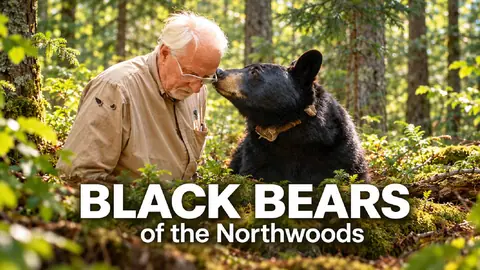 Black Bears of the Northwoods1 episode · 60 min eachPrep 1
- What it is about
- A biologist who has studied bears for 41 years follows a black bear family in the Northwoods of Minnesota. What he believed about black bears changes along the way.
- Skills practiced
- Critical thinking
- Before you watch
- Notice how the mother bear takes care of her cubs. Some parts are risky. If that feels upsetting, tell me.
- Ask after watching
- At first, people thought bears were scary. After watching for a long time, what did you see about bears?
- Try it
- Watch an animal you feel afraid of, like a house gecko, for a long time. Tell a grown-up what you saw that you had never noticed.
- Talk about it at home
- Was there an animal our grandparents used to fear, and later learned was not scary? Tell us about it.
- Heads up
- Animals hunting each other
155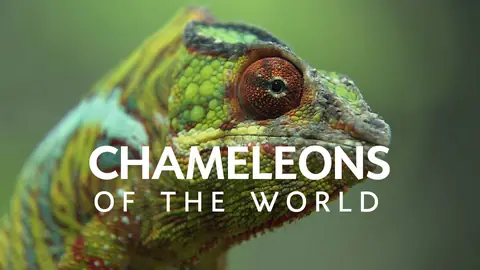 CHAMELEONS OF THE WORLD2 episodes · 30 min each
- What it is about
- Meet chameleons, the strange and mysterious lizards found in only a few places on Earth. We know very little about them. See how they hunt, how they survive by moving slowly, and their secret lives.
- Skills practiced
- Critical thinking
- Before you watch
- Look for the part of the chameleon that is unlike other animals. One part shows a chameleon catching insects. If that feels upsetting, tell me.
- Ask after watching
- If you could change color, when would you do it, and why?
- Try it
- Look for a lizard or gecko at home or in the garden. Notice when it freezes, and what its color matches around it.
- Talk about it at home
- Do we have lizards or geckos at home? Do our grandparents have a story about a chameleon or a lizard?
- Heads up
- Animals hunting each other
156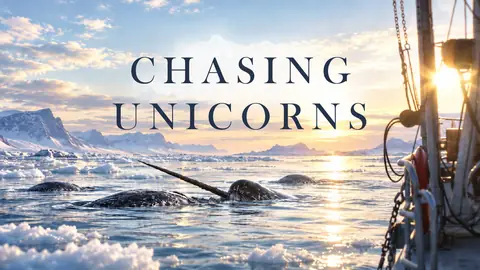 Chasing Unicorns1 episode · 60 min eachPrep 1
- What it is about
- Join a 30-day mission of scientists, sailors, and adventurers hunting for the narwhal, a mysterious whale with a long tusk, in the icy waters near the pole.
- Skills practiced
- Communication and teamwork
- Before you watch
- Notice what the people use to travel in the freezing cold. Some parts are risky. If that feels upsetting, tell me.
- Ask after watching
- If you went looking for an animal nobody has seen, what would you bring?
- Try it
- Draw an imaginary animal that lives in a very cold place. Tell a grown-up what it eats and how it lives.
- Talk about it at home
- Did our grandparents ever go far away to search for something? How did they get ready?
- Heads up
- Animals hunting each other, Disasters
157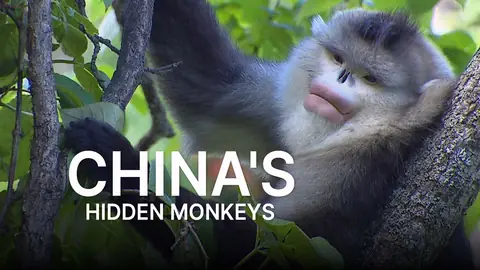 China's Hidden Monkeys1 episode · 60 min eachPrep 1
- What it is about
- Climb into the thick mountain forests of China to see a mysterious monkey that science did not know for 100 years. It is close to disappearing, and scientists are racing to help it survive.
- Skills practiced
- Global citizenship
- Before you watch
- Notice what the monkeys live on and what they eat.
- Ask after watching
- If you were a monkey on a tall mountain, what would you want from the people who come to help?
- Try it
- Draw a monkey and its forest. Write what the monkey needs to live, like trees, water, and food.
- Talk about it at home
- Are there monkeys near us? Were there more when our grandparents were kids?
- Heads up
- Death
158 Chinese Merganser1 episode · 60 min eachPrep 0
- What it is about
- Meet the oldest kind of wild duck in the world, which has lived on Earth for a very long time. The film also shows many kinds of birds in the sky, in the forest, and along rivers.
- Skills practiced
- Critical thinking
- Before you watch
- Notice how this duck is different from the ducks we know.
- Ask after watching
- This duck has lived a very long time. What do you think it has seen?
- Try it
- With a grown-up, find birds or ducks by water near home. Stay well back from the water's edge. Sit and watch for 10 minutes, then draw one bird you saw.
- Talk about it at home
- What birds did our grandparents see by the water when they were kids? Are they still there?
159City of Ants1 episode · 60 min eachPrep 0
- What it is about
- New technology and high-quality cameras explore how millions of ants think and connect. Go inside the secret society of ants.
- Skills practiced
- Communication and teamwork
- Before you watch
- Notice what job each ant has.
- Ask after watching
- If you were an ant, which job in the nest would you want?
- Try it
- Find ants in the yard and watch which way they walk. Put down a tiny crumb and see how the ants tell each other.
- Talk about it at home
- What kinds of ants do we have at home? How did our grandparents keep ants away?
160 CLIFF WALKERS1 episode · 30 min eachPrep 1
- What it is about
- Visit Chitral Gol National Park in Pakistan, with its steep cliffs, to see the markhor, a mountain goat that lives on the rock faces.
- Skills practiced
- Critical thinking
- Before you watch
- Notice how the goats place their feet on the cliffs. Some parts show goats fighting and an animal hunting. If that feels upsetting, tell me.
- Ask after watching
- If you walked on a cliff like a goat, how would you keep from falling?
- Try it
- With a grown-up nearby, walk along a chalk line or a flat board lying on the ground. Tell a grown-up what you do to keep your balance.
- Talk about it at home
- Have our grandparents climbed steep hills? How did they keep from slipping?
- Heads up
- Animals hunting each other
161Wild Colombia1 episode · 90 min eachPrep 1
- What it is about
- Visit Colombia, a land with a huge variety of life, from glaciers on high mountains and mysterious lakes to a lost world. Many parts are being damaged, and many animals are close to disappearing.
- Skills practiced
- Global citizenship
- Before you watch
- Notice the animals and plants you have never seen before. Some parts show animals hunting. If that feels upsetting, tell me.
- Ask after watching
- Which place in the film would you most like to visit, and why?
- Try it
- Count how many kinds of plants and animals live in your yard or garden. Draw your favorite one.
- Talk about it at home
- Was there something in the forest or garden near us that our grandparents remember but we can't see anymore?
- Heads up
- Death
162 Egret1 episode · 60 min eachPrep 1
- What it is about
- Follow egrets in China, birds that people there believe bring good luck. Each year they migrate to find a place to nest, and feed their chicks until they are ready to fly with the flock.
- Skills practiced
- Critical thinking
- Before you watch
- Notice how the egret stands while fishing. Some parts show hungry chicks that don't get fed. If that feels upsetting, tell me.
- Ask after watching
- The egret stands very still for a long time. How do you think it stays that still?
- Try it
- Stand on one leg like an egret for as long as you can. Then tell a grown-up how it felt.
- Talk about it at home
- Are there egrets or white birds by the rice fields near us? What time of year did our grandparents say they come?
- Heads up
- Animals hunting each other
163 Expedition Guyana1 episode · 60 min eachPrep 1
- What it is about
- Follow an expedition team into the rainforest of Guyana, in the north of the Amazon, where nature is still wild. See ancient trees, giant otters, capuchin monkeys, eagles, and animals no one has named yet.
- Skills practiced
- Critical thinking
- Before you watch
- Notice what strange things the team finds in the forest. Some parts show animals hunting. If that feels upsetting, tell me.
- Ask after watching
- If you found an animal nobody had a name for, what would you call it, and why?
- Try it
- Look in the yard for a plant or bug you don't know. Give it your own name, then draw it and write where you found it.
- Talk about it at home
- What did our grandparents call plants or animals we don't know? Tell us the local names.
- Heads up
- Animals hunting each other
164 Expedition New Guinea2 episodes · 60 min eachPrep 1
- What it is about
- Journey into the forests of New Guinea, the biggest tropical island in the South Pacific. It is home to rare animals that evolved in their own special ways, like birds of paradise and tree kangaroos.
- Skills practiced
- Critical thinking, Communication and teamwork
- Before you watch
- Notice what the birds of paradise do to get attention. Some parts show animals hunting. If that feels upsetting, tell me.
- Ask after watching
- If you had to dance or show off to get your friends' attention, what moves would you do?
- Try it
- Dance like a bird of paradise. Dress up in leaves or cloth, and let a grown-up guess what you are trying to say.
- Talk about it at home
- Have our grandparents seen a bird or animal that dances or shows off? Tell us about it.
- Heads up
- Animals hunting each other
165 Extraordinary Animals14 episodes · 30 min each
- What it is about
- Meet animals with amazing skills and smarts, like an elephant that paints, a sea lion who understands sign language, a search dog, and other animals that make people say wow.
- Skills practiced
- Critical thinking, Creative thinking
- Before you watch
- Notice what each animal is good at and who taught it.
- Ask after watching
- If you could teach an animal to do one thing, what would you teach, and how?
- Try it
- Teach a grown-up something simple you can do, like folding paper. Show them without using words.
- Talk about it at home
- Have our grandparents ever seen a very clever animal? Tell us about it.
- Heads up
- Claims that are not proven, Death, Disasters
166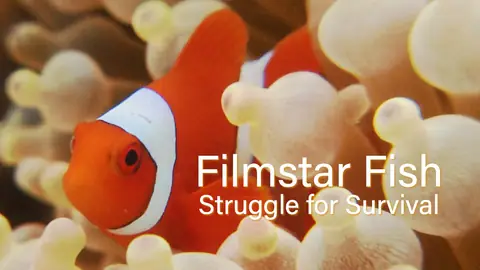 Filmstar Fish - Struggle for Survival1 episode · 60 min eachPrep 1
- What it is about
- Clownfish became famous after a Disney movie, and that fame put them in danger because so many people wanted one. Researchers are finding ways to help, including raising clownfish and studying how they live with sea anemones on the reef.
- Skills practiced
- Global citizenship
- Before you watch
- Notice how the clownfish and the sea anemone live together. Some scenes show fish being caught. If that feels upsetting, tell me.
- Ask after watching
- How do the fish and the sea anemone help each other? What did you see?
- Try it
- Act it out in pairs. One of you is the clownfish who keeps watch, and one is the sea anemone who gives a hiding place. Talk about how you helped each other.
- Talk about it at home
- Have our grandparents seen two animals that live together and help each other, like a bird that rides on a buffalo?
- Heads up
- Death
167Fish Life5 episodes · 30 min eachPrep 1
- What it is about
- This series swims through life under the sea. You will visit coral reefs, home to a huge share of ocean life, meet animals that hide because they are not strong, and see how sharks fit into the food chain.
- Skills practiced
- Critical thinking
- Before you watch
- Look for how each fish hides or finds food. Some scenes show fish eating other fish. If that feels upsetting, tell me.
- Ask after watching
- Which fish is your favorite? What do its colors and moves look like?
- Try it
- Draw the best hiding fish you can on paper the same color as the fish. Then ask a grown-up to find it.
- Talk about it at home
- Do we catch or keep fish at our home? Ask our grandparents which fish they know.
- Heads up
- Animals hunting each other
168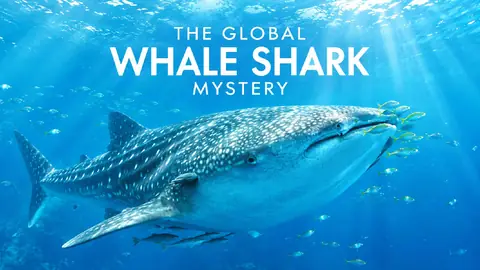 The Global Whale Shark Mystery1 episode · 60 min eachPrep 0
- What it is about
- The whale shark is the biggest fish in the sea, yet it is still a mystery. Scientists know little about its life, and people have only just started to learn how we connect with it.
- Skills practiced
- Critical thinking
- Before you watch
- Notice how big the whale shark is next to a person.
- Ask after watching
- If you swam beside a whale shark, how would you feel?
- Try it
- Use rope to measure out a whale shark's length on the playground. Then line up grown-ups end to end to see how many it takes.
- Talk about it at home
- Are there any big water animals near our home? Have our grandparents ever seen one?
169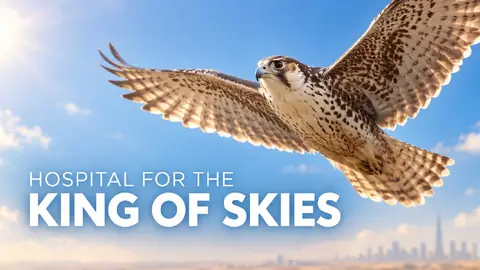 Hospital for the King of Skies1 episode · 60 min eachPrep 1
- What it is about
- Visit the first falcon hospital in the world, in the United Arab Emirates. The doctors there care for about 3,000 falcons every year.
- Skills practiced
- Global citizenship
- Before you watch
- Some falcons in this film are hurt. If that feels upsetting, tell me. Watch what the doctors do for each bird.
- Ask after watching
- If your falcon were sick, what would you want the doctor to do for it?
- Try it
- Draw the animal hospital you would build. How many rooms does it have, and what is each room for? Tell a grown-up about it.
- Talk about it at home
- Have we ever had a pet at home? When our grandparents were kids, what did they do when an animal got sick?
- Heads up
- Death, Blood or dissection
170 Humpbacks - Cracking The Code1 episode · 60 min eachPrep 0
- What it is about
- Scientists are trying to crack the code of the humpback whale's song. They know one song can travel to whales on the other side of the world, but they do not yet know what the singing is for.
- Skills practiced
- Critical thinking
- Before you watch
- Listen closely to the whale sounds. What do they sound like? Do you hear them repeat?
- Ask after watching
- If you could talk to a whale, what would you ask? What would you want it to say back?
- Try it
- Listen to the sounds around you on the playground for 1 minute. Then guess together what each sound is trying to say.
- Talk about it at home
- Is there a sound at home that tells us right away who it is? What calls did our grandparents use when they were kids?
171It's Christmas In The Savannah1 episode · 60 min eachPrep 0
- What it is about
- On the African savanna, one big tree is covered in yellow flowers that look like Christmas decorations. Many different animals count on it.
- Skills practiced
- Critical thinking
- Before you watch
- Notice all the ways animals use this one tree.
- Ask after watching
- What do you think would happen to the animals if this tree disappeared?
- Try it
- Sit and watch one big tree for 10 minutes. Write down which animals visit and what they do there. Then tell a friend.
- Talk about it at home
- Is there a big old tree near our home or village? What stories do our grandparents tell about it?
172 Jaglavak Prince of insects1 episode · 60 min eachPrep 1
- What it is about
- In the Mandara Mountains in northern Cameroon, the Mofu people have to make deals with insects to grow good crops. Some insects are friends, and some are enemies they must get rid of.
- Skills practiced
- Global citizenship
- Before you watch
- Some insects in this film harm plants. If that feels upsetting, tell me. Watch what the people do about the insects.
- Ask after watching
- Some insects help people and some hurt plants. How can you tell which kind is which?
- Try it
- Find an insect in a garden or on the playground. Watch what it does to the plants, then draw it and tell us about it.
- Talk about it at home
- What do we grow at home? When our grandparents were kids, what did they do when insects ate the vegetables?
- Heads up
- Animals hunting each other
173 Kalahari Meerkats2 episodes · 30 min eachPrep 1
- What it is about
- Follow a meerkat group in the Kalahari Desert as it shares its home with many other animals. Some of them are not friendly. This series follows the group through the seasons.
- Skills practiced
- Communication and teamwork
- Before you watch
- Some scenes show danger for the meerkats. If that feels upsetting, tell me. Watch how the meerkats help each other.
- Ask after watching
- What does each meerkat do when danger comes? If you were in the group, what job would you want?
- Try it
- Play meerkats. One of you stands guard while the others look for food, then switch jobs. Ask each other how each job felt.
- Talk about it at home
- Does someone at home keep watch for everyone? How did our grandparents' village look out for each other?
- Heads up
- Animals hunting each other, Death
174 Koalas - Slow Life in the Fast Lane1 episode · 60 min eachPrep 1
- What it is about
- Koalas are the most loved animals in Australia. They look cute and move slowly, but there is more to their lives than you might think.
- Skills practiced
- Global citizenship
- Before you watch
- Koalas face some problems in this film. If that feels upsetting, tell me. Watch what a koala does all day.
- Ask after watching
- Koalas look slow. What surprised you?
- Try it
- Walk very slowly for 1 minute, then walk fast. Which one is more tiring? Then draw a koala doing something new you learned.
- Talk about it at home
- Is there someone at home who does things slowly but does them well? Did our grandparents ever see an animal that looked lazy but was not?
- Heads up
- Death
175 Lembeh strait where fish walk1 episode · 60 min eachPrep 1
- What it is about
- Lembeh Strait in Indonesia is home to rare sea animals, including strange fish that walk along the sea floor and unusual squid.
- Skills practiced
- Critical thinking
- Before you watch
- Some sea animals in this film catch and eat others. If that feels upsetting, tell me. Notice how these animals hide or walk.
- Ask after watching
- Which fish has the strangest face? How do you think that face helps it?
- Try it
- Draw an imaginary animal that lives in a new place. Write about how its shape helps it hide or find food.
- Talk about it at home
- Which water animals at our home are good at hiding? Where did our grandparents catch fish or shrimp as kids, and what strange things did they find?
- Heads up
- Animals hunting each other
176 Macro Worlds1 episode · 60 min eachPrep 1
- What it is about
- Get up close to tiny insects that look like characters in a scary movie, like praying mantises, crickets, and beetles. See how they hunt, survive, and keep their secrets.
- Skills practiced
- Critical thinking
- Before you watch
- Some insects in this film hunt and eat each other. If that feels upsetting, tell me. Watch how the tiny insects move.
- Ask after watching
- Even tiny insects have ways to stay alive. Which way did you like best?
- Try it
- Find an insect on the playground or in a garden. Watch it for 5 minutes without touching it, then draw what it was doing.
- Talk about it at home
- Are there insects our grandparents eat or use at home? What insects did they like to play with as kids?
- Heads up
- Animals hunting each other, Death
177 Making Pandas1 episode · 60 min eachPrep 1
- What it is about
- A wildlife park in Singapore tries for the very first time to help a panda have a cub. They let the pandas pair up on their own and also try help from science. In the film, it does not work at first, because everything is new to them.
- Skills practiced
- Critical thinking
- Before you watch
- In this film, people work hard to help pandas have a cub. Watch what they do.
- Ask after watching
- If you tried many times and it still did not work, what would you want the people in the film to do next?
- Try it
- Tell about something you tried again and again, like riding a bike. Then draw the moment you finally did it.
- Talk about it at home
- Have we tried something many times before it worked? What did our grandparents try again and again when they were kids?
- Heads up
- Death, Blood or dissection
178Kalahari Meerkats1 episode · 60 min eachPrep 1
- What it is about
- For 20 years, scientists ran special experiments to learn the secrets of a famous meerkat family. The family even starred in Hollywood.
- Skills practiced
- Communication and teamwork
- Before you watch
- Some scenes show meerkats facing an enemy. If that feels upsetting, tell me. Watch what the meerkat standing tall is doing.
- Ask after watching
- A meerkat stands guard for its friends. How do you think the guard feels?
- Try it
- Play meerkats. One of you stands guard while the others sit and play. If someone sneaks up, the guard calls out a warning. Then swap.
- Talk about it at home
- Does someone at home look out for everyone? When our grandparents were kids, who watched over the house?
- Heads up
- Animals hunting each other, Death
179 Mission Critical1 episode · 60 min eachPrep 1
- Good to know before watching
- The film shows city leopards and white sharks that people fear, and some scenes may include people getting hurt. Preview before watching with your child.
- What it is about
- Three photographers set out to capture animals that clash with people: leopards in the city of Mumbai, orangutans in Borneo as forests shrink, and white sharks that people see as villains. They look for ways people and animals can share the world.
- Skills practiced
- Global citizenship
- Before you watch
- This film has big animals that people fear. If that feels upsetting, tell me. Watch how people and animals can live close together.
- Ask after watching
- If a big animal came near our home, how would you feel? What would you want everyone to do?
- Try it
- Draw a map of your home. Mark where animals pass by, like cats, mice, or birds, and what time of day.
- Talk about it at home
- Has a wild animal ever come by our home? When our grandparents were kids, what did they do when an animal came close?
- Heads up
- Death
180 Monster Jellyfish1 episode · 60 min eachPrep 1
- What it is about
- Nomura's jellyfish can grow over 6 feet long and weigh up to 440 pounds, making them some of the biggest jellyfish in the world. As the world warms, more of them are showing up and arriving at beaches in huge groups.
- Skills practiced
- Global citizenship
- Before you watch
- Some jellyfish can hurt people. If that feels upsetting, tell me. Notice how big this jellyfish is.
- Ask after watching
- Jellyfish have no brain, yet they float together in big groups. Why do you think they gather?
- Try it
- Use chalk to draw a jellyfish as big as you are on the ground. Have a friend lie down next to it, then tell us if you would want to float in the water.
- Talk about it at home
- Have we or our grandparents seen jellyfish at home or by the sea? Were they ever stung as kids, and how did it feel?
- Heads up
- Animals hunting each other, Death, Scary scenes
181 OL Pejeta Diaries15 episodes · 30 min eachPrep 1
- What it is about
- Spend time at Ol Pejeta Conservancy in Kenya, where people protect rhinos and other wildlife close to extinction while also working with the villagers nearby. One story follows a blind black rhino and the move of animals to a safer place.
- Skills practiced
- Global citizenship, Critical thinking
- Before you watch
- Some animals here are blind or must move to a new home. If that feels upsetting, tell me. Watch how people help the rhinos.
- Ask after watching
- If an animal were blind, how do you think its life would be different? What would you want to do to help?
- Try it
- On flat ground, with a grown-up watching, close your eyes and let a friend guide you across the playground for 1 minute. Then say what you needed your friend to do.
- Talk about it at home
- Is there someone at home who needs help from others? When our grandparents were kids, how did the village help each other?
- Heads up
- Death, Fighting, Animals hunting each other
182 Andrea - Queen of The Manta Rays1 episode · 60 min eachPrep 1
- What it is about
- Meet the giant manta ray, with wings about 16 feet wide, an animal few people know. A woman biologist works to understand it so she can protect it.
- Skills practiced
- Global citizenship
- Before you watch
- Notice how big the manta ray is. Compare it with our classroom.
- Ask after watching
- If you got to swim with a giant manta ray, how would you feel?
- Try it
- Use rope or sticks to mark out 16 feet on the ground, about 5 meters. Line kids up to see how many fit across a manta ray's wings.
- Talk about it at home
- Have we ever seen a big water animal? What big creatures did our grandparents see in the rivers or sea nearby?
- Heads up
- Death
183 Return of the Clouded Leopards1 episode · 60 min eachPrep 1
- What it is about
- A young clouded leopard is found in a forest in India. These cats are rare and hard to find. The cub must learn to survive and find food on its own. If it makes it, the species may have hope.
- Skills practiced
- Global citizenship
- Before you watch
- This film follows a cub learning to survive. Some scenes may feel sad or tense. If so, tell me. Watch what the cub learns.
- Ask after watching
- The cub has to find food by itself. Have you ever had to learn to do something on your own? How did it go?
- Try it
- Teach a friend something simple you can do, like folding paper. See if your friend learns by watching or by trying.
- Talk about it at home
- What did our grandparents teach us to do on our own? Who taught them something for the first time when they were kids?
- Heads up
- Animals hunting each other, Death
184 Shark Shoot - Fiji1 episode · 60 min eachPrep 1
- What it is about
- A team of photographers travels to remote places, including Fiji, to film animals that look scary. They face a volcano, swim with sharks, and run alongside cheetahs.
- Skills practiced
- Creative thinking
- Before you watch
- This film has sharks and big animals. If that feels upsetting, tell me. Watch how the photographers get their best shots.
- Ask after watching
- If you were a photographer, what picture would you want to take that no one else has?
- Try it
- Take a photo or draw a small thing at home or school from a new angle, like looking up from the floor. Tell us what you saw that was new.
- Talk about it at home
- Do we have old photos at home that our grandparents kept? What stories can they tell about those pictures?
- Heads up
- Animals hunting each other, Fighting, Scary scenes
185 Sixgill shark in to the abyss1 episode · 60 min eachPrep 1
- What it is about
- A diver goes looking for the sixgill shark in the Strait of Messina, Italy. The deep dives are risky, and she does not find that shark, but she meets a big shark in shallow water by surprise. Meanwhile a scientist studies the same kind of shark in Puget Sound, near Seattle.
- Skills practiced
- Critical thinking
- Before you watch
- This film has deep dives and big sharks. If that feels upsetting, tell me. Notice how strange this shark looks.
- Ask after watching
- A shark deep in the dark water has to find its way. How do you think it sees?
- Try it
- Turn off the lights in a room and find an object using your hands instead of your eyes. How do you know what it is?
- Talk about it at home
- Have we ever looked for something in the dark at home? When our grandparents were kids and there was no electricity, what did they do?
- Heads up
- Animals hunting each other, Scary scenes
186 Sky Safari - Australia1 episode · 60 min eachPrep 0
- What it is about
- Millions of years ago, a continent broke away and became a world of its own: Australia, with one-of-a-kind land and very unusual animals. Looking down from the sky shows how each piece of land fits together.
- Skills practiced
- Critical thinking
- Before you watch
- Look at the land from above. Notice how the colors and shapes change from place to place.
- Ask after watching
- What do the animals in these unusual places look like? Which one do you like, and why?
- Try it
- Draw a map of the school playground as if you were looking down from above. Show it to a friend and ask them to guess where it is.
- Talk about it at home
- Do we have an old map or a photo of our village from above? Can our grandparents tell us how this place has changed?
187 The Real Guinea Pig1 episode · 60 min eachPrep 0
- What it is about
- Meet wild guinea pigs and pet guinea pigs, whose lives and habits are very different, and learn what people have believed about them. A university in Germany studies guinea pig groups because they look a lot like human communities.
- Skills practiced
- Critical thinking
- Before you watch
- Notice how wild guinea pigs and pet guinea pigs are different.
- Ask after watching
- Why do you think wild guinea pigs and pet ones are different? What is your guess?
- Try it
- Watch a pet and a wild animal of the same kind, like a house cat and a stray cat. Find what is different, then draw it and tell us.
- Talk about it at home
- Do we or our neighbors keep animals for food or for special ceremonies? Can our grandparents tell us why?
188 THE SAVANNAH QUIZ1 episode · 60 min eachPrep 1
- What it is about
- The African savanna is full of unusual animals, and each one is special in its own way. People have many questions about them, and now you can watch the answers.
- Skills practiced
- Critical thinking
- Before you watch
- Some animals in this film hunt other animals. If that feels upsetting, tell me. Guess each answer before you see it.
- Ask after watching
- Which answer did you guess wrong? How do you feel about the real answer now?
- Try it
- Make up 3 questions about animals you see near home. Then ask a grown-up or a friend if they can answer them.
- Talk about it at home
- What animal question do we want answered? What interesting things do our grandparents know about animals? Let's ask them.
- Heads up
- Fighting
189 Toki Tales1 episode · 60 min eachPrep 1
- What it is about
- The toki, or crested ibis, is a bird much loved in Japan that once nearly vanished from the wild. Scientists, officials, and people in Japan and China worked together to bring it back, though forests have shrunk a lot.
- Skills practiced
- Global citizenship
- Before you watch
- Something sad may happen to a small bird in this film. If that feels upsetting, tell me. Watch how people help the birds.
- Ask after watching
- People from two countries worked together to help the birds. How do you think they felt?
- Try it
- Make a simple bird feeder from things you would throw away. See if any birds come to eat. If they do, draw them.
- Talk about it at home
- Is there a bird we used to see a lot but rarely see now? What birds did our grandparents see when they were kids?
- Heads up
- Death
190 Undersea Edens4 episodes · 30 min eachPrep 1
- What it is about
- The north coast of Papua New Guinea is a hidden island paradise, with some of the most coral and fish of anywhere on Earth. This series visits many places, from rainforest to reef, a kingdom of coral, and desert to reef.
- Skills practiced
- Critical thinking
- Before you watch
- Some fish in this film eat other fish. If that feels upsetting, tell me. Count how many colors of fish you can find.
- Ask after watching
- Where on the coral does each fish live? Which fish would you like to be friends with?
- Try it
- Use colored pencils to draw the coral as an underwater city with homes for small and big fish. Tell us who lives in which home.
- Talk about it at home
- Have we been to the sea or a river? What pretty or strange fish did our grandparents see when they were kids?
- Heads up
- Animals hunting each other, Death, Fighting
191 Untamed Valley1 episode · 60 min eachPrep 1
- What it is about
- In a Zambian valley, a lagoon full of hippos draws many animals that share the water and compete to survive. In the dry season the water nearly disappears, and then the rains return and everything turns green again.
- Skills practiced
- Critical thinking
- Before you watch
- The water dries up here, animals struggle, and some die. If that feels upsetting, tell me. Watch what the animals do as the water runs low.
- Ask after watching
- What do the animals do when the water dries up? If you were there, who would you want to help you?
- Try it
- Put one cup of water aside for the whole day, to share with a pet or a plant. See if it is enough, then tell us how that felt.
- Talk about it at home
- Is there less water at our home in the dry season? How did our grandparents find and share water when they were kids?
- Heads up
- Animals hunting each other
192 Valley of Flood and Fire2 episodes · 60 min eachPrep 1
- What it is about
- The Luangwa Valley in Zambia changes from dry and dusty to green and wet in the rainy season, when many animals have their babies. Then comes a hard dry season, until the rain returns.
- Skills practiced
- Critical thinking
- Before you watch
- The dry season is hard here, animals struggle, and some die. If that feels upsetting, tell me. Watch how the valley changes after the rain.
- Ask after watching
- When the rain comes, many animals have babies. Do you think the animals are happy? What did you see that shows it?
- Try it
- Draw two pictures of the same valley, one in the dry season and one in the rainy season, using different colors. Tell us where each animal is.
- Talk about it at home
- In which season do animals have their babies near our home? When did our grandparents see the most baby animals?
- Heads up
- Animals hunting each other, Death
193 What Females Want and Males Will Do2 episodes · 60 min eachPrep 1
- What it is about
- Episode 1 follows a male with a golden mane, where the female makes every choice, including which male to pick. Episode 2 follows the Australian lyrebird, which can copy almost any sound and uses its voice to win a mate.
- Skills practiced
- Critical thinking, Communication and teamwork
- Before you watch
- Watch how the male animals try to get the female's attention. What do they do?
- Ask after watching
- The lyrebird copies sounds all around it. What sound would you like to copy?
- Try it
- Play a copycat sound game. Make an animal sound or a sound from around the house, and have a friend guess what it is.
- Talk about it at home
- Are there birds or animals near our home with a lovely song? What sounds did our grandparents hear in the morning when they were kids?
- Heads up
- Sensitive topics (war, religion, politics)
194 White Lions Born Wild1 episode · 60 min eachPrep 1
- What it is about
- A white lion cub has a different color from the rest of the pride, which makes life in the wild hard. Luckily its mother protects and cares for it until it can protect itself.
- Skills practiced
- Emotional intelligence
- Before you watch
- The cub faces danger in some scenes. If that feels upsetting, tell me. Watch how the mother lion takes care of her cub.
- Ask after watching
- The white cub looks different from the others. How do you think the cub feels?
- Try it
- Draw yourself in a group, and show one way you are different from the others. Tell us what that difference helps you do well.
- Talk about it at home
- Is there someone at home who looks different from others but is loved by everyone? Did our grandparents have a friend who was different?
- Heads up
- Animals hunting each other, Death
195 Wild 242 episodes · 60 min eachPrep 1
- What it is about
- This series watches animals around the clock, all day and all night, in different wild places: the African savanna, the Atacama Desert in Chile, one of the driest places on Earth, and the island of Tasmania, home to rare animals.
- Skills practiced
- Critical thinking
- Before you watch
- Some animals here hunt other animals. If that feels upsetting, tell me. Watch what the animals do from morning to night.
- Ask after watching
- If you were one of the animals, what time of day would you like best?
- Try it
- Watch an animal or bird near home in the morning, at midday, and in the evening. Draw what it does at each time.
- Talk about it at home
- Which animals visit our home in the morning and in the evening? What did our grandparents hear in the morning when they were kids?
- Heads up
- Animals hunting each other, Death
196Wildlife Icons3 episodes · 60 min eachPrep 1
- What it is about
- These films are about animals that stand for the wild. Meet vultures, the cleanup crew of Africa, and frogs, which live on every continent except Antarctica in a world that is changing fast. You will also see packs of hunters and animals that live side by side.
- Skills practiced
- Global citizenship, Critical thinking
- Before you watch
- Some animals in this film eat dead animals or hunt others. If that feels upsetting, tell me. Watch how this animal helps keep the land clean.
- Ask after watching
- Vultures eat dead animals. What good do you think vultures do for the wild?
- Try it
- Work together to clean up one corner of your room or the playground, like nature's cleanup team. Then tell us who did what.
- Talk about it at home
- Does anyone at home or in our village pick up trash or clean up? When our grandparents were kids, who kept the village clean?
- Heads up
- Death, Animals hunting each other
197 The Big Feed10 episodes · 30 min each
- What it is about
- Go behind the scenes with zoo keepers who prepare meals for many animals, like giant pandas, red pandas, lions, and orangutans. You will see where food comes from and how animals are fed in a zoo.
- Skills practiced
- Critical thinking, Creative thinking
- Before you watch
- Watch how the keepers prepare food for each animal. Why is each meal different?
- Ask after watching
- Why does each animal need different food? What did you notice that gave you a clue?
- Try it
- Plan 3 meals for 3 characters who eat different things. Draw them and tell us why each plate is different.
- Talk about it at home
- Does someone at home eat differently from others, like a grandparent or a baby? How did our grandparents cook different food for different people?
- Heads up
- Animals hunting each other, Fighting
198 Undiscovered Vistas6 episodes · 60 min eachPrep 1
- What it is about
- Explore wild places few people have seen, like Iceland, a land shaped by fire and carved by ice, plus Wales, Ireland, Vancouver Island, the Sierra, and Costa Rica. One story visits Iceland, the land of fire and ice.
- Skills practiced
- Critical thinking, Global citizenship
- Before you watch
- Notice what a place with both fire and ice looks like.
- Ask after watching
- If fire and ice are right next to each other, what do you think happens? What is your guess?
- Try it
- Try a small experiment. Put one ice cube in a hot place and one in a cool place, and see how they melt differently. Draw what happens.
- Talk about it at home
- How are summer and winter different at our home? What did our grandparents play in the cold season when they were kids?
- Heads up
- Disasters
199 Arlberg - The Hidden Paradise1 episode · 60 min eachPrep 1
- What it is about
- Visit the Arlberg mountains in Austria and see how people and wild animals live through winter.
- Skills practiced
- Global citizenship
- Before you watch
- Some animals here are cold or hungry. If that feels upsetting, tell me. Watch what people and animals do in winter.
- Ask after watching
- What do people and animals on the cold mountain do in the same way?
- Try it
- Draw people and animals in winter. Show what each one does to stay warm and find food, then tell us about it.
- Talk about it at home
- How do we stay warm in the cold season at our home? What did our grandparents use when they were kids?
- Heads up
- Animals hunting each other
200 Barney's Barrier Reef12 episodes · 30 min eachPrep 1
- What it is about
- Australia has the biggest coral reef in the world, where every living thing is connected, like a family tree that goes back a very long time. This series visits many sea animals, including expert hiders and hunters.
- Skills practiced
- Critical thinking, Communication and teamwork
- Before you watch
- Some animals here hunt other animals. If that feels upsetting, tell me. Watch which animal tricks another into getting it wrong.
- Ask after watching
- What do the animals that hide well use to do it? If you were one, what would you hide from, or chase?
- Try it
- Draw a sea animal that uses color to hide. Color it to blend into the coral you drew, then ask a friend to find it.
- Talk about it at home
- Have we seen animals hiding when we visited the sea or a river? Did an animal ever fool our grandparents?
- Heads up
- Animals hunting each other, Scary scenes
201 Camp Raiders1 episode · 60 min eachPrep 1
- What it is about
- Kruger National Park in South Africa is a huge, much-loved park with 6 kinds of natural areas covering nearly 20,000 square kilometers. It is home to many beautiful plants and animals.
- Skills practiced
- Critical thinking
- Before you watch
- Animals may come into people's camps in this film. If that feels upsetting, tell me. Notice which animals visit the camp.
- Ask after watching
- If a big animal came close to our camp, how would you feel, and what would you do?
- Try it
- With a grown-up, make up rules together for what to do when an animal comes close, like a strange cat or dog. Never touch or feed an animal you do not know. Then draw one warning sign.
- Talk about it at home
- Has an animal ever come into our home? When our grandparents were kids, which animals came in, and what did they do?
- Heads up
- Animals hunting each other
202 CONGO2 episodes · 60 min eachPrep 1
- What it is about
- Meet the living things that depend on the Congo River, a great river of Africa, from tiny creatures to giants of the rich forest. Stories include how the deeper you go the more dangerous it gets, and the giant apes.
- Skills practiced
- Critical thinking
- Before you watch
- Some animals here hunt other animals. If that feels upsetting, tell me. Count how many kinds of animals use this river.
- Ask after watching
- What does the river give the animals? What do you think it gives the people, too?
- Try it
- Draw a river with the people and animals that use its water, to drink, wash, or find food. Then tell us about it.
- Talk about it at home
- Is there a river or canal near our home? What did our grandparents use the river for when they were kids?
- Heads up
- Animals hunting each other
203 Discovering Animal Behavior1 episode · 30 min eachPrep 1
- What it is about
- Discover animals that do surprising things, like a new kind of mountain ant in Spain that uses the sun to find its way, and a colorful bird that talks with its feathers.
- Skills practiced
- Critical thinking
- Before you watch
- Some animals in this film may hunt others. If that feels upsetting, tell me. Watch how the ant finds its way home.
- Ask after watching
- How does the ant know the way home? What is your guess?
- Try it
- Follow one ant from a distance on the playground or at home. See where it goes and whether it returns the same way. Draw its path.
- Talk about it at home
- Where do we see ants at home? How did our grandparents watch ants when they were kids?
- Heads up
- Animals hunting each other
204 Extreme Ice1 episode · 60 min eachPrep 1
- Good to know before watching
- Ice breaking faster than expected and a photographer taking risks may worry some children about global warming. Tell your child that many people are studying and working on the problem, and that kids can help by saving water and power.
- What it is about
- In the coldest icy lands on Earth, something unexpected is happening. Icebergs and ice sheets are breaking apart faster than anyone thought. Scientists try to predict what comes next, and a photographer takes risks to capture it.
- Skills practiced
- Global citizenship
- Before you watch
- Notice how the ice in this film changes.
- Ask after watching
- The ice is melting day by day. How do you think the animals that live there feel?
- Try it
- Put one ice cube on a plate in the shade and another in the sun, and see how they melt differently. Then ask a grown-up if the world's big ice melts the same way.
- Talk about it at home
- When our grandparents were kids, did we have ice or cold things at home? How did they keep food from spoiling?
- Heads up
- Disasters
205 Hotspots: The Last Hope5 episodes · 60 min eachPrep 1
- What it is about
- Visit places where many kinds of living things are at risk of dying out, like rainforests in Australia, Borneo with its many monkeys, Madagascar, and the Mediterranean. People work to save animals close to extinction.
- Skills practiced
- Global citizenship
- Before you watch
- Some animals here are small and struggling. If that feels upsetting, tell me. Watch who helps these rare animals.
- Ask after watching
- Some animals are close to disappearing from the Earth. How would you like to help them?
- Try it
- Make a poster asking friends to care for one rare animal or plant at school or in your community. Tell how friends can help.
- Talk about it at home
- Is there an animal our grandparents used to see often that is hard to see now? Ask them to tell us about it.
- Heads up
- Death, Animals hunting each other
206 Island of the Monsoon1 episode · 60 min eachPrep 0
- What it is about
- Visit the island of Sri Lanka. One story searches for the young female leopard who may become the new queen of Yala National Park. Another follows a newborn elephant calf in the biggest elephant herd in Asia, from its first look at the world to a big journey.
- Skills practiced
- Emotional intelligence
- Before you watch
- Leopards hunt in some scenes. If that feels upsetting, tell me. Watch what the baby elephant learns from the herd.
- Ask after watching
- Who does the baby elephant learn from? What have you learned from people at home?
- Try it
- Teach a grown-up or a little brother or sister one thing you learned from someone else. Then say who taught you.
- Talk about it at home
- Who at home teaches young ones something? What did our grandparents learn when they were kids, and from whom?
207 Keepers of the Cape5 episodes · 30 min each
- What it is about
- Explore the wildlife and natural areas of the Western Cape in Africa, and meet local scientists and conservationists doing hopeful work to protect them. One story visits African penguins on Dyer Island.
- Skills practiced
- Global citizenship, Critical thinking
- Before you watch
- Animals face problems in some parts. If that feels upsetting, tell me. Watch how people help the animals.
- Ask after watching
- What do the people who help the penguins do? What animal or plant would you like to help at school?
- Try it
- Care for a tree or a small animal at school together for a week. Write down how it changes.
- Talk about it at home
- Does anyone at home or in our village care for trees or animals? Who did that when our grandparents were kids?
- Heads up
- Death
208Keepers of the Cape7 episodes · 30 min eachPrep 1
- What it is about
- This follow-up to Keepers of the Cape looks at problems and the people solving them, like responsible fishing, West Coast National Park, Cape Agulhas, the Cederberg, and the plants found only in the Cape. One story shows responsible fishing.
- Skills practiced
- Global citizenship, Critical thinking
- Before you watch
- Watch how the people who fish make sure the fish do not run out.
- Ask after watching
- If everyone caught as many fish as they could, what would happen to the fish? What is your guess?
- Try it
- Play a fishing game in a group. Use beans as fish in a bowl in the middle, and take as many as you want for 3 rounds. Talk about what happened at the end.
- Talk about it at home
- Does anyone at home catch fish? Did the fishers have rules when our grandparents were kids?
- Heads up
- Death
209 Lakes on the Roof of the World1 episode · 60 min eachPrep 0
- What it is about
- Qinghai Lake in China is one of the highest lakes in the world, a peaceful, amazing place to visit that holds a long culture. See the lives of people living around the lake, far from anywhere.
- Skills practiced
- Global citizenship
- Before you watch
- Watch how people around a high lake live. What do they eat, and what do they do?
- Ask after watching
- People who live far away live differently from us. What did you see that looks strange, and what looks like us?
- Try it
- Compare one day of your life with a day for the people in the film. Draw two pictures side by side and tell us what is the same and different.
- Talk about it at home
- Is life at our home, or a faraway village, different from here? How was our grandparents' life different from now when they were kids?
210Lakes on the Roof of the World4 episodes · 60 min eachPrep 0
- What it is about
- A series on high lakes in Central Asia, including a lake in Kazakhstan called the pearl of the country, and Lake Issyk-Kul in Kyrgyzstan, with a thousand years of civilization. It also visits Tajikistan.
- Skills practiced
- Global citizenship
- Before you watch
- Watch how people living around each lake live differently.
- Ask after watching
- What does each lake give to the people around it? What do you think people would do if the lake dried up?
- Try it
- Make a map of a body of water near home. Show who uses it and for what, then tell us about it.
- Talk about it at home
- Is there a big body of water near our home? What did our grandparents use the water for?
211 Naica Secrets of the Crystal Caves1 episode · 60 min eachPrep 0
- What it is about
- Scientists and explorers go to the Naica mine in Mexico to solve the mystery of the crystal caves and look for new caves. They find a wonder called the Ice Palace.
- Skills practiced
- Critical thinking
- Before you watch
- Watch how the explorers enter the cave. What do you see that you have never seen before?
- Ask after watching
- Giant crystals take a very long time to grow. How long do you think it takes?
- Try it
- Try making salt crystals the fast way and the slow way. A grown-up prepares the warm water. See which gets bigger, then draw it and tell us.
- Talk about it at home
- What takes a long time to finish at our home? How long did our grandparents wait for a tree they planted?
212 Peace Parks6 episodes · 60 min each
- What it is about
- Peace parks stretch across the borders of countries in Africa, like the Drakensberg between Lesotho and South Africa, and Kgalagadi between Botswana and South Africa, with red sand dunes over 100 kilometers long. A news photographer travels there to learn about nature and wildlife.
- Skills practiced
- Global citizenship, Critical thinking
- Before you watch
- Watch how animals in the park cross from one country into another.
- Ask after watching
- Animals do not know where borders are. What should people from two countries do about forests that touch?
- Try it
- Draw a map of two countries with a forest between them. Put animals walking back and forth, then tell a grown-up what the two countries should do together.
- Talk about it at home
- Is there a place near our home that touches another village? What did the two villages do together when our grandparents were kids?
- Heads up
- Animals hunting each other
213 Red Alert in the Deep Blue1 episode · 60 min eachPrep 1
- What it is about
- Meet sea animals in danger, both from other animals and from people. Lionfish have filled the Caribbean Sea, and there is a plan to reduce how many there are.
- Skills practiced
- Global citizenship
- Before you watch
- Notice who the newcomers in the sea are, and how the first fish are doing. Some animals eat each other. If that feels upsetting, tell me.
- Ask after watching
- If you were a small fish who had lived here a long time, and a fish with a strange face swam in, how would you feel?
- Try it
- Draw a sea with many kinds of fish, then add one new fish with a strange face. Let each fish say how it feels in a few words.
- Talk about it at home
- Has a strange animal or plant ever shown up at our home? What odd things did our grandparents find in the garden or water as kids, and what did they do?
- Heads up
- Animals hunting each other
214 The Best of Australia2 episodes · 60 min each
- What it is about
- Two stories show the beauty of Australia's nature. One visits a mountain range with parks and many plants and animals. The other visits Christmas Island and the Cocos Islands, small islands with plants and animals found nowhere else.
- Skills practiced
- Critical thinking
- Before you watch
- Notice how the animals and trees on the mountains and on the islands are different. On the islands, some animals eat others a little.
- Ask after watching
- How are the animals on the mountains and the animals on the islands different? What did you see?
- Try it
- Walk around your school or home and find 3 different trees. Compare their leaves, bark, and the animals that live there, then draw them.
- Talk about it at home
- Is there a tree at our home with a story? What have our grandparents planted or picked from trees in our village?
- Heads up
- Animals hunting each other
215Undiscovered Vistas3 episodes · 60 min each
- What it is about
- Explore nature in Mexico and Costa Rica, from rainforests with rivers hiding underground to wild places that protect many kinds of animals and trees.
- Skills practiced
- Critical thinking
- Before you watch
- Count how many kinds of animals in the film need water. If animals hunt each other and that feels upsetting, tell me.
- Ask after watching
- If the underground river in the forest disappeared, what do you think would happen to the forest? Why?
- Try it
- Draw a forest from your imagination with 3 animals. Write or tell where each one gets its water.
- Talk about it at home
- Is there a forest or garden near our home? What did our grandparents see in the forest as kids that is gone now?
- Heads up
- Animals hunting each other
216 My Life is a Zoo1 episode · 60 min eachPrep 0
- What it is about
- A couple run a private zoo in Michigan with more than 400 animals, some native and some from far away. Many were rescued. In one story they plan to bring their first hippo to the zoo.
- Skills practiced
- Emotional intelligence
- Before you watch
- Notice how each animal needs something different.
- Ask after watching
- How do you think an animal that was rescued feels here? How do the people who care for it feel?
- Try it
- Draw a sign for an animal you know. Say what it eats, where it lives, and how it needs our help.
- Talk about it at home
- Have our grandparents ever helped an animal that was hurt or lost? What did they do?
217My Life is a Zoo1 episode · 60 min eachPrep 0
- What it is about
- A husband and wife run their own small zoo. Their biggest plan yet is to bring their first hippo to live there.
- Skills practiced
- Critical thinking
- Before you watch
- Notice what the people have to get ready before a big animal arrives.
- Ask after watching
- If you were the hippo, how would you feel arriving at a new home? What could people do to help you feel calm?
- Try it
- Pick an animal you know and draw a great home for it. Tell us what you put inside and why.
- Talk about it at home
- Have we ever kept animals at home? How did our grandparents take care of buffalo or cows when they were kids?
218 Penguin Island2 episodes · 60 min eachPrep 1
- What it is about
- Visit Phillip Island in southern Australia, a place that protects penguins, where researchers protect them from many dangers. You will see predators, a heat wave that small penguins must survive, and a penguin pair.
- Skills practiced
- Critical thinking, Emotional intelligence
- Before you watch
- Notice what small penguins need to watch out for. Some animals hunt each other, and a small penguin may not survive. If that feels upsetting, tell me.
- Ask after watching
- If you were a penguin parent, what would you do to keep your chick safe?
- Try it
- Make a penguin nest from cloth or paper in a corner of the room. Decide where the chick would be safest and draw a plan for a friend.
- Talk about it at home
- Did our grandparents help protect baby animals, like chicks or ducklings, from danger when they were kids? What did they do?
- Heads up
- Animals hunting each other, Death, Blood or dissection
219 Pet Heroes12 episodes · 30 min eachPrep 1
- What it is about
- These films tell stories of brave dogs of many breeds, through interviews with their owners and families. They share dogs that rescue people, warn of illness, or work to help others.
- Skills practiced
- Emotional intelligence, Communication and teamwork
- Before you watch
- Notice how the dog knows it needs to help. Some scenes show people in danger or sick. If that feels upsetting, tell me.
- Ask after watching
- What did the dog do that you think was bravest? Why do you think so?
- Try it
- Act out a short play with friends. One is a dog helping, one is a person who needs help, and one is watching. Then talk about how each felt.
- Talk about it at home
- Has our dog or another pet ever helped someone in our family? Do our grandparents have a story?
- Heads up
- Death, Disasters, Fighting
220 Pet Island4 episodes · 30 min eachPrep 0
- What it is about
- Meet the pets of Ireland, including cats, dogs, horses, donkeys, and small animals. There are dog and cat shows, training, pet care centers, and stories of how pets get along with children and families.
- Skills practiced
- Critical thinking, Creative thinking
- Before you watch
- Notice what owners do for their pets.
- Ask after watching
- What do the owners and pets in the film have in common with our home, and what is different?
- Try it
- Draw your pet or a neighbor's pet. Write 3 things it likes and 3 things it does not like.
- Talk about it at home
- When our grandparents were kids, did our village hold contests or races for animals, like cows, chickens, or birds? Ask them to tell us about it.
221 Pets in Paradise12 episodes · 30 min each
- What it is about
- Meet pets that can do amazing things, like surfing pigs, diving dogs, sniffer dogs, and therapy dogs. This series also shows how people train animals and the friendships that grow between people and pets.
- Skills practiced
- Critical thinking, Emotional intelligence
- Before you watch
- Look for how owners teach animals hard tricks. A few parts show animals having a tough time. If that feels upsetting, tell me.
- Ask after watching
- How do the owners teach their animals to do hard things? What do you think matters most?
- Try it
- Teach a friend or a younger child a simple move, one step at a time, without long instructions. Watch to see if it works.
- Talk about it at home
- Did our grandparents ever teach an animal to do something, like bringing chickens back to the coop or guarding the house? How did they teach it?
- Heads up
- Animals hunting each other, Death, Disasters
222 Pick a Puppy15 episodes · 30 min each
- What it is about
- Families go looking for the perfect puppy. They try out several breeds at home, then choose the one that fits their family best. Some stories follow children who especially need an animal friend.
- Skills practiced
- Critical thinking, Emotional intelligence
- Before you watch
- Notice what the families think about when they choose a dog.
- Ask after watching
- What did the families think about before they brought a dog home? What matters most to you?
- Try it
- Draw the puppy you would like. Then write, or tell a grown-up to write, what you would do to take care of it every day.
- Talk about it at home
- Did our grandparents ever decide to bring an animal home? What did they think about first?
- Heads up
- Death
223Too Cute1 episode · 60 min eachPrep 0
- What it is about
- Meet adorable American shorthair kittens, miniature Australian shepherd puppies, and ragdoll kittens.
- Skills practiced
- Critical thinking
- Before you watch
- Look at how each kitten and puppy has a different personality.
- Ask after watching
- Each baby animal has its own personality. Which one looked most different from the others to you?
- Try it
- Watch two small animals near home, like two kittens or two chickens. Draw them and write how the two are different.
- Talk about it at home
- Did our grandparents ever have an animal with a funny personality? Ask them to tell the story.
224 Wild Japan - Snow Monkeys1 episode · 60 min eachPrep 1
- What it is about
- Snow monkeys live in a valley in central Japan, high in the Japanese Alps. Follow them through very cold weather and see how they live.
- Skills practiced
- Emotional intelligence
- Before you watch
- Look for how the monkeys keep warm in a very cold place. Young monkeys have a hard time in some parts. If that feels upsetting, tell me.
- Ask after watching
- What do the monkeys do to stay warm? What would you do if you were there?
- Try it
- Find ways to stay warm without electricity, like huddling in a group, wrapping up in a blanket, or rubbing your hands together. Then play monkey troop and find the warmest spot in the room.
- Talk about it at home
- On the coldest days of the year, how did our grandparents stay warm, back before there were heaters?
- Heads up
- Death
225 Wild Menu10 episodes · 30 min eachPrep 1
- Good to know before watching
- One part shows animals eating dead animals. Preview it first, and start with the fruit or insect parts.
- What it is about
- Imagine the world as one giant restaurant, where every animal eats to live and everything gets eaten too. Each part looks at a different kind of food, like insects, fruit, dead animals, seafood, and food for baby animals.
- Skills practiced
- Critical thinking, Global citizenship
- Before you watch
- Look for how each animal eats in its own way. Some parts show animals eating other animals. If that feels upsetting, tell me.
- Ask after watching
- Which animal eats in the strangest way? What did you see?
- Try it
- Make a menu of animals on paper. Pick three animals, draw what each one eats, and ask a friend to guess which animal it is.
- Talk about it at home
- What food did our grandparents gather from nature, like greens by the fence or fish from the rice field? Ask them to tell the story.
- Heads up
- Animals hunting each other
226 City Zoo4 episodes · 30 min eachPrep 1
- What it is about
- Visit a city zoo in Pretoria, South Africa, home to more than 3,000 animals from around the world. Each part follows a team caring for one group, like big cats, rhinos, birds, primates, reptiles, and antelope.
- Skills practiced
- Communication and teamwork, Critical thinking
- Before you watch
- Look for what zoo workers do every day. Some parts show sick animals or animals hunting. If that feels upsetting, tell me.
- Ask after watching
- What do the animal keepers do from early morning on? Which job would you most like to do?
- Try it
- Play zoo team. Have friends be different animals, and you check who is hungry, who is sick, and who needs shade.
- Talk about it at home
- Did our grandparents ever care for a sick or hurt animal? What did they do?
- Heads up
- Blood or dissection, Fighting
227 Inside5 episodes · 60 min each
- What it is about
- Go behind the scenes of big events and see how many people work together to make them happen. Visit Chinese New Year in Hong Kong, an air show, Miami airport, Carnival in Rio, the Tutankhamun exhibition, a wildfire fight, and a kidney transplant.
- Skills practiced
- Creative thinking, Communication and teamwork
- Before you watch
- Notice how many people it takes to start a big event. The wildfire and surgery parts can feel scary, so start with the festival or airport.
- Ask after watching
- Who is the one person this event could not happen without? What do you think?
- Try it
- Put on a small show, like a talent show. Give everyone a job, then talk about what would happen if one job got forgotten.
- Talk about it at home
- Who organizes the temple fairs or yearly events in our village? What did our grandparents help with?
- Heads up
- Disasters
228 Life's Journey1 episode · 60 min eachPrep 1
- What it is about
- Follow wild animals through life: being born, growing up, and finding a mate. One part shows newborns watching for danger and growing fast. Another shows animals that reach adulthood and still face challenges. The last is about finding partners and carrying on the family line.
- Skills practiced
- Critical thinking
- Before you watch
- Look for what small animals must watch out for. Some parts show hunting and baby animals that may not survive. If that feels upsetting, tell me.
- Ask after watching
- What do the baby animals do to stay safe? What did you see?
- Try it
- Play hide and seek. One person is the hunter and the others are baby animals looking for the best hiding spot. Then talk about which hiding places worked.
- Talk about it at home
- Did our grandparents ever raise baby animals and protect them from danger, like snakes, mongooses, or hawks? What did they do?
- Heads up
- Animals hunting each other, Death
229 MARGALLA1 episode · 30 min eachPrep 1
- What it is about
- Margalla Hills National Park surrounds Islamabad, the capital of Pakistan, not far from the city center. This film shows the wild animals that live close to a city.
- Skills practiced
- Global citizenship
- Before you watch
- Look for how wild animals live close to people's homes. Some parts show animals hunting each other. If that feels upsetting, tell me.
- Ask after watching
- What must wild animals near a city watch out for? What should people living near the forest do?
- Try it
- Walk around your school or home and look for animal signs, like footprints, nests, feathers, or droppings. Draw what you find and tell a friend.
- Talk about it at home
- Do wild animals come near our home? When our grandparents were young, what animals lived nearby that we rarely see now?
- Heads up
- Animals hunting each other
230 My Family and Other Turkeys with Nigel Marven1 episode · 60 min eachPrep 0
- What it is about
- Turkeys usually show up at holiday feasts. Here, Nigel Marven meets a family of wild turkeys who become the new pets of his household.
- Skills practiced
- Emotional intelligence
- Before you watch
- Look for how each turkey has a different personality.
- Ask after watching
- How does Nigel's family take care of the turkeys, and what do the turkeys do in return? What did you see?
- Try it
- Watch chickens or ducks near home for 10 minutes. Write down what each one does differently, then give each a name that fits its personality.
- Talk about it at home
- How did our grandparents raise chickens or ducks long ago? Was there ever a bird that was strange or extra clever?
231 Reef Wrecks5 episodes · 60 min each
- What it is about
- Shipwrecks and sunken planes under the sea become artificial reefs where sea animals make their homes. Visit places like Bonaire, Florida, the Bahamas, Roatan, and Mexico.
- Skills practiced
- Global citizenship, Critical thinking
- Before you watch
- Look for which animals move into the sunken ships.
- Ask after watching
- How does a sunken ship become a home for animals? What do you think the animals get from it?
- Try it
- Design a fish home on paper using leftover materials. Draw places to hide and places to eat, then explain it to a friend.
- Talk about it at home
- Did our grandparents ever put branches or a broken jar in the water so fish would live there? How did they do it?
- Heads up
- Disasters
232 Secrets of The Exhibit3 episodes · 30 min eachPrep 1
- What it is about
- Go behind the scenes at museums to find out where the objects come from and what secrets they hold. Explore stolen art, a legendary fighter plane, an underground Cold War shelter, dinosaurs, ceramics, and more.
- Skills practiced
- Critical thinking, Creative thinking
- Before you watch
- Look for the secret stories behind objects in a museum. Start with the dinosaur or ceramics parts.
- Ask after watching
- Which object made you most curious? What would you ask about it?
- Try it
- Make a tiny museum from things at home. Pick three, write a short label for each saying what it is, where it came from, and its story, then let friends walk through.
- Talk about it at home
- What old things did our grandparents keep at home? What story goes with them?
- Heads up
- Animals hunting each other, Death
233 I Didn't Know That6 episodes · 30 min eachPrep 1
- What it is about
- Two presenters explore the hidden life of everyday things and how they work. See riot gear, crash test dummies, helmets, a tunnel under a sea channel, hovercraft, and milk tankers.
- Skills practiced
- Critical thinking, Creative thinking
- Before you watch
- Guess what is hiding inside the things we see every day. The helmet and hovercraft parts are fun to start with.
- Ask after watching
- What surprised you most about how an ordinary thing works? What do you want to learn next?
- Try it
- Pick one thing nearby, like a pen or an umbrella. Look closely, or open it up with a grown-up, to see what is inside. Draw the parts and guess what each one does.
- Talk about it at home
- What things did our grandparents make or fix themselves, like woven baskets or tools? How did they do it?
- Heads up
- Fighting, Disasters, Claims that are not proven
234 Eco Engineering2 episodes · 60 min eachPrep 0
- What it is about
- See how engineering can help the planet. One part visits one of the most eco-friendly skyscrapers in the world, a green tower in the middle of New York. The other follows experiments to get clean energy from the ocean.
- Skills practiced
- Creative thinking
- Before you watch
- Look for how the building and the machines help the planet.
- Ask after watching
- If you could design a home that does not hurt the planet, what would you put in it?
- Try it
- Build a model house from boxes or leftover materials, with a roof that catches rain or a place to grow plants. Tell a friend what each part does.
- Talk about it at home
- How did our grandparents save water or electricity, like catching rain or drying clothes in the sun?
235A New Age of Exploration1 episode · 60 min eachPrep 0
- What it is about
- National Geographic leads a new age of exploration, always pushing the limits of discovery. See its explorers use new technology to find new things.
- Skills practiced
- Creative thinking
- Before you watch
- Look for what the explorers use to help them search.
- Ask after watching
- What did the explorers find? What would you most want to find if you went along?
- Try it
- Make a treasure map of your school or home. Mark the interesting spots, then have a friend follow the map to find the treasure.
- Talk about it at home
- Did our grandparents ever tell stories about hiking in the forest or traveling somewhere new?
236 Amazing Plants1 episode · 60 min eachPrep 0
- What it is about
- Plants have many skills. They find food, fight off invaders, call for backup, and spread their seeds. Some plants can move, and scientists have shown it.
- Skills practiced
- Critical thinking
- Before you watch
- Watch for how plants move or change when light shines on them or someone touches them.
- Ask after watching
- What do plants do to find food or protect themselves? When were you most surprised?
- Try it
- Plant mung beans, or any seeds, in a cup. Put it near a window for 2 days and see which way the plant leans. Draw what you see.
- Talk about it at home
- What did our grandparents use plants from the garden or forest for, like medicine, food, or keeping bugs away?
237 Building Antarctica1 episode · 60 min eachPrep 0
- What it is about
- See how a South Pole style home for penguins gets built at a zoo in Florida, so visitors can get as close as possible to the penguins. A whole flock of penguins moves in.
- Skills practiced
- Creative thinking
- Before you watch
- Look for what the team does to make this place feel like a penguin home.
- Ask after watching
- How would you feel as a penguin moving here? What else could people do to help you feel at home?
- Try it
- Draw a penguin home your way. Add what penguins need, then tell a friend what you put in and why.
- Talk about it at home
- Are there animals near our home that need special care? How did our grandparents take care of animals when they were young?
238 Evolve1 episode · 60 min eachPrep 1
- What it is about
- Discover how animals changed over time to survive, from how they communicate to eyes, flight, jaws, shape, size, skin, speed, and venom. Nature slowly changed each animal in ways that help it live.
- Skills practiced
- Communication and teamwork
- Before you watch
- Look for how ants talk to each other without sound. Other parts show animals hunting. If that feels upsetting, tell me.
- Ask after watching
- What helps the animals in this film survive? What do you think would happen without it?
- Try it
- Watch ants or other insects in the yard for 10 minutes. Notice what they do and how they talk to each other, then draw it and tell a friend.
- Talk about it at home
- Did our grandparents notice tiny animals doing amazing things, like ants finding food or spiders spinning webs? Ask them to tell us.
- Heads up
- Animals hunting each other
239Genius of Nature3 episodes · 60 min each
- What it is about
- See how clever nature is. Learn about animal senses like whiskers, feeling vibrations, and seeing polarized light. Meet animals living in extreme places and animals with clever ways to protect themselves, then see how people use these ideas.
- Skills practiced
- Creative thinking
- Before you watch
- Look for animals that sense things people cannot. In the part about defense, some animals run from hunters a little.
- Ask after watching
- What special ability did the animals have? What could people do with it?
- Try it
- Use nature for inspiration. Look closely at something in the yard, like a lotus leaf or an insect wing, and think of something useful it could inspire.
- Talk about it at home
- Did our grandparents make things by copying nature, like palm leaf hats, baskets, or fish traps?
- Heads up
- Animals hunting each other
240 How Stuff Works2 episodes · 60 min each
- What it is about
- Find out where everyday things come from and how they work: cereal, chocolate, Christmas, games, banknotes, and summer.
- Skills practiced
- Critical thinking
- Before you watch
- Guess what your favorite snack or toy is made from, and what it goes through along the way.
- Ask after watching
- What surprised you most about where an ordinary thing comes from? What do you want to learn about next?
- Try it
- Pick one food at home and ask a grown-up what it is made from. Then draw each step, from the start until it lands on the plate.
- Talk about it at home
- What foods did our grandparents make themselves from things grown in the village? How did they do it?
- Heads up
- Fighting
241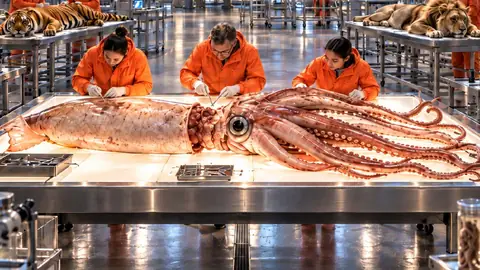 INSIDE NATURE’S GIANTS1 episode · 60 min eachPrep 1
- What it is about
- Teams of scientists study the bodies of big animals, like a giant squid and a polar bear, to find out how these animals survive and live.
- Skills practiced
- Critical thinking
- Before you watch
- Scientists here study animals that have died. If that feels upsetting, tell me, or we can start with the polar bear. Look for what makes big animals special.
- Ask after watching
- What was special about the big animals that surprised you? What would you ask the scientists?
- Try it
- Draw your favorite big animal. Then draw its special feature extra large, like its paws, eyes, or whiskers, and tell what it helps with.
- Talk about it at home
- Did our grandparents ever see a big animal like an elephant, a buffalo, or a cow? Ask them what was special about it.
- Heads up
- Animals hunting each other
242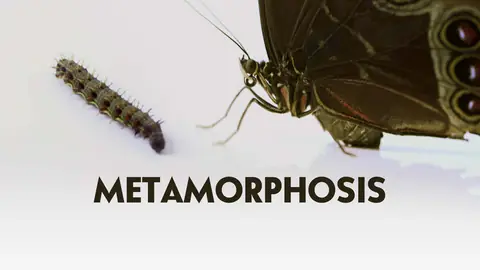 Metamorphosis1 episode · 60 min eachPrep 0
- What it is about
- See how living things change shape, from caterpillars becoming butterflies and tadpoles becoming frogs to other animals that change their bodies.
- Skills practiced
- Critical thinking
- Before you watch
- Look for how a young animal is different from the grown-up.
- Ask after watching
- What steps do the animals go through as they change? When do you think they would need the most help?
- Try it
- With a grown-up, find a caterpillar on a leaf or a tadpole in a pond. Stay well back from the water's edge. Do not touch a caterpillar with bare hands, since some can sting. Watch it in a clear container for a week, draw how it changes each day, then let it go where you found it. Wash your hands after.
- Talk about it at home
- Did our grandparents ever see frogs or butterflies change? Did they catch tadpoles when they were kids?
243My Bionic Pet1 episode · 60 min eachPrep 1
- What it is about
- See creative devices that help animals with disabilities. Nearly 1,000 animals a year get fitted with special devices to help them.
- Skills practiced
- Emotional intelligence
- Before you watch
- Look for how the devices help animals walk and live. Some animals are hurt. If that feels upsetting, tell me.
- Ask after watching
- How did you feel when you saw animals get help? How do you think the animals felt?
- Try it
- Design a device to help a toy move, like bottle cap wheels for a doll with a broken leg. Then tell a friend about it.
- Talk about it at home
- Did our grandparents ever help an animal that was disabled or hurt, like making a crutch for a dog or caring for it?
- Heads up
- Disasters
244 Secret World of Fireworks1 episode · 60 min eachPrep 1
- What it is about
- Fireworks light up big celebrations. Their chemical recipes were discovered long ago and used in wars and ceremonies. Today they make the sounds and lights of joy.
- Skills practiced
- Critical thinking
- Before you watch
- Fireworks are loud, and some parts talk about danger. If anything feels upsetting, tell me. Count how many colors you see in the sky.
- Ask after watching
- What lights did you see? What did they make you think of?
- Try it
- Draw fireworks with chalk or crayons on the ground or on paper, in your favorite colors. Then tell a friend what celebration your fireworks are lighting up.
- Talk about it at home
- When have we watched fireworks? How did our grandparents celebrate big occasions when they were young?
- Heads up
- Fighting, Disasters
245 Super Science7 episodes · 30 min each
- What it is about
- Each part introduces some of the newest technology in the world, like a giant garden built on land reclaimed from the sea, TV of the future, and underwater robots that collect data about the ocean.
- Skills practiced
- Creative thinking, Critical thinking
- Before you watch
- Guess how the inventions in this film help people.
- Ask after watching
- If you could invent one new thing, who would you want it to help, and how?
- Try it
- Draw or sculpt your invention from clay or cardboard boxes. Then tell a friend how to use it.
- Talk about it at home
- What do we have today that our grandparents did not have growing up? What did they have that is gone now?
- Heads up
- Disasters
246THE LIVING BODY1 episode · 90 min eachPrep 1
- What it is about
- Follow human life from birth to its final days, and discover the amazing things inside the body that carry us through each stage of life.
- Skills practiced
- Critical thinking
- Before you watch
- Put your hand on your chest or wrist and listen for what your body is doing.
- Ask after watching
- What part of your body do you wonder about most, to know how it works inside?
- Try it
- Find your pulse on your wrist. Count it while sitting still, then run in place 10 times and count again. Tell what is different.
- Talk about it at home
- What were our grandparents best at when they were young? How has their body changed now?
- Heads up
- Blood or dissection
247 Sextuplets - The Little Lambs1 episode · 60 min eachPrep 1
- What it is about
- Follow an English family, who had sextuplets, six babies at once, and four are with them now. It was the country's first set of sextuplets in 17 years. This is an ordinary family raising many children.
- Skills practiced
- Emotional intelligence
- Before you watch
- The family loses some of their babies, which is sad. If you feel sad, tell me. Notice how the brothers and sisters help each other.
- Ask after watching
- If many babies were born in our home at once, how could you help?
- Try it
- Draw a picture of your family. Then write how each person helps at home.
- Talk about it at home
- How many people live in our home, and who does what for whom? How did big families long ago help raise the children?
- Heads up
- Blood or dissection
248 How Machines Work12 episodes · 30 min each
- What it is about
- Go inside giant machines, like a power plant, a race car, a loom, and a boat lift, to see how each part works.
- Skills practiced
- Critical thinking
- Before you watch
- Look for which parts of the machine move.
- Ask after watching
- If you were the repair person for this machine, which part would you open first?
- Try it
- With a grown-up, find a toy or tool at home with moving parts, like wheels, a can opener, or a sewing machine. Point to what turns and what pushes.
- Talk about it at home
- What tools have our grandparents used for a long time? How do they work?
- Heads up
- Disasters
249 Hydrotech13 episodes · 60 min eachPrep 1
- Good to know before watching
- Some parts show sinking ships, a ship rescue under ice, and fireboats. We do not use shipwreck stories in month 3. Month 9 is fine, but preview first.
- What it is about
- Explore technology that works with water: ships that face big waves, fireboats, rescuing a ship sunk under ice, the Panama Canal, and protecting Venice from floods.
- Skills practiced
- Critical thinking, Creative thinking
- Before you watch
- Look for how water helps people and how it makes trouble for them.
- Ask after watching
- What does water do for us? Has it ever made life hard for us?
- Try it
- Make a paper boat or a leaf boat and float it in a basin. Add small objects one at a time and count how many it takes to sink it.
- Talk about it at home
- Where does our water come from? Did our grandparents travel by water long ago, and what did they use boats for?
- Heads up
- Disasters, Animals hunting each other
250 The Invaders1 episode · 60 min eachPrep 1
- What it is about
- Wild animals move in close to people. Coyotes in cities are clever and adapt fast. Moose are usually calm, but they are huge and defend themselves when they meet people.
- Skills practiced
- Global citizenship
- Before you watch
- Some animals here scare or hurt people. If that feels upsetting, tell me. Notice why the animals come into people's spaces.
- Ask after watching
- If an animal came to live near our home, what would it want? What is your guess?
- Try it
- Go look for animals living near home or school, like birds, mice, or lizards. Draw what they came looking for to eat.
- Talk about it at home
- What animals live near our home? Did our grandparents ever have an exciting animal moment?
- Heads up
- Fighting
251 Life After People8 episodes · 60 min eachPrep 1
- What it is about
- Imagine what the world would look like if all the people vanished. See how buildings, things people built, and nature change when no one takes care of them.
- Skills practiced
- Critical thinking
- Before you watch
- Look for how homes and things people built slowly change when no one takes care of them.
- Ask after watching
- If no one lived in your house for a year, what do you think would happen to it?
- Try it
- With a grown-up, visit an empty house or an empty lot near home. Draw the plants or animals that have moved in.
- Talk about it at home
- Is there an empty house in our village? Did our grandparents say who lived there and why they left?
- Heads up
- Disasters, Scary scenes, Death
252Animals Gone Wild2 episodes · 60 min eachPrep 1
- Good to know before watching
- One scene shows a bear entering a place where people live, and animals fight. Preview first. If your child worries this could happen at home, reassure them that there are no bears near your home.
- What it is about
- Wild animals do daring things, from fighting and escaping to surprises like a bear wandering into a place where people live and clever sea lions. Photographers follow them up close.
- Skills practiced
- Critical thinking
- Before you watch
- Some parts show animals fighting and hunting. If that feels upsetting, tell me. Look for what animals do to survive.
- Ask after watching
- Which animal surprised you most? What did it do?
- Try it
- Play animals with a friend. Act out how an animal escapes danger and have your friend guess which animal it is.
- Talk about it at home
- Have we ever seen an animal do something surprising? Do our grandparents have a story about a clever animal?
- Heads up
- Animals hunting each other, Fighting
253 Behind the Photo Lava Hunter1 episode · 60 min eachPrep 1
- What it is about
- A photographer takes a famous picture of a geologist standing as a dark silhouette in front of glowing lava at Kilauea in Hawaii, a volcano that erupts very often.
- Skills practiced
- Media literacy
- Before you watch
- Look at what colors are in the picture and where the person is standing.
- Ask after watching
- If you were in this picture, how would you feel?
- Try it
- Draw a moment you want to keep. Use red and orange like lava, then tell a friend where it happened.
- Talk about it at home
- Do we have an old photo that tells an important story? What did our grandparents say about it?
- Heads up
- Disasters
254 Cameramen Who Dare1 episode · 60 min eachPrep 1
- What it is about
- Follow camera operators who take risks to film wild animals, like giant hornets in Japan, bears in Alaska, crocodiles and hippos in Kenya, and sharks at sea.
- Skills practiced
- Critical thinking
- Before you watch
- Some parts show scary animals and risky moments. If that feels upsetting, tell me. Notice how the camera crew gets ready.
- Ask after watching
- What do the camera crew do to stay safe? What did you notice?
- Try it
- Play camera crew. Have a friend be a still animal, then walk up quietly. Did you reach it? How quiet did you have to be?
- Talk about it at home
- Have we ever had to stay near an animal that is wary of people? How did our grandparents get close to animals?
- Heads up
- Animals hunting each other
255 Monster Fish - Raging Amazon1 episode · 60 min eachPrep 1
- What it is about
- Follow a biologist to the Amazon River to hunt for some of the biggest fish in the world. Sometimes the trip goes to faraway and unusual places.
- Skills practiced
- Critical thinking
- Before you watch
- We are going to see some very big fish. If a fish gets caught and that feels upsetting, tell me. Notice how big the fish are.
- Ask after watching
- If you were that giant fish, how would you feel when you were caught? What could people do to help the fish feel calm?
- Try it
- Draw a giant fish in the river. Then draw a person caring for the fish gently, and say how they keep it from getting hurt.
- Talk about it at home
- Does anyone in our family fish? How did our grandparents catch fish, and what did they do when they caught a small one?
- Heads up
- Animals hunting each other
256 Superhuman - Super Strong1 episode · 60 min eachPrep 0
- Good to know before watching
- The summary does not say where the people's extreme abilities come from. Some parts may involve enduring pain or taking risks. Preview first, and tell your child not to try any of it.
- What it is about
- Meet people with extreme abilities: the fastest, the tallest, the smartest, and in this film, people who are far stronger than most.
- Before you watch
- Look for which parts of the body the people use most.
- Ask after watching
- If you had one special power, what would you want to be great at, and who would you help?
- Try it
- Play fun exercise games with friends, like standing on one foot or short sprints. Then talk about how everyone is good at something different.
- Talk about it at home
- Does anyone in our family have a special strength or talent? What were our grandparents good at when they were young?
257 America's Mississippi2 episodes · 60 min eachPrep 1
- What it is about
- Follow the Mississippi River from its small headwaters, through the heart of the country and the South, and down to the gulf. See the lives of the animals and people who live by the water.
- Skills practiced
- Critical thinking
- Before you watch
- Look for which animals live along the river.
- Ask after watching
- Which animal would you most like to be friends with, and why?
- Try it
- Draw a river from a tiny start to a wide end. Add the animals you saw in the film.
- Talk about it at home
- Is there a river or canal near our home? What animals did our grandparents say used to live in the water?
- Heads up
- Animals hunting each other
258 Canada Over The Edge15 episodes · 60 min eachPrep 0
- What it is about
- Travel along the edges of Canada: coastlines, islands, bays, and mountains. See the Bay of Fundy, which has the highest tides in the world, beautiful beaches, and long bridges.
- Skills practiced
- Critical thinking, Global citizenship
- Before you watch
- Look at the shape of the coast. Do you see rocks, sand, or cliffs?
- Ask after watching
- If you visited here, what would you want to play?
- Try it
- Draw a coast or riverbank you love most. Write what is in your picture.
- Talk about it at home
- Have we been to the sea or a river? What places did our grandparents love most?
259 Chatsworth2 episodes · 60 min eachPrep 0
- What it is about
- A two-part series about Chatsworth, a grand and impressive place.
- Before you watch
- Look for things in this place that you have never seen at home.
- Ask after watching
- If you owned a beautiful place like this, how would you take care of it?
- Try it
- Explore your school or home to find the three most beautiful or oldest things. Draw them and tell who used them.
- Talk about it at home
- What place in our village is beautiful and cared for by everyone? Who built it, according to our grandparents?
260 Destination - Myanmar1 episode · 60 min eachPrep 1
- What it is about
- Visit Myanmar, also called Burma, the land of thousands of golden pagodas. See beautiful scenery and wildlife that still holds mysteries. It is known for its rich variety of nature.
- Skills practiced
- Global citizenship
- Before you watch
- Look for how many golden pagodas you can count and where they are in the picture.
- Ask after watching
- What did you see that was like our home, or different from our home?
- Try it
- Draw a temple or pagoda you know near home. Then tell a friend what you do there.
- Talk about it at home
- When do we go to the temple? How do our grandparents say the temple matters to our village?
- Heads up
- Animals hunting each other
261 Pilot Globe Guides7 episodes · 30 min eachPrep 0
- What it is about
- Travel around the world, with each part following a theme, like beautiful palaces from Europe to Asia.
- Skills practiced
- Creative thinking, Critical thinking
- Before you watch
- Look at the shapes and colors of the palaces.
- Ask after watching
- If you lived in a palace, which room would you want to stay in?
- Try it
- Build a castle or palace from blocks, boxes, or paper. Then tell a friend who lives inside.
- Talk about it at home
- What is the most beautiful temple or old building near our home? Can our grandparents tell its story?
262 Heaven on Earth10 episodes · 30 min each
- What it is about
- Visit beautiful places around the world, like Caribbean towns, Lake Tahoe, and Hong Kong. Travelers play sports, taste food, and explore how people live.
- Skills practiced
- Global citizenship
- Before you watch
- Look for what is fun about each place.
- Ask after watching
- If you visited here, what would you want to do first?
- Try it
- Draw a map of a dream trip. Add three things you want to do there.
- Talk about it at home
- What place near our home do people love to visit? Where did our grandparents go on trips when they were young?
- Heads up
- Sensitive topics (war, religion, politics), Animals hunting each other
263 Planet8 episodes · 60 min eachPrep 1
- What it is about
- Travel the world to see nature and cultures in places like the Azores, the Galapagos, Madagascar, Namibia, South Africa, Brazil, Costa Rica, Antarctica, and Uganda.
- Skills practiced
- Critical thinking
- Before you watch
- Look at the nature in each place. Is it hot, cold, or wet?
- Ask after watching
- What must the animals there do to live in a place like that?
- Try it
- Make a simple world map and point to where we live. Then add three animals or plants you saw in the film.
- Talk about it at home
- What animal or tree lives only here near us? Did our grandparents ever see something unusual?
- Heads up
- Animals hunting each other
264 That's Art?11 episodes · 30 min each
- What it is about
- Meet artists and craftspeople who work in surprising ways, like a builder who makes art from building bricks, a tattoo artist, makers of pop-up books, and graffiti artists.
- Skills practiced
- Creative thinking
- Before you watch
- Look at what the artists use to make their art.
- Ask after watching
- If you made art from things at home, what would you make?
- Try it
- Make art from leftover things like boxes, bottle caps, and paper. Give it a title and tell a friend about it.
- Talk about it at home
- What art or crafts do we have at home? What beautiful things can our grandparents make?
- Heads up
- Sensitive topics (war, religion, politics), Scary scenes, Fighting
265 World From Above15 episodes · 30 min eachPrep 0
- What it is about
- See the world from high up, like a bird. Fly over volcanic islands, coastlines, island chains, and cities in countries like Italy, England, and Spain.
- Before you watch
- Look at what shapes things make when you see them from above.
- Ask after watching
- What did you see from above that you cannot see from the ground?
- Try it
- Draw a map of your school as if looking from above, with buildings, trees, and a field. Ask a friend to point to where they are.
- Talk about it at home
- Is there a high place near our home where we can see the whole village? How did our grandparents say the village used to look?
266The World From Above11 episodes · 30 min each
- What it is about
- See the world from high up, following rivers, ancient forts, bays, and cities in many countries. Spot traces of buildings and history from many eras that are still here today.
- Skills practiced
- Critical thinking
- Before you watch
- Look at the shape of the river from above.
- Ask after watching
- What old things did you see that are still there in the pictures?
- Try it
- Draw a map of a village from above. Add a river or road, houses, and a temple, then point to what has been there longest.
- Talk about it at home
- What is the oldest place near our home? When do our grandparents say it was built?
- Heads up
- Sensitive topics (war, religion, politics)
267 Bigger Than T.rex1 episodePrep 1
- What it is about
- A film about a dinosaur named Super Jaw, said to be bigger than T. rex.
- Before you watch
- Look for the biggest part of this dinosaur.
- Ask after watching
- If you met a dinosaur bigger than all the rest, what would you ask it?
- Try it
- Use string or a stick to measure the dinosaur's length on the ground outside. Then have kids lie down end to end to match it and count how many it takes.
- Talk about it at home
- Have we ever found strange bones or rocks? What do our grandparents say about them?
- Heads up
- Animals hunting each other
268 Dino Hunt3 episodesPrep 1
- What it is about
- Six teams of Canadian fossil hunters find important dinosaurs, traveling to beautiful places across Canada. Look for horned dinosaurs and flying dinosaurs.
- Skills practiced
- Critical thinking
- Before you watch
- Look for the tools the fossil hunters use to dig.
- Ask after watching
- If you dug up a huge bone, what would you do first?
- Try it
- Play fossil digger. Bury small things in sand or soil and use a small brush to sweep them away slowly. No digging with your hands.
- Talk about it at home
- Have we ever dug up something strange in the ground? What did our grandparents find?
- Heads up
- Death
269 Dino Stampede1 episodePrep 1
- What it is about
- Scientists use detective methods and computers to study dinosaur footprints. They learn how dinosaurs hunted and how they lived in groups.
- Skills practiced
- Critical thinking
- Before you watch
- Some parts show dinosaurs hunting each other. If that feels upsetting, tell me. Look for what the footprints tell us.
- Ask after watching
- Small footprints and big footprints are walking the same way. What do you think happened?
- Try it
- Walk on sand or wet soil and look at your footprints. Ask a friend to guess whether you walked or ran.
- Talk about it at home
- Have we ever looked at animal tracks to know which animal passed by? Can our grandparents read footprints?
- Heads up
- Animals hunting each other
270 Jurassic CSI2 episodesPrep 0
- What it is about
- Scientists use the newest technology to study dinosaurs that are gone forever, from looking inside a T. rex to huge dinosaurs and how dinosaurs walked.
- Skills practiced
- Critical thinking
- Before you watch
- Look for what scientists study to learn how dinosaurs walked.
- Ask after watching
- If you could walk like a dinosaur, how would you walk?
- Try it
- Walk like dinosaurs with friends. Try long steps, short steps, two legs, and four legs, and have friends guess which dinosaur you are.
- Talk about it at home
- What animal near us walks in a funny way? Did our grandparents ever copy how an animal walks?
271 Kungfu Kitchen5 episodes · 30 min eachPrep 0
- What it is about
- Asian foods that take years of hard practice to master, like tea, hand-pulled noodles, roti, Peking duck, and teppanyaki. Can a crash course make beginners great overnight?
- Skills practiced
- Global citizenship
- Before you watch
- Look at what the chefs' hands do so well and so fast.
- Ask after watching
- If you wanted to get really good at cooking one dish, what would you make?
- Try it
- Make a simple no-heat food with a grown-up, like shaping sticky rice into balls or folding a wrap. Practice three times and see if the third is better.
- Talk about it at home
- Who cooks best in our home? Who did our grandparents learn that dish from?
272 Future Food8 episodes · 30 min each
- What it is about
- Step into food made in surprising ways with cutting-edge science. Famous chefs create eye-catching dishes, like edible packaging and dishes that look inedible but turn out to be food.
- Skills practiced
- Creative thinking
- Before you watch
- Look at how strange the food looks.
- Ask after watching
- Would you try food that looks this strange? Why or why not?
- Try it
- Invent a strange dish from things in the kitchen, like fruit cut into animals. Draw it, name it, and tell a grown-up how you would like it made.
- Talk about it at home
- What food at home looked strange but tasted great? What did our grandparents eat long ago that we rarely see now?
- Heads up
- Claims that are not proven
273 The Know it all guide to9 episodes · 30 min each
- What it is about
- Learn about one food at a time, like cheese, bread, cookies, chocolate, coffee, and ice cream: how it is made, its history, and things you never knew.
- Skills practiced
- Media literacy, Critical thinking
- Before you watch
- Look for what the food starts as before it becomes what we eat.
- Ask after watching
- Where does a food you love come from? What steps do you think it takes?
- Try it
- Help a grown-up cook with what you have, like kneading dough or shaping rice. Then draw the steps in three pictures.
- Talk about it at home
- What foods do our grandparents make themselves, like sweets or chili dip? Can they tell us how?
- Heads up
- Claims that are not proven